Why Weight Loss in an Old British Shorthair Is a Warning
It's truly heartbreaking to notice your beloved British Shorthair, a cat known for its robust and cuddly appearance, starting to look a little less full, a bit more angular as they age. Many of us might initially brush it off as a normal part of getting older, but unexpected weight loss in a senior British Shorthair is almost always a serious red flag. This guide will walk you through why this change should never be ignored, exploring the underlying health issues it can signal and what you need to do to support your aging companion.
The Subtle Shift: Why You Might Miss Weight Loss in an Older British Shorthair
When you've lived with a British Shorthair for years, you get used to their solid, chunky build and their generally placid nature. This breed isn't known for being a beanpole, and their dense, plush coat can be incredibly deceptive, hiding subtle changes in body condition. It's easy to look at your aging friend and attribute a slight thinning to "just getting old," but that assumption can be dangerous.
The British Shorthair's Deceptive Physique
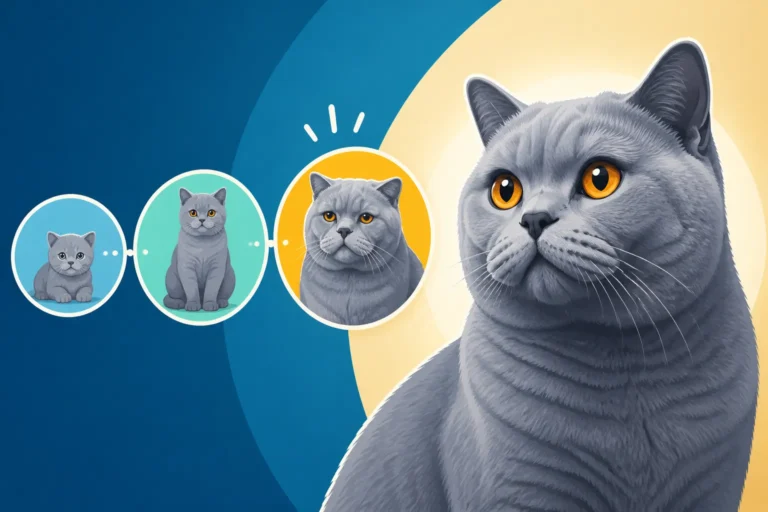
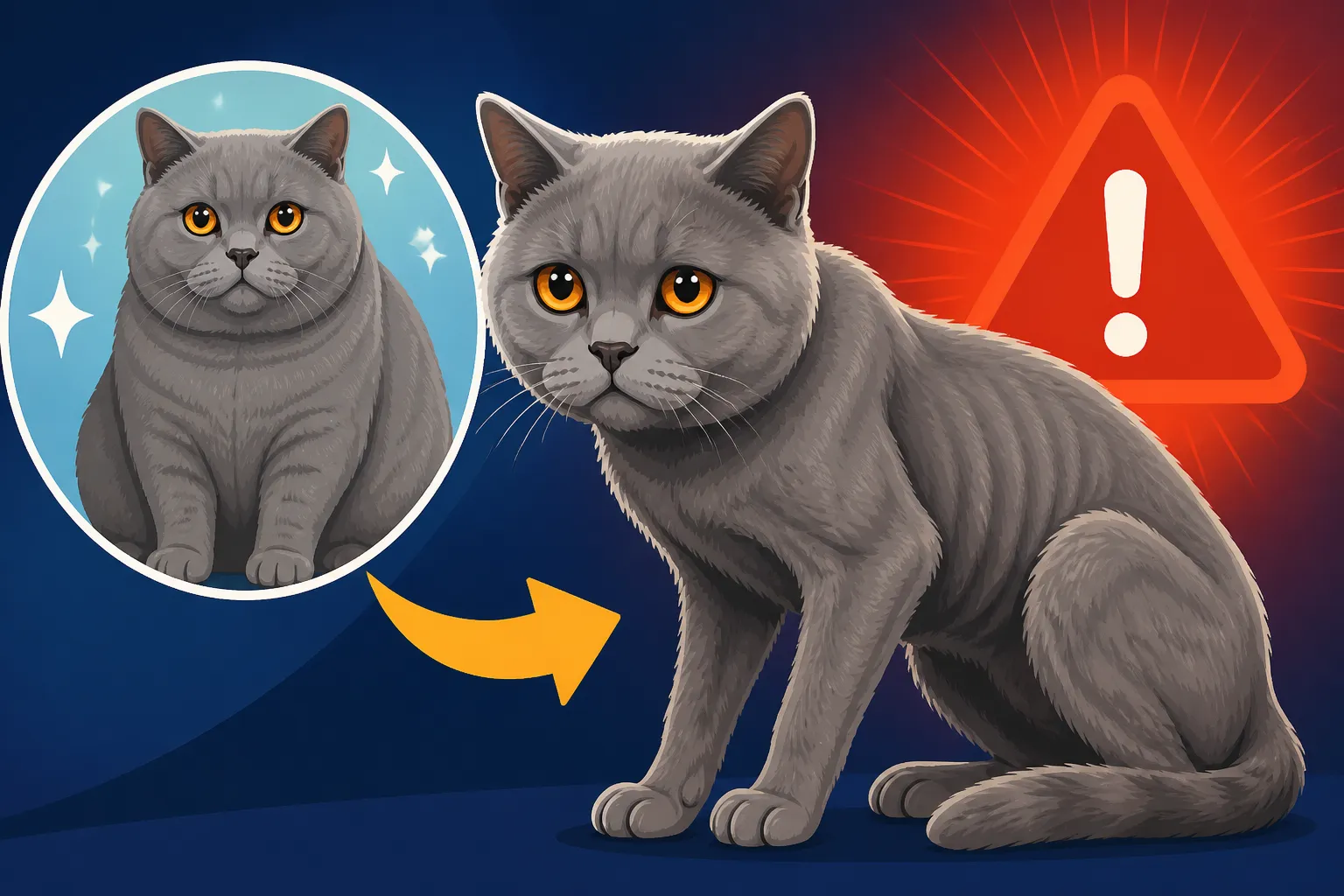
One of the most charming characteristics of the British Shorthair is their substantial, cobby body and thick, teddy bear-like fur. This plush coat, particularly evident in the popular blue variety, can effectively camouflage early signs of muscle wasting or fat loss. You might be petting your cat daily, running your hands over what feels like a perfectly healthy, soft exterior, completely unaware that their body underneath is telling a different story. It's not until the weight loss becomes more pronounced, perhaps affecting their famed "chonky" cheeks or making their spine more noticeable, that alarm bells finally start to ring. This is why regular, hands-on body condition scoring, feeling for their ribs and spine, is so crucial, even with their luxurious coat.
Consider a male British Shorthair, known for his impressive jowls and broad chest. If he begins to lose weight, those jowls might subtly recede, or his chest might feel less barrel-like. However, the thick fur can maintain the illusion of robust health for a surprisingly long time. You might only notice a difference when you pick him up and he feels lighter, or when you observe him from above and see a more defined waistline where there was once none. This deceptive appearance means that by the time you visually confirm weight loss, the underlying issue might have been progressing for a while.
Normal Aging vs. Concerning Changes
It's true that some aspects of a cat's metabolism and body composition can shift as they get older. An old British Shorthair might naturally become a bit less active, perhaps spending more time napping and less time engaging in vigorous play, which can lead to a slight decrease in muscle mass over many years. However, this is usually a very gradual process, barely perceptible from month to month, and shouldn't result in rapid or significant weight loss. If you find yourself asking, "Why weight loss in an old British Shorthair is a warning," it's because it rarely falls into the "normal" category.
A healthy senior cat, even one experiencing Caring for a British Shorthair Past Ten changes, should maintain a stable weight or show only very minor fluctuations. If your cat is consistently losing weight, despite eating normally or even more than usual, that's a glaring sign that something is amiss. A sudden drop of even a pound or two in a cat that typically weighs between 9 and 18 pounds, can represent a significant percentage of their body mass. This isn't just about looking less plump; it's about a cat's body struggling to maintain itself, which always warrants a vet visit.
Here's a quick comparison of what might be considered normal aging versus a concerning sign in your British Shorthair:
| Characteristic | Normal Aging Sign | Weight Loss Warning Sign |
|---|---|---|
| Activity Level | Gradual decrease, more napping, less vigorous play | Sudden drop in energy, lethargy, reluctance to move |
| Appetite | Stays consistent, possibly slightly less keen | Eating less, or eating more but still losing weight |
| Body Condition | Stable weight, possibly minor muscle loss over years | Noticeable thinning, prominent spine/ribs, sunken areas |
| Coat Appearance | May be slightly duller, less fastidious grooming | Unkempt, greasy, matted coat (especially on the back) |
| Thirst/Urination | Stays consistent | Increased thirst and urination (polydipsia/polyuria) |
| Behavior | Slight increase in vocalization or disorientation | Hiding, irritability, unusual aggression, increased hiding |
Common Medical Culprits Behind Weight Loss in Senior British Shorthairs
When a British Shorthair reaches The Age a British Shorthair Is Considered Senior (typically around 7-10 years), their bodies become more susceptible to a range of age-related illnesses. Many of these conditions manifest with unexplained weight loss, making it a critical symptom not to overlook. It's often the earliest, most easily observable sign that something serious is developing beneath that calm exterior.
Hyperthyroidism: The Revved-Up Metabolism
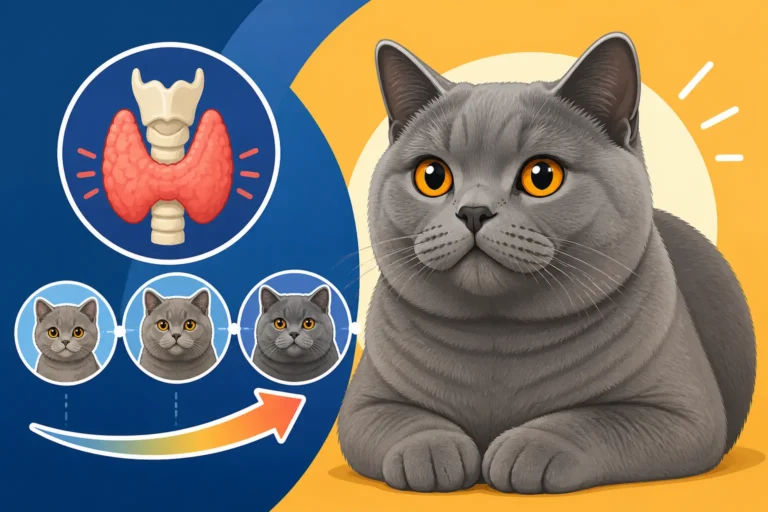
One of the most common causes of weight loss in older cats is hyperthyroidism, a condition where the thyroid gland produces too much thyroid hormone. This hormone acts like a gas pedal for the body's metabolism. In a cat with hyperthyroidism, their metabolism goes into overdrive, burning through calories at an alarming rate, even if they're eating like there's no tomorrow. It's incredibly frustrating for owners who see their cat voraciously devouring food, perhaps even begging for more, yet still shrinking before their eyes.
Beyond the weight loss despite increased appetite, other signs of Hyperthyroidism in an Older British Shorthair can include increased thirst and urination, restlessness, hyperactivity (which is very un-British Shorthair-like!), a greasy or unkempt coat, and sometimes vomiting or diarrhea. Imagine your usually serene British Shorthair suddenly pacing at night, meowing more than usual, and looking a bit scruffy despite your best efforts to groom them. These subtle shifts, combined with weight loss, are strong indicators that hyperthyroidism might be at play. Early diagnosis is key, as treatment can significantly improve their quality of life and lifespan. When you're facing diagnostics and potential long-term medication, having pet insurance like Healthy Paws can truly alleviate the financial stress, allowing you to focus purely on your cat's well-being.
Kidney Disease: A Silent Thief
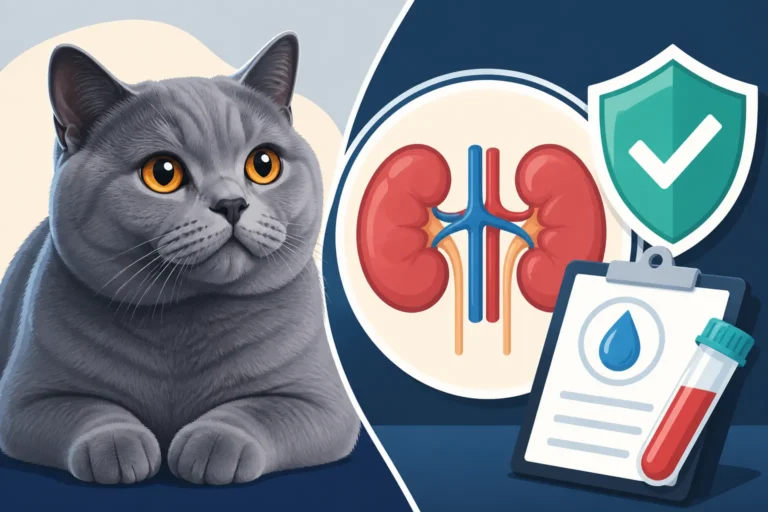
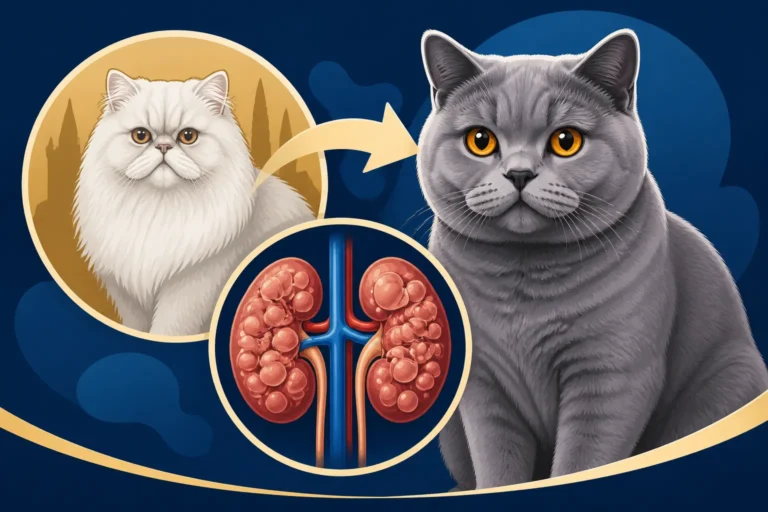
Chronic Kidney Disease (CKD) is another insidious condition that frequently affects aging felines, including our beloved British Shorthairs. The kidneys play a vital role in filtering waste products from the blood and maintaining hydration. As kidney function declines, waste products build up in the body, making the cat feel unwell and often leading to a reduced appetite, nausea, and dehydration. This combination directly contributes to weight loss, which can be gradual but persistent.
Unlike hyperthyroidism, where a cat might eat more, with kidney disease, you'll more often notice a decrease in appetite. Your British Shorthair might turn their nose up at their favorite foods, pick at meals, or simply eat less overall. You'll also likely observe increased thirst and urination as their struggling kidneys try to flush out toxins. This increased water intake can sometimes mask dehydration, as the body isn't effectively utilizing the water. Observing Urinary Problems in a British Shorthair alongside weight loss is a definite call for concern. Regular vet check-ups, including blood and urine tests, are crucial for detecting kidney disease early, even before obvious symptoms like significant weight loss appear.
Dental Issues and Oral Pain
It might seem less dramatic than organ failure, but severe dental disease can be a major contributor to weight loss in older cats. Just imagine trying to eat your favorite meal with a searing toothache, inflamed gums, or loose teeth. Your British Shorthair, stoic as they are, might simply stop eating, or eat much less, to avoid the pain. This isn't just about bad breath; it's about chronic discomfort that can severely impact their nutritional intake.
Older cats are particularly prone to conditions like gingivitis, periodontal disease, and tooth resorption. If your cat is approaching a senior age, pay close attention to signs like drooling, pawing at their mouth, reluctance to chew hard kibble (preferring softer foods or even just licking the gravy off wet food), or bad breath. Sometimes, they might only eat on one side of their mouth. These subtle clues, coupled with a decline on the scale, strongly suggest that Gingivitis in a British Shorthair or other dental woes are making eating a painful ordeal. A thorough dental examination under anesthesia might be necessary to properly diagnose and treat these issues, which can often resolve the weight loss once the pain is managed.
Diabetes and Pancreatic Problems
Diabetes mellitus, particularly Type 2 diabetes, is another health challenge that can lead to weight loss in older British Shorthairs. In diabetic cats, their bodies either don't produce enough insulin or can't use the insulin they produce effectively. Insulin is vital for transporting glucose (sugar) from the bloodstream into the cells for energy. Without it, the cells are starved for energy, even though there's plenty of glucose circulating in the blood. The body then starts breaking down fat and muscle for energy, leading directly to weight loss.
Similar to hyperthyroidism, a hallmark sign of Diabetes in a British Shorthair can be increased appetite alongside weight loss. Your cat is constantly hungry because their cells aren't getting the fuel they need. This is often accompanied by significantly increased thirst and urination, as the body tries to flush out excess sugar through the kidneys. Your usually plump British Shorthair might start looking gaunt, but still seem ravenous and spend much more time at the water bowl. If you notice these symptoms, a trip to the vet for blood and urine tests is absolutely essential. Managing diabetes requires commitment, but with proper care, many cats can lead full, happy lives.
Other Factors Contributing to Unexplained Weight Loss
While medical conditions are often the primary drivers, other less obvious factors can contribute to or exacerbate weight loss in older British Shorthairs. It's important to consider the full picture of your cat's life and environment when investigating why they might be losing weight.
Gastrointestinal Upsets and Malabsorption
Sometimes, the issue isn't a lack of food intake, but rather an inability to properly digest and absorb nutrients from the food. Older cats can develop various gastrointestinal problems, such as inflammatory bowel disease (IBD) or pancreatic insufficiency, which interfere with the digestive process. With IBD, chronic inflammation of the digestive tract makes it difficult for nutrients to be absorbed, leading to weight loss despite a normal or even increased appetite. Pancreatic insufficiency means the pancreas isn't producing enough digestive enzymes, causing food to pass through undigested.
Symptoms might include chronic vomiting, diarrhea, changes in stool quality, or a general "unthrifty" appearance. Your British Shorthair might appear uncomfortable after eating, or their coat might look dull and feel rough because they aren't getting the necessary nutrients for healthy skin and fur. A cat experiencing chronic digestive issues might also become more selective about food, further reducing their caloric intake. It can be a frustrating cycle, where they need calories but their gut is struggling to process them. These conditions often require specialized diagnostic tests and dietary management to help your cat regain weight and comfort.
Stress, Anxiety, and Environmental Changes
British Shorthairs are generally known for their calm and adaptable nature, but like any cat, they can be sensitive to stress and anxiety, especially as they age. An older cat's coping mechanisms might not be as robust as they once were, and significant changes in their environment can take a toll, sometimes resulting in a decreased appetite and subsequent weight loss. This is particularly true if the weight loss isn't accompanied by other obvious physical symptoms.
Think about common household stressors: a new pet, a new baby, a house move, construction noise, or even a change in your daily routine. If you've been wondering What Changes in a British Shorthair After Ten, increased sensitivity to stress is definitely one of them. An anxious cat might hide more, become withdrawn, or show changes in litter box habits. They might also stop eating in their usual spot if they feel insecure, or lose interest in food altogether. While this is less common than a medical cause for significant weight loss, it's a factor to consider, especially if other explanations have been ruled out. Providing a stable, quiet environment, consistent routines, and plenty of safe spaces can help mitigate stress in your senior British Shorthair.
The Shadow of Cancer
Sadly, cancer is a leading cause of What Most British Shorthairs Die Of in older cats, and unexplained weight loss is one of its most common and alarming symptoms. Many types of cancer, particularly those affecting the digestive system or lymph nodes, can cause a cat to waste away, even with a seemingly normal appetite. The cancerous cells can consume a large amount of the body's energy, and the disease itself can cause inflammation, nausea, and a general feeling of malaise that reduces appetite.
Lymphoma, a common cancer in cats, often affects the gastrointestinal tract and can present as chronic vomiting, diarrhea, and significant weight loss. Other cancers might cause internal discomfort, making eating unpleasant. The weight loss associated with cancer can sometimes be very rapid and noticeable. It's a devastating possibility to consider, but early detection offers the best chance for managing the disease and improving your cat's comfort and prognosis. If your British Shorthair is losing weight and all other common causes have been ruled out, your vet may recommend further diagnostics to investigate for Which Cancers a British Shorthair Gets.
Taking Action: What to Do When Your British Shorthair Loses Weight
Noticing weight loss in your senior British Shorthair can be scary, but prompt and decisive action is the best thing you can do for your beloved pet. Don't delay in seeking professional veterinary advice; every day can count when dealing with underlying health issues.
The Importance of a Prompt Vet Visit
The moment you suspect your British Shorthair is losing weight, or if you've been asking yourself, "Why weight loss in an old British Shorthair is a warning," it's time to call your veterinarian. Do not wait for other symptoms to appear or assume it's just old age. Cats are masters at hiding illness, and by the time symptoms are obvious, the condition might be quite advanced. A proactive approach gives your vet the best chance to diagnose the problem early and initiate effective treatment.
When you call your vet, be prepared to discuss when you first noticed the weight loss, any changes in appetite (eating more, less, or the same?), changes in thirst or urination, vomiting, diarrhea, lethargy, or any other behaviors that are out of the ordinary for your cat. Your vet will conduct a thorough physical examination, which includes feeling your cat's body condition, checking their teeth, and palpating their abdomen. They'll also review your cat's vaccination history and past health records. Don't be shy about expressing your concerns; your observations as their owner are invaluable in piecing together the puzzle of their health.
Diagnostic Steps and Treatment Options
Once at the vet, expect a recommendation for diagnostic tests. These usually include a comprehensive blood panel and a urinalysis. The blood panel will check for things like hyperthyroidism, kidney disease, diabetes, and liver issues, while the urinalysis can provide further insights into kidney function and rule out urinary tract infections. Your vet might also suggest checking What a British Shorthair's Yearly Bloodwork Should Cover. Depending on the initial findings, further tests might be necessary, such as X-rays, an ultrasound (especially if an abdominal mass is suspected), or even a dental examination under anesthesia.
- Blood Tests: These are foundational. They can reveal elevated thyroid hormones (hyperthyroidism), elevated glucose (diabetes), or elevated kidney values (kidney disease). They also check red and white blood cell counts, which can indicate infection, inflammation, or anemia.
- Urinalysis: This simple test offers a wealth of information about kidney function, hydration status, and can detect urinary tract infections or early signs of diabetes through glucose in the urine.
- Imaging: X-rays can show organ size and shape, while an ultrasound provides a more detailed view of internal organs, allowing the vet to look for masses, changes in organ texture, or other abnormalities.
Treatment will, of course, depend entirely on the diagnosis. For hyperthyroidism, options range from medication to radioactive iodine therapy or even surgery. Kidney disease often involves dietary changes, fluid therapy, and medications to manage symptoms. Dental disease requires professional cleaning and potentially extractions. Diabetes is managed with insulin injections and dietary adjustments. Navigating these treatment pathways can be costly, and this is where pet insurance, such as a plan from Healthy Paws, can make a significant difference in your ability to afford the best care for your British Shorthair.
Supporting Your Senior British Shorthair at Home
While your vet takes the lead on diagnosis and medical treatment, there's plenty you can do at home to support your senior British Shorthair through this challenging time. First and foremost, diligently follow all veterinary instructions regarding medication and diet. If a prescription diet is recommended, stick to it. If your cat is a picky eater, discuss strategies with your vet to make the food more appealing, such as warming it slightly or adding a feline-safe flavor enhancer.
Ensure your cat has easy access to food, water, and litter boxes. For an aging cat, this might mean putting bowls on a lower level so they don't have to jump, or investing in a low-sided litter box. Offer several water sources, perhaps even a fountain, to encourage hydration, which is vital, especially with conditions like kidney disease. Regularly check your cat's weight; How Often an Old British Shorthair Needs Weighing is often more frequent than you might think, sometimes weekly or bi-weekly during treatment. Gently comb their coat if they're struggling to groom themselves, and provide a warm, comfortable bed in a quiet part of the house. Most importantly, continue to shower them with love and affection. Your presence and comfort can go a long way in helping them feel secure and supported through their health journey, even when facing Signs a British Shorthair Is Unwell.
Disclaimer
This article is for general informational purposes only and does not constitute professional advice. Laws, prices and regulations vary by location and change over time. Consult a qualified professional for guidance on your specific situation.