Whether a Female British Shorthair Outlives a Male
It’s a natural concern for any loving cat parent: how long will our beloved feline companions be with us? For British Shorthair owners, this often leads to questions about breed-specific longevity, and a common query that pops up is whether female British Shorthairs tend to live longer than their male counterparts. This guide will delve into the nuances of British Shorthair lifespans, examining general factors, sex-specific health considerations, and ultimately, whether there's a significant difference based on gender alone.
The General Lifespan of a British Shorthair: Setting the Baseline
When we talk about the lifespan of a British Shorthair, it’s important to understand the general expectations for the breed before we even begin to split hairs (pun intended!) between males and females. These magnificent, robust cats are known for their sturdy build and calm demeanor, which often contributes to a relatively good lifespan compared to some other breeds.
What Defines "Long-Lived" for This Breed
A healthy British Shorthair can typically live a good, long life, often gracing our homes for anywhere from 12 to 17 years. Some even stretch beyond that, reaching into their late teens or even approaching 20, which is truly a testament to their inherent hardiness and good care. This range, however, isn't a hard and fast rule; it’s an average, influenced by countless variables throughout a cat's life. Factors like genetics, diet, environment, and access to veterinary care all play significant roles. For a more detailed look at what to expect, you can read more about The Twelve to Seventeen Years a British Shorthair Gets.
It's also worth noting that the British Shorthair is a breed that matures slowly. They don't fully "fill out" until they are around three to five years old, meaning their kittenhood energy and rapid growth phases last longer than some other breeds. This slower maturation contributes to their overall longevity, as their bodies have more time to develop fully and robustly, rather than experiencing rapid, potentially stressful growth spurts.
Factors That Universally Influence Lifespan
Before we zoom in on gender, let’s consider the universal factors that dramatically impact any British Shorthair's potential lifespan, regardless of whether they are male or female. Good nutrition, for instance, is paramount. Feeding a high-quality, species-appropriate diet that is portion-controlled helps prevent obesity, which is a major health concern for the breed. Regular exercise, even if it's just short play sessions daily, is crucial for maintaining a healthy weight and muscle tone. You might find our article on Getting a Low Energy British Shorthair to Move helpful here, as they are not typically high-energy cats.
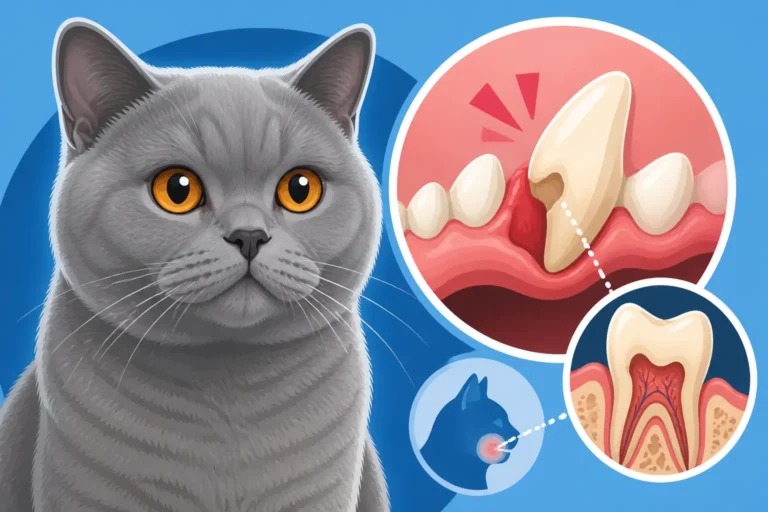
Environmental enrichment also matters immensely. A stimulating home environment reduces stress and keeps their minds active. Consistent veterinary care, including regular check-ups, vaccinations, and parasite control, can catch potential issues early. This includes routine dental care, as dental disease can lead to other serious health problems if left unchecked. A good pet insurance plan, such as those offered by Healthy Paws, can also be a game-changer when it comes to affording unexpected vet visits or long-term care, ensuring your cat always gets the treatment they need without financial strain.
Exploring the "Female Outlives Male" Question in British Shorthairs
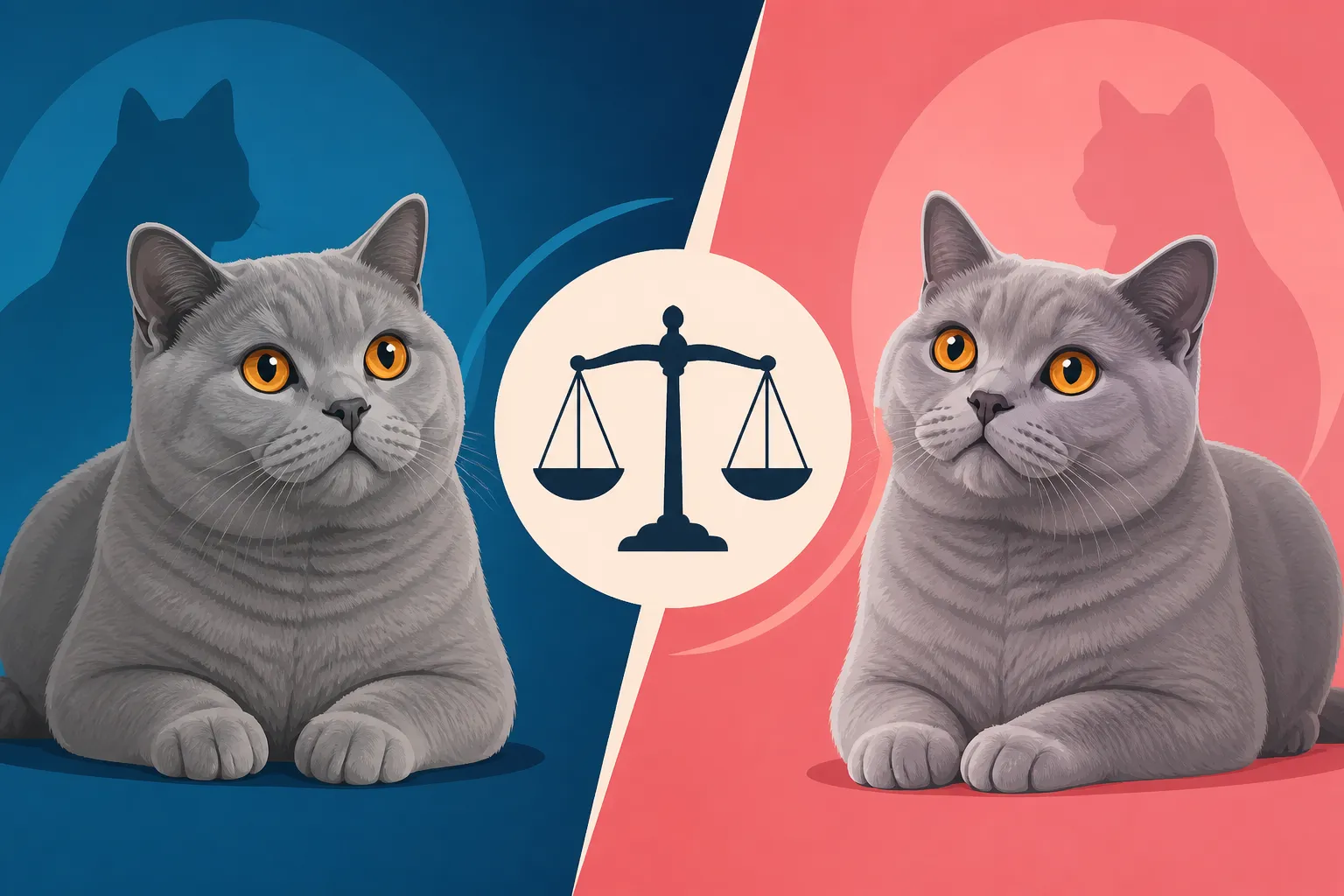
Now, let's tackle the core question head-on: do female British Shorthairs generally live longer than males? While it’s a commonly held belief across many species, including humans and some other domestic animals, the evidence specifically for British Shorthairs isn't as clear-cut as some might assume. General feline studies often suggest a slight advantage for females in terms of longevity, but this margin is usually quite small and heavily influenced by external factors, particularly neutering status.
The Biological Angle: Hormones and Genetics
From a purely biological standpoint, there are arguments for why females might have a slight edge. Hormonal differences between intact males and females can play a role. For example, intact males might be more prone to roaming, fighting, and thus, accidents or infections from wounds. However, for most pet British Shorthairs, who are typically spayed or neutered and kept indoors, these "intact" behaviors are largely mitigated. The removal of reproductive organs eliminates the risks of certain cancers, such as testicular cancer in males and ovarian or uterine cancers in females, further leveling the playing field.
Genetically, there isn't a known specific gene linked to longevity that is exclusively expressed in one sex of British Shorthairs over the other. What's more impactful are the inherited predispositions to certain health conditions that aren't necessarily sex-linked, such as hypertrophic cardiomyopathy (HCM). It's crucial for breeders to screen for such conditions, regardless of a kitten's gender. You can learn more about this by reading What a British Shorthair Breeder Should Have Tested.
Behavioral Differences and Their Impact
Behavioral traits, while not strictly biological, are often influenced by innate drives, and they can indirectly impact lifespan. Male British Shorthairs, particularly if intact, can be more territorial, potentially leading to stress or conflicts with other cats. However, British Shorthairs, both male and female, are generally known for their calm and placid temperaments. They're not typically prone to extreme behaviors that would significantly shorten their lives due to accidents or stress.
A neutered male British Shorthair, especially one living indoors, is generally a very easy-going companion, much like a spayed female. The key takeaway here is that for the vast majority of pampered pet British Shorthairs, their gender-specific behavioral predispositions are largely overshadowed by their indoor lifestyle and early neutering. Therefore, the impact of these differences on their overall lifespan becomes minimal. What truly influences How Long a British Shorthair Lives on Average is the quality of care they receive day-to-day, rather than their sex.
Specific Health Concerns: Male vs. Female British Shorthairs
While the overall lifespan difference might be negligible, there are certain health conditions that can show a propensity for one gender over the other. Being aware of these can help owners provide targeted preventative care and early detection, which is vital for extending any cat’s life.
Urinary and Renal Health: A Male Predisposition
One area where male British Shorthairs do face a higher risk is with urinary tract issues, particularly urinary blockages. Due to their narrower urethras, male cats are more susceptible to conditions like Feline Lower Urinary Tract Disease (FLUTD), which can manifest as bladder stones, crystals, or urethral plugs. These blockages are medical emergencies and can be life-threatening if not treated promptly. The article Why a Male British Shorthair Blocks goes into more detail on this specific concern.
Female British Shorthairs can also develop urinary tract infections or bladder stones, but complete urethral blockage is rare for them due to their wider anatomy. Therefore, owners of male British Shorthairs need to be especially vigilant about monitoring their cat's litter box habits and ensuring they have access to plenty of fresh water to promote urinary health. Incorporating wet food into their diet is also highly recommended to increase water intake.
Reproductive Health and Associated Risks
For cats that are not spayed or neutered, gender plays a significant role in health risks. Intact female British Shorthairs are at risk for mammary cancer, pyometra (a severe uterine infection), and complications during pregnancy and birth. Each of these can be life-threatening and require extensive veterinary intervention.
Intact male British Shorthairs, while not facing the same array of uterine or mammary issues, can be prone to testicular tumors (though less common than female reproductive cancers) and prostate issues. Neutering males and spaying females, ideally before sexual maturity, drastically reduces or eliminates these reproductive health risks, contributing significantly to a longer, healthier life for both genders. This is one of the most impactful decisions an owner can make for their cat's longevity.
Heart Health Across Genders
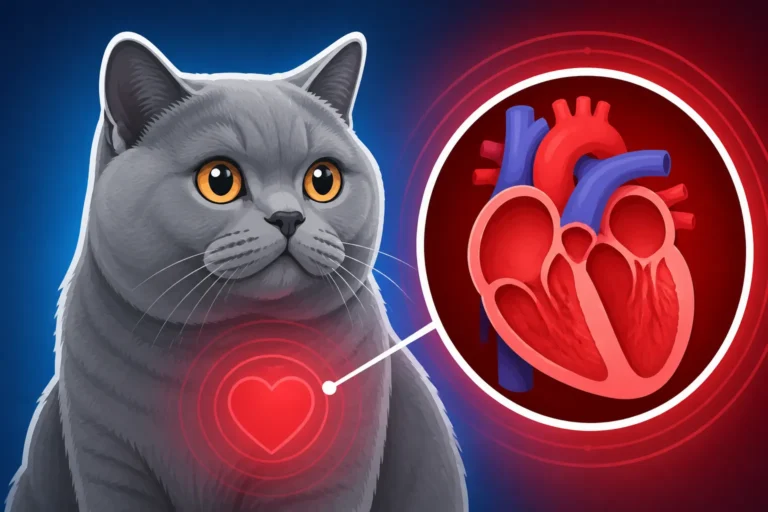
Hypertrophic Cardiomyopathy (HCM) is the most common heart disease in cats and is a significant concern for the British Shorthair breed. This condition causes the muscular walls of the heart to thicken, reducing its efficiency and potentially leading to heart failure or clot formation. While some breeds show a higher incidence in males, such as Maine Coons, studies on British Shorthairs have not consistently shown a significant gender predisposition for HCM. Both male and female British Shorthairs are equally at risk if they carry the genetic predisposition or develop the condition spontaneously.
Early screening through echocardiograms is crucial for detecting HCM, regardless of sex. Regular check-ups are vital, and it’s always a good idea to consider pet insurance from providers like Healthy Paws to help manage the ongoing costs of monitoring and treatment for such chronic conditions. Understanding What HCM Does to a British Shorthair's Heart is vital for any owner.
| Health Consideration | Male British Shorthair Risk | Female British Shorthair Risk | Notes |
|---|---|---|---|
| Urinary Blockages (FLUTD) | Higher | Lower | Due to narrower urethra in males. |
| Mammary Cancer | Very Low | Moderate (if unspayed) | Spaying significantly reduces risk. |
| Pyometra | None | High (if unspayed) | Life-threatening uterine infection. |
| Testicular Cancer | Low (if unneutered) | None | Neutering eliminates risk. |
| Hypertrophic Cardiomyopathy | Equal | Equal | Genetic predisposition; regular echoes are key. |
| Obesity-related Issues | Equal | Equal | Diet and exercise are crucial for both. |
Proactive Care for a Long and Healthy British Shorthair Life
Ultimately, the best way to ensure your British Shorthair lives a long, full life has far less to do with their gender and everything to do with the quality of care you provide. Focusing on preventative health and addressing potential issues early will make the biggest difference.
The Importance of Diet and Weight Management
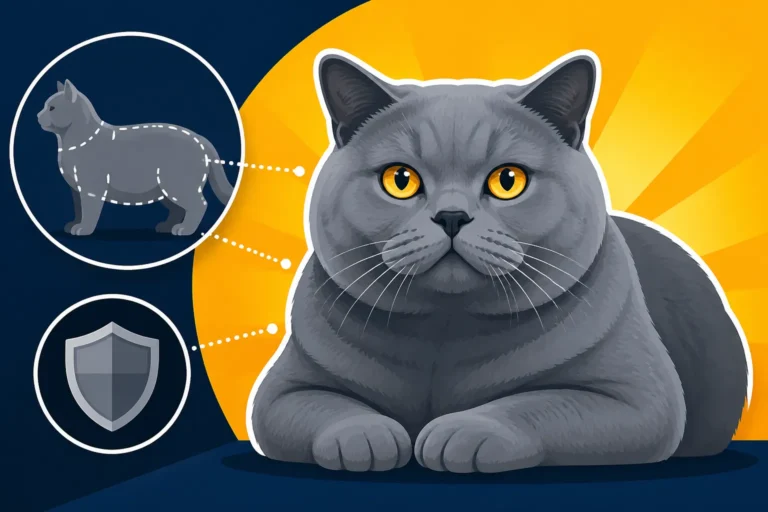
British Shorthairs are notoriously good eaters, and their calm, less active nature can make them particularly prone to weight gain. Obesity is a silent killer, leading to a host of other health problems like diabetes, arthritis, and liver issues, all of which can drastically shorten a cat's life. This applies equally to both male and female British Shorthairs. It’s not just about how much they eat, but what they eat. High-quality protein, controlled portions, and minimizing treats are critical.
Don't free-feed your British Shorthair; measure out their meals. If your cat is already a bit chunky, consulting your vet about a weight loss plan is essential. They can recommend specific foods or a calorie-restricted diet. Our article Obesity Is the British Shorthair's Real Disease offers more insights into managing your cat's weight effectively. Remember, a fit British Shorthair, whether male or female, is a happier, healthier British Shorthair.
Regular Veterinary Check-ups and Preventative Screening
Consistent veterinary care is the cornerstone of longevity. Annual check-ups, even if your cat seems perfectly healthy, allow your vet to catch subtle changes that might indicate an underlying problem. As your British Shorthair ages, these check-ups become even more crucial. For senior cats, twice-yearly visits are often recommended. You can find more information on Caring for a British Shorthair Past Ten if your feline friend is entering their golden years.
Preventative screenings, like blood work to check organ function and regular dental exams, are vital. For British Shorthairs, particularly given the breed's predisposition to HCM, regular cardiac screenings (echocardiograms) are highly recommended. While Why Breeders Cannot DNA Test British Shorthair HCM is still a reality, echoes remain the gold standard. Investing in pet insurance, like a plan from Healthy Paws, can significantly ease the financial burden of these important screenings and any subsequent treatments. This ensures that cost doesn't become a barrier to providing the best possible care for your furry family member.
Enrichment, Environment, and Emotional Well-being
Beyond physical health, a British Shorthair's emotional and mental well-being also contributes to their overall longevity. A stress-free, stimulating environment can prevent behavioral issues and reduce the physiological toll that chronic stress can take. Provide plenty of safe spaces, scratching posts, and opportunities for mental engagement through toys and interactive play. Even a low-energy British Shorthair needs mental stimulation.
A stable routine, a consistent diet, and regular, gentle interaction with their human family will contribute to a contented cat. While British Shorthairs are generally quite independent and can tolerate being left alone, they still thrive on companionship and a secure home environment. Knowing that they are safe, loved, and well-cared for can genuinely contribute to their overall health and resilience, helping them live to their fullest potential.
In conclusion, while there might be minor physiological differences between male and female British Shorthairs, especially regarding urinary health in males or reproductive risks in unspayed females, these are largely mitigated by good husbandry practices like neutering, preventative care, and a healthy lifestyle. The true determinant of whether a British Shorthair outlives another is the dedication of their owner to providing optimal care throughout their life.
Disclaimer
This article is for general informational purposes only and does not constitute professional advice. Laws, prices and regulations vary by location and change over time. Consult a qualified professional for guidance on your specific situation.