Signs a British Shorthair Is Breathing Hard
It’s incredibly unsettling to watch your beloved British Shorthair and notice their breathing isn't quite right. That quiet, contented purr that usually signifies their comfort can suddenly be replaced by a worrisome rhythm, making your heart pound as you try to figure out what's happening. This guide is here to help you recognize the subtle—and not so subtle—signs of labored breathing in your British Shorthair, understand potential causes, and know exactly when it’s time to rush to the vet.
Understanding Normal British Shorthair Breathing
Before we can identify what's wrong, it’s crucial to understand what normal, healthy breathing looks like for a British Shorthair. These wonderful cats are known for their calm demeanor and often appear quite placid, which sometimes makes it harder to spot subtle changes. But with a bit of careful observation, you can learn your cat’s baseline and be better equipped to notice when something is amiss.
The Silent Breath of a Contented British Shorthair
A healthy British Shorthair, especially when resting or sleeping, breathes with very little visible effort. You'll typically see a gentle, rhythmic rise and fall of their chest, and maybe a slight movement of their abdomen. The breaths should be quiet, smooth, and effortless. They shouldn't appear strained or rapid, nor should their sides be heaving. The key is that it should be almost imperceptible unless you are specifically watching for it.
Their respiratory rate, when relaxed, usually falls between 15 and 30 breaths per minute. This isn't a hard and fast rule, as individual cats can vary, and even slight excitement can temporarily increase it. However, if your cat is deeply asleep and their rate is consistently higher than 30, it’s a good idea to pay closer attention. Remember, British Shorthairs are masters of stoicism; their calm outward appearance can easily mask internal distress, especially with something as vital as breathing.
How to Observe Your Cat's Breathing Without Stress
Trying to count your cat's breaths when they’re awake and active can be tricky, as their rate naturally increases with movement or attention. The best time to observe their normal breathing is when they are completely at rest or fast asleep. Find a quiet moment when your British Shorthair is snoozing peacefully on their favorite spot on the sofa or curled up next to you.
Simply watch their chest and abdomen. Pick a specific point, like the tip of their chest, and count how many times it rises and falls in 30 seconds. Then, multiply that number by two to get their breaths per minute. Do this a few times to get an average. If you do this regularly, you'll get a real feel for what's normal for your cat. You’re not looking for perfection, just a general range. If you find yourself doing this often out of concern, perhaps it’s time to consult your vet.
Clear Signs of Labored Breathing in Your British Shorthair
When a British Shorthair is truly struggling to breathe, the signs can range from subtle changes in their respiratory pattern to dramatic, unmistakable distress. It’s crucial to recognize these indicators because a cat with breathing difficulties is experiencing a medical emergency. Delaying veterinary attention can have dire consequences for their health and well-being.
Changes in Respiratory Rate and Effort
One of the first things you might notice is a change in how fast or how hard your cat is breathing. This isn't just about counting; it's about the quality of the breath itself.
- Tachypnea (Rapid Breathing): If your British Shorthair is breathing more rapidly than usual, even when resting, this is called tachypnea. A normal resting rate is under 30 breaths per minute. If you count more than 30, and especially if it's consistently above 40 or 50, it's a significant warning sign. Unlike panting, tachypnea often involves quick, shallow breaths. It can indicate a range of issues, from pain and fever to more serious heart or lung problems.
- Dyspnea (Difficult or Labored Breathing): This is when your cat is visibly struggling, putting in effort with each breath. You might see their chest and abdomen moving in an exaggerated way, or even see their abdominal muscles visibly contracting with each exhalation. Their breaths might sound noisy or raspy, or they might seem to be trying to push air out. This is a serious symptom and requires immediate attention.
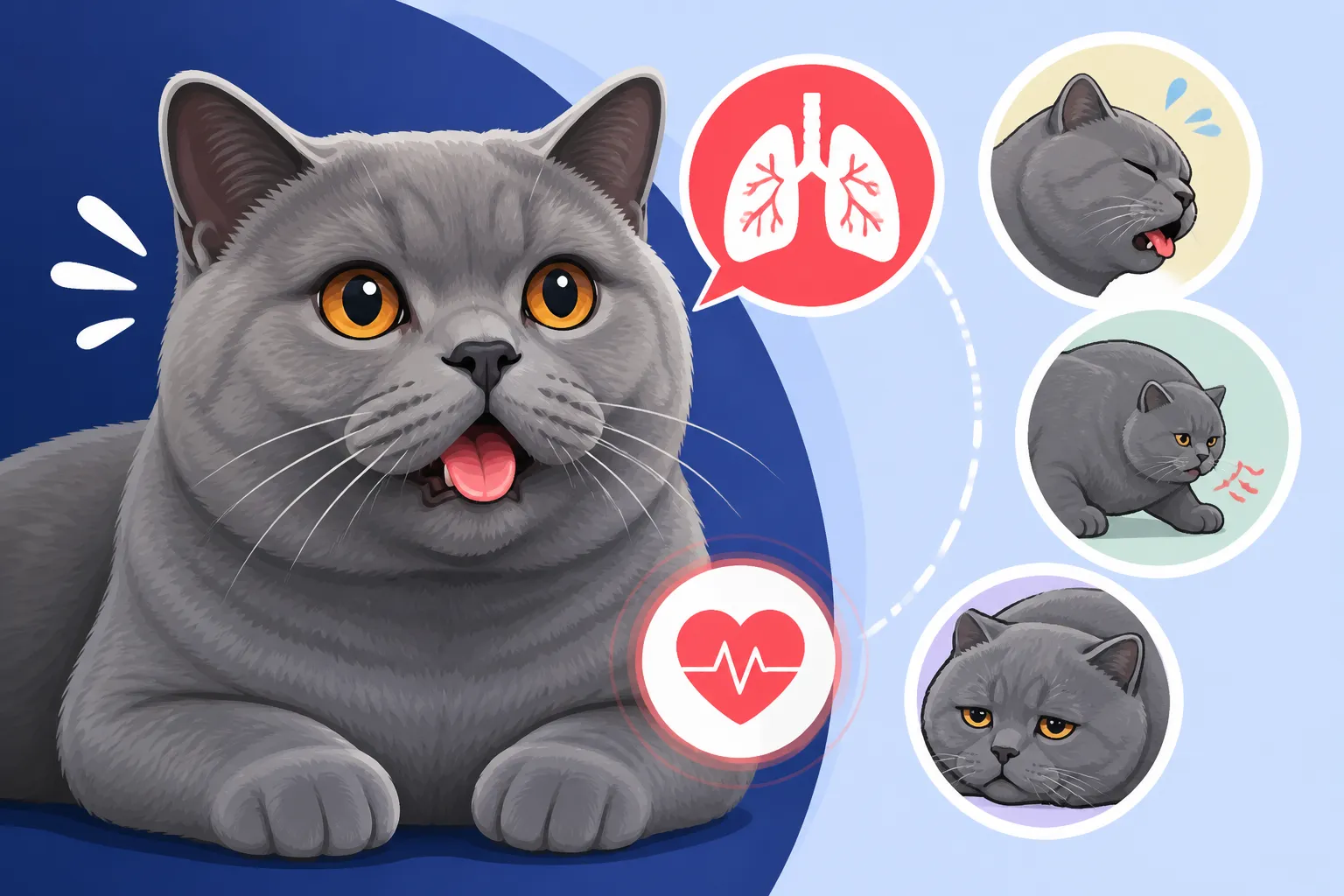
- Open-Mouth Breathing: Cats are obligate nasal breathers, meaning they primarily breathe through their noses. If your British Shorthair is breathing with an open mouth, it is almost always a sign of severe respiratory distress and should be considered an absolute emergency. Unlike dogs who pant to cool down, cats rarely pant unless they are critically ill, severely overheated, or under extreme stress. Never ignore open-mouth breathing in a cat.
- Panting: While less common than in dogs, if your British Shorthair is panting heavily, especially without having just exerted themselves significantly, it's a huge red flag. This can look like rapid, shallow breaths with their mouth open and tongue slightly out. It indicates a desperate attempt to get enough oxygen or to cool down if they are suffering from heatstroke. Both scenarios are emergencies.
Posture and Behavioral Indicators
Beyond the mechanics of breathing, a British Shorthair experiencing respiratory distress will often adopt specific postures or exhibit unusual behaviors to cope with their discomfort. These can be easier to spot than just counting breaths.
- Crouching or Straining: A common posture for a cat struggling to breathe is called an "orthopneic position." This is when they crouch down with their neck extended forward and their elbows splayed out from their body, almost like a lion resting. This posture helps open their airways and makes it easier for them to expand their lungs. You might also notice their head and neck stretching upwards, trying to reach for air.
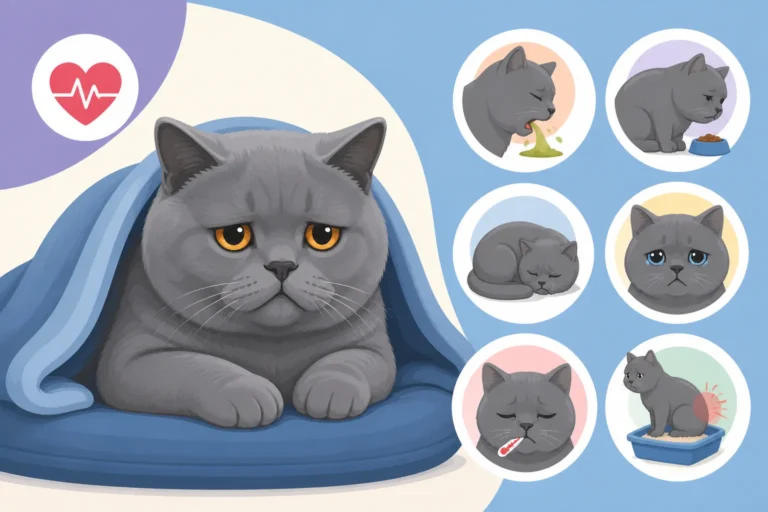
- Hiding or Lethargy: British Shorthairs are notoriously good at hiding pain and illness. If your usually social cat suddenly isolates themselves, hides in unusual spots, or becomes unusually lethargic and unwilling to move, this could be a sign they're feeling unwell, and if combined with any breathing changes, it's very concerning. Many owners have reported that their British Shorthair seems to go into hiding when they are feeling their worst, including when struggling with heart failure. For more on this, check out our article on Why a British Shorthair Hides Heart Failure.
- Reluctance to Move or Play: A cat struggling to breathe will conserve every bit of energy. They won't want to play, jump, or even walk across the room if it causes them further distress. If your British Shorthair, even typically a lower-energy breed, suddenly shows an extreme aversion to movement, consider it a serious sign. This lack of activity can sometimes be the only early indication before more overt breathing signs appear.
- Loss of Appetite: While a non-specific symptom, a sudden refusal to eat or drink can accompany respiratory distress. The effort of eating might be too much, or they might simply feel too unwell. If your cat stops eating, especially for more than 24 hours, it warrants a vet visit, and certainly if coupled with breathing changes.
Sounds and Visual Cues that Signal Trouble
Sometimes, it's not just the sight of labored breathing but the sounds associated with it, or even subtle changes in their physical appearance, that give us critical clues about what's going on. Learning to interpret these can make a huge difference in how quickly you seek help.
Abnormal Respiratory Sounds
A healthy cat’s breathing should be almost silent. Any distinct sounds accompanying inhalation or exhalation are red flags.
- Wheezing: If you hear a high-pitched, whistling sound when your British Shorthair breathes, especially when exhaling, it’s likely wheezing. This often indicates a narrowing of the airways, similar to what you’d hear in humans with asthma. Feline asthma is a real concern, and wheezing can range from subtle to quite loud. Don't dismiss it as just a temporary cough; persistent wheezing needs investigation.
- Crackles/Rales: These are wet, bubbly, or crackling sounds that you might hear when your cat breathes. They often suggest the presence of fluid in the lungs, a condition known as pulmonary edema. This can be a critical sign of a serious issue, such as congestive heart failure. Given the breed's predisposition to certain heart conditions, like Hypertrophic Cardiomyopathy (HCM), these sounds are particularly worrying. It's often one of the clear Signs a British Shorthair Has Heart Disease.
- Stridor: This is a harsh, high-pitched sound, typically heard on inhalation, indicating an obstruction in the upper airway (like the voice box or windpipe). It's usually louder and more severe than wheezing. Stridor often means there’s something physically blocking or narrowing the passage for air to get into the lungs.
- Coughing: While a single, occasional cough might just be a hairball, persistent, forceful, or moist coughing is concerning. If your British Shorthair is coughing frequently, or if the cough sounds "wet" or productive, it could be a sign of bronchitis, pneumonia, or even fluid in the lungs from heart disease. Pay attention to when they cough – is it after activity, during rest, or when waking up?
Changes in Mucous Membrane Color
The color of your cat's gums can be a direct indicator of their oxygenation levels and circulatory health. Checking their gums should be done carefully and gently to avoid causing further stress.
- Pale Gums: Healthy cat gums are a soft, bubblegum pink. If your British Shorthair's gums appear pale pink or even white, it could indicate anemia (a low red blood cell count) or poor circulation, meaning their tissues aren’t getting enough oxygenated blood. This is serious and warrants an immediate vet visit.
- Blue/Purple Gums (Cyanosis): This is an absolute medical emergency. If your cat's gums have a bluish or purplish tint, it means they are severely deprived of oxygen. Their tissues are not receiving enough oxygen, and every second counts. If you see this, get your cat to an emergency veterinarian immediately. There's no time to waste. To check, gently lift your cat’s upper lip. Their gums should be pink and moist. If they’re not, or if they’re dry and tacky, that’s also a sign of dehydration or shock.
Common Health Issues Causing Breathing Difficulties in British Shorthairs
It's natural to panic when you see your cat struggling to breathe, but understanding the common underlying causes in British Shorthairs can help you relay crucial information to your vet and better prepare for what might come next. This breed, while generally robust, does have some predispositions that can lead to respiratory issues.
Heart Conditions
Heart problems are a significant concern for British Shorthairs, and they are a primary cause of breathing difficulties.
- Hypertrophic Cardiomyopathy (HCM): This is the most common heart disease in cats, and unfortunately, British Shorthairs are one of the breeds genetically predisposed to it. HCM causes the muscular walls of the heart to thicken, particularly the left ventricle. This thickening makes it harder for the heart to pump blood effectively and can lead to fluid backing up into the lungs (pulmonary edema) or around the lungs (pleural effusion), both of which severely impair breathing. Owners often ask How Common HCM Is in British Shorthairs, and unfortunately, it's a concern many face. Regular veterinary check-ups and cardiac screenings, such as echocardiograms, are vital for early detection. We have a lot more information on What HCM Does to a British Shorthair's Heart and how crucial it is to get regular checks like How Often a British Shorthair Needs an Echo.
- Heart Failure: When HCM or other heart conditions progress, they can lead to congestive heart failure. This means the heart can no longer pump blood efficiently enough to meet the body's needs. Fluid buildup in and around the lungs is a classic symptom, leading to dyspnea, rapid breathing, and potentially coughing. Early diagnosis and management are key to improving your cat's quality of life and longevity.
Respiratory Ailments
Beyond heart issues, several primary respiratory diseases can make breathing a struggle for your British Shorthair.
- Feline Asthma: Much like in humans, cats can suffer from asthma, which is characterized by inflammation and narrowing of the airways. Symptoms include coughing, wheezing, and labored breathing. Attacks can be triggered by allergens like pollen, dust, or even certain cat litter dust. While it can be frightening to witness an asthma attack, medication can often manage the condition effectively.
- Pneumonia or Bronchitis: These are infections or inflammations of the lungs (pneumonia) or the bronchial tubes (bronchitis). They can be caused by bacteria, viruses, fungi, or even aspiration of foreign material. Symptoms often include coughing, fever, lethargy, loss of appetite, and significant difficulty breathing. Your vet will usually diagnose these through chest X-rays and may prescribe antibiotics or other supportive care.
- Pleural Effusion: This refers to the accumulation of fluid in the pleural space, which is the area between the lungs and the chest wall. This fluid compresses the lungs, making it very hard for your cat to inflate them fully. Pleural effusion can be a symptom of various underlying conditions, including heart failure, cancer, or infections, and it always requires immediate veterinary intervention to drain the fluid and address the root cause.
Other Contributing Factors
While heart and respiratory diseases are major culprits, other factors can worsen or contribute to breathing problems in British Shorthairs.
- Obesity: This is a particularly prevalent issue in British Shorthairs, who are prone to weight gain due to their calm nature and love for food. An overweight British Shorthair carries excess fat, including around their chest cavity and abdomen, which can restrict lung expansion and make breathing more difficult, especially during exertion or in warm weather. Obesity also puts added strain on their heart. Our article, Obesity Is the British Shorthair's Real Disease, delves deeper into this problem, explaining Why a British Shorthair Gains Weight So Easily. Managing your cat's weight is crucial for their overall health, including their respiratory system.
- Anemia: A significant drop in red blood cell count (anemia) means there are fewer cells to carry oxygen throughout the body. To compensate for this reduced oxygen-carrying capacity, the body tries to breathe faster and harder, leading to tachypnea. Anemia itself can be caused by various underlying issues, from chronic disease to parasites or blood loss.
- Stress/Anxiety: While typically not a cause of labored breathing (dyspnea), severe stress or anxiety can temporarily increase a cat's respiratory rate (tachypnea). If your cat is panting heavily or breathing rapidly purely due to fear (e.g., during a vet visit or car ride), it's usually without the visible effort seen in true respiratory distress. However, ongoing stress can weaken their immune system, making them more susceptible to other illnesses. Observing How a British Shorthair Behaves at the Vet can help you differentiate between stress-induced panting and genuine breathing difficulty.
When to Seek Immediate Veterinary Care
Recognizing the signs of breathing difficulty is only the first step; knowing when to act is paramount. With respiratory issues, time is often of the essence, and waiting can have serious, even fatal, consequences. When in doubt, it’s always better to err on the side of caution and contact your veterinarian.
Differentiating Urgency Levels
It can be hard to judge, but some signs unequivocally mean "go now," while others warrant an urgent call and appointment.
-
Emergency – Go to the Vet NOW: If you observe any of the following, do not hesitate; get your British Shorthair to the nearest emergency veterinary clinic immediately:
- Open-mouth breathing or persistent panting: This is never normal for a cat outside of extreme, stressful circumstances, and even then, it's a huge warning sign.
- Blue or purple gums (cyanosis): This indicates a severe lack of oxygen and is life-threatening.
- Extreme effort with each breath: Visible heaving of the chest and abdomen, or an orthopneic posture (crouching with neck extended, elbows out).
- Collapse or loss of consciousness: Any sudden collapse warrants immediate emergency care.
- Sudden onset of severe difficulty breathing: If your cat was fine minutes ago and is now struggling significantly.
-
Urgent Appointment – Call Your Vet: If you notice any of these signs, call your regular veterinarian right away and explain what’s happening. They may advise you to come in immediately or schedule you for the very next available slot:
- Persistent rapid breathing (tachypnea) at rest: If their respiratory rate is consistently over 30-40 breaths per minute while relaxed.
- New or worsening cough: Especially if it's frequent, forceful, or wet-sounding.
- Subtle wheezing or crackling sounds: If you can hear these, even faintly.
- Increased lethargy or hiding coupled with any subtle breathing changes: Remember, British Shorthairs hide illness well.
- Changes in appetite or behavior: If these accompany any minor breathing changes.
Preparing for a Veterinary Visit
When an emergency strikes, it's easy to forget crucial details. Having some information ready can help your vet quickly assess the situation.
- Gather Information: Be prepared to tell the vet:
- When did you first notice the signs?
- How frequent are they? Are they getting worse?
- What other symptoms has your cat been experiencing (e.g., coughing, lethargy, changes in eating/drinking)?
- Any recent changes in their environment, food, or medications?
- Any known underlying conditions, like HCM? (This is why knowing your cat's health history, including whether a breeder screens, is so important, as highlighted in What a British Shorthair Breeder Should Have Tested).
- Safe Transport: A cat in respiratory distress is already stressed. Use a secure, well-ventilated carrier. Cover the carrier with a light towel to reduce visual stimuli and create a sense of security. Drive carefully to avoid sudden stops or movements that could further upset your cat. If you have a long journey, ask your vet if there are any immediate first aid steps you can take.
- Financial Considerations: Emergency veterinary care can be costly. While your cat's health is the priority, it's a good time to consider how you manage these expenses. Pet insurance providers like Healthy Paws can be invaluable in these situations, helping to cover a significant portion of unexpected emergency bills. Planning for these eventualities, whether through insurance or an emergency fund, can alleviate some stress during a crisis. For more on the bigger picture of their health, consider topics like Whether the British Shorthair Is a Healthy Breed to understand potential issues.
Understanding British Shorthair Breathing Indicators
| Indicator | Normal British Shorthair | Concerning British Shorthair | Emergency British Shorthair |
|---|---|---|---|
| Respiratory Rate | 15-30 breaths per minute (at rest) | 30-40+ breaths per minute (at rest), persistent | 50+ breaths per minute (at rest) or open-mouth panting |
| Effort | Barely visible, gentle chest/abdomen movement | Slight, visible effort; abdominal muscles may contract | Extreme, visible heaving of chest and abdomen; struggling |
| Mouth Position | Always closed | Closed, but may pant occasionally if very stressed or hot | Open-mouth breathing, persistent panting |
| Body Posture | Relaxed, curled up, normal resting positions | Crouching with head/neck extended, elbows splayed (orthopneic position) | Orthopneic position, restlessness, or collapse |
| Sounds | Silent breathing | Occasional cough, mild wheezing, soft crackles | Persistent, forceful cough; loud wheezing, gurgling, or stridor |
| Gum Color | Pink and moist | Pale pink, slightly dry | White, blue, or purple (cyanotic) |
| Behavior | Calm, interactive, normal appetite | Lethargy, hiding, reluctance to move or play, decreased appetite | Extreme weakness, unresponsiveness, collapse |
Disclaimer
This article is intended for informational purposes only and is not a substitute for professional veterinary advice. If you have any concerns about your British Shorthair's health, please consult with a qualified veterinarian immediately. Early diagnosis and treatment are crucial for the best possible outcome.