What Hemophilia B Does to a British Shorthair
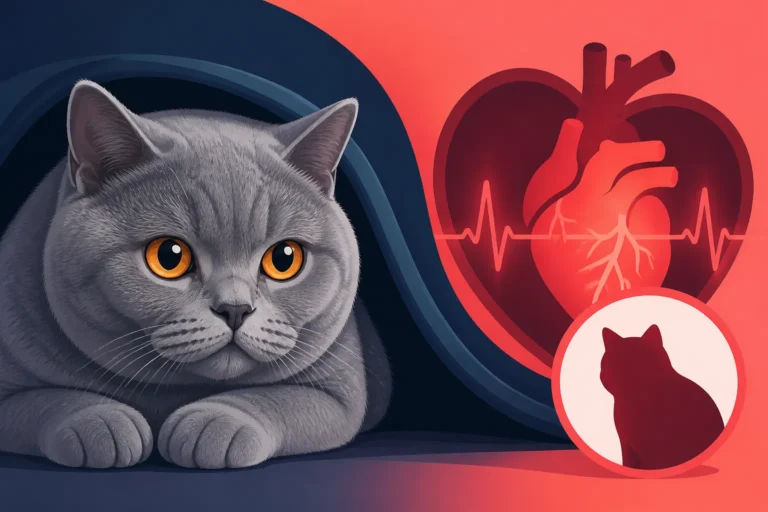
When you welcome a beautiful British Shorthair into your home, you envision years of quiet companionship, gentle purrs, and that iconic teddy bear gaze. What most new owners don't anticipate, however, is the daunting shadow of genetic diseases that can, unfortunately, lurk unseen. Among these, Hemophilia B is a particularly insidious condition that can turn minor bumps and scrapes into life-threatening emergencies. This guide is here to shed light on exactly what Hemophilia B does to a British Shorthair, from its genetic roots to the daily challenges and crucial management strategies.
Understanding Hemophilia B in British Shorthairs
Hemophilia B is a serious inherited bleeding disorder, and for British Shorthair owners, it's a concern that demands attention and understanding. It’s not just a general propensity to bleed; it's a very specific defect in the blood clotting cascade that can have profound effects on a cat's quality of life and longevity. Imagine your beloved furry companion, whose calm demeanor usually means they're prone to relaxing rather than roughhousing, suddenly facing a crisis from something as simple as a playful tumble. That's the stark reality for cats affected by Hemophilia B.
What is Factor IX Deficiency?
At its core, Hemophilia B in British Shorthairs is a deficiency of Factor IX, one of the crucial proteins required for blood coagulation. When an injury occurs, a complex chain reaction involving various clotting factors is supposed to kick in, forming a stable clot to stop the bleeding. In a cat with Factor IX deficiency, this chain reaction is broken or severely impaired. Factor IX, also known as Christmas factor, plays a vital role in the intrinsic pathway of coagulation, meaning it’s involved in the initial steps that lead to clot formation. Without enough functional Factor IX, the blood struggles to form a robust and lasting clot, leading to prolonged and often severe bleeding.
This isn't just about external cuts taking longer to stop. It's about the entire internal system being compromised. Think about how many tiny capillaries or minor vessels might rupture during a normal day of jumping off the sofa or even just stretching a bit too vigorously. For a healthy cat, these minor events are non-issues, quickly resolved by the body's efficient clotting mechanisms. But for a British Shorthair with Hemophilia B, each of these small traumas carries the risk of internal hemorrhage, bruising, and hematoma formation that can go unnoticed until it's too late. It’s a constant, silent threat that owners need to be acutely aware of.
Why British Shorthairs Are Susceptible
While Hemophilia B can affect other breeds, British Shorthairs have been identified as one of the breeds with a known predisposition to this specific type of hemophilia. This susceptibility isn't random; it's a direct result of how the breed lines were developed and maintained over generations. Like many purebred animals, British Shorthairs have a relatively closed gene pool, which can unfortunately concentrate certain genetic mutations within the population. If a breeding cat carries the gene for Factor IX deficiency, and breeders aren't meticulously screening for it, the trait can inadvertently spread.
The issue became particularly apparent as genetic testing advanced, allowing breeders to identify carriers more reliably. Before such tests were widely available, even responsible breeders might unknowingly pass on the gene because carrier females often show no signs of the disease themselves. This highlights the ongoing challenge in managing genetic health in beloved breeds like the British Shorthair. It's not about blaming any particular breeder or cat; it's about acknowledging a historical reality and taking proactive steps today to mitigate the risk for future generations. The British Shorthair's serene nature often means they mask illness exceptionally well, which makes detecting conditions like Hemophilia B even harder without proper screening.
The Genetics Behind British Shorthair Hemophilia B
Understanding the genetic mechanism of Hemophilia B is absolutely crucial for both owners and breeders. This isn't a disease that just appears out of nowhere; it's passed down through generations in a predictable, albeit complex, fashion. The inheritance pattern dictates who is affected, who carries the trait without showing symptoms, and how it can be prevented from spreading further within the breed. It's not enough to simply know a cat has hemophilia; you need to grasp why it has it.
The X-Linked Recessive Inheritance Pattern
Hemophilia B is an X-linked recessive disorder. What does that mean in practical terms for your British Shorthair? It means the faulty gene responsible for the Factor IX deficiency is located on the X chromosome. Females have two X chromosomes (XX), while males have one X and one Y chromosome (XY). Because the trait is recessive, a female would need to inherit two copies of the faulty gene (one on each X chromosome) to be affected by the disease. This is extremely rare. More commonly, females will inherit one faulty X chromosome and one healthy X chromosome, making them carriers. A carrier female typically doesn't show any signs of the disease because her healthy X chromosome produces enough Factor IX to compensate.
For males, however, the situation is entirely different and far more precarious. Since males only have one X chromosome, if they inherit the faulty gene on that single X chromosome, there's no healthy X to compensate. Consequently, they will almost certainly be affected by Hemophilia B. This is why you'll overwhelmingly see males exhibiting the symptoms of this condition, while females are usually silent carriers. It's a cruel twist of genetics that places the burden of the disease squarely on the shoulders of the male British Shorthairs in an affected lineage.
Carriers, Affected Males, and Unaffected Females
Let's break down the implications of this X-linked recessive pattern with a few scenarios:
- Affected Males: These are the British Shorthairs who inherit the single faulty X chromosome and, therefore, develop the symptoms of Hemophilia B. Their Factor IX levels will be significantly reduced, leading to bleeding problems. They cannot pass the disease to their sons (as they pass a Y chromosome), but they will pass the faulty X chromosome to all of their daughters, making every single one of them a carrier. This is an important distinction when considering breeding.
- Carrier Females: As mentioned, these females carry one faulty X chromosome and one normal X chromosome. They are usually asymptomatic, meaning they appear perfectly healthy and often live normal lives without any bleeding issues. However, every time they have kittens, there's a 50% chance that each male kitten will inherit the faulty X chromosome and be affected, and a 50% chance that each female kitten will inherit the faulty X and become a carrier herself. Identifying these carrier queens is paramount in preventing the spread of Hemophilia B.
- Unaffected Females: These British Shorthair females have two healthy X chromosomes and are completely free of the Hemophilia B gene. They cannot develop the disease and cannot pass it on to their offspring.
- Unaffected Males: These males have a healthy X chromosome and are also free of the gene. They cannot develop the disease nor pass it on.
The challenge lies in the fact that carrier females look and act just like unaffected females. Without specific genetic testing, there's no way to differentiate them, making careful breeding practices and genetic screening absolutely vital. This is why a prospective owner should always ask a British Shorthair breeder to show genetic test results for their breeding cats, specifically for conditions like Hemophilia B. Knowing "Which Lab Runs the British Shorthair Hemophilia Test" can also be helpful for discerning owners.
Recognizing the Signs of Hemophilia B
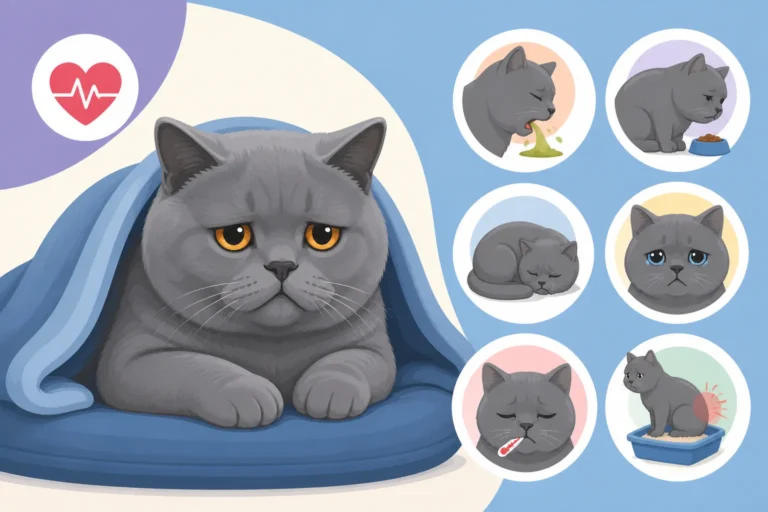
For an owner, particularly one new to the British Shorthair breed, recognizing the signs of Hemophilia B can be incredibly challenging. These cats are known for their stoic nature and their ability to hide discomfort, making subtle symptoms easy to miss. You might simply attribute a general lethargy to their famously calm disposition, when in fact, it could be a warning sign of internal bleeding. Vigilance and a keen eye for changes in behavior are key, but knowing what specific physical manifestations to look for is even more critical.
Mild to Severe Bleeding Episodes
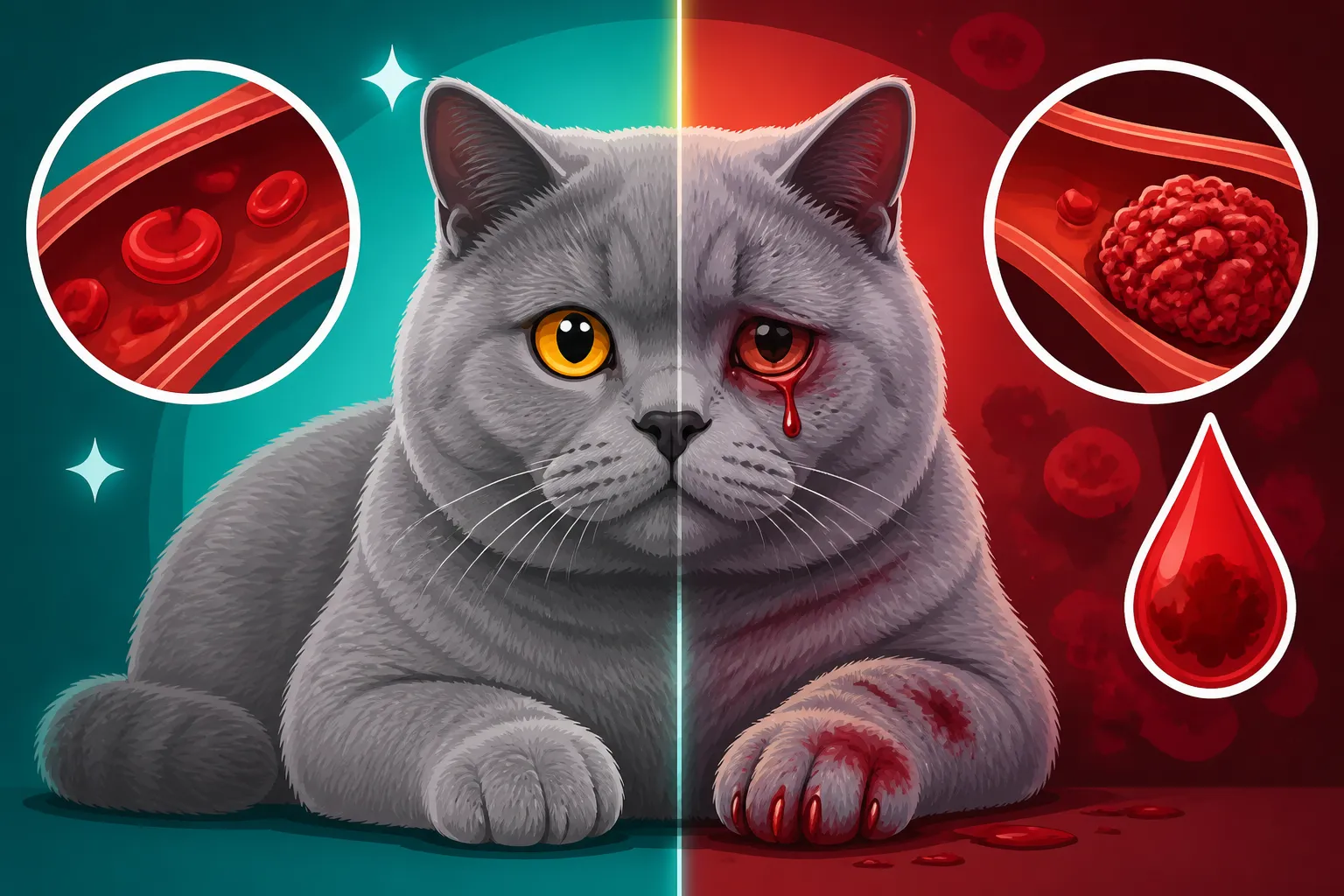
The severity of bleeding episodes in British Shorthairs with Hemophilia B can vary widely, depending on the residual level of Factor IX activity in their blood. Some cats might have mild deficiencies and only experience problems after significant trauma or surgery, while others with very low Factor IX levels might suffer from spontaneous, severe bleeding.
Common external signs can include:
- Prolonged bleeding from minor cuts: Even a tiny scratch from a sharp toy or a broken nail can bleed excessively and for an extended period, far beyond what you'd expect in a normal cat.
- Excessive bruising: You might notice large, discolored areas on their skin, often without a clear memory of an injury occurring. These bruises are hematomas, collections of blood under the skin, and can sometimes feel lumpy or swollen.
- Bleeding during tooth loss or dental procedures: Kittens losing baby teeth or adults undergoing a routine dental cleaning can experience significant, uncontrollable bleeding. This is a common trigger for diagnosis in mildly affected cats.
- Bleeding into joints (Hemarthrosis): This is particularly painful and can manifest as lameness, swelling, and reluctance to move a limb. Your cat might suddenly avoid jumping or climbing, favoring a particular leg.
- Bleeding from mucous membranes: Nosebleeds (epistaxis), bleeding gums, or blood in the urine or stool can also be indicators. While these can be signs of other conditions, in a cat with a bleeding disorder, they warrant immediate attention.
It’s the hidden internal bleeding that often poses the greatest threat. A minor internal injury could lead to a slow leak of blood into body cavities, gradually causing weakness and other non-specific symptoms that might not immediately scream "bleeding disorder."
How Hemophilia B Shows in a British Shorthair Kitten
The presentation of Hemophilia B often begins in kittenhood, though the exact timing can vary. For a breeder or a new owner, subtle cues can be easily overlooked. Some kittens might seem weaker or less energetic than their littermates, but this isn't always obvious. A critical time when "How Hemophilia B Shows in a British Shorthair Kitten" becomes painfully clear is during procedures like neutering or spaying.
Consider a young male British Shorthair kitten, perhaps around four to six months old, going in for his routine neuter. For a normal kitten, this is a straightforward procedure with minimal blood loss. For a hemophiliac kitten, however, the surgical incision, even a small one, can result in persistent, uncontrollable bleeding both during and after the operation. This post-operative hemorrhage can be life-threatening and often leads to the first definitive diagnosis of the condition. This is why understanding "Why British Shorthair Hemophilia Shows Up After Neutering" is so important – it’s a high-risk moment for diagnosis. Similarly, rough play with littermates, small falls, or even routine vaccinations can trigger noticeable bruising or localized bleeding that raises a red flag. Any kitten that seems to bruise more easily, or has bleeding that doesn't stop quickly from minor wounds, should be thoroughly investigated.
Internal Bleeding and Hidden Dangers
Beyond the visible signs, the most frightening aspect of Hemophilia B is the potential for internal bleeding. Unlike an external wound you can see and apply pressure to, internal hemorrhages can go undetected until they reach a critical stage. This bleeding can occur into various body cavities or organs, leading to a host of non-specific and sometimes confusing symptoms.
For example, bleeding into the abdominal cavity (hemoabdomen) might present as a swollen abdomen, lethargy, loss of appetite, pale gums, and increased heart rate. Bleeding into the chest cavity (hemothorax) can cause difficulty breathing, rapid shallow breaths, and a bluish tint to the gums due to lack of oxygen. Bleeding into muscles can lead to painful swelling, stiffness, and lameness that might be mistaken for a sprain or injury. Even something as subtle as ongoing blood loss from the gastrointestinal tract can cause chronic anemia, leading to persistent fatigue and weakness that an owner might simply attribute to the cat's generally laid-back nature.
The insidious nature of these hidden bleeds means that regular veterinary check-ups are even more critical for at-risk British Shorthairs. Owners must be hyper-aware of any changes in their cat's energy levels, appetite, breathing patterns, or mobility, as these could signal a serious internal event. When it comes to internal bleeding, time is often of the essence, and delayed intervention can have devastating consequences.
Diagnosing Hemophilia B in British Shorthairs
Suspecting Hemophilia B in your British Shorthair is the first step, but confirming it requires specific veterinary expertise and diagnostic tests. It’s not something a quick glance or a routine check-up can definitively identify, especially in carrier females or mildly affected males. The diagnostic process involves a combination of clinical observation, specialized blood tests, and, crucially, genetic analysis.
Initial Veterinary Examination and Blood Work
When you bring your British Shorthair to the vet with concerns about unusual bleeding or bruising, the initial examination will be thorough. Your veterinarian will take a detailed history, asking about any specific incidents, how long bleeding lasts, and if any other cats in the household or family lineage have had similar issues. They will perform a physical exam, looking for signs of bruising, swelling, joint pain, or pallor of the mucous membranes.
Standard blood work, such as a complete blood count (CBC), will often be one of the first steps. A CBC can reveal anemia, which would indicate ongoing or significant blood loss. However, general blood tests won't tell you why the blood isn't clotting properly. To pinpoint the problem, more specific tests are required. It's important to remember that even if routine blood work looks normal, it doesn't rule out a clotting disorder, especially in a cat that only experiences problems with significant trauma.
Specific Coagulation Tests
To diagnose a specific clotting factor deficiency like Hemophilia B, veterinarians rely on specialized coagulation tests. These tests assess different parts of the blood clotting cascade to identify where the breakdown is occurring.
The most important tests for Hemophilia B include:
- Activated Partial Thromboplastin Time (aPTT): This test measures the efficiency of the intrinsic and common pathways of the coagulation cascade. In cats with Factor IX deficiency, the aPTT will typically be prolonged, meaning their blood takes longer to clot in this specific test. A prolonged aPTT is a strong indicator of a potential Factor IX deficiency or other issues within those pathways.
- Factor IX Assay: This is the definitive test for Hemophilia B. A Factor IX assay directly measures the activity level of Factor IX in the cat's blood plasma. A significantly reduced level of Factor IX activity confirms the diagnosis of Hemophilia B. This test is usually performed at a specialized veterinary coagulation laboratory, as it requires specific equipment and expertise.
It's important to note that a prolonged aPTT alone is not enough for a definitive diagnosis, as other clotting factor deficiencies can also prolong it. The Factor IX assay is essential to confirm that it is indeed Factor IX deficiency (Hemophilia B) and not another type of hemophilia or bleeding disorder. The cost of these specialized tests can add up, making pet insurance from providers like Healthy Paws a valuable consideration for British Shorthair owners.
Genetic Testing for Confirmation and Carriers
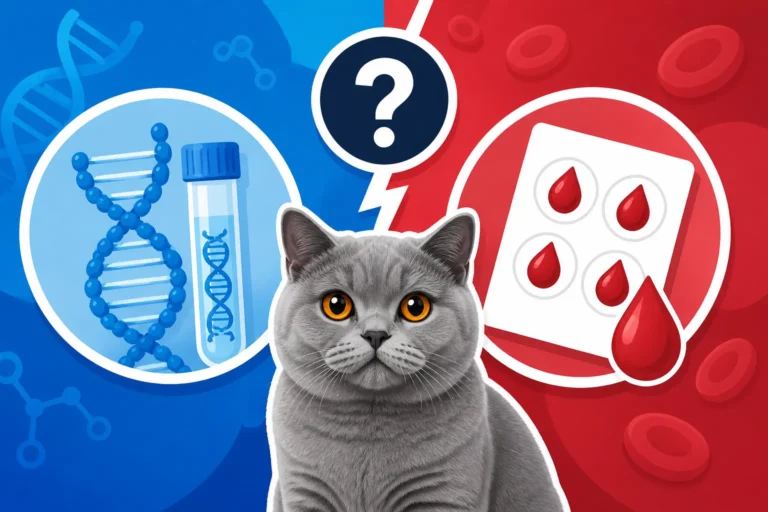
While coagulation tests can confirm an affected British Shorthair, genetic testing is absolutely invaluable, especially for identifying carrier females. Since Hemophilia B is an inherited condition, identifying the specific genetic mutation responsible for Factor IX deficiency allows for precise diagnosis and, more importantly, informs breeding decisions.
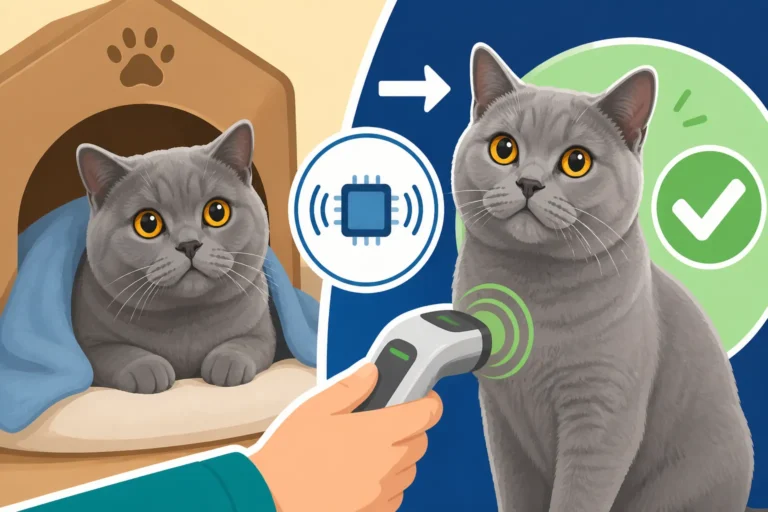
Genetic tests involve collecting a simple cheek swab or blood sample from the cat. The DNA is then analyzed to detect the presence of the specific mutation linked to Hemophilia B. The results will typically classify a cat as:
- Clear/Normal: No copies of the mutated gene detected. The cat is neither affected nor a carrier.
- Carrier: One copy of the mutated gene detected. The cat is usually asymptomatic but can pass the gene to offspring.
- Affected: Two copies of the mutated gene (for females, extremely rare) or one copy for males (as it's X-linked). The cat will exhibit symptoms of Hemophilia B.
Genetic testing is crucial for breeders who want to ensure they are not inadvertently producing affected kittens. It allows them to identify carrier queens and make informed decisions about breeding pairings to avoid passing the gene on. For owners of a pet British Shorthair, knowing their cat's genetic status can help them understand potential health risks and prepare for future care. Knowing "Whether a DNA Test for British Shorthair Hemophilia Exists" is fundamental to tackling this issue head-on.
Managing and Living with Hemophilia B
Receiving a diagnosis of Hemophilia B for your British Shorthair can be incredibly daunting. It means facing a lifelong challenge that requires careful management, vigilance, and often, significant adjustments to your cat's lifestyle and environment. While there's no cure for Hemophilia B, understanding how to manage it can ensure your beloved companion has the best possible quality of life. This isn't just about reacting to emergencies; it's about proactive care and creating a safe haven.
Emergency Care for Bleeding Episodes
Despite all preventative measures, bleeding episodes are an unfortunate reality for many British Shorthairs with Hemophilia B. Knowing how to respond in an emergency is paramount.
- Immediate Veterinary Attention: Any significant or prolonged bleeding, severe lameness, or signs of internal bleeding (such as pale gums, lethargy, difficulty breathing, or a swollen abdomen) warrants an immediate trip to the emergency veterinarian. Do not delay, as rapid intervention can be life-saving.
- Supportive Care: At the vet, emergency treatment will focus on stabilizing your cat. This often involves managing shock, providing pain relief, and controlling the bleeding. For external wounds, pressure might be applied, or sutures used carefully.
- Blood or Plasma Transfusions: The most effective immediate treatment for a severe bleeding episode is often a transfusion of fresh frozen plasma (FFP) or cryoprecipitate. These blood products contain the missing Factor IX, directly providing the clotting factor your cat desperately needs. In cases of significant blood loss, a whole blood transfusion might also be necessary to address anemia. These treatments are not without risk and can be quite costly, so it's wise to discuss these possibilities with your vet, especially if your cat is covered by a pet insurance plan like Healthy Paws.
- Minimizing Further Trauma: During and after an emergency, extreme care must be taken to prevent further injury. Your vet might recommend strict cage rest and gentle handling to allow clots to stabilize and healing to begin.
These situations are stressful and emotionally draining, but a prepared owner, knowing what to expect and what actions to take, can make a crucial difference in their cat's outcome.
Long-Term Management and Lifestyle Adjustments
Living with a British Shorthair that has Hemophilia B means making specific adjustments to their daily life to minimize the risk of injury and bleeding.
- Creating a Safe Environment:
- Indoor Only: Absolutely no outdoor access. The risks of falls, fights, or encountering sharp objects are simply too high for a hemophiliac cat.
- Soft Surroundings: Pad sharp corners on furniture. Avoid overly tall cat trees from which your cat could fall. Consider ramps instead of jumps for accessing favorite high spots.
- Gentle Play: Opt for soft toys and avoid aggressive games that could lead to rough impacts. Laser pointers or puzzle feeders can be good options for enrichment that minimize physical strain. For ideas on getting a low-energy British Shorthair to move safely, consult resources like "Getting a Low Energy British Shorthair to Move".
- Careful Handling: Always handle your cat gently, supporting their full body. Avoid rough petting or sudden movements that could cause injury. If you have children or other pets, educate them on the importance of gentle interaction.
- Routine Care Modifications:
- Nail Trims: Be extra cautious when trimming nails to avoid cutting into the quick. Using a styptic powder readily available is a must.
- Dental Health: Regular dental care is crucial to prevent gingivitis, which can lead to bleeding. However, any dental procedures must be planned carefully with your vet, potentially requiring pre-treatment with Factor IX or plasma.
- Weight Management: Keeping your British Shorthair at a healthy weight is vital. Excess weight puts additional strain on joints, increasing the risk of joint bleeds (hemarthrosis) and making movement more cumbersome. Obesity is a common concern in the breed; resources like "Obesity Is the British Shorthair's Real Disease" underscore this.
These lifestyle adjustments are a commitment, but they are essential for protecting your British Shorthair from potentially fatal bleeding episodes.
Medications and Supportive Therapies
While Factor IX concentrate, the human equivalent of Factor IX, is often used in human hemophiliacs, it's not as readily available or affordable for feline patients. However, there are still crucial medical approaches to manage Hemophilia B.
- Fresh Frozen Plasma (FFP): As mentioned, FFP is the cornerstone of treatment during acute bleeding crises. It provides the necessary Factor IX to aid clotting. Some owners with severely affected cats might even explore having FFP on hand or learning how to administer it subcutaneously, though this is rare and highly specialized.
- Cryoprecipitate: This blood product is derived from plasma and contains higher concentrations of certain clotting factors, including Factor VIII, von Willebrand factor, and fibrinogen, but Factor IX is not enriched here. While FFP contains Factor IX, if Factor IX concentrate were available, it would be superior.
- Antifibrinolytic Drugs: Medications like aminocaproic acid or tranexamic acid can help stabilize clots once they form by inhibiting the body's natural clot-breaking processes. These can be useful adjuncts, particularly for mucosal bleeding.
- Pain Management: Bleeding into joints or muscles is incredibly painful. Your vet will prescribe appropriate pain relief, being very cautious with NSAIDs (non-steroidal anti-inflammatory drugs) as many of these can further impair platelet function and worsen bleeding.
- Iron Supplements: Chronic, low-level bleeding can lead to iron deficiency anemia. Your vet might recommend iron supplements if this is a concern, though addressing the underlying bleeding is always the primary goal.
Managing Hemophilia B is a continuous partnership with your veterinarian. Regular check-ups are essential to monitor your cat's overall health and discuss any new symptoms or concerns. For information on insuring a British Shorthair, which is highly recommended for cats with chronic conditions, you can refer to "Insuring a British Shorthair".
Breeding Considerations and Prevention
For responsible British Shorthair breeders, managing and ultimately eradicating Hemophilia B from their lines is a paramount ethical duty. The X-linked recessive nature of the disease means that carrier females can silently pass on the gene for generations, making proactive screening and careful breeding practices non-negotiable. It's a long-term commitment to the health of the breed, not just individual cats.
Screening Breeding Stock for Hemophilia B
The single most effective way to control and reduce the incidence of Hemophilia B in British Shorthairs is through comprehensive genetic screening of all potential breeding animals. This means both male and female cats intended for breeding should undergo DNA testing for the specific Hemophilia B mutation.
- Testing All Parents: Before any breeding takes place, both the queen and the stud should be tested. If either cat is a carrier, or if the male is affected (though affected males typically shouldn't be bred), then breeding choices must be made very carefully.
- Identifying Carriers: The genetic test will clearly identify carrier females. Since these females are usually healthy themselves, without testing, they would continue to unknowingly pass the faulty gene to their offspring. A breeder's responsibility is to prevent the birth of affected kittens and to stop the proliferation of carriers.
- Maintaining Records: Reputable breeders maintain meticulous records of their cats' health tests, including Hemophilia B status, and are transparent about these results with prospective kitten buyers. They should be able to provide documentation, not just verbal assurances. As an owner, you should always ask "What a British Shorthair Breeder Should Have Tested" and expect to see proof.
- Regular Retesting: While DNA tests are generally one-time, for some health conditions, occasional retesting or confirmation might be wise, especially if new mutations are discovered or breeding lines are introduced. For Hemophilia B, the DNA test is usually definitive.
This rigorous screening process might seem like an extra burden, but it is an investment in the long-term health and integrity of the British Shorthair breed. It helps ensure that the beautiful, calm kittens going to new homes are as healthy as possible.
Ethical Breeding Practices
Once a breeder identifies carriers or affected cats, ethical breeding practices dictate a clear path forward. The goal is to eliminate the disease gene from the breeding pool while maintaining genetic diversity.
- Avoid Breeding Affected Cats: Males diagnosed with Hemophilia B should absolutely not be used for breeding. While they would pass the faulty X chromosome to all their daughters, making them carriers, the ethical concern is primarily for their own well-being and preventing the continuation of severe suffering.
- Strategic Breeding with Carriers: This is where it gets nuanced. If a valuable breeding female is identified as a carrier, the most responsible approach is often to remove her from the breeding program entirely. However, if she possesses exceptional qualities (temperament, type) that are otherwise beneficial to the breed, some breeders might consider one carefully planned mating with a clear/normal male to produce only clear or carrier offspring. All offspring from such a mating would then need to be genetic tested themselves. Any kittens identified as carriers would then be spayed or neutered and sold as pets with strict non-breeding contracts. This complex approach requires immense transparency and commitment to testing every single kitten from such a litter. In most cases, it's safer and more straightforward to remove carrier cats from breeding programs to avoid propagating the gene. Knowing "Whether Two British Shorthair Hemophilia Carriers Should Be Bred" is a critical ethical question.
- Prioritizing Health Over Aesthetics: Ethical breeding means prioritizing the health and welfare of the cats over specific aesthetic traits or show wins. While a beautiful British Shorthair is desirable, a beautiful but unhealthy one is not.
- Transparency with Buyers: Reputable breeders will always be upfront about the health status of their breeding cats and any known genetic issues in their lines. They should provide health guarantees and detailed information about what genetic tests have been performed. This allows prospective owners to make informed decisions about their kitten, recognizing the potential risks and costs involved in caring for a cat with special needs.
Whether a British Shorthair Hemophilia Carrier Bleeds
A common question that arises is, "Whether a British Shorthair Hemophilia Carrier Bleeds?". The answer, thankfully, is usually no. Because of the X-linked recessive nature of Hemophilia B, female carriers possess one healthy X chromosome that typically produces enough Factor IX to ensure normal blood clotting. This is why carrier females usually appear perfectly healthy and lead normal, symptom-free lives. They don't experience the prolonged bleeding, bruising, or internal hemorrhages that affected males do.
This asymptomatic nature of carriers is precisely why the disease can persist and spread within a breed if breeders aren't vigilant with genetic testing. A carrier queen looks and acts just like any other healthy British Shorthair queen, making it impossible to identify her as a potential risk without a DNA test. However, while carriers generally don't bleed, it's always wise to inform your veterinarian of your cat's carrier status, even if they are a pet. In very rare circumstances, with extreme stress or trauma, or if there's a unique genetic interaction, a carrier might show very mild, transient issues, but this is far from the severe presentation seen in affected males. The primary concern with a carrier is her ability to pass the faulty gene to her offspring, particularly her male kittens who would then be affected.
| Feature / Status | Affected Male British Shorthair | Carrier Female British Shorthair | Unaffected British Shorthair (Male/Female) |
|---|---|---|---|
| Genetic Makeup | One X chromosome with faulty gene (XY) | One X with faulty gene, one X normal (XX) | Both X chromosomes normal (XX) or normal X and Y (XY) |
| Factor IX Level | Significantly reduced activity | Usually sufficient for normal clotting (compensated) | Normal activity |
| Symptoms | Severe bleeding, easy bruising, internal hemorrhages | Typically asymptomatic; appears healthy | No bleeding disorder symptoms |
| Ability to Breed | Should NOT be bred | Can pass faulty gene to offspring; breeding discouraged or done with extreme caution | Can be safely bred (for Hemophilia B) |
| Offspring Risk | All daughters become carriers; no sons affected | 50% male offspring affected; 50% female offspring carriers | No offspring affected or become carriers for Hemophilia B |
| Diagnosis | Prolonged aPTT, low Factor IX assay, positive DNA test | Normal aPTT, normal Factor IX assay, positive DNA test (carrier status) | Normal aPTT, normal Factor IX assay, negative DNA test |
| Lifetime Care | Requires careful management, emergency readiness | Normal care, but should be spayed if a pet | Normal care |
Disclaimer
The information provided in this article is intended for general informational and educational purposes only, and should not be considered as a substitute for professional veterinary advice, diagnosis, or treatment. Always seek the advice of your veterinarian or other qualified animal health provider with any questions you may have regarding a medical condition or the health and welfare of your British Shorthair. Never disregard professional veterinary advice or delay in seeking it because of something you have read in this article.