Whether the British Blue Is a Separate Breed From the British Shorthair
It’s a common scenario: you’re admiring a gorgeous, plush-coated cat with those distinctive round cheeks and deep amber eyes, and someone excitedly exclaims, "Look, a British Blue!" There’s a widespread belief that the "British Blue" is a breed all its own, distinct from the broader British Shorthair family. This misunderstanding can lead to a lot of confusion for prospective owners, breeders, and even general cat enthusiasts trying to navigate the fascinating world of pedigreed felines. This guide aims to clear up that very common misconception, explaining that the "British Blue" is not a separate breed, but rather a specific, incredibly popular color variety within the much larger, wonderfully diverse British Shorthair breed.
The Enduring Misconception: Unpacking "British Blue"
The idea that a "British Blue" is its own distinct breed is deeply ingrained in popular culture and casual conversation. You hear people talk about them as if they are entirely separate entities, sometimes even asking if a cat is a "British Blue or a British Shorthair." It's a natural assumption given how iconic the blue coloration has become for the breed, but it's fundamentally incorrect. The British Shorthair is the breed, and blue is simply one of its many beautiful coat colors.
What "British Blue" Historically Meant
Back in the early days of cat fancy, when breeds were first being established and standards written, cat colors played a much more significant role in how specific varieties were identified. For a time, the blue British Shorthair was so prominent and so universally recognized that the term "British Blue" essentially became a shorthand for the entire breed. It was much like how some people might refer to all tissues as "Kleenex" or all adhesive bandages as "Band-Aids." The most famous and visible example often became synonymous with the whole category.
This historical context cemented the "British Blue" in the public consciousness, especially because this was the color that dominated early cat shows and advertisements. For generations, if you pictured a British Shorthair, you likely pictured one with that dense, uniform blue-grey coat and striking copper eyes. This strong visual association, coupled with the early emphasis on color, contributed to the persistent myth that it was a separate breed rather than just a specific color variant. It also didn't help that other "blue" breeds, like the Russian Blue or the Chartreux, are distinct breeds where blue is the only or primary acceptable color, further blurring the lines for casual observers. How a British Shorthair Differs From a Russian Blue is a great read if you want to understand these distinctions better.
The Modern Understanding of British Shorthair Colors
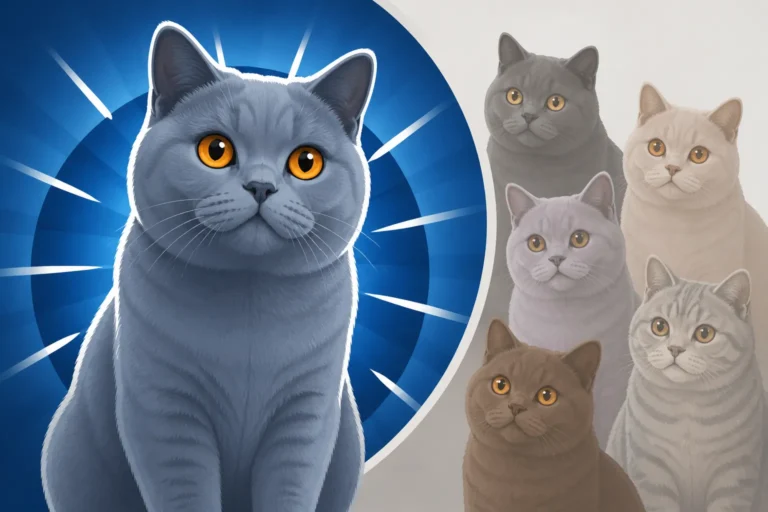
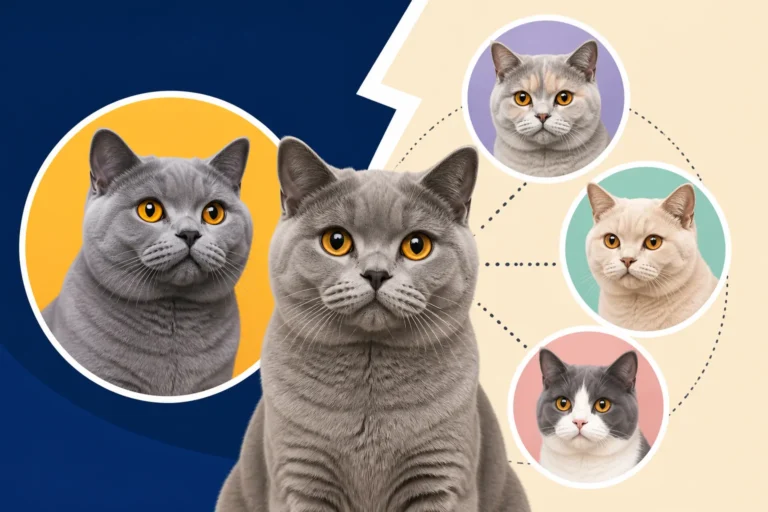
In the modern cat fancy world, and among reputable British Shorthair breeders, the distinction is very clear. The breed is the British Shorthair, and it encompasses a vast array of colors and patterns. Blue is simply one of them, albeit the most famous. Think of it like a specific shade of paint within a paint company’s catalog; the paint company is the British Shorthair breed, and "blue" is just one of the many color options available.
Breed standards from major registries like The International Cat Association (TICA) or the Cat Fanciers' Association (CFA) clearly list blue as just one of the many recognized colors for the British Shorthair. There's no separate registry or standard for a "British Blue" breed because it doesn't exist. It's akin to saying a "Black Labrador" is a separate breed from a "Yellow Labrador." They are all Labradors; their coat color is merely a descriptor. Understanding this nuance is crucial for anyone looking to bring a British Shorthair into their home, as it opens up a world of stunning variations beyond just the classic blue.
The Rich Palette of the British Shorthair Breed
While the blue variant holds a special place in many hearts, the British Shorthair breed is a true artist's palette, boasting an incredible range of colors and patterns that often surprise people who are only familiar with the iconic blue. From solid creams to exotic colorpoints, there's a British Shorthair to match nearly any aesthetic preference. This diversity is one of the breed's many charms, ensuring that while the temperament and structure remain consistent, the visual appeal can vary dramatically.
Beyond the Blue: A Spectrum of Shades
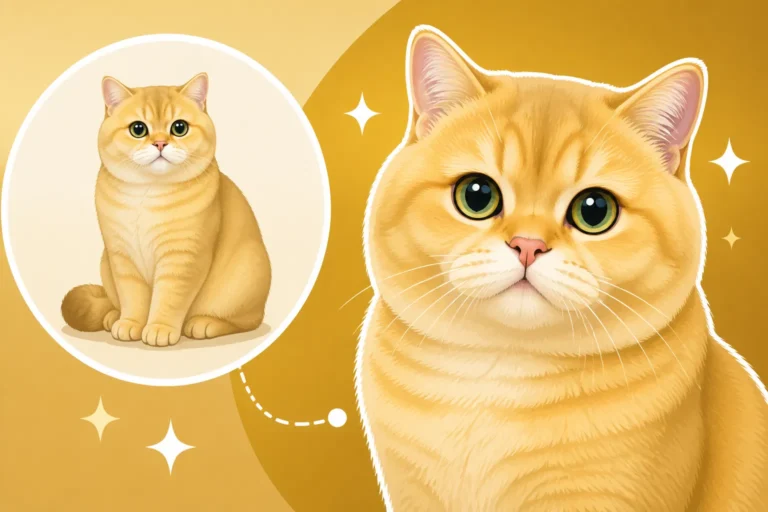
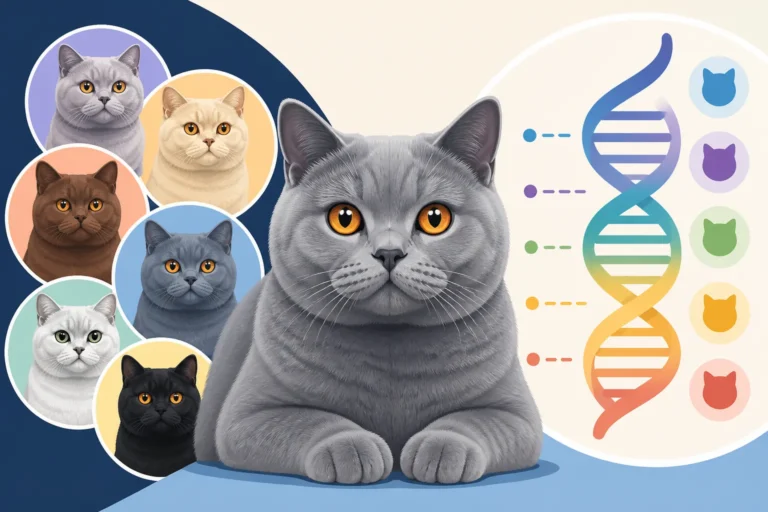
The British Shorthair comes in a truly impressive array of solid colors. Beyond the famous blue, you'll find elegant solid blacks, pristine whites (which can sometimes carry a gene for deafness, something to be aware of!), and rich chocolates that are deep and luxurious. Lilac British Shorthairs offer a beautiful pinkish-grey hue, often described as a warm, dove-grey, which is incredibly sophisticated. Then there are the reds and creams, vibrant and warm, often showcasing the breed's soft, dense coat to perfection. Imagine a creamy British Shorthair lounging on a sofa – utterly charming!
These solid colors are all bred to the same high standards as the blue, featuring the same cobby body, round head, and plush coat. Their eye color will typically complement their coat, with copper or gold eyes being standard for most solid colors, though sometimes green or blue eyes appear in certain specific variations like white or colorpoint. It's truly fascinating to see Which Colors a British Shorthair Comes In and how each shade impacts the overall appearance of these magnificent cats.
Patterns and Markings You Might Not Expect
If you think solid colors are diverse, wait until you explore the patterns available in the British Shorthair breed. Tabby patterns are incredibly popular and striking, including classic (marble), mackerel, spotted, and ticked varieties. A silver tabby, with its contrasting dark markings on a shimmering silver background, is a particularly sought-after look. There are also tortoiseshells and calicos, which are almost exclusively female, featuring patches of red, black, and sometimes cream or blue. These are often called "tortie" or "calico" British Shorthairs, and each one is completely unique.
Perhaps even more surprising to those unfamiliar with the breed's full scope are the colorpoint British Shorthairs. These cats have darker points (ears, face mask, paws, and tail) similar to a Siamese, with a lighter body color. This coloring comes from the same gene that gives Siamese their distinct look and is a direct result of outcrosses with Persians earlier in the breed's history. Then there are shaded and smoke varieties, where the tips of the fur are colored, creating a delicate veil of color over a lighter undercoat, offering a truly ethereal appearance. It’s clear that How Many Colors the British Shorthair Standard Allows is far more extensive than many people realize, making the breed one of the most visually varied in the cat world.
Why the Blue Coat Became So Iconic
It's undeniable that the blue British Shorthair holds a special place in the hearts and minds of many, to the point where it often overshadows all other colors. This isn't just a random occurrence; it's a legacy built on a fascinating blend of history, early show success, and clever cultural representation. There are solid reasons Why the Blue Became the British Shorthair Everyone Pictures, and understanding them helps to clarify why the "British Blue" misconception persists.
Early Show Success and Public Perception
When the British Shorthair breed was formally recognized and began appearing in cat shows in the late 19th century, the blue variety quickly rose to prominence. These early blue cats were simply stunning: their dense, plush, blue-grey coats were unique and captivating, especially when contrasted with their striking copper eyes. They made a powerful visual statement on the show bench, and judges often favored their classic, teddy-bear appearance. This consistent success in early competitions meant that the blue British Shorthair became the face of the breed, the ideal standard against which others were often measured.
This repeated exposure and recognition at major events like the Crystal Palace cat show in 1871, where a blue tabby British Shorthair famously won Best in Show, solidified their status. The public, seeing these beautiful blue cats repeatedly winning and being celebrated, naturally began to associate the blue color almost exclusively with the British Shorthair breed. It was a self-reinforcing cycle: blue cats won, so they were featured more, leading to greater public recognition and demand for blue cats, which then led to more blue cats being bred and shown.
Media Portrayals and Brand Recognition
Beyond the show ring, the blue British Shorthair found its way into popular culture, further embedding its image as the British Shorthair. Think of famous feline characters in literature, advertising, and animation. Often, when an artist or writer wanted to depict a quintessential British cat – calm, dignified, and a touch aloof – the blue British Shorthair provided the perfect visual template. The most famous example is undoubtedly the Cheshire Cat from "Alice in Wonderland," whose grinning, slightly mischievous face is often depicted as a blue British Shorthair, even if it wasn't explicitly stated as such.
More recently, many advertising campaigns and brands have utilized the endearing features of the blue British Shorthair. These cats possess a certain universal appeal, with their round faces and captivating eyes, making them ideal spokes-cats for a variety of products, particularly pet food. This continuous exposure across various media channels has cemented the image of the blue British Shorthair as the British Shorthair in the public consciousness, making it difficult for many to imagine the breed in any other color. When you see the What a Blue British Shorthair Looks Like, it’s easy to understand its timeless appeal.
How Breed Registries Define the British Shorthair
Understanding how breed registries operate is key to dispelling the "British Blue is a separate breed" myth. These organizations, like the CFA, TICA, and the Governing Council of the Cat Fancy (GCCF) in the UK, are the authorities that define and maintain breed standards. They categorize cats based on their physical traits, temperament, and genetic lineage, and none of them recognize a distinct "British Blue" breed. Instead, they celebrate the British Shorthair as a single breed with a wide array of accepted colors and patterns.
The Standard for Color and Type
When a British Shorthair is evaluated against a breed standard, judges look at many characteristics, not just color. They assess the cat’s "type," which refers to its overall shape, size, and proportions. A British Shorthair should be a medium to large-sized cat with a cobby body, broad chest, and short, strong legs. The head should be round, with full cheeks, a firm chin, and small, rounded ears set wide apart. The eyes should be large, round, and usually copper or gold, though other eye colors are permitted with certain coat colors and patterns. The coat must be dense, short, and plush, standing away from the body, giving it that characteristic "crisp" feel. What a British Shorthair's Coat Is Like is truly unique among breeds.
Color, while important, is only one component of this comprehensive standard. A blue British Shorthair is judged on the exact same physical criteria as a black British Shorthair, a cream British Shorthair, or a silver tabby British Shorthair. The blue coat itself must be a uniform, clear blue throughout, from root to tip, without any shading, tipping, or tabby markings. The eyes should be deep copper or gold. If a cat meets all these structural and coat quality requirements, it's a British Shorthair, regardless of whether its coat is blue, chocolate, or a tortoiseshell pattern.
Registering a British Shorthair, Regardless of Color
When a reputable breeder registers a British Shorthair kitten, they submit paperwork detailing the kitten's parentage, birth date, and identifying characteristics, including its color and pattern. There isn't a separate form or a different registration process for a "British Blue" versus a "British Shorthair." All British Shorthairs, whether solid blue, tabby, or colorpoint, are registered under the single breed name: British Shorthair.
For example, a breeder might register a litter as "British Shorthair," and within that litter, specify kittens as "British Shorthair, Blue," "British Shorthair, Cream," or "British Shorthair, Silver Tabby." The lineage is traced back through generations of British Shorthairs, confirming the purebred status. This unified registration system underscores the fact that color is merely a descriptive attribute, not a marker of a different breed. Any breeder claiming to sell "British Blues" as a distinct breed is either misinformed or attempting to capitalize on a common misunderstanding. Always ask for registration papers to confirm that your kitten is indeed a British Shorthair.
| Characteristic | British Shorthair (Breed) | "British Blue" (Color) |
|---|---|---|
| Category | Recognized pedigree breed | Specific coat color within the British Shorthair breed |
| Genetic Basis | Defined by a unique set of physical traits and lineage | Defined by the dilute gene on a black base coat |
| Appearance | Cobby body, round head, dense plush coat, diverse colors | Possesses all British Shorthair traits, specifically uniform blue-grey fur |
| Show Standard | Judged on overall type, structure, temperament, and color | Judged on the same British Shorthair standard, with blue being one specific color class |
| Registries | Registered as "British Shorthair" (e.g., British Shorthair, Blue) | Not registered as a separate breed; listed as a color variation under British Shorthair |
| Availability | Available in many colors and patterns | One of many available colors |
Practical Considerations for Owners and Enthusiasts
Understanding that the British Blue is simply a color of the British Shorthair has real-world implications, especially if you're looking to welcome one of these wonderful felines into your home. It can influence everything from what you expect to pay, to where you might find your new companion, and even how you talk about them with others. Knowledge is power, and in this case, it helps you make informed decisions and appreciate the breed's full scope.
Impact on Price and Availability
Because the blue British Shorthair is so iconic and widely recognized, it often commands a slightly higher price point compared to some other colors, simply due to demand. Many people, having seen blue British Shorthairs in media or at shows, specifically seek out this color. This doesn't mean other colors are any less valuable or beautiful, but market demand can certainly influence pricing. If a breeder has a litter of blues, lilacs, and silver tabbies, the blue kittens might be reserved more quickly or priced a little higher. This is purely a reflection of popularity, not an indication of superior quality or rarity.
However, if you're open to other colors and patterns, you might find that certain rarer colors, like chocolate or cinnamon, could also command a premium due to their uniqueness and the challenge in breeding them. What's truly important is that regardless of color, a healthy British Shorthair from a reputable breeder should always be accompanied by proper health screenings for conditions like HCM and PKD, and come with a contract that guarantees their health. What a British Shorthair Costs to Buy in 2026 will give you a broader overview of the investment. Remember to always prioritize the health and temperament of the cat over its specific coat color.
The Importance of Breed Type Over Color
When choosing a British Shorthair, focusing on "type" – the overall conformation, health, and temperament – is far more important than fixating solely on color. A well-bred British Shorthair, regardless of its coat, will embody the breed's signature characteristics: calm demeanor, round face, dense coat, and sturdy build. These are the traits that make the British Shorthair such a beloved companion, whether they are blue, cream, or silver tabby. A poorly bred blue cat will still be a poorly bred cat, lacking the essential qualities that define the British Shorthair breed.
When speaking with breeders, don't just ask for a "British Blue." Instead, express your interest in a British Shorthair kitten and discuss the various colors and patterns available. A good breeder will be delighted to educate you on the full spectrum of their cats. They will want to ensure you understand the breed as a whole and help you find a kitten whose personality and health are the right fit for your family. Checking out pet supply retailers like Chewy can also give you an idea of the wide range of products available for British Shorthairs of all colors, from specialized food bowls designed for their round faces to plush beds that cater to their love of lounging. Ultimately, a British Shorthair is a British Shorthair, and all are equally wonderful regardless of their shade. How Long a British Shorthair Lives on Average is a testament to the overall health of the breed, provided you choose wisely and care for them well.
Disclaimer
This article is for general informational purposes only and does not constitute professional advice. Laws, prices and regulations vary by location and change over time. Consult a qualified professional for guidance on your specific situation.