How Often a British Shorthair’s Claws Need Cutting
One common dilemma for British Shorthair parents is managing those delightfully thick, sturdy claws. Unlike their more active feline cousins, British Shorthairs often lead a rather sedate, indoor life, which means their claws don't get the natural wear and tear they might otherwise. This can lead to discomfort, snagged furniture, and even painful ingrown nails if left unchecked. This comprehensive guide will walk you through everything you need to know about how often a British Shorthair's claws need cutting, what to look for, and how to make the process as stress-free as possible for both of you.
Understanding Your British Shorthair's Claws
British Shorthairs are known for their robust build, and their claws are no exception. They're strong, well-formed, and designed for gripping and scratching, even if your fluffy friend prefers a good nap over a rigorous climb. Understanding the unique aspects of their claws is the first step in proper care.
The Anatomy of a British Shorthair's Claw
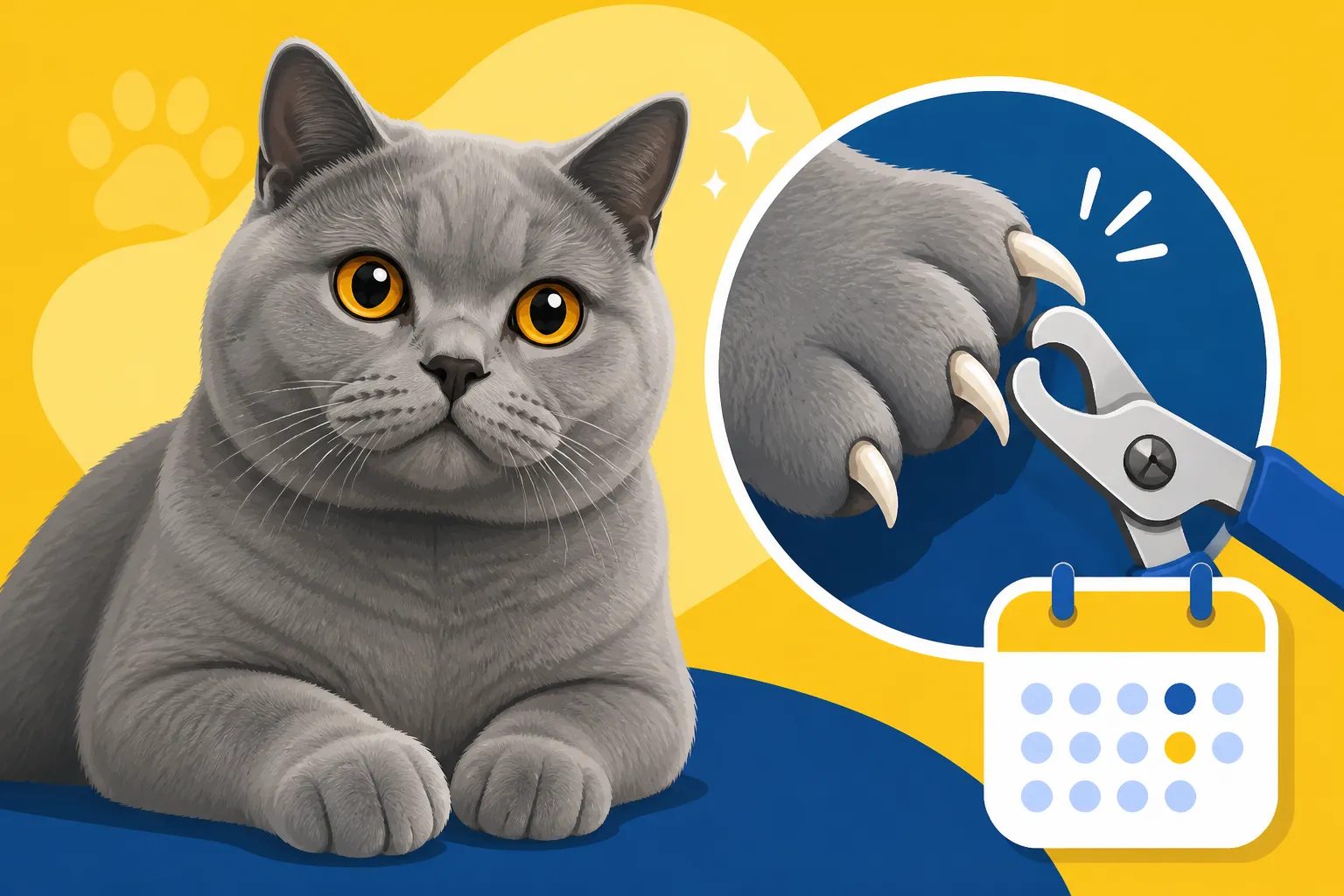
Every cat claw has a quick, which is a sensitive area containing blood vessels and nerves. On lighter-colored claws, you can often see this pink area quite easily, avoiding it during trimming. However, many British Shorthairs sport darker, pigmented claws, making the quick much harder to discern. This can be intimidating for owners, as cutting into the quick is painful for your cat and can cause bleeding. The nail itself is made of keratin, similar to our fingernails, and it grows in layers. British Shorthairs tend to have particularly dense, thick nail plates, which means you'll need sturdy clippers to get the job done efficiently. The claw is retractable, meaning your British Shorthair can pull it back into a sheath, which is why you might not always notice their length until they extend them for a stretch or scratch.
Why British Shorthair Claws Grow So Quickly
The primary reason a British Shorthair's claws seem to grow at an alarming rate is their characteristic low activity level. These cats are champions of relaxation, often preferring a comfy sofa over a high-energy chase. While this makes them wonderful, calm companions, it also means their claws aren't getting naturally filed down as much as, say, an outdoor cat or a more rambunctious breed might. Indoor living further reduces opportunities for natural wear from rough surfaces like tree bark or pavement. Consequently, their claws can quickly become overgrown, curving into painful spirals if neglected. This is a common part of What a British Shorthair Does All Day – mostly napping and light play – which means we owners have to step in.
Signs Your British Shorthair's Claws Need Trimming
Your British Shorthair will definitely give you clues when their claws are getting too long. One of the most common indicators is a distinct "clicking" sound as they walk across hard floors. If you hear this, it's a clear signal. Another sign is when their claws start getting snagged on carpets, blankets, or even your clothing. They might struggle to fully retract their claws, causing them to constantly protrude. Visually, you'll see the claws extending far past the paw pads, sometimes even starting to curl inwards. If left too long, these curved claws can grow into the paw pad itself, leading to severe pain, infection, and difficulty walking – a bit like how Arthritis in an Older British Shorthair can impact their mobility, but this is entirely preventable. Always check their paws regularly, especially if you notice them licking or chewing at their feet more than usual, as this could indicate discomfort from overgrown nails.
Establishing a Claw Trimming Schedule
Finding the perfect rhythm for nail trims can feel like a guessing game, but with a little observation and consistency, you’ll quickly figure out what works best for your British Shorthair.
The Ideal Trimming Frequency for Most British Shorthairs
For most British Shorthairs, a claw trim every two to four weeks is generally ideal. This frequency helps keep their claws at a healthy length, preventing overgrowth and the associated problems. However, this isn't a hard and fast rule; some cats might need it slightly more often, while others, particularly if they are more active or have access to varied scratching surfaces, might stretch it to five or six weeks. The key is to be proactive rather than reactive. Don't wait until you hear the clicking or see them getting snagged. Regular, shorter trimming sessions are far less stressful for both you and your cat than trying to tackle severely overgrown claws. Think of it as part of their routine care, just like ensuring they're getting How Many Calories a British Shorthair Needs.
Factors Influencing How Often to Trim
Several factors play a significant role in how frequently your British Shorthair will need their claws trimmed:
- Age: Kittens and young cats generally have softer nails that might not grow as aggressively, but it's crucial to start trims early to get them used to the process. Older cats, especially those with Arthritis in an Older British Shorthair or other mobility issues, might be less active and therefore require more frequent trims as their claws won't wear down naturally. Their claws might also become more brittle or thicker with age, making trimming a bit more challenging.
- Activity Level: This is a big one for British Shorthairs. A very sedentary cat who rarely engages in vigorous play or uses vertical scratching posts will need trims more often than a British Shorthair who occasionally gets a burst of zoomies or thoroughly enjoys their scratching tree. For tips on encouraging movement, check out Getting a Low Energy British Shorthair to Move.
- Scratching Post Use: Cats who regularly and enthusiastically use a variety of scratching posts—both vertical and horizontal—will naturally wear down their outer claw sheaths, reducing the frequency of needed trims. The type of material also matters; cardboard scratchers might be more effective than carpeted ones for some cats.
- Diet and Health: While less common, certain nutritional deficiencies or health conditions can sometimes affect nail growth and strength. If you notice unusual changes in your cat's claws (e.g., excessive flaking, unusual thickness, or brittleness), it's always wise to consult your veterinarian.
Creating a Routine That Works for You and Your Cat
Consistency is your best friend when it comes to claw trimming. Trying to wrestle a reluctant cat once a month is much harder than establishing a regular, calm routine. Start by associating nail trims with positive experiences. This might mean a special treat immediately after each paw, or a gentle cuddle session. Keep trimming sessions short – even if you only manage one paw at a time in the beginning, that's a victory! Gradually increase the number of claws you trim per session as your cat becomes more comfortable. Choose a quiet time when your British Shorthair is relaxed, perhaps after a meal or a nap. Gentle handling and praise go a long way. Some owners find that wrapping their cat gently in a towel can help, especially if their British Shorthair tends to wriggle. Remember, patience is paramount; it’s a marathon, not a sprint, especially when training a reserved breed like the British Shorthair.
Here’s a quick overview of a typical British Shorthair claw care routine:
| Activity | Frequency | Notes |
|---|---|---|
| Claw Trimming | Every 2-4 weeks | Adjust based on activity and observation. |
| Scratching Posts | Daily, multiple times | Ensure various types and locations. |
| Paw Pad Checks | Weekly | Look for redness, irritation, or ingrown claws. |
| Positive Reinforcement | Every session, liberally | Treats, praise, gentle petting. |
The Right Tools and Techniques for British Shorthair Claws
Having the correct tools and knowing how to use them safely makes all the difference in a successful claw trimming experience. British Shorthairs, with their sturdy claws, require a bit of thought in this department.
Choosing the Best Clippers for Thick Claws
When it comes to British Shorthair claws, you need clippers that are sharp and robust enough to make a clean cut without crushing the nail. Don't skimp here; dull clippers can split the nail and cause discomfort. There are generally two main types suitable for cats:
- Scissor-Style Clippers: These look and function much like a small pair of scissors. They offer good control and are often favored by many cat owners. Brands like those you might find on Chewy or Amazon offer excellent options in this style.
- Guillotine Clippers: These have a small hole where you insert the claw, and a blade slides across to cut it. While effective, some owners find them a bit trickier to use accurately on smaller cat claws compared to the scissor-style.
For a British Shorthair, especially one with particularly thick claws, consider a larger, well-made scissor-style clipper. This allows for a more confident and effective trim. Make sure they fit comfortably in your hand to prevent slippage. You might also want to keep some styptic powder (available at most pet stores or on Amazon) on hand in case you accidentally cut too close to the quick. This quickly stops any bleeding and offers peace of mind. For more specific recommendations, you could research Which Clippers Suit a British Shorthair's Thick Claws.
Step-by-Step Guide to Trimming Your British Shorthair's Claws
Once you have your tools, here's how to approach the trim:
- Preparation is Key: Gather your clippers, styptic powder, and plenty of high-value treats. Find a quiet, well-lit area where you feel comfortable and your cat is relatively calm. You might want to do this when they are sleepy.
- Positioning Your Cat: Gently hold your British Shorthair in a comfortable position, either in your lap or on a table. Some cats prefer to be cradled, while others are fine lying on their side. The goal is to minimize restraint and maximize comfort.
- Extending the Claw: Take one paw and gently press on the top of the toe, just above the nail, and simultaneously press on the paw pad underneath. This action will extend the claw fully from its sheath.
- Identifying the Quick: On clear or light-colored claws, you'll see a pink area – this is the quick. You want to cut only the clear, hooked tip of the claw, well away from the quick. If your British Shorthair has dark claws, it's safer to trim off only the very tip, where the claw starts to curve, in small increments. "Little and often" is the mantra here to avoid hitting the quick.
- Making the Cut: Hold the clipper at a 45-degree angle, with the blade facing away from the paw. Make a swift, clean cut. Be decisive to avoid crushing the nail.
- Reward and Repeat: Immediately after each successful cut (or even just after extending a paw if your cat is new to this), offer a treat and praise. This positive reinforcement is crucial for building a good association with nail trims. Move on to the next claw, or stop if your cat shows signs of stress. It's better to do a few claws across multiple sessions than to traumatize your cat by forcing a full trim.
What to Do if You Cut the Quick
Accidents happen, even to experienced owners. If you accidentally cut into the quick, your British Shorthair will likely yelp, pull away, and the claw will bleed. Don't panic!
- Apply Styptic Powder: Immediately apply styptic powder to the bleeding claw. Press it gently but firmly onto the tip of the nail. The powder contains agents that help to stop the bleeding quickly. If you don't have styptic powder, a clean cloth with gentle pressure for a few minutes can also work, as can cornstarch or flour in a pinch.
- Reassure Your Cat: Speak to your British Shorthair in a calm, soothing voice. Reassure them that everything is okay. Don't scold them.
- Take a Break: It's often best to stop the trimming session at this point and try again another day. Allow your cat to recover and regain their trust. A bad experience can make future trims much harder, so prioritizing their comfort and trust is paramount.
Beyond Trimming: Maintaining Claw Health and Comfort
Claw trimming is just one piece of the puzzle. A holistic approach to paw health for your British Shorthair involves encouraging natural claw wear and knowing when to seek professional help.
The Importance of Scratching Posts
Scratching is a natural, essential behavior for cats, serving multiple purposes beyond just sharpening claws. It helps them stretch their muscles, mark their territory, and relieve stress. For a British Shorthair, who might be less inclined to climb towering cat trees, providing attractive scratching surfaces is even more crucial for maintaining claw health. Ensure you have a variety of scratching posts:
- Vertical Posts: Look for sturdy, tall posts (taller than your cat when standing on hind legs) covered in sisal rope, cardboard, or rough carpet. Place them in prominent areas where your British Shorthair naturally likes to stretch or near their favorite napping spots.
- Horizontal Scratchers: Cardboard scratchers or flat sisal mats can also be very popular, especially for cats who prefer to scratch while lounging.
Experiment with different materials and locations. If your British Shorthair isn't using a post, try sprinkling a little catnip on it to entice them. Encouraging natural scratching helps shed the outer layers of the claw, keeping them healthier and potentially reducing the frequency of trims. This also reduces the likelihood of them using your furniture as an alternative!
Recognizing and Addressing Overgrown or Ingrown Claws
Even with regular trimming, it's vital to keep an eye out for signs of overgrown or, worse, ingrown claws. An ingrown claw occurs when the nail grows so long that it curves and pierces the paw pad, which is incredibly painful and can lead to serious infection.
- Signs of Trouble: Limping, excessive licking or chewing at the paws, swelling, redness, or discharge from the paw pad are all red flags. If you notice your cat struggling with Whether an Aging British Shorthair Gets Stiff, it might not just be their joints; long claws can contribute to discomfort and awkward movement.
- Seeking Veterinary Help: If you suspect an ingrown claw, do not try to fix it yourself, especially if it's already punctured the paw pad. This requires veterinary attention. Your vet can safely remove the ingrown portion, treat any infection, and advise on pain management. Early intervention is key to preventing more severe complications. Regular checks of your British Shorthair's paw pads, even brief ones during cuddle time, can help you catch these issues before they become serious.
When to Seek Professional Help
There's absolutely no shame in admitting that claw trimming isn't your strong suit, or that your British Shorthair is particularly resistant. Sometimes, a professional touch is simply the best option.
- Groomers: Many professional pet groomers offer nail trimming services. They have the experience, appropriate tools, and techniques to handle even the most reluctant felines. This can be a great, low-stress option for both you and your cat.
- Veterinary Technicians: Your veterinary clinic is also an excellent resource. Vet techs are highly skilled at safe and efficient nail trims. If your British Shorthair is particularly squirmy, fearful, or has dark claws that make you nervous, having a vet tech do it guarantees their safety and your peace of mind. They are also adept at managing medical issues related to claws, just like they would handle a British Shorthair's Yearly Bloodwork Should Cover or other routine health checks.
- Fearful or Aggressive Cats: If your British Shorthair becomes aggressive or extremely stressed during nail trims, forcing the issue can damage your bond and make future attempts even harder. In such cases, professional help is essential. They might even be able to offer advice on desensitization techniques you can try at home.
Remember, the goal is always your British Shorthair's comfort and well-being. Whether you trim their claws yourself, or enlist the help of a professional, regular attention to their magnificent paws is a vital part of being a responsible and loving British Shorthair parent.
Disclaimer
This article is for general informational purposes only and does not constitute professional advice. Laws, prices and regulations vary by location and change over time. Consult a qualified professional for guidance on your specific situation.