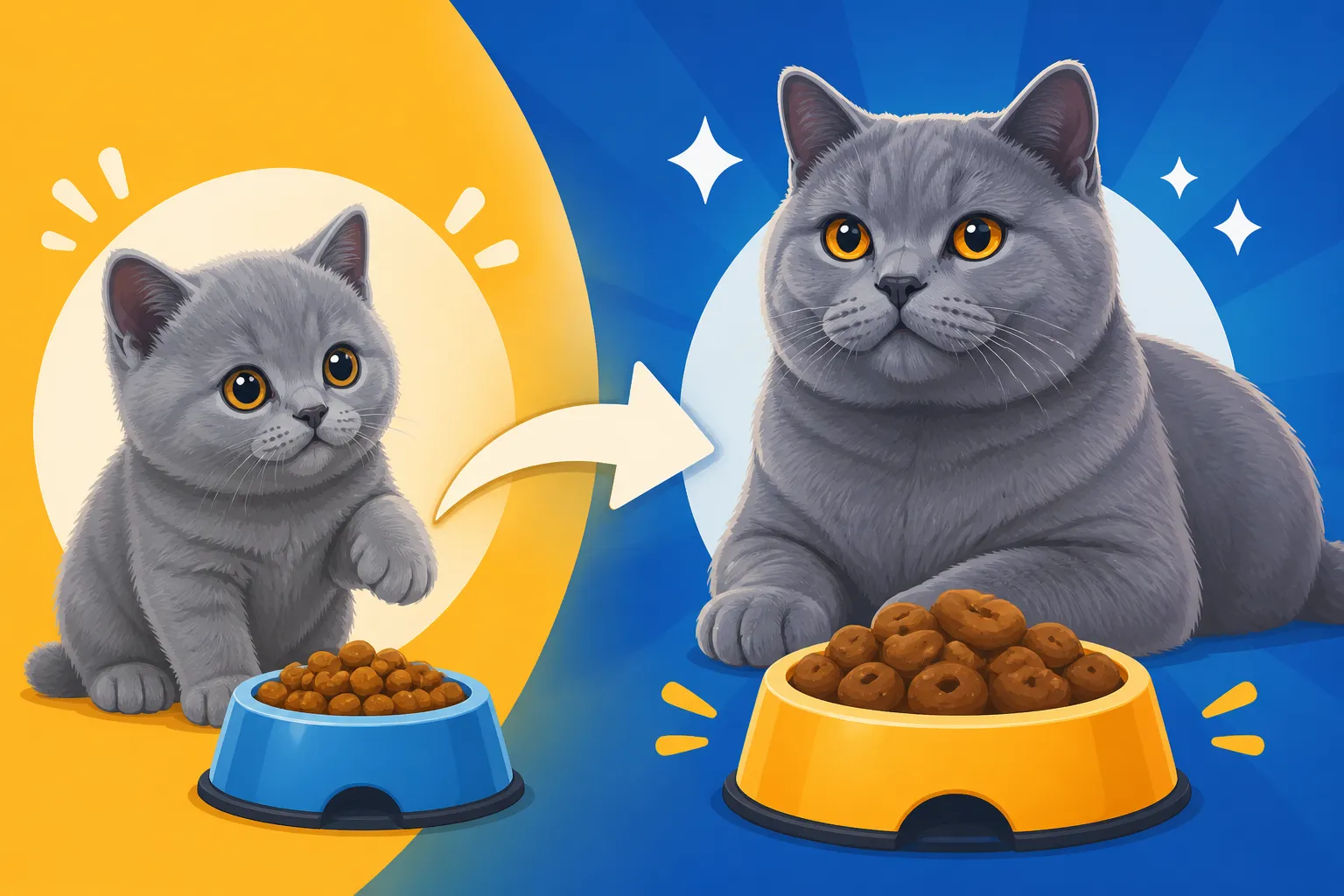
When a British Shorthair Moves to Adult Food
It’s a common dilemma for British Shorthair owners: you’ve nurtured your adorable, fluffy kitten through their rapid growth stages, and now you’re wondering when exactly it’s time to switch them over to adult cat food. Many of us get anxious about making this transition too early or too late, fearing we might upset their delicate digestive systems or hinder their development. This guide will walk you through the nuances of moving your British Shorthair from kitten kibble to an adult diet, ensuring a smooth and healthy change for your cherished companion.
Understanding Your British Shorthair Kitten's Growth Needs
Before we dive into when to make the switch, it’s really important to understand why kitten food exists in the first place and why it's so different from adult formulas. A kitten isn't just a mini-cat; they're a little powerhouse of growth and development, burning through calories at an incredible rate to build muscle, bone, and that gorgeous, dense British Shorthair coat. It’s no wonder they need specialized nutrition!
The Nutritional Powerhouse of Kitten Food
Kitten food, whether wet or dry, is specifically formulated to be calorie-dense and rich in nutrients essential for rapid growth. Think about it: a tiny kitten has a lot of growing to do in a very short amount of time. They need higher levels of protein to build strong muscles, more fat for energy, and a carefully balanced array of vitamins and minerals like calcium and phosphorus for developing strong bones and teeth. These specialized formulas often contain DHA for brain and vision development, and enhanced immune support to help their still-developing immune systems. It’s truly a super-fuel designed for intense early development. Without this specific nutritional support, a kitten can suffer from developmental issues, so feeding kitten food is not just a suggestion, it's a critical part of their early care.
British Shorthair Growth Timeline
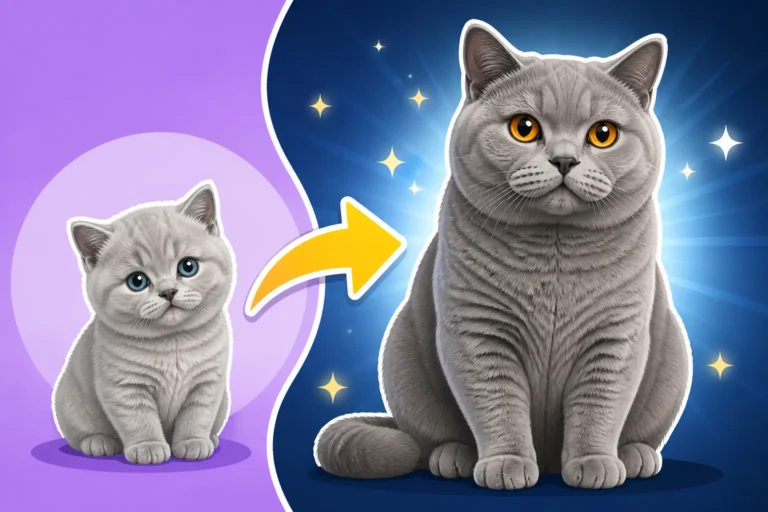
British Shorthairs, with their famously robust and cobby build, tend to mature a little slower than some other cat breeds. While many domestic shorthairs reach physical maturity by 9-12 months, your British Shorthair might still be filling out and developing their signature broad chest and chunky jowls well into their second or even third year. When a British Shorthair Reaches Full Size can be quite a prolonged process, which means their nutritional needs, while shifting, might retain some "growing cat" characteristics longer than you'd expect. Their skeletal structure and muscular density are significant, and this takes time and proper nutrition to achieve. It’s not just about reaching a certain weight; it’s about achieving that full, majestic British Shorthair presence. You’ll notice their head slowly becoming rounder, their jowls developing, and their body gaining that solid, substantial feel that is so characteristic of the breed.
The Ideal Age for Transitioning to Adult Food
So, when do you actually make the move? This is where many owners feel a bit lost because the "rules" aren't always crystal clear, and what works for one cat might not be ideal for another, even within the same breed. Generally, you’ll start considering the switch when your British Shorthair is somewhere between 10 to 12 months old, though some might benefit from a slightly longer period on kitten food.
Looking Beyond the "One Year" Rule
While "one year old" is a common guideline for transitioning from kitten to adult food, it’s more of a general marker than a strict deadline, especially for a breed like the British Shorthair. Their slower maturation means that a kitten turning one year old might still have some growing left to do. The key is to observe your individual cat. Are they still showing significant growth spurts? Are they maintaining a healthy weight easily, or are they starting to look a little too round on the high-calorie kitten food? Overfeeding a British Shorthair is a genuine concern, as they are naturally prone to weight gain. Why a British Shorthair Gains Weight So Easily is a topic many owners grapple with, and staying on kitten food too long can definitely contribute to this. You want to support growth, not create an overweight adolescent. Always consult with your veterinarian, who can provide personalized advice based on your British Shorthair's specific health, weight, and activity level. They might even suggest a slightly longer period on kitten food if your cat is particularly lean or still has a lot of developing to do.
Observing Your British Shorthair's Physical Development
The best indicator for when to switch is not just the calendar, but your cat's physical development. Look for these signs:
- Slowing Growth: While they might not be fully mature, you’ll notice that the rapid, almost daily growth spurts of their younger kitten days have significantly slowed down. They won't be gaining weight or height at the same rate.
- Reaching Adult Size and Shape: Your British Shorthair should be approaching its adult height and length, even if the "filling out" process continues. Their body should start to look less like a gangly adolescent and more like a compact, solid adult, with that characteristic cobby build beginning to define itself. What a British Shorthair Should Weigh at One Year can give you a good benchmark, but remember that individual cats vary.
- Body Condition Score: This is crucial. Feel their ribs – you should be able to feel them easily but not see them. If you’re struggling to feel their ribs through the plush coat, they might be carrying a bit too much weight, indicating that the calorie-dense kitten food is no longer appropriate. A veterinarian can help you assess their body condition score, which is a much more accurate measure of health than just the number on the scale. An ideal body condition means they have a tucked-in waist (even with that thick coat, you should be able to discern one if you look from above and feel for it) and no excessive fat over their spine or tail base.
When you observe these changes, it's a good sign that their intense need for kitten-specific nutrition is waning, and their metabolism is settling into a more adult pattern.
The Gentle Art of Transitioning Food
Once you’ve decided it’s time to make the switch, don’t just swap out the bowls overnight! A sudden change in diet can lead to digestive upset, including vomiting, diarrhea, or even a complete refusal to eat, which is stressful for both you and your British Shorthair. Their digestive systems are sensitive, and a gradual approach is always the kindest and most effective method.
A Gradual Approach is Key
The golden rule for any diet change in cats is to do it slowly. This allows their digestive system to adjust to the new ingredients and nutritional profile without being shocked. Here’s a typical, well-recommended transition schedule that usually spans about 7-10 days:
- Days 1-2: Mix about 25% new adult food with 75% old kitten food. Your cat might pick around the new bits initially, but usually, they'll eat it if they're hungry.
- Days 3-4: Increase the ratio to 50% new food and 50% old food. At this point, you should be observing their litter box habits closely to ensure everything is normal.
- Days 5-6: Move to 75% new food and 25% old food. By now, your British Shorthair should be quite comfortable with the new flavor and texture.
- Days 7-10: You can now offer 100% adult food. Some cats might need a couple of extra days at each stage, especially if they are particularly sensitive or prone to digestive issues.
If at any point your British Shorthair shows signs of digestive upset (like diarrhea or vomiting), slow down the transition. Go back to the previous ratio for a few more days until their system settles before attempting to increase the new food again. Remember, patience is your best friend here. Consider purchasing food from reputable online retailers like Chewy or Amazon, where you can often find a wide selection of both kitten and adult formulas from the same brand, making this gradual transition easier.
Monitoring for Digestive Upset and Picky Eating
During the transition, your job is to be a detective, observing your cat's behavior and physical signs closely.
- Litter Box Habits: This is your primary indicator. Watch for any changes in stool consistency. Soft stools or diarrhea mean you're going too fast. Constipation can also be an issue, though less common with food changes.
- Appetite and Energy Levels: A healthy cat should maintain its usual appetite and energy. If your British Shorthair seems lethargic, isn't eating much, or outright refuses the new food, it's a sign to slow down or reconsider the adult food choice. British Shorthairs can be quite particular, and some might simply dislike the taste or texture of the new food. Don't force it; if they consistently reject a food, it’s okay to try a different adult formula.
- Weight Monitoring: Keep an eye on their weight. While they’re no longer rapidly growing, they should maintain a stable, healthy weight. Any sudden weight loss during transition could indicate they're not getting enough calories or nutrients from the new diet.
- Hydration: Ensure they are drinking plenty of water, especially if you’re transitioning from a predominantly wet kitten food diet to a dry adult kibble. A water fountain can be a great way to encourage water intake. How Much Water a British Shorthair Should Drink is crucial information for their overall health.
If you encounter persistent issues, always consult your veterinarian. They can rule out underlying health problems and recommend specific diets or strategies.
What to Look for in Adult British Shorthair Food
Choosing the right adult food for your British Shorthair is about more than just switching from "kitten" to "adult" on the label. Their unique build and predisposition to certain health issues (like obesity) mean that thoughtful consideration of ingredients and nutritional balance is essential for their long-term health and well-being.
Prioritizing Protein and Moderate Fat
Once your British Shorthair is an adult, their energy needs shift. They still require high-quality protein to maintain their muscular physique, but the excess calories and fat found in kitten food can quickly lead to unwanted weight gain. Look for adult foods that:
- High-Quality Animal Protein: The first ingredient should always be a named animal protein source, like "chicken," "salmon," or "turkey." Cats are obligate carnivores, meaning they need animal-derived protein for essential amino acids they can't synthesize themselves.
- Moderate Fat Content: While fat is crucial for energy and a healthy coat, adult British Shorthairs don't need the very high fat levels of kitten food. A moderate fat content helps maintain a healthy weight without sacrificing skin and coat health.
- Balanced Carbohydrates: While cats don't strictly need carbohydrates, small amounts from sources like peas, sweet potatoes, or rice can be digestible and provide fiber. Avoid foods with excessive fillers or questionable carbohydrate sources.
- Omega Fatty Acids: These are great for skin, coat, and joint health. Given the British Shorthair's solid build and potential for Arthritis in an Older British Shorthair, supporting joint health from an early age is a smart move.
Consider brands that specialize in breed-specific nutrition, or at least offer high-quality, balanced adult formulas suitable for larger, less active breeds. Some owners might explore fresh food options, which can offer highly digestible protein sources, but always ensure they are nutritionally complete and balanced for adult cats.
Reading Labels and Understanding Ingredients
Navigating pet food labels can feel like deciphering a secret code, but it's a vital skill for responsible pet ownership. Don't be swayed solely by marketing claims like "natural" or "premium"; dig into the ingredient list.
- Ingredient Order: Ingredients are listed by weight, so the first few ingredients make up the bulk of the food. Ensure these are good quality protein sources.
- Meat Meals: Don't be afraid of "chicken meal" or "turkey meal." These are often highly concentrated protein sources, having had water and fat removed before being added to the food, making them nutritionally excellent.
- Avoid By-Products (Unless Specified): "Meat by-products" without specific naming can be ambiguous. However, if they specify "chicken by-product meal," it usually refers to organ meats and bones which are highly nutritious for cats. The key is specificity.
- Artificial Additives: Try to avoid foods with artificial colors, flavors, and preservatives, as these offer no nutritional value and can sometimes trigger sensitivities.
- Nutritional Adequacy Statement: Look for a statement from AAFCO (Association of American Feed Control Officials) confirming the food is "complete and balanced" for "maintenance" (adult cats). This ensures the food meets established nutritional standards.
Comparing different brands and their ingredients can be overwhelming, but resources on sites like Chewy or Amazon often provide detailed ingredient lists and nutritional breakdowns, allowing you to make informed choices from the comfort of your home.
Considering Specific British Shorthair Needs
Beyond the general adult cat nutrition, British Shorthairs have some unique considerations due to their breed characteristics:
- Weight Management: This is probably the single biggest nutritional challenge for British Shorthair owners. Their calm demeanor and propensity to be quite sedentary mean they burn fewer calories than more active breeds. Therefore, portion control is paramount. Portion Control Is the Whole Job With a British Shorthair, and choosing a food that offers good satiety without excessive calories is key. Discuss How Many Calories a British Shorthair Needs with your vet to create a tailored feeding plan.
- Dental Health: British Shorthairs, like many cats, can be prone to dental issues like Gingivitis in a British Shorthair. Some adult kibbles are designed with larger, textured pieces to help scrape plaque off teeth as they chew, though this is not a substitute for regular dental care.
- Urinary Health: Male British Shorthairs, in particular, can be susceptible to urinary tract issues. Ensuring adequate hydration and sometimes choosing a diet with controlled mineral levels can support urinary health. Incorporating wet food into their diet is an excellent way to boost water intake. Whether Wet Food Keeps a British Shorthair Slimmer is a common question, and yes, the higher water content can indeed help with both weight and urinary health.
Here’s a quick comparison of kitten vs. adult food for British Shorthairs:
| Feature | Kitten Food | Adult Food |
|---|---|---|
| Primary Goal | Support rapid growth and development | Maintain health, muscle mass, and healthy weight |
| Calorie Density | Very High | Moderate |
| Protein Level | Higher (for muscle growth) | High (for maintenance) |
| Fat Level | Higher (for energy and development) | Moderate (for energy and coat health) |
| Key Nutrients | Enhanced DHA, calcium, phosphorus, immune support | Balanced for maintenance, joint support often added |
| Transition Age | Birth to 10-12 months (variable for BSH) | From 10-12 months onwards |
Making the switch to adult food for your British Shorthair doesn't have to be a daunting task. By understanding their unique growth patterns, making the transition gradually, and carefully selecting a high-quality adult diet tailored to their needs, you'll set your beloved British Shorthair up for a long, healthy, and happy life. Just remember to always observe your cat, consult your vet, and trust your instincts – you know your British Shorthair best!
Disclaimer
This article is for general informational purposes only and does not constitute professional advice. Laws, prices and regulations vary by location and change over time. Consult a qualified professional for guidance on your specific situation.