Whether a British Shorthair Should Eat Dry Food
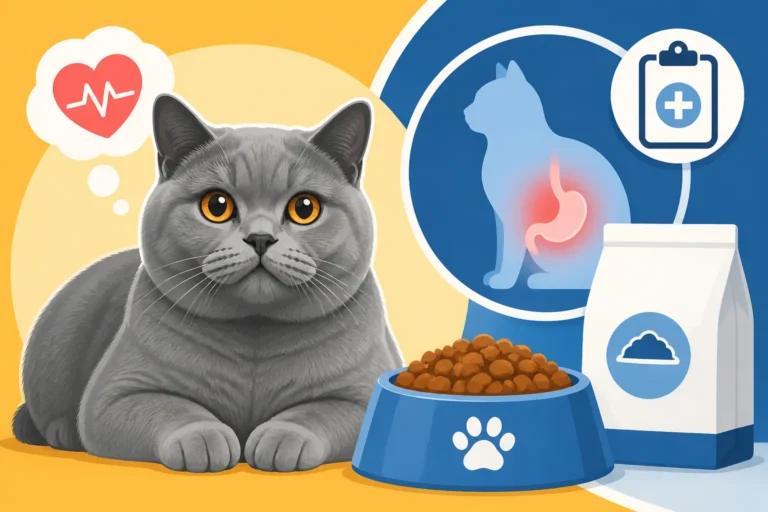
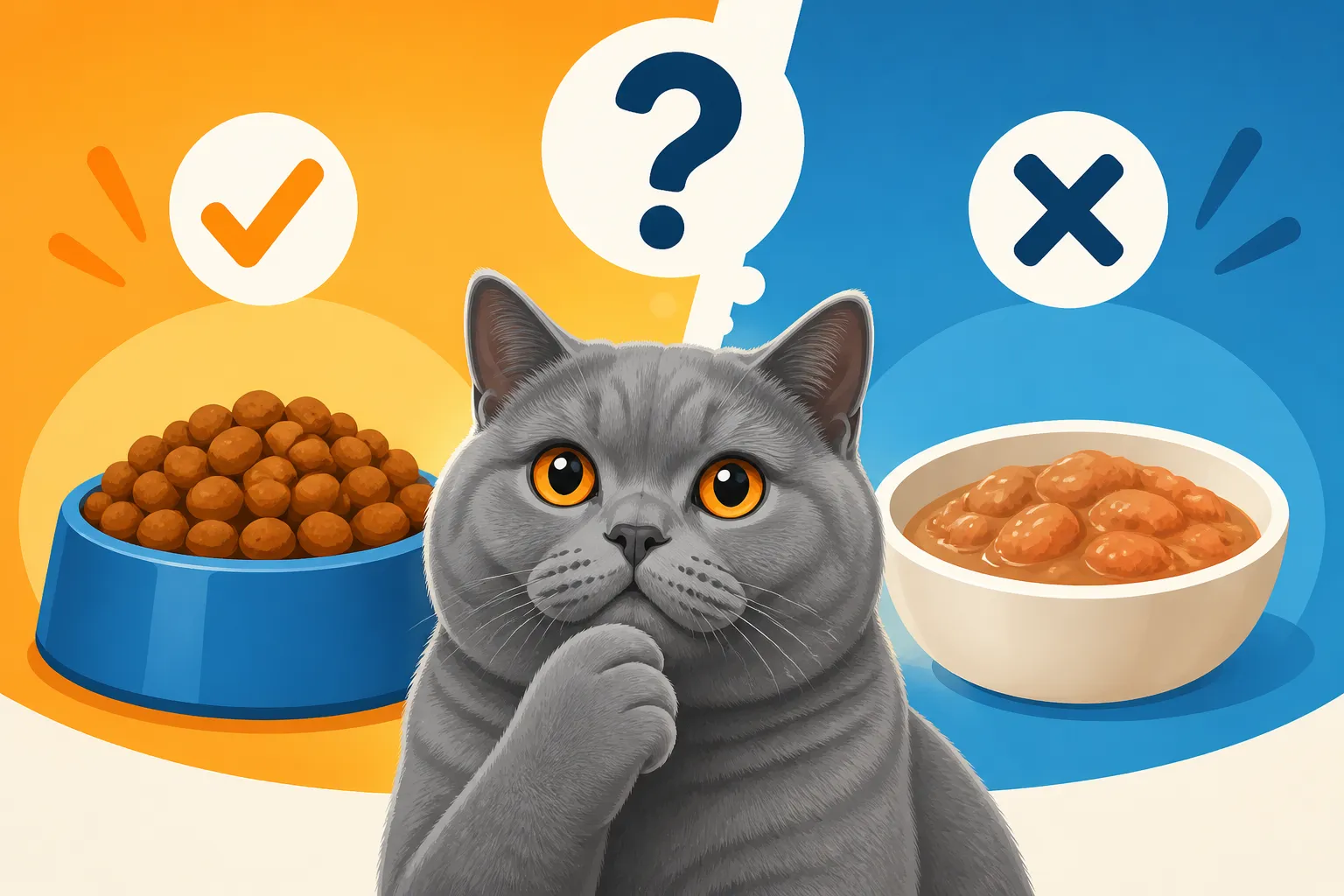
One of the most common dilemmas for any cat owner, especially those of us with beloved British Shorthairs, revolves around what to put in their food bowl. It’s easy to grab a large bag of dry kibble, but you might find yourself wondering if it's truly the best choice for your particular furry friend, given their unique build and health tendencies. This comprehensive guide will dive deep into the world of cat nutrition, specifically for the British Shorthair, to help you navigate the dry food debate and make informed decisions about your cat's diet.
The Lingering Question of Dry Kibble for Cats
For decades, dry kibble has been the default for many cat owners. It’s convenient, often more budget-friendly, and it promises complete nutrition. However, the science of feline nutrition has evolved, and with it, a greater understanding of what our obligate carnivores truly need. The question isn't just about what's easy for us, but what truly supports a long, healthy life for our British Shorthairs.
Convenience and Cost: The Allure of Dry Food
Let's be honest, dry food is incredibly convenient. You can fill a bowl, and it stays fresh for hours, even days, without attracting flies or spoiling, unlike wet food. This makes it a popular choice for busy households or those who prefer to "free-feed" their cats, allowing them to graze throughout the day. For those managing multiple pets or a hectic schedule, the ease of simply pouring kibble can be a lifesaver. Plus, it's generally far more economical than an all-wet or raw food diet, which is a significant factor for many families. Buying in bulk from retailers like Chewy can often further reduce costs. The promise of "complete and balanced" nutrition on the label also gives many owners a sense of security that they're providing everything their cat needs without complex meal planning.
The Hidden Downsides: Hydration and Ingredients
However, convenience often comes with trade-offs. The biggest concern with an exclusive dry food diet for cats, especially British Shorthairs, is hydration. Cats naturally have a low thirst drive because, in the wild, they get most of their moisture from their prey. Dry kibble, by its very nature, contains very little moisture – typically around 5-10%. Even if your British Shorthair drinks water from a bowl or a fountain, they rarely consume enough to compensate for the lack of moisture in their food. This chronic low-level dehydration can put stress on their kidneys and urinary tract over time, potentially leading to issues like Urinary Problems in a British Shorthair or even Why a Male British Shorthair Blocks, a serious and life-threatening condition.
Beyond hydration, the ingredients in many dry kibbles are another area of concern. To create kibble, a certain amount of carbohydrates is required to bind the ingredients together. While cats are obligate carnivores, meaning their bodies are designed to derive energy primarily from animal protein and fat, many dry foods contain high levels of plant-based ingredients like corn, wheat, soy, or rice. These ingredients are often fillers, less digestible for cats, and can contribute to weight gain, especially in a breed like the British Shorthair who is Why a British Shorthair Gains Weight So Easily. These carbohydrates also break down into sugars, which can tax a cat's pancreas and contribute to issues like diabetes. It's a far cry from the rodent or bird a wild cat would consume.
British Shorthairs and Their Specific Dietary Needs
British Shorthairs are magnificent cats with their plush coats, round faces, and calm dispositions. But beneath that adorable teddy bear exterior, they have specific physiological needs that make diet an even more critical consideration. Their generally placid nature and propensity for weight gain mean that their food choices demand extra attention.
The Ever-Present Risk of Obesity
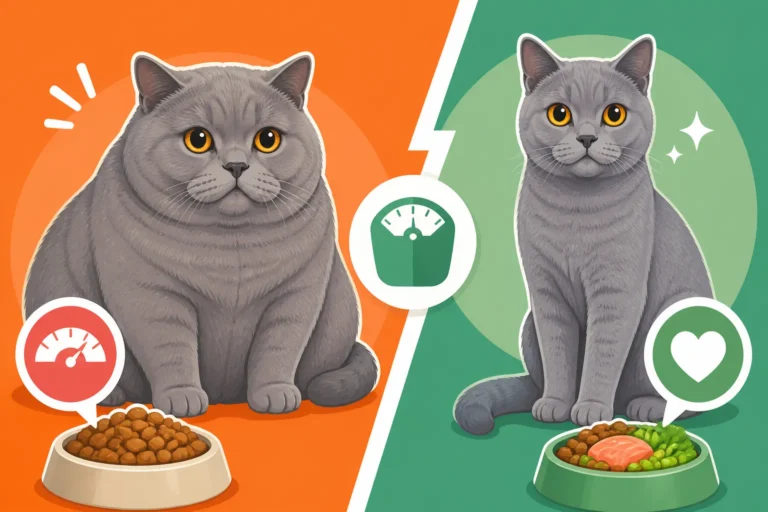
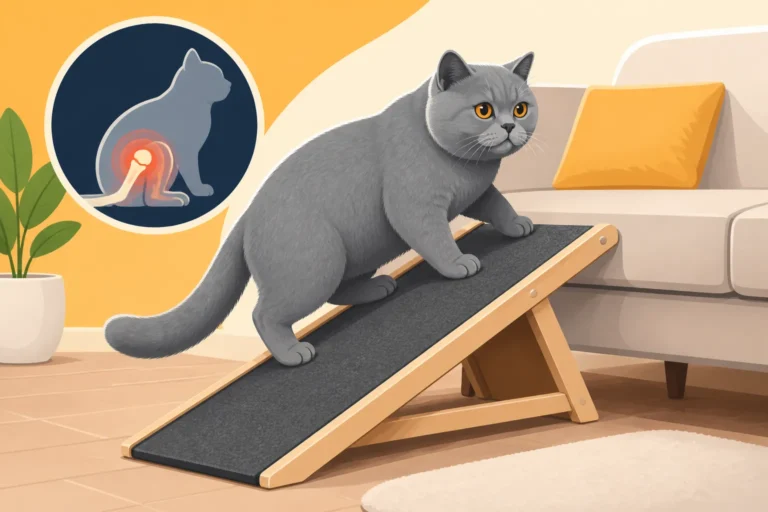
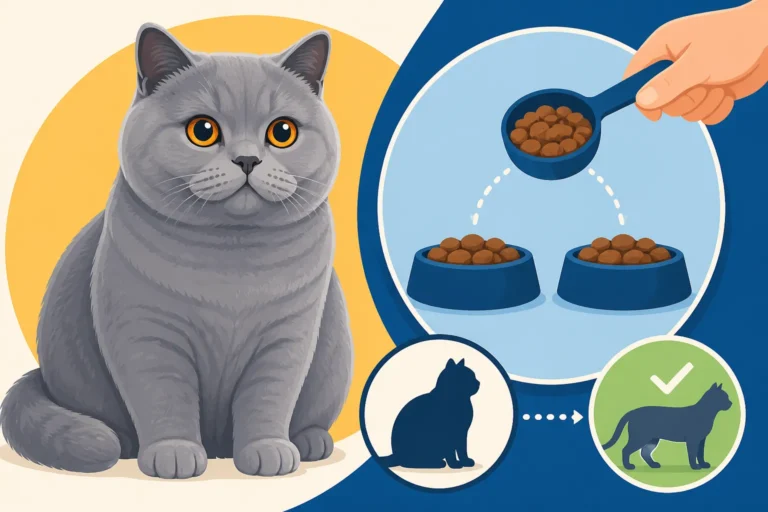
One of the most significant challenges with British Shorthairs is their tendency towards obesity. They are not naturally highly active cats; in fact, many are quite content to lounge and observe the world from a comfortable spot. This low energy level, combined with a hearty appetite, creates a perfect storm for weight gain if their diet isn't carefully managed. How Many Calories a British Shorthair Needs is often less than owners assume, and free-feeding dry kibble, where food is constantly available, is a primary culprit. When a British Shorthair is allowed to graze, they tend to overeat, storing excess calories as fat. This isn't just about aesthetics; obesity significantly impacts their health, leading to problems like What Obesity Does to a British Shorthair's Joints, diabetes, and even a shortened lifespan. The extra weight makes it harder for them to groom themselves, particularly their backs, leading to coat issues and discomfort.
| Factor | Dry Food Impact on British Shorthairs | Wet Food Impact on British Shorthairs |
|---|---|---|
| Hydration | Low (5-10% moisture), can stress kidneys and urinary tract. | High (70-80% moisture), supports kidney and urinary health. |
| Obesity Risk | High due to palatability, free-feeding, and higher carb content. | Lower due to higher water content, more satiety, and often lower carbs. |
| Dental Health | Often touted for cleaning, but effect is minimal for most cats. | No direct dental benefit; some claim it promotes plaque, but largely neutral. |
| Satiety | Less filling per calorie due to low water density, leading to overeating. | More filling per calorie, helping with weight management. |
| Carbohydrates | Typically higher, which is unnatural for obligate carnivores and contributes to weight gain. | Typically lower, more aligned with a cat's natural diet. |
| Protein Source | Can be plant-based, less digestible; check for high-quality animal protein. | Usually higher quality animal protein, more species-appropriate. |
Dental Health: A Common Misconception
Many dry food manufacturers claim that kibble helps clean a cat's teeth. The idea is that the abrasive action of crunching hard kibble helps scrape away plaque and tartar. While this sounds logical, in reality, for most cats, especially a British Shorthair with their powerful jaws and relatively short snouts, the effect is often negligible. The kibble pieces are typically too small and swallowed too quickly to provide a significant abrasive cleaning action. Think of it like a human eating crackers to clean their teeth – it simply doesn't work. The texture of kibble can actually be more like a crunchy cookie, shattering upon impact rather than scraping. True dental health for cats comes from regular brushing, dental chews specifically designed for plaque removal, and professional dental cleanings under anesthesia when necessary. Relying solely on dry food for dental care can lead to serious issues like Gingivitis in a British Shorthair and other painful oral diseases, which can affect their overall health.
The Role of Water in Overall British Shorthair Health
Given their stoic nature, British Shorthairs are notorious for hiding signs of discomfort or illness. This makes adequate hydration even more critical for monitoring their kidney and urinary health. Insufficient water intake can contribute to the formation of urinary crystals or stones, which can be incredibly painful and, as mentioned, life-threatening if they cause a blockage. A British Shorthair’s ancestors would have thrived on prey that was 70-80% water. Modern dry food, no matter how "premium" it claims to be, cannot replicate this natural moisture content. Providing fresh water in multiple locations, perhaps a water fountain, can encourage drinking, but it rarely fully compensates for a dry food-only diet. This emphasis on hydration is why conversations around Whether the British Shorthair Is a Healthy Breed often come back to diet.
Beyond Just Dry Food: Exploring Alternatives and Combinations
So, if an exclusive dry food diet isn't ideal for our British Shorthairs, what are the alternatives? The good news is that you have options, from incorporating wet food to exploring fresh or raw diets, all of which can significantly boost your cat's health and well-being. The key is finding a balance that works for both your cat and your lifestyle.
The Benefits of Wet Food
Wet food, whether it's paté, chunks in gravy, or shredded meat, offers a significant advantage over dry kibble: its high moisture content. Typically ranging from 70-80% water, wet food helps ensure your British Shorthair stays properly hydrated, supporting healthy kidney function and a robust urinary system. This alone can mitigate many of the long-term health risks associated with a dry-food-only diet. Moreover, wet foods are often higher in animal protein and lower in carbohydrates, which is much more aligned with a cat's natural carnivorous diet. The increased protein helps maintain muscle mass, while the lower carb content assists in preventing excessive weight gain. You'll find a vast selection of wet foods on platforms like Amazon, making it easy to experiment and find what your discerning British Shorthair prefers. What Portion Controlled Food Costs a British Shorthair Owner can be higher for wet food, but the long-term health benefits often outweigh the initial price difference in terms of preventing costly vet bills down the line.
Raw and Fresh Food Considerations
For those looking to take feline nutrition a step further, raw or gently cooked fresh food diets can be incredibly appealing. These diets aim to replicate a cat's ancestral diet, consisting of raw meat, organs, and bones. Proponents argue that such diets offer superior nutrient absorption, better hydration, improved coat health, and reduced stool odor. The high moisture content is a huge plus, and the focus on unprocessed, species-appropriate ingredients means very low (if any) carbohydrates.
However, raw feeding comes with its own set of considerations. It requires careful preparation to ensure nutritional completeness and safety, as improper handling can lead to bacterial contamination risks for both cat and human. It's crucial to source high-quality ingredients and understand feline nutritional requirements thoroughly. Many commercial raw or fresh food brands are available, often frozen or freeze-dried, which can simplify the process but tend to be more expensive. These options are often explored by owners looking for the absolute best for their pets, willing to invest the time and resources.
The Best of Both Worlds: Combination Feeding
Perhaps the most practical and popular approach for many British Shorthair owners is combination feeding, or "mixed feeding." This involves offering both wet and dry food. A common strategy is to provide wet food once or twice a day for its hydration and protein benefits, while also offering a small, measured amount of high-quality dry kibble, perhaps in a puzzle feeder to slow consumption. This allows your British Shorthair to enjoy the crunch of kibble while still getting essential moisture from the wet food.
Combination feeding can also be a more budget-friendly option than an exclusive wet or raw diet, as it allows you to balance costs. It's an excellent way to transition your cat if they're currently on an all-dry diet, allowing them to gradually adjust to new textures and flavors. When mixing, pay close attention to the total caloric intake to prevent obesity, as Why Free Feeding Ruins a British Shorthair applies even with mixed diets. Monitoring their How Much an Adult British Shorthair Eats across both food types is crucial for maintaining a healthy weight.
Making the Right Choice for Your British Shorthair
Ultimately, the best diet for your British Shorthair is one that provides complete, balanced nutrition, adequate hydration, and helps maintain a healthy weight, all while being something your cat will actually eat consistently. It's a balance of science, practicality, and knowing your individual feline companion.
Decoding Food Labels and Ingredients
No matter what type of food you choose, becoming a savvy label reader is paramount. Look for ingredient lists where animal protein (like chicken, turkey, salmon, or beef) is listed as the first few ingredients, not plant-based fillers. Avoid foods with excessive carbohydrates, artificial colors, flavors, or unnecessary by-products. For dry food, even if you feed it sparingly, opt for a high-quality, grain-free or low-grain option that emphasizes animal protein. Remember that British Shorthairs thrive on diets rich in meat. Understanding Which Food Suits a British Shorthair starts with reading those labels carefully. If you’re unsure, online retailers like Chewy often have detailed ingredient lists and nutritional analyses for various brands, allowing for easy comparison.
Consulting Your Veterinarian: Your Best Resource
Before making any significant dietary changes, always consult your veterinarian. They know your British Shorthair's individual health history, current weight, and any predispositions. They can offer personalized recommendations based on your cat's age, activity level, and any existing health conditions, such as early signs of Polycystic Kidney Disease Came Into the British Shorthair With the Persians or heart concerns. Your vet can also advise on appropriate portion sizes and help you set realistic weight loss or maintenance goals. They are your best partner in ensuring your British Shorthair's nutritional needs are met.
Gradual Transitions and Monitoring
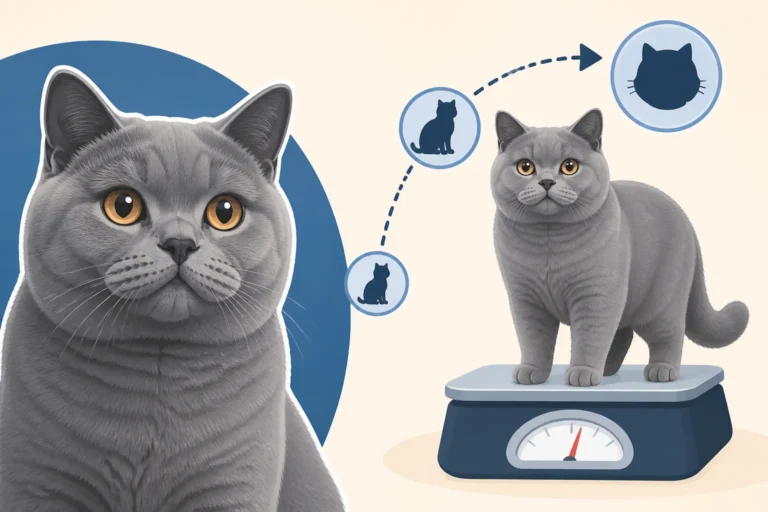
Cats are creatures of habit, and British Shorthairs are no exception. Sudden changes to their diet can lead to digestive upset, including vomiting or diarrhea. If you decide to introduce new food, whether it's wet food, a different dry kibble, or a fresh diet, do so very gradually over a period of 7-10 days. Start by mixing a small amount of the new food with their old food, slowly increasing the proportion of the new food each day while decreasing the old. Observe your cat closely for any signs of digestive distress, changes in appetite, or litter box habits. Monitoring their body condition score and weight regularly will also help you gauge the effectiveness of the new diet and make any necessary adjustments. This mindful approach ensures a smooth transition and a happy, healthy British Shorthair.
Disclaimer
This article is for general informational purposes only and does not constitute professional advice. Laws, prices and regulations vary by location and change over time. Consult a qualified professional for guidance on your specific situation.