Whether a British Shorthair Needs Professional Grooming
Many British Shorthair owners look at their plush, dense-coated companions and assume that such a seemingly sturdy coat must be low-maintenance. While it's true that their unique fur isn't prone to the same tangles as a long-haired breed, the sheer density and texture of a British Shorthair's coat can present its own set of grooming challenges. This guide will delve into the nuances of their remarkable fur and help you determine if, and when, your beloved British Shorthair might genuinely benefit from a professional grooming session.
Understanding the British Shorthair Coat
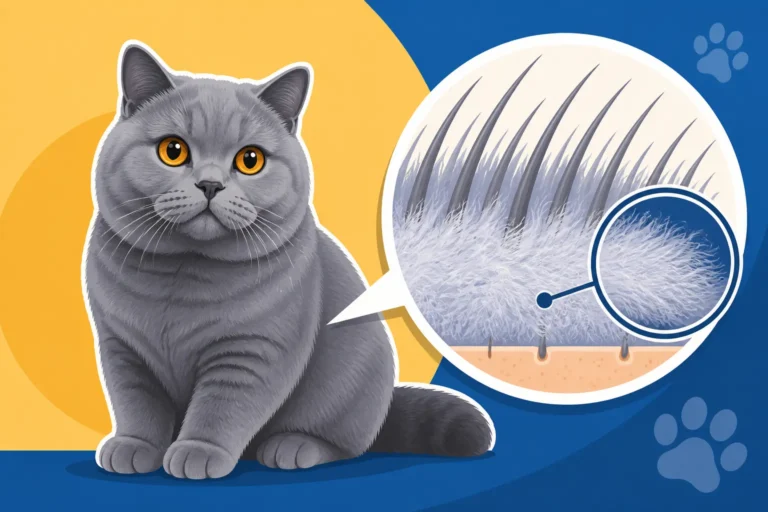
The British Shorthair's coat is one of its most defining features, celebrated for its plushness and density. It's often described as a "crisp" coat, which stands away from the body, giving the cat that iconic teddy bear appearance. But this very characteristic, while beautiful, is also the source of many of its grooming complexities.
The Unique Texture and Density
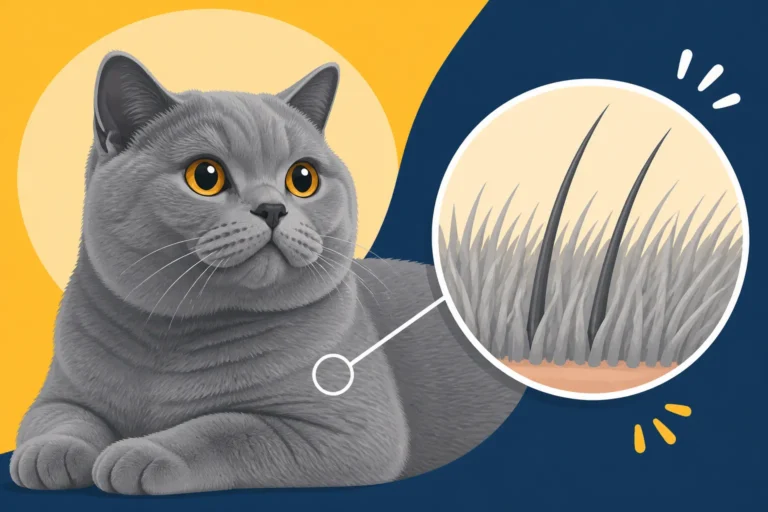
Unlike many other short-haired breeds with sleeker coats, the British Shorthair possesses a double coat. This means they have a soft, thick undercoat that provides insulation, topped by slightly coarser guard hairs. This combination creates that distinctive feel and look. Imagine running your fingers through a deep pile carpet – that’s akin to the sensation of a well-maintained British Shorthair coat. This density means dirt and loose hair can get trapped deep within the layers, far from the reach of a casual brush. The problem isn't usually visible tangles, but rather a build-up of dead hair that forms dense mats close to the skin. Owners might think their cat looks fine on the surface, completely unaware of the felted layers lurking beneath. It’s a bit like trying to clean a thick rug with just a broom – you get the surface dust, but the real grime stays embedded.
Because of this specific structure, simply running a brush over the top rarely does enough. You need tools that can penetrate that thick outer layer to reach the undercoat where most of the shedding occurs. If this loose undercoat isn't removed regularly, it combines with the natural oils and the guard hairs to create a formidable, almost impenetrable layer that can become uncomfortable for your cat. This is especially true for those wonderful, chunky What a British Shorthair Weighs and How Big It Gets boys with their full cheeks and sturdy builds.
Shedding Seasons and Undercoat Challenges
British Shorthairs shed year-round, but like many cats, they have distinct shedding seasons, often in spring and autumn. During these times, they "blow their coat," meaning they shed a significant amount of their undercoat to adapt to changing temperatures. If you've never experienced this with a British Shorthair before, it can be quite a shock. Suddenly, your cat seems to be leaving a little felted version of itself on every piece of furniture, and your clothes become decorated with a fine layer of grey fluff. The Two Weeks a British Shorthair Drops Its Undercoat can feel like an eternity if you're not prepared.
It's during these periods that the risk of dense matting increases dramatically. The shed undercoat, if not removed, can bind together, forming large, flat mats that lie directly against the skin. These mats aren't just unsightly; they can pull on the skin, causing discomfort, pain, and even skin irritation or infections if left untreated. Imagine having a tight knot pulling at your scalp constantly – that's what a British Shorthair experiences with severe matting. Regular combing, specifically with a good quality metal comb designed to reach the undercoat, is absolutely crucial during these times. A simple bristle brush or a slicker brush, while useful for surface grooming, often fails to adequately penetrate this dense double coat, leaving the real problem untouched. This is why Why a Comb Beats a Brush on a British Shorthair is such important advice for owners.
When Home Grooming Isn't Enough
While diligent home grooming with the right tools can prevent many issues, there are times when even the most dedicated owner finds themselves overwhelmed. This is where professional help becomes not just an option, but often a necessity for your British Shorthair's comfort and health.
Tackling Mats and Tangles
Despite your best efforts, sometimes mats happen. Maybe you missed a spot, or a particularly intense shedding cycle caught you off guard, or perhaps your cat just isn't keen on being combed in certain areas. These mats aren't like the fluffy tufts of hair you pick up off the carpet; they can become incredibly dense, hard, and painful. Trying to cut them out with scissors at home is fraught with danger, as it's incredibly easy to accidentally cut the skin, which is often pulled taut beneath the mat. This is a common and genuinely heartbreaking mistake owners make with good intentions.
Professional groomers have the proper tools, like specialized clippers and blades, and the expertise to safely remove these mats without harming your cat. They understand the intricacies of a cat's skin and coat, knowing how to work around the delicate areas. They can address larger, more problematic mats that might have formed in areas like behind the ears, in the armpits, or around the hindquarters – places where your cat might resist your efforts or where you simply can't get a good angle. If you've ever spent an hour trying to untangle a small knot only to have your British Shorthair decide they've had enough, you'll appreciate the efficiency and safety a professional offers.
Addressing Hygiene Issues and Odor
British Shorthairs, generally, are fastidious groomers themselves. However, certain situations can lead to hygiene issues that require more than just a quick comb. An outdoor adventure gone wrong, a forgotten litter box mishap, or even just the accumulation of dander and natural oils can leave their coat feeling greasy or smelling less than fresh. While most British Shorthairs only need a bath once in a blue moon, sometimes it's truly necessary. Bathing a cat, especially one as substantial and often reluctant as a British Shorthair, is an art form.
If your British Shorthair has developed a strong odor or their coat feels sticky or oily, a professional groomer can provide a thorough, safe bath using cat-specific shampoos and conditioners. They have specialized tubs, drying equipment, and techniques to minimize stress for your cat, making the experience as quick and calm as possible. For instance, if your cat has a greasy tail (a common issue known as "stud tail" in intact males, though it can happen to others), a groomer has the products and skill to degrease it safely. It's not just about getting them clean, but doing it in a way that doesn't traumatize them, which can make future home grooming efforts even harder.
Special Needs for Older or Overweight British Shorthairs
As British Shorthairs age, or if they become Obesity Is the British Shorthair's Real Disease, their ability to self-groom can significantly decline. This is a common and often overlooked problem. An older cat might develop Arthritis in an Older British Shorthair, making it painful to twist and turn to reach certain areas, particularly their back or hindquarters. An overweight British Shorthair, with its impressive girth and characteristic primordial pouch, often simply cannot reach its lower back, tail base, or rear. Why an Overweight British Shorthair Stops Grooming Its Back is a serious issue that leads to major matting and hygiene problems.
In these cases, professional grooming isn't a luxury; it's a vital part of their care. A groomer can provide regular maintenance that ensures these cats remain comfortable, clean, and free from mats that could otherwise lead to skin infections or discomfort. They can also perform sanitary clips around the hindquarters to prevent fecal matter from becoming matted in the fur, a deeply unpleasant and unhygienic problem for both cat and owner. This compassionate care ensures that even less mobile or heavier British Shorthairs can maintain a good quality of life and avoid painful, preventable issues.
What a Professional Groomer Offers
A professional groomer brings a level of expertise, equipment, and technique that most home groomers simply can't match. It’s more than just a bath; it's a comprehensive service designed to keep your British Shorthair looking and feeling their best.
Expert De-shedding and Dematting
The primary advantage of a professional groomer, especially for a British Shorthair, is their ability to perform a thorough de-shedding treatment. This process involves using specialized tools and techniques to remove as much loose undercoat as possible. They can get deep into the coat without damaging the guard hairs, effectively thinning out the dense fur that often contributes to matting and excessive shedding around your home. You'll be amazed at how much fur can come off your seemingly "short-haired" cat! This isn't about shaving your cat (which is generally not recommended for British Shorthairs unless absolutely necessary for severe matting or medical reasons, as it can alter their coat texture and insulation), but rather about efficiently removing the dead hair.
Beyond de-shedding, their dematting skills are invaluable. As mentioned, cutting out mats at home can be risky. Professional groomers are trained to safely and carefully work through or clip out stubborn mats, prioritizing your cat's comfort and safety above all else. They understand how to handle a cat that might be stressed or in pain from mats, using gentle restraint techniques and a calm demeanor to minimize trauma. This specialized service can transform a matted, uncomfortable British Shorthair into a relieved and much happier feline.
Full-Service Care Beyond the Coat
Professional grooming isn't just about the fur. A good groomer offers a holistic approach to your cat's hygiene, addressing other crucial areas that are often overlooked or difficult to manage at home. This typically includes nail trims, ear cleaning, and sometimes even a discussion about dental care. Teeth, Ears and Nails on a British Shorthair are just as important as their coat!
Nail trimming can be a wrestling match for many owners, especially with a strong-willed British Shorthair. Groomers are adept at quickly and safely clipping nails, including the often-forgotten dewclaws, preventing them from becoming overgrown, splitting, or growing into the paw pads, which can be very painful. Ear cleaning is another area where professionals shine; they have the right cleaning solutions and know how to gently clean ears without causing irritation or pushing debris further inside. They can also spot early signs of ear infections or mites, prompting you to seek veterinary attention. While dental cleaning requires a vet, a groomer can often provide a general assessment of oral health during their routine checks, letting you know if it's time for a professional dental check-up.
Specialized Equipment and Techniques
Imagine trying to wash a giant, plush teddy bear in your kitchen sink, then trying to dry it thoroughly. That's a bit like trying to give a British Shorthair a proper bath and dry at home. Professional groomers have access to specialized equipment designed for cats, including temperature-controlled bathing tubs, high-velocity dryers (which are much more efficient and less stressful than a human hairdryer), and a wide array of grooming tools like various combs, de-shedding rakes, and clippers.
These tools allow them to work more efficiently and effectively than you might at home. For instance, a high-velocity dryer not only speeds up drying but also helps to 'blast' out loose undercoat, contributing significantly to the de-shedding process. Their techniques are also finely tuned; they know how to handle a cat to minimize stress, how to work with their natural temperament, and how to spot potential skin issues that might be hidden by dense fur. For British Shorthairs who often appreciate routine and dislike sudden changes, a calm and experienced groomer can make all the difference, creating a much more positive experience than a stressful home bath might.
Making the Decision: DIY Versus Professional Care
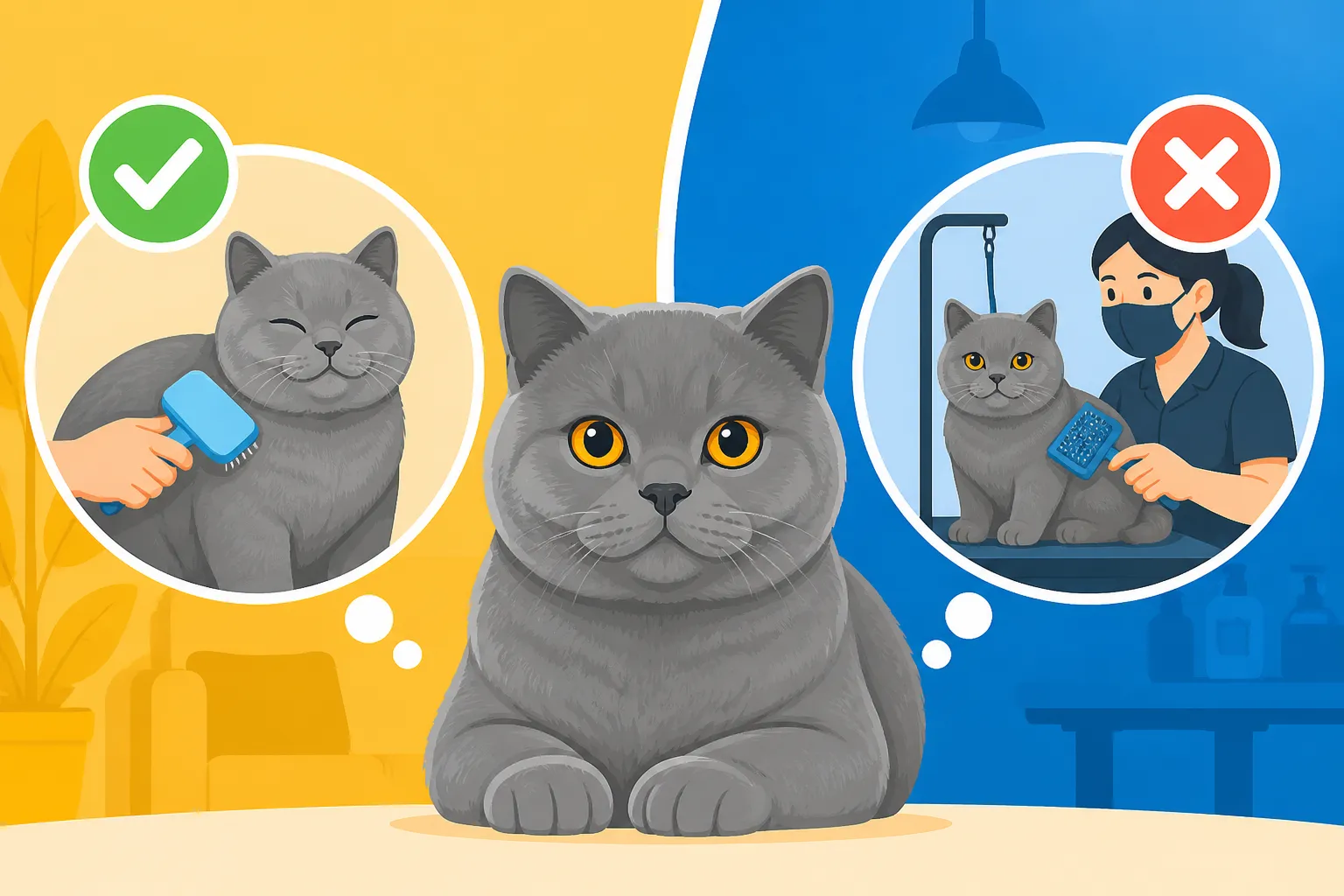
Deciding whether your British Shorthair needs professional grooming is a balancing act between your cat's needs, your own capabilities, and your budget. It's not an all-or-nothing situation; many owners combine home maintenance with occasional professional tune-ups.
Cost Versus Benefit Analysis
Let's be realistic: professional grooming comes with a cost. The exact price can vary widely depending on your location, the groomer's experience, and the specific services your British Shorthair requires (e.g., a simple de-shed vs. extensive dematting). However, it's worth weighing this against the potential benefits and hidden costs of not getting professional help when needed.
| Feature | Home Grooming (DIY) | Professional Grooming |
|---|---|---|
| Cost | Initial investment in tools (combs, clippers, shampoo), ongoing time commitment. | Higher per-session cost, but potentially less frequent. |
| Time | Daily/weekly commitment, can be lengthy for full coat care. | Shorter time commitment per session, done by an expert. |
| Expertise | Learning curve, potential for injury if inexperienced. | Trained professionals, safer, more effective results. |
| Equipment | Basic tools, limited drying options. | Specialized tools, high-velocity dryers, proper tubs. |
| Stress Level | Can be high for both cat and owner if cat resists. | Minimized by experienced handling, but still possible. |
| Mat Removal | Risky with scissors, difficult to do thoroughly. | Safe, efficient, effective removal of severe mats. |
| Deep Cleaning | Limited, especially for thorough baths and drying. | Comprehensive cleaning and thorough drying. |
| Hygiene Issues | Challenging to address severe soiling or odor. | Expert handling of hygiene concerns, sanitary clips. |
| Convenience | Flexible schedule, done at home. | Requires booking appointments, travel. |
Consider the cost of treating skin infections from untreated mats, or the veterinary bill for sedating a cat to shave off a completely felted coat. Sometimes, prevention or early intervention with a professional groomer can actually save you money (and your cat discomfort) in the long run. If your cat is prone to mats, or if you struggle with keeping up with their coat, a professional groomer might be a worthwhile investment a few times a year. You can often find a good selection of quality grooming tools on sites like Chewy or Amazon if you decide to bolster your home grooming kit.
Signs It's Time for Professional Intervention
How do you know when it's truly time to call in the cavalry? Look for these specific signs:
- Persistent Matting: If you find dense, hard mats that you cannot comb out with a fine-toothed metal comb, especially in sensitive areas, it's time. Don't let these grow; they only get worse.
- Greasy or Smelly Coat: If your British Shorthair's fur feels perpetually oily or has developed an unpleasant odor despite your best efforts, a professional bath is likely in order.
- Difficulty Self-Grooming: If your cat is older, arthritic, or Signs a British Shorthair Is Overweight and can no longer reach their back or hindquarters, they need regular professional help to prevent hygiene issues and discomfort.
- Excessive Shedding (and you're losing the battle): If your home is constantly covered in fur and your daily combing isn't making a dent during shedding seasons, a professional de-shedding treatment can significantly reduce the amount of loose hair.
- Behavioral Resistance: If your British Shorthair becomes overly stressed, aggressive, or fearful during home grooming sessions, a professional, who has experience with difficult cats, might be able to handle them more effectively and with less trauma.
- Overgrown Nails and Wax Build-up: If you're consistently missing nail trims or notice dark wax building up in their ears, a groomer can tackle these tasks quickly and safely.
Finding the Right Groomer for Your British Shorthair
If you decide professional help is needed, choosing the right groomer is paramount. Not all groomers are experienced with cats, and cat grooming requires a different approach than dog grooming.
- Seek Cat-Specific Groomers: Look for groomers who explicitly state they groom cats. Even better, look for those with Fear Free certification or who emphasize gentle, low-stress handling techniques for felines.
- Ask for Recommendations: Word-of-mouth from other British Shorthair owners or your veterinarian is invaluable. Your vet might even have a groomer they recommend who is skilled in handling more challenging pets.
- Inquire About Techniques and Tools: Ask what kind of de-shedding tools they use, how they handle mats, and what their bathing and drying process entails. A good groomer should be happy to explain their methods.
- Visit the Facility: If possible, visit the grooming salon beforehand. Is it clean? Does it seem calm and quiet? This is especially important for easily stressed cats like British Shorthairs.
- Discuss Your Cat's Temperament: Be honest about your British Shorthair's personality and any specific anxieties or sensitivities they might have. A good groomer will listen and adapt their approach accordingly.
- Start Small: For a first-timer, you might opt for a partial groom (e.g., just a de-shed and nail trim) to see how your cat tolerates the experience before committing to a full spa day.
In conclusion, while a British Shorthair's sturdy coat might seem easy, its density and unique texture can lead to significant issues if not properly maintained. Regular home combing is your first line of defense, but there are definitely times when a professional groomer becomes an invaluable partner in keeping your beloved British Shorthair healthy, comfortable, and beautiful.
Disclaimer
This article is for general informational purposes only and does not constitute professional advice. Laws, prices and regulations vary by location and change over time. Consult a qualified professional for guidance on your specific situation.