How Dense a British Shorthair’s Coat Is
The teddy bear appearance of the British Shorthair is undeniably charming, drawing many admirers to this beautiful breed. However, what often goes unnoticed until you're elbow-deep in a grooming session (or staring at a new fur tumbleweed rolling across your floor) is just how incredibly dense their plush coat truly is. It's not just a soft outer layer; it's a marvel of natural insulation, and understanding this density is absolutely crucial for proper care, not to mention for managing your expectations about shedding! This comprehensive guide will peel back the layers, so to speak, to explore the remarkable density of the British Shorthair's coat, what makes it so, and how to best care for this defining characteristic.
What Makes a British Shorthair's Coat So Dense
The density of a British Shorthair's coat isn't merely aesthetic; it's a testament to its lineage and the very purpose for which the breed was originally valued. These cats were, after all, once robust working cats in Britain, needing a coat that could withstand the damp, chilly climate. This isn't your average housecat's fur; it's a masterclass in feline insulation.
The Double Coat Structure
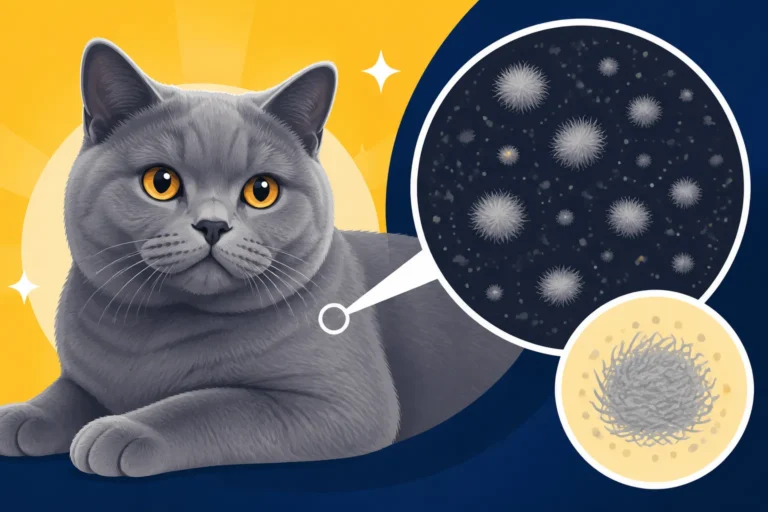
At the heart of the British Shorthair's impressive density lies its double coat. Unlike single-coated breeds, which have just one layer of hair, the British Shorthair boasts two distinct layers that work in harmony:
- Guard Hairs (Outer Coat): These are the longer, coarser hairs that form the outermost protective layer. They give the coat its "crisp" feel and its characteristic ability to "stand away from the body." While they contribute to the overall appearance, they aren't the primary source of the density we're discussing. Think of them as the roof shingles, providing protection and structure.
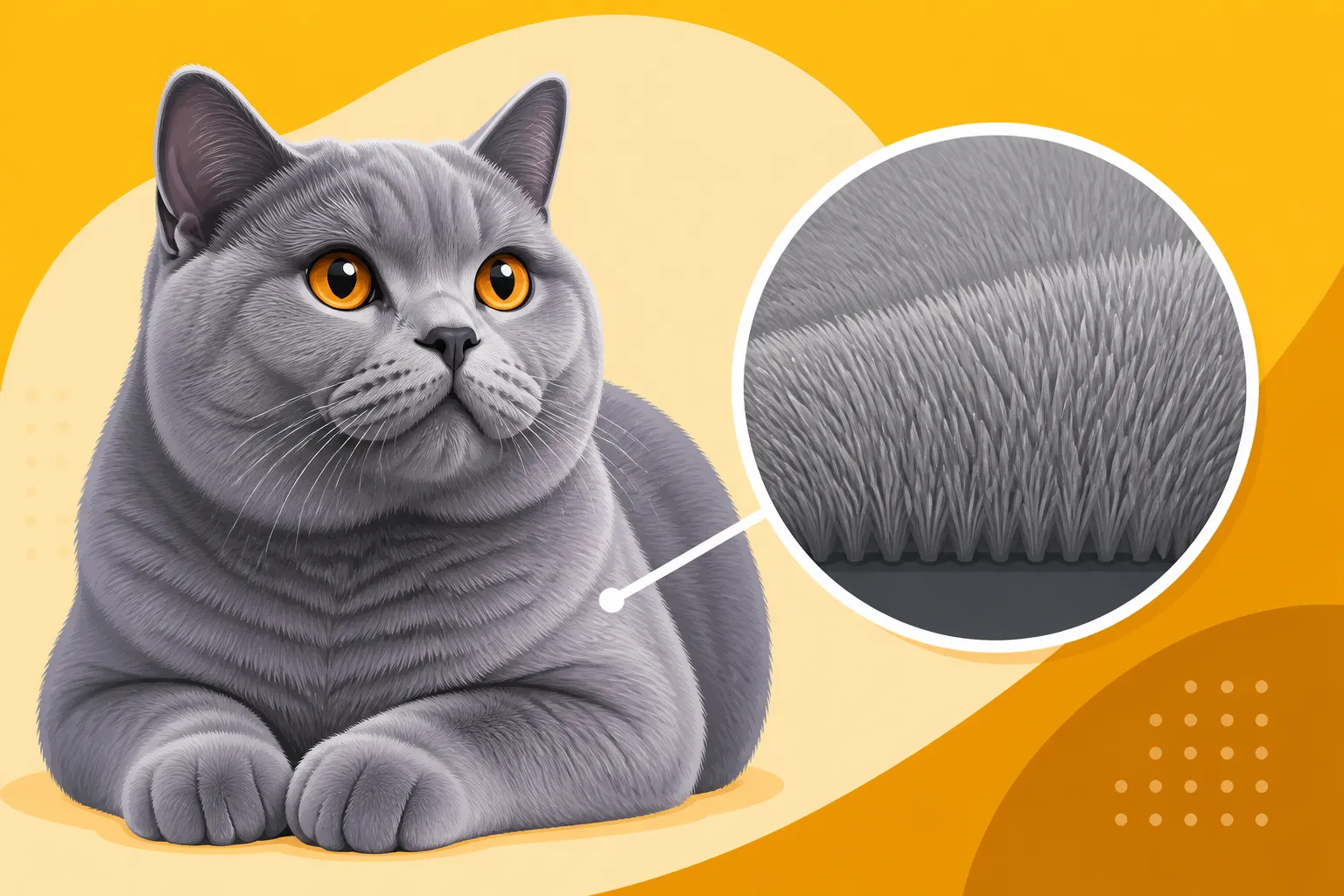
- Undercoat (Inner Coat): Ah, this is where the magic happens! The undercoat is comprised of incredibly fine, soft, and numerous hairs that are much shorter than the guard hairs. These hairs grow in a thick, woolly layer close to the skin. Each hair follicle often produces multiple undercoat hairs, leading to an astonishing number of individual strands packed closely together. This dense, fluffy layer is what provides the majority of the insulation and contributes significantly to the breed's plush, firm feel. It's the thick insulation in your walls, ensuring warmth and comfort. Without this dense undercoat, the British Shorthair wouldn't have that iconic rounded, substantial appearance. Whether a British Shorthair Has an Undercoat will give you more insights into this specific feature.
Genetic Predisposition and Breed Standard
The incredible density of the British Shorthair's coat isn't an accident; it's a carefully preserved genetic trait, honed over centuries. The breed standard for the British Shorthair specifically calls for a "very dense, short coat, plush texture, standing out from the body." This "standing out" quality is directly attributable to the sheer volume of hair, particularly the undercoat, which pushes the guard hairs outward.
This genetic blueprint means that even from a young age, British Shorthair kittens develop this characteristic density. The feeling of running your fingers through a British Shorthair's coat is distinct: it's not silky or airy; it's firm, resistant, and wonderfully plush, almost like touching a deep-pile carpet or a velvet cushion. It's a coat designed for durability and warmth, not necessarily for sleek elegance. Why a British Shorthair's Dense Coat Suited the Climate further explains the historical reasons behind this impressive fur.
How Density Contributes to the "Teddy Bear" Look
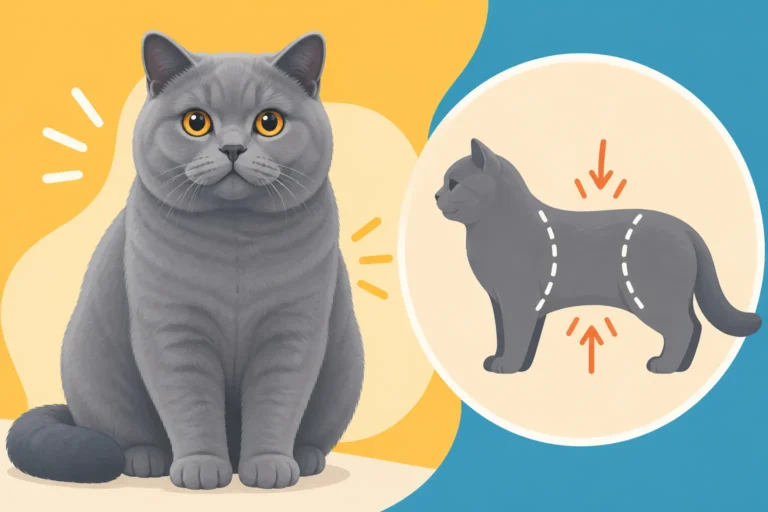
That irresistible "teddy bear" look, the one that makes everyone want to cuddle a British Shorthair, is intrinsically linked to its coat density. The voluminous undercoat, coupled with the way the guard hairs stand away from the body, creates a uniformly thick, rounded silhouette. It minimizes angularity and enhances the breed's naturally cobby body type.
Imagine trying to sculpt a perfect sphere from a material that's thin and flimsy – it would be impossible. But with a dense, resilient material, you get that satisfyingly round form. The same principle applies here. The density ensures that the cat's natural curves are accentuated, from its broad chest to its short, thick tail, giving it that soft, plush toy appearance that has captivated so many cat lovers. Why a British Shorthair's Head Is So Round and What Jowls Are on a Male British Shorthair also touch upon how the fur, especially on the face, adds to their rounded charm.
The Practical Implications of a Dense British Shorthair Coat
While undeniably beautiful and a major part of the British Shorthair's appeal, that dense coat comes with its own set of practical realities. Understanding these will help you provide the best care for your furry friend and manage expectations for your home environment.
Shedding and Hairballs
Let's not sugarcoat it: a dense coat means shedding. A lot of it. The constant renewal of that thick undercoat means that loose hairs are always present, looking for an escape. While British Shorthairs aren't known for year-round extreme shedding like some long-haired breeds, they do have distinct "blowing coat" periods, typically in spring and autumn, where the shedding intensifies significantly. During these times, it can feel like your cat is leaving behind enough fur to knit a small sweater every day.
This shed fur doesn't just end up on your furniture; a good portion of it is ingested by your cat during their self-grooming. This leads to the inevitable—hairballs. These aren't just unpleasant; in severe cases, excessive hair ingestion can lead to digestive blockages. Regular, thorough grooming is your best defense against both fur-covered homes and uncomfortable hairballs. How Much a British Shorthair Sheds delves deeper into the volume of fur you can expect.
Matting Potential
Despite being a short-haired breed, the sheer density of the British Shorthair's coat makes it surprisingly prone to matting, especially if grooming is neglected. Mats typically form in areas of friction or where the fur is particularly fine and dense, such as:
- Behind the ears: A common spot where mats can quickly develop.
- Armpits and inner thighs: Movement causes friction, knotting the dense undercoat.
- Under the collar (if worn): Any pressure point can create a mat.
- Around the sanitary area: If a cat struggles to groom here, especially if overweight, mats can form.
Once a mat begins, it can quickly pull on the skin, becoming painful for your cat. Severe mats might even restrict movement or cause skin infections underneath. Regular grooming isn't just about aesthetics; it's a vital part of preventative health for a British Shorthair with such a dense coat.
Insulation and Temperature Regulation
The primary function of such a dense coat is insulation. It was historically perfect for keeping British Shorthairs warm in cooler climates. However, this same attribute can become a disadvantage in warmer environments or during hot summer months. A British Shorthair can overheat more easily than a cat with a less dense coat.
You might notice your British Shorthair seeking out cool tile floors, stretching out, or generally being less active during peak heat. Providing plenty of fresh water, keeping indoor temperatures comfortable, and avoiding strenuous play during the hottest parts of the day are important considerations. Never underestimate their need for a cooler spot. On the flip side, their dense coat means they are generally quite content in cooler weather, often preferring to curl up in a cozy spot without needing extra blankets. How a British Shorthair Copes With Heat offers more advice for warm weather.
Allergy Concerns
Many people, hoping for a low-shedding or "hypoallergenic" cat, might be drawn to the British Shorthair's calm demeanor. However, the truth is, no cat is truly hypoallergenic, and the dense coat of a British Shorthair can actually exacerbate allergy issues for sensitive individuals. The allergens are primarily found in dander (dead skin cells), saliva, and urine, not just the fur itself.
A dense coat traps more dander and shed hair, which then gets distributed around the home. While some individual allergy sufferers might find they react less to a British Shorthair than to other breeds, it's generally advisable for anyone with cat allergies to spend significant time with a British Shorthair before committing to bringing one home. Regular cleaning and grooming can help reduce the allergen load in your environment, but the density of the coat inherently means more surface area to hold dander.
Caring for That Incredibly Dense British Shorthair Coat
Caring for a British Shorthair's dense coat isn't difficult, but it does require consistency and the right approach. Forget about those flimsy brushes you might have used on other cats; this coat demands something more robust.
Choosing the Right Grooming Tools
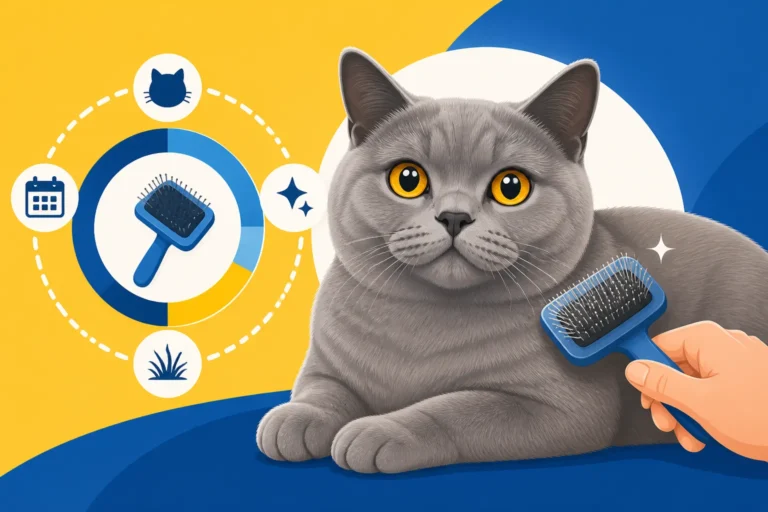
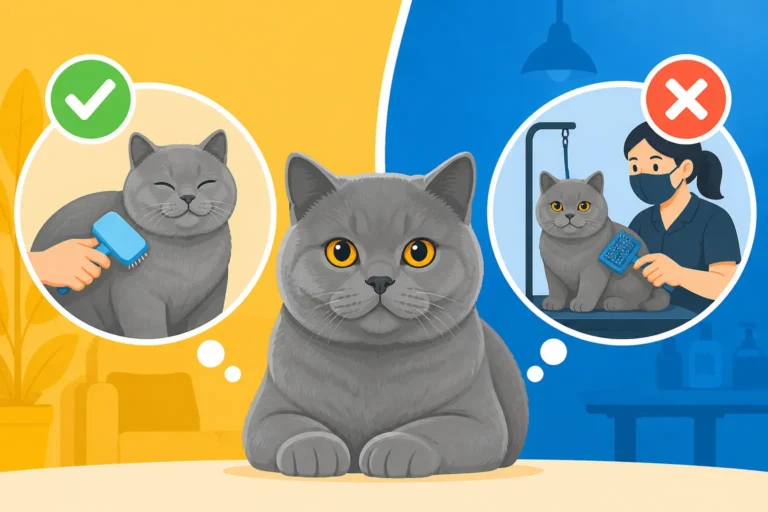
The secret to managing a British Shorthair's dense coat lies in using the correct tools. Many owners instinctively reach for a slicker brush, but for a British Shorthair, this can actually be counterproductive and even painful. Slicker brushes can pull and break the delicate guard hairs, damaging the coat and irritating the skin.
Instead, focus on combs designed to penetrate the dense undercoat:
- Metal Comb (Medium to Wide-Toothed): This is your absolute best friend. A good quality, sturdy metal comb with rounded teeth can reach deep into the undercoat to remove loose hairs and prevent mats without damaging the topcoat. Look for one with both wider and finer-spaced teeth for versatility. Brands available on Amazon or Chewy often have a good selection.
- Shedding Rake: For those heavy shedding periods, a shedding rake with rotating teeth can be incredibly effective at pulling out loose undercoat. It’s designed to go deep without cutting the guard hairs.
- Rubber Curry Brush (Grooming Glove): While not for deep dematting, these are excellent for daily surface grooming, distributing natural oils, and gently removing loose hairs, especially for cats that are sensitive to metal combs.
Which Comb a British Shorthair Needs provides more specifics on selecting the ideal grooming instrument.
Mastering the Combing Technique
Once you have the right tools, technique is key. You can't just skim the surface; you need to get down to the skin.
- Start Gentle: Begin with a wider-toothed comb to gently work through the top layer, checking for any obvious tangles.
- Section by Section: Work in small sections, moving systematically across your cat's body. Start at the head and work your way back.
- Deep Strokes: Hold the fur down at the base with one hand and comb with the other, using long, firm (but not harsh) strokes that penetrate all the way to the skin. This "line combing" technique ensures you're actually removing the dense undercoat.
- Listen and Watch: Pay attention to your cat's body language. If they show signs of discomfort, ease up or move to another spot. Grooming should be a positive experience.
- Focus on Problem Areas: Give extra attention to those areas prone to matting: behind the ears, armpits, and under the tail.
Aim for two to three thorough combing sessions per week, increasing frequency during shedding seasons. How Often a British Shorthair Needs Combing gives you a schedule to follow.
Seasonal Shedding Strategies
British Shorthairs experience seasonal "coat blows" where they shed heavily to prepare for changing temperatures. The Two Weeks a British Shorthair Drops Its Undercoat can feel more like two months! During these times, you'll need to step up your grooming game.
- Daily Combing: During peak shedding, daily combing is not an luxury; it's a necessity. This proactive approach prevents mats from forming and keeps the amount of loose fur around your home more manageable.
- Specialized Tools: This is when a shedding rake really shines. Its ability to gently pull out massive amounts of loose undercoat will make a noticeable difference.
- Hydration and Nutrition: Ensure your cat is well-hydrated and on a high-quality diet. Good nutrition, whether from a premium kibble or a fresh food diet, supports healthy skin and coat, potentially reducing excessive shedding.
Addressing Mats and Tangled Fur
Even with regular grooming, a small mat might occasionally sneak through. It's crucial to address these gently and promptly:
- Small Mats: If you find a small mat, try to work it apart gently with your fingers first. Then, use the finer-toothed side of your metal comb, working from the outer edge of the mat inwards, bit by bit. Always hold the fur at the base of the mat to prevent pulling on the skin.
- Stubborn Mats: For more stubborn mats, a mat splitter or a blunt-nosed scissor can be used, but extreme caution is required. Always point the blades away from the skin and only cut into the mat, not across it. If you're unsure, it's always best to consult a professional groomer or your vet.
- Professional Help: For large, tight, or multiple mats, don't hesitate to take your British Shorthair to a professional groomer. They have the tools and expertise to safely remove mats without causing pain or injury. Attempting to tackle severe matting at home can be very stressful for your cat and may lead to accidental cuts or skin irritation.
Beyond Density: Other Unique Coat Characteristics
The density is just one aspect of the British Shorthair's remarkable coat. Its texture, how it sits, and its protective qualities also make it truly distinct.
The "Crisp" Feel and "Stand-Off" Coat
Beyond just being dense, the British Shorthair's coat has a unique tactile quality often described as "crisp." This isn't to say it's rough or coarse, but rather that it has a firm, resilient springiness to it. When you run your hand against the grain, the fur stands upright and then slowly settles back into place. This is a hallmark of a properly dense, healthy British Shorthair coat. Why a British Shorthair's Coat Feels Crisp explains more.
This crispness, combined with the sheer volume of the undercoat, gives the British Shorthair its characteristic "stand-off" coat. The fur doesn't lie flat against the body like that of many other short-haired breeds. Instead, it seems to puff out, contributing significantly to the breed's rounded, substantial appearance. This stand-off quality also helps to prevent moisture from easily penetrating to the skin, adding to its protective features. Why a British Shorthair's Coat Stands Up gives a visual description.
The Protective Qualities of the Coat
Historically, the British Shorthair was a working cat, and its coat served as vital armor against the elements. Its density and stand-off quality provide excellent protection against cold, damp weather. The tightly packed hairs create an insulating barrier, trapping a layer of warm air close to the body, much like a down jacket. This means your British Shorthair is generally quite comfortable even in cooler temperatures, though still an indoor-only cat for safety.
The coat also offers a degree of protection against minor bumps and scrapes. The thick padding of fur can absorb some impact, though it's certainly no shield against serious injury. This natural defense mechanism is a subtle nod to their origins, reminding us that these pampered housecats once roamed farms and fields. Why a British Shorthair's Coat Protects It details this aspect of their fur.
How Coat Texture Changes with Age
Just like humans, a cat's coat can change as they age. An older British Shorthair might see some subtle shifts in the density and texture of their fur. You might notice:
- Slight Thinning: The coat might become a little less dense overall, especially if the cat develops health issues or isn't grooming itself as effectively.
- Texture Alterations: The crispness might slightly soften, or the fur could become a bit coarser.
- Dullness: If an older cat isn't absorbing nutrients as well, their coat might lose some of its luster.
- Reduced Grooming: Senior cats often have less flexibility or energy to groom themselves thoroughly. This means you might need to increase your grooming frequency to prevent mats, especially in hard-to-reach areas like the back or lower spine. What Changes in an Aging British Shorthair's Coat addresses these issues more fully.
Understanding these changes is part of providing compassionate care for your aging British Shorthair. Your role in maintaining their coat health becomes even more important as they enter their golden years, ensuring they remain comfortable and mat-free.
The British Shorthair's dense coat is truly a defining feature, giving them their iconic look and providing robust protection. While it certainly comes with grooming responsibilities and means a bit more fur around the house, knowing what makes it so special and how to care for it properly ensures your British Shorthair remains healthy, comfortable, and as charming as ever. Embrace the fluff, invest in a good comb, and enjoy that plush, cuddly companion!
Disclaimer
This article is for general informational purposes only and does not constitute professional advice. Laws, prices and regulations vary by location and change over time. Consult a qualified professional for guidance on your specific situation.