How Often a British Shorthair’s Eyes Need Wiping
It can be truly frustrating to see your beloved British Shorthair with watery eyes, or worse, those tell-tale streaks of discharge staining their beautiful fur. It leaves you wondering if it's normal, if you should be worried, and most importantly, how often you should actually be intervening to keep those big, round eyes sparkling clean. This guide is here to demystify British Shorthair eye care, helping you understand what's normal, what's not, and the best way to keep your furry companion comfortable and healthy.
Why British Shorthair Eyes Might Need Wiping
British Shorthairs are absolute charmers with their distinctive round faces and plush coats, but these very features can sometimes lead to unique considerations when it comes to eye health. It's not always a sign of something serious; often, it's just a combination of their genetics and their environment working together. Understanding these factors is the first step in knowing how to care for their eyes properly.
The British Shorthair's Unique Facial Structure
One of the most endearing qualities of a British Shorthair is their wonderfully round head and full cheeks, which contribute to that adorable teddy bear look we all love. However, this distinctive brachycephalic (or somewhat flattened) facial structure can sometimes influence how their tear ducts function. While not as extreme as some other brachycephalic breeds, their slightly shortened muzzles and broad faces can mean that the tear ducts, which are responsible for draining tears away from the eyes and into the nasal cavity, aren't always perfectly efficient. This can lead to tears pooling in the corners of their eyes or overflowing onto their fur, creating those reddish-brown tear stains that British Shorthair owners are all too familiar with. This isn't usually painful for the cat, but it does mean a bit more attention might be needed to keep their eyes clean and the surrounding fur free from irritation. You can appreciate their unique features further by reading The Round Head and Copper Eye a British Shorthair Is Judged On.
Another aspect of their facial structure to consider is the depth of their eye sockets. British Shorthairs often have large, wide-set eyes that, while beautiful, can be a bit more exposed to environmental elements than those of cats with deeper-set eyes. This increased exposure can mean that tiny dust particles, stray hairs, or other airborne irritants are more likely to make contact with the eye surface. The eye's natural response to such irritants is to produce more tears to flush them out, leading to increased moisture around the eyes. This protective mechanism is completely normal, but again, it can result in more frequent wiping becoming necessary to manage the excess moisture and prevent staining or skin irritation beneath the eye.
Common Environmental Irritants
Our homes, as clean as we try to keep them, are full of tiny irritants that can affect a cat's eyes, especially for a British Shorthair. Dust, for instance, is a constant battle for many of us, and those microscopic particles can easily float into your cat's eyes. Even things we might not think about, like aerosols from air fresheners, cleaning products, or even cooking fumes, can cause mild irritation. If your British Shorthair spends a lot of time near a window, pollen or other outdoor allergens brought in on a breeze can also be culprits, causing their eyes to water more than usual. Keeping an eye on these potential triggers can help you understand why your cat's eyes might be a bit more watery on certain days.
Beyond invisible particles, the environment immediately surrounding your cat can play a huge role. Perhaps they love to burrow into a dusty blanket, or maybe their favorite sleeping spot is right next to a drafty door that kicks up debris. Even certain types of litter, especially clay litters with fine dust, can become airborne and irritate sensitive feline eyes. Consider your cat's favorite spots and their daily habits. If you notice a particular surge in watery eyes after they've been napping in a specific area or after you've cleaned with certain products, it might be worth investigating if these are contributing factors. Sometimes, a simple change, like switching to a low-dust litter, can make a significant difference in reducing eye irritation and the need for frequent wiping.
Normal Physiological Secretions
Just like humans, cats produce tears all the time, not just when they're upset or when something is irritating their eye. This continuous production of tears is essential for keeping the surface of the eye lubricated, washing away minor debris, and protecting against infection. These tears are usually clear and drain away unnoticed through the tear ducts. Sometimes, however, a tiny bit of clear or slightly off-white discharge can collect in the corner of their eyes, especially after a long nap. This is often just dried tear film mixed with a bit of normal cellular debris and is completely benign. Think of it like "sleep" in your own eyes; it's a natural part of the eye's cleaning process.
The frequency with which you might notice this normal discharge can vary from cat to cat. Some British Shorthairs might have consistently pristine eyes, while others, due to their facial structure or even individual tear production rates, might accumulate a small amount of discharge daily. It's when this discharge changes in color, consistency, or volume that you need to pay closer attention, but a small, clear, or slightly whitish speck in the corner of the eye that's easily wiped away is generally nothing to worry about. This is simply the eye doing its job, and a quick, gentle wipe every now and then is all that's usually needed to keep things tidy.
Recognizing Normal Versus Excessive Discharge
One of the biggest challenges for any cat owner is discerning between what's perfectly normal and what might be a red flag. Your British Shorthair can't tell you if their eyes feel itchy or uncomfortable, so it's up to you to be a keen observer. Understanding the nuances of eye discharge is crucial for providing appropriate care and knowing when a vet visit is warranted.
What Healthy Eye Discharge Looks Like
Healthy British Shorthair eyes should generally be bright, clear, and free from excessive tearing or discharge. If you do notice anything, it should typically be a very small amount of clear or slightly whitish discharge in the inner corner of the eye, particularly upon waking. This is often just a combination of dried tears and minor cellular debris that the eye naturally flushes out. It should be easy to remove with a soft, damp cloth or a specialized eye wipe. The fur around their eyes should also be clean and dry, without any significant staining or matting. A healthy eye should never appear red, swollen, or cloudy, nor should your cat be squinting, rubbing their eyes, or showing any signs of discomfort.
When you're observing your British Shorthair, also pay attention to the overall appearance of their eyes. The third eyelid (nictitating membrane) should not be visible unless they are very relaxed or just waking up. The pupils should be equal in size, and they should react appropriately to light. Any deviation from these norms, even if the discharge itself seems clear, could indicate an underlying issue. Consistent monitoring allows you to establish a baseline for your individual cat's healthy eye appearance, making it much easier to spot any subtle changes that might require your attention or a professional opinion.
Signs of Trouble: Color, Consistency, Frequency
When eye discharge moves beyond the realm of "normal," it's usually because there's a change in its characteristics. The color is a huge indicator: if the discharge turns yellowish, greenish, or becomes thick and opaque, it’s a strong sign of infection or inflammation. This kind of discharge suggests the presence of pus and bacteria, which definitely needs veterinary attention. Even if it's not a strong color, any discharge that becomes more opaque, like a milky white or grey, rather than just clear or slightly whitish, is also a cause for concern.
The consistency is another key factor. Normal tears are watery, but problematic discharge can become stringy, gooey, or crusty, making the fur around the eye stick together. If you find your British Shorthair's eyelids are matted shut, or if there's a constant, thick accumulation that's hard to wipe away, this points to an issue. Lastly, the frequency and volume of discharge matter immensely. If your cat suddenly has continuously watering eyes, or if you're wiping away significant amounts of discharge multiple times a day when you previously only needed to occasionally, this increase signals that something is irritating the eye or there’s an infection brewing. Always consider these three elements together to get a full picture of what might be happening with your British Shorthair’s eyes.
Other Symptoms Accompanying Eye Discharge
It's rare for problematic eye discharge to be the only symptom if something truly serious is going on. Often, it comes hand-in-hand with other signs that collectively paint a clearer picture for you and your veterinarian. For instance, if your British Shorthair is squinting, blinking excessively, or pawing at their face, it strongly suggests pain or irritation in the eye itself. This could be due to a foreign body, a scratch on the cornea, or even an ulcer. You might also notice redness or swelling of the eyelids or the conjunctiva (the pink tissue lining the eyelids), indicating inflammation.
Beyond the immediate eye area, keep an eye out for systemic signs that your cat isn't feeling well. Is your British Shorthair hiding more than usual? Has their appetite decreased? Are they lethargic or less playful? Sometimes, eye discharge can be a symptom of a broader respiratory infection, like a feline herpesvirus flare-up, which might also present with sneezing and nasal discharge. Changes in behavior, grooming habits, or overall energy levels, when combined with abnormal eye discharge, warrant a swift call to your vet. Catching these accompanying symptoms early can make a big difference in diagnosis and treatment. Read more about general health signs in Signs a British Shorthair Is Unwell.
| Type of Discharge | Appearance | Potential Cause | Action Needed |
|---|---|---|---|
| Normal | Small, clear to slightly whitish, watery or crusty when dry | Routine eye cleansing, minor environmental irritants | Gentle wiping as needed |
| Tear Staining | Reddish-brown streaks on fur below eyes, wet fur | Inefficient tear drainage, sometimes mild irritation | Regular wiping, investigate underlying cause if severe |
| Yellow/Green | Thick, opaque, pus-like | Bacterial infection, severe inflammation | Veterinary visit required |
| Milky/Cloudy | Opaque white or grayish, stringy | Viral infection (e.g., feline herpesvirus), chlamydia | Veterinary visit recommended |
| Excessive Clear | Constant watering, tear overflow, no color | Allergies, foreign body, blocked tear duct, irritation | Monitor; vet if persistent or causes discomfort |
The Right Way to Wipe Your British Shorthair's Eyes
When it comes to wiping your British Shorthair's eyes, it's not just about getting rid of the gunk; it's about doing it gently, safely, and in a way that doesn't cause stress or potential injury. Their eyes are delicate, and rushing the process can lead to more harm than good. A calm approach and the right tools are key to making this a positive experience for both of you.
Essential Tools and Supplies
Before you even think about approaching your British Shorthair's face, gather everything you'll need. The most important tool is something soft, absorbent, and completely lint-free. Cotton balls are a good choice, but even better are specific pet eye wipes, which are pre-moistened and often contain gentle, vet-approved cleaning solutions. You can find these readily on sites like Chewy or Amazon. Make sure they are specifically designed for cats and free from harsh chemicals, perfumes, or alcohol. Avoid using tissues or human wipes, as these can contain irritants or leave behind fibers.
You'll also need a separate, fresh wipe or cotton ball for each eye to prevent any potential spread of infection from one eye to the other. If you're using plain cotton balls, a saline solution designed for ophthalmic use (contact lens saline, not contact lens cleaner) or simply lukewarm, distilled, or boiled and cooled water can be used to moisten them. Never use tap water directly, as it may contain impurities or chlorine that can irritate the eyes. Having a few treats on hand can also be a game-changer, helping to associate eye wiping with positive reinforcement and making your cat more cooperative during future sessions.
A Gentle Step-by-Step Approach
Approaching your British Shorthair with a calm demeanor is paramount. Choose a quiet time when your cat is relaxed, perhaps after a nap or a cuddle. If your cat tolerates being held, gently secure them in a comfortable position, or simply sit beside them on the sofa. Speak in soothing tones throughout the process.
Here's a step-by-step guide:
- Prepare your tools: Have your chosen wipes or moistened cotton balls ready.
- Positioning: Gently cup your cat's head with one hand, ensuring they feel secure but not restrained.
- Wiping motion: Take a fresh wipe or cotton ball. Starting at the inner corner of the eye (near the nose), gently wipe outwards towards the ear. Use a single, smooth stroke. Be very careful not to touch the eyeball directly.
- Repeat if necessary: If there's more discharge, use a fresh wipe and repeat the process. Always wipe away from the eye.
- Separate for each eye: Use a completely new wipe or cotton ball for the second eye to avoid cross-contamination.
- Clean the fur: After wiping the eye itself, you can use a fresh, damp cloth to gently clean any tear stains or damp fur around the eye area.
- Reward: Immediately follow with praise, petting, and a tasty treat. This positive association is crucial for making future wiping sessions easier.
Remember that patience is key. If your cat becomes agitated, stop and try again later. For resistant cats, you might need to introduce this gradually, starting with just a quick touch near the eye and slowly building up to a full wipe over several days. Sometimes, their soft fur, like What a British Shorthair's Coat Is Like, can make the area around the eyes sensitive, so be extra gentle.
Establishing a Routine for Eye Care
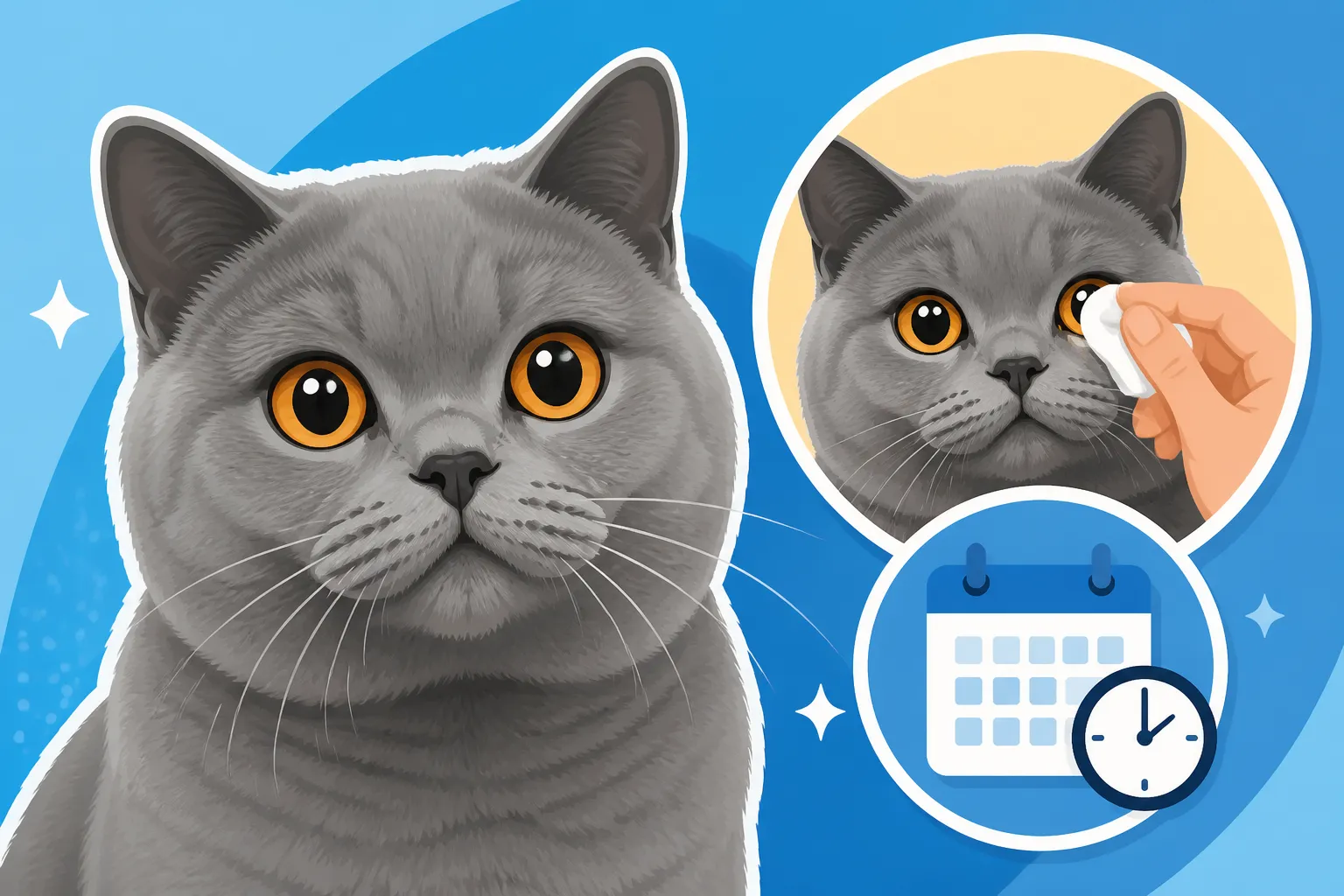
Consistency is your best friend when it comes to any grooming routine for your British Shorthair, and eye care is no exception. While some British Shorthairs might only need their eyes checked and occasionally wiped a few times a week, others, particularly those prone to tear staining due to their facial structure, might benefit from a quick daily wipe. The goal is to prevent the build-up of discharge and subsequent staining or irritation, rather than waiting for a problem to develop.
The best way to figure out your cat's individual needs is to observe them regularly. Check their eyes daily, perhaps during your morning cuddles or evening lap time. If you notice any moisture or discharge beginning to accumulate, that's your cue to intervene. If their eyes consistently look clean and dry, then a less frequent schedule, say every other day or a few times a week, might suffice. Integrating eye wiping into an existing grooming routine, like after a quick comb through their dense coat (you can learn more about this in How Often a British Shorthair Needs Combing), can help make it feel less like a chore and more like a natural part of their daily pampering. Over time, your British Shorthair will likely become accustomed to the routine, making the process smoother for everyone involved.
When to Call the Vet
While routine eye wiping is a normal part of British Shorthair care, there are definite times when home remedies and observation aren't enough. Knowing these warning signs is crucial, as delaying veterinary attention for eye issues can sometimes lead to more serious, irreversible problems. Don't hesitate to contact your vet if you're ever in doubt.
Persistent or Worsening Symptoms
One of the clearest signals that it's time to call the vet is if the eye discharge persists despite your best efforts, or if it noticeably worsens. If the discharge you're wiping away starts off clear and then progresses to yellow, green, or becomes thicker and more frequent, this is a strong indicator of an infection that won't resolve on its own. Similarly, if the redness in their eyes or eyelids increases, or if the swelling becomes more pronounced, professional intervention is needed. These symptoms suggest that the underlying cause is more than just environmental irritation or normal tear overflow.
Furthermore, if the tear staining around the eyes becomes severe, deep, or starts to irritate the skin beneath, even after consistent wiping, it's worth a vet visit. This could point to a chronic issue with tear duct drainage or even a bacterial or yeast infection on the skin caused by the constant moisture. A vet can assess the tear ducts, rule out anatomical issues, and prescribe appropriate medication to clear up any infections. Ignoring persistent or worsening symptoms means your British Shorthair could be living with discomfort or a condition that could become more difficult to treat over time.
Signs of Pain or Discomfort
Cats are masters at hiding pain, a trait stemming from their wild ancestors who needed to conceal weakness to avoid predators. This means you need to be extra vigilant to spot subtle signs that your British Shorthair is uncomfortable. If you notice your cat squinting, blinking rapidly, or holding one eye partially or fully closed, it's a huge red flag indicating pain. Pawing at their face or rubbing their head against furniture more than usual also suggests irritation or discomfort.
Beyond the physical signs, observe their behavior. If your typically calm British Shorthair becomes withdrawn, irritable, or unusually sensitive around their head, it could be a response to eye pain. They might also shy away from light, seeking darker spots in the house. Any of these behavioral changes, especially when combined with abnormal eye discharge, warrant immediate veterinary attention. These could be symptoms of serious conditions like corneal ulcers, glaucoma, or even a foreign object lodged in the eye, all of which require prompt diagnosis and treatment to prevent permanent damage to their precious eyesight.
Emergency Situations
While most eye issues develop gradually, there are certain scenarios that constitute a veterinary emergency. If you ever see a sudden injury to the eye, such as a scratch, puncture, or a visible foreign object embedded in the eye, do not attempt to treat it yourself. Cover the eye loosely to prevent further damage and get your British Shorthair to an emergency vet clinic immediately. Even seemingly minor injuries can quickly escalate into serious infections or permanent vision loss without prompt professional care.
Another emergency sign is sudden blindness or a noticeable change in vision, such as your cat bumping into objects or being disoriented. This could indicate a retinal detachment, acute glaucoma, or other severe conditions that require urgent diagnosis. Similarly, if one or both eyes suddenly bulge, appear significantly swollen, or if the third eyelid suddenly covers a large portion of the eye and stays there, these are all critical symptoms needing immediate veterinary attention. In these situations, every minute counts, and a quick response can often save your cat's vision and alleviate their suffering. When in doubt, always err on the side of caution and consult your veterinarian. Regular check-ups, like those detailed in What a British Shorthair's Yearly Bloodwork Should Cover, can sometimes catch underlying issues before they become emergencies.
Preventative Care and General Eye Health
While we can't completely prevent all eye issues, there's a lot we can do as responsible British Shorthair owners to support their overall eye health and reduce the likelihood of problems. From what they eat to the environment they live in, many factors contribute to bright, healthy eyes.
Dietary Considerations for Eye Health
What your British Shorthair eats plays a vital role in their overall health, and that includes the health of their eyes. A high-quality, balanced diet rich in essential nutrients, vitamins, and antioxidants can help bolster their immune system and reduce inflammatory responses throughout the body, including in the eyes. Look for cat foods that list real meat as the primary ingredient and avoid those with excessive fillers, artificial colors, or by-products. Ensuring they get adequate Omega-3 fatty acids, often found in fish oils, can be particularly beneficial due to their anti-inflammatory properties, which can help with conditions that cause eye irritation.
While specific “eye health” foods aren't typically necessary for a healthy British Shorthair, ensuring their diet is complete and appropriate for their life stage is paramount. Proper hydration is also crucial; encourage your British Shorthair to drink plenty of water, as this supports overall bodily functions, including tear production and drainage. Sometimes, dehydration can manifest in dull eyes or reduced tear quality. Always consult your vet before making significant dietary changes, especially if your cat has existing health conditions, or if you're trying to manage their weight (a common concern, as discussed in Feeding a British Shorthair That Will Eat Whatever You Put Down).
Environmental Management
Your British Shorthair's immediate environment significantly impacts their eye health. A dusty home, for example, can be a constant source of irritation, leading to watery eyes and increased discharge. Regular cleaning, using a vacuum with a HEPA filter, and keeping windows clean can reduce airborne irritants. Consider using air purifiers in rooms where your cat spends the most time, especially if you live in an area with high pollen counts or pollution.
Furthermore, pay attention to the products you use in your home. Harsh cleaning chemicals, strong air fresheners, or even certain scented candles can release volatile organic compounds (VOCs) that irritate sensitive feline eyes. Opt for pet-safe, unscented products whenever possible. Another often-overlooked environmental factor is dust from cat litter. Switching to a low-dust or dust-free litter can make a surprising difference for cats prone to eye irritation. By managing these environmental factors, you can significantly reduce the load on your British Shorthair's eyes, minimizing the need for frequent wiping and keeping them more comfortable. Also, ensure they have access to fresh, clean drinking water, as discussed in How Much Water a British Shorthair Should Drink.
Regular Vet Check-ups and Early Detection
Perhaps the most important aspect of preventative care for your British Shorthair's eyes, and their overall health, is a schedule of regular veterinary check-ups. Even if your cat seems perfectly healthy and you're diligent with home care, annual (or more frequent for senior cats) vet visits are indispensable. During these appointments, your veterinarian will perform a thorough physical exam, which includes a close inspection of your British Shorthair's eyes. They can spot subtle signs of underlying conditions that might not be obvious to you at home, such as early cataracts, corneal issues, or even structural abnormalities that predispose your cat to eye problems.
Your vet can also perform specific diagnostic tests if needed, such as a Schirmer tear test to check tear production, or a fluorescein stain test to detect corneal abrasions or ulcers. These routine checks allow for early detection and intervention, which is often key to successful treatment and preventing more serious complications down the line. Discuss any concerns you have about eye discharge, redness, or changes in vision with your vet during these visits. They can provide tailored advice and guidance, ensuring your British Shorthair receives the best possible care throughout their life, affirming the breed's general health as explored in Whether a British Shorthair Is a Healthy Breed.
Disclaimer
This article is for general informational purposes only and does not constitute professional advice. Laws, prices and regulations vary by location and change over time. Consult a qualified professional for guidance on your specific situation.