What a British Shorthair Should Weigh
It’s a common sight: a British Shorthair looking like a plush, weighty teddy bear, and for many owners, it raises the natural question of whether that delightful heft is actually healthy. These magnificent cats are known for their robust, cobby build, which can make it incredibly tricky to discern between a well-built, muscular kitty and one that’s carrying a few too many pounds. This guide is here to unravel the mystery of the British Shorthair's ideal weight, helping you understand their unique physique, how to assess their condition accurately, and what steps you can take to ensure your beloved companion stays happy and healthy for years to come.
Understanding the British Shorthair's Unique Build
The British Shorthair is a breed famed for its distinctive, solid appearance. When you look at them, you see strength and substance, a far cry from the sleek, svelte lines of many other cat breeds. This isn't accidental; it's a defining characteristic of the breed standard, and it's what makes them so utterly charming. However, this very characteristic can be a source of confusion for owners trying to gauge their cat's health.
Why They Look So Big and Solid
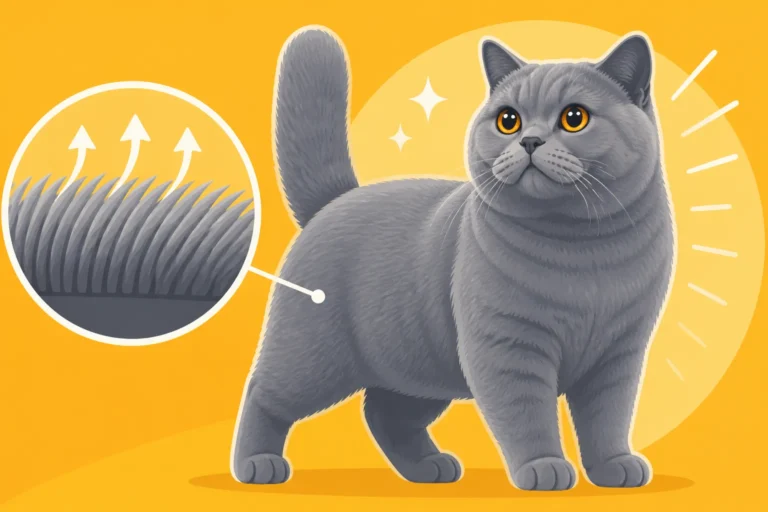
From their broad chest to their thick, powerful legs, and especially those wonderfully round faces with full cheeks (often called jowls in males), British Shorthairs are designed to be substantial. Their dense, plush coat also adds to this illusion of size, acting like a thick winter jumper that can conceal a multitude of sins beneath. It means that what might look like a perfectly "normal" cat on the scale could actually be a bit overweight, or conversely, a healthy cat might appear larger than it actually is. It's a delightful but deceptive package! Many new owners are often surprised by Why a British Shorthair Is Built to Look Heavy.
The Role of Their Cobby Body Type
The term "cobby" is often used to describe the British Shorthair's body type, meaning they are short-bodied, sturdy, and heavily boned. This isn't a fluffy way of saying "fat"; it describes their actual skeletal structure and musculature. They have a deep, full chest and a muscular neck that flows into broad shoulders. Their legs are relatively short and strong, supporting their substantial frame, and their tail is thick at the base, tapering to a rounded tip. This inherent density means they naturally carry more weight than a more slender breed of the same height. This robust framework is part of their charm, but it's essential to appreciate that their build itself contributes to their overall weight.
Healthy Weight Ranges for British Shorthairs
When we talk about healthy weight, it's rarely a single magic number that applies to every cat. Just like people, cats have individual variations, but we can certainly provide a general range that most healthy British Shorthairs fall into. It’s important to remember that these are guidelines, and a vet's assessment using body condition scoring is always the gold standard.
Typical Weight for Males and Females
Generally speaking, male British Shorthairs are larger and more heavily built than females, a common trait across many cat breeds.
- Adult Male British Shorthair: A healthy male typically weighs anywhere from 12 to 18 pounds (approximately 5.4 to 8.2 kg). You'll notice they have more prominent jowls and a broader head, which contributes to their overall majestic appearance. They tend to fill out more completely than females.
- Adult Female British Shorthair: Females are usually a bit daintier, though still substantial compared to other breeds. Their healthy weight range is generally between 9 to 14 pounds (approximately 4.1 to 6.4 kg). They might not develop the same dramatic jowls as the males, but they still possess that signature rounded face.
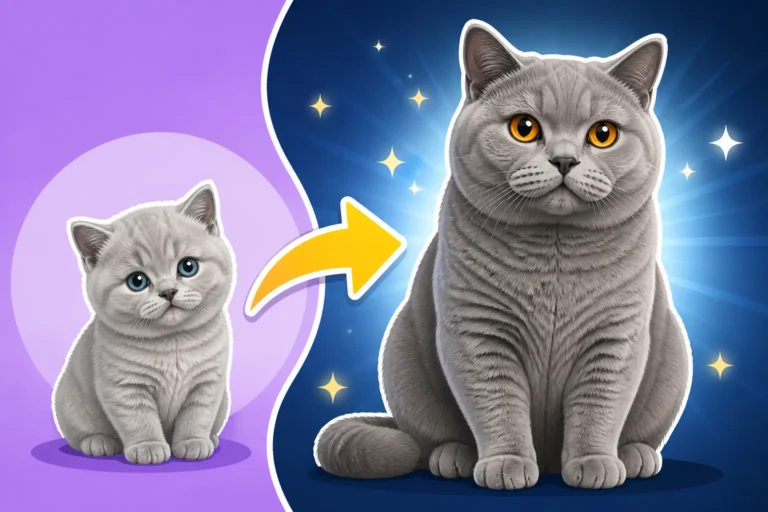
It's crucial to understand that these ranges are for fully mature adults. A British Shorthair doesn't reach its full size and weight until around three to five years of age, so a younger cat might naturally weigh less. Don't expect a one-year-old to hit the upper end of these scales, but also don't panic if your two-year-old is still growing into its frame. What a British Shorthair Should Weigh at Two Years covers this in more detail.
How Weight Changes with Age
A British Shorthair's weight journey isn't static. It evolves throughout their life stages, and understanding these shifts can help you keep them on track.
- Kittenhood: British Shorthair kittens grow rapidly, but they shouldn't be chunky. They should be sleek, active, and well-proportioned for their age. Overfeeding kittens can set them up for obesity later in life, so even at this stage, mindful feeding is key.
- Adolescence (1-3 years): This is when they really start to "fill out." Their musculature develops, and their bones solidify. They'll gain weight steadily, moving towards their adult size. It's during this period that owners might start to notice them looking more substantial and less lanky. This filling out process can take several years.
- Prime Adulthood (3-8 years): Once they reach their full mature size, their weight should stabilize within the healthy adult range. This is the period where maintaining a consistent healthy weight is paramount to prevent the onset of age-related health issues.
- Senior Years (8+ years): As British Shorthairs age, their metabolism can slow down, and their activity levels might decrease. This makes them prone to weight gain, especially if their diet isn't adjusted. However, unexpected weight loss in an older cat can also be a significant warning sign of underlying health issues and should always be investigated by a vet. Caring for a British Shorthair Past Ten provides more insights into the needs of aging British Shorthairs.
Assessing Your British Shorthair's Body Condition
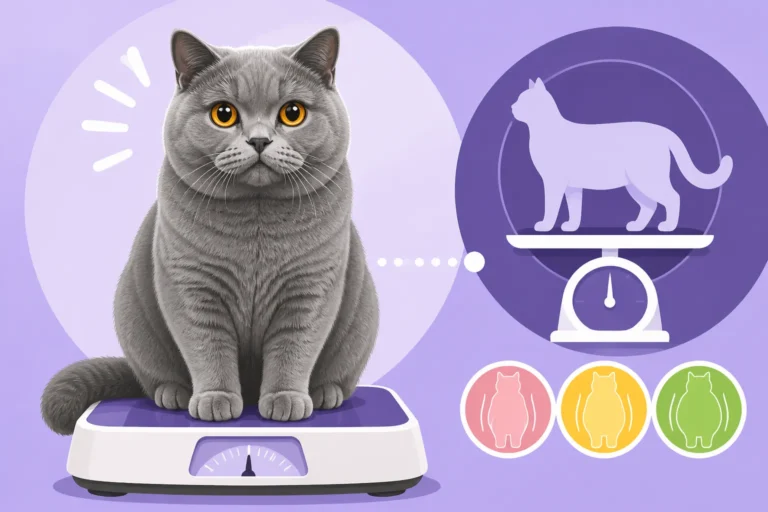
Simply weighing your British Shorthair on a scale, while a good starting point, doesn't tell the whole story. Because of their dense coat and cobby build, a seemingly "normal" weight might still hide an unhealthy amount of body fat. This is where body condition scoring (BCS) comes in, offering a more nuanced and accurate way to assess your cat's health.
Why the Scale Doesn't Tell the Whole Story
Imagine trying to guess someone's fitness level just by their weight; it's impossible without considering their height, build, and muscle mass. The same applies to our feline friends, especially British Shorthairs. Their heavy bone structure and abundant fur mean that what would be an appropriate weight for a lanky Siamese could be dangerously underweight for a British Shorthair, and vice-versa. Relying solely on the number on the scale can lead to misinterpretations and missed opportunities to intervene if your cat is becoming overweight. It's a piece of the puzzle, but not the entire picture. What a Healthy British Shorthair Weighs on the Scale outlines more on this.
The Importance of Body Condition Scoring
Body condition scoring is a hands-on assessment that evaluates your cat's fat reserves by feeling their ribs, spine, and waistline. It’s typically done on a 5-point or 9-point scale, with the middle score representing ideal body condition. This method is far more effective than just weighing because it accounts for individual variations in build and coat density. You can do this at home, but your vet will also perform it during routine check-ups.
Here’s a simplified 5-point guide for assessing your British Shorthair:
| Score | Description | Ribs, Spine, Hips | Abdominal Tuck / Waist | Overall Impression |
|---|---|---|---|---|
| 1 | Severely Underweight | Easily visible, no fat cover | Severe tuck | Extreme muscle loss, bony protrusions |
| 2 | Underweight | Easily palpable, minimal fat cover | Obvious tuck | Ribs palpable with little soft tissue, prominent waist |
| 3 | Ideal Weight | Palpable with slight fat cover | Visible tuck | Well-proportioned, visible waist, ribs felt easily |
| 4 | Overweight | Hard to feel, moderate fat cover | Little to no tuck | Ribs felt with difficulty, broad waist, slight sag |
| 5 | Obese | Cannot feel, heavy fat cover | No tuck, bulging belly | Massive fat deposits, no waist, heavy abdominal sag |
How to Feel Your Cat's Ribs and Waistline
Performing a body condition assessment on your British Shorthair involves a few gentle touches. Don't worry, they usually don't mind a little petting!
- Feel the Ribs: Gently run your flat palms along your cat's sides, just behind their front legs. You should be able to feel their ribs with a slight, thin layer of fat over them, much like the back of your hand. If the ribs are clearly visible and sharply defined, your cat might be underweight. If you have to press hard to feel them, or can't feel them at all, they're likely overweight. Remember, their dense fur can make this tricky, so a firm but gentle touch is key. How to Feel a British Shorthair's Ribs Through the Plush goes into more detail.
- Check the Waist: Look down at your cat from above. A healthy British Shorthair should have a discernible waist, an inward curve just behind the rib cage and before the hips. For a British Shorthair, this curve won't be as dramatic as in a svelte breed, but it should still be present. If their sides are straight or bulge outwards, they are likely overweight.
- Assess the Abdominal Tuck: Look at your cat from the side while they are standing. The abdomen (tummy area) should tuck up slightly behind the rib cage. If their belly sags or bulges, it's a sign of excess fat. A visible belly pouch (primordial pouch) is normal for some cats and should not be confused with obesity, but excessive sagging usually indicates too much fat.
By combining the scale weight with a regular body condition score, you'll have a much clearer picture of your British Shorthair's true physical state and can adjust their care accordingly.
The Risks of Being Overweight (and Underweight)
Maintaining a healthy weight isn't just about aesthetics; it's fundamental to your British Shorthair's overall health and longevity. Both being overweight and underweight can lead to significant health problems, severely impacting their quality of life.
Health Issues Associated with Obesity
Sadly, obesity is a prevalent issue in many domestic cats, and British Shorthairs are particularly susceptible due to their naturally low activity levels and love for food. Carrying too much weight can drastically increase their risk of developing a host of serious health conditions. Obesity Is the British Shorthair's Real Disease is a comprehensive look at this widespread problem.
- Diabetes Mellitus: One of the most common and serious consequences of feline obesity is diabetes. Excess fat can make your cat's body less responsive to insulin, leading to dangerously high blood sugar levels. Managing feline diabetes can be costly, time-consuming, and significantly impacts your cat's daily life, often requiring daily insulin injections.
- Joint Problems and Arthritis: British Shorthairs are naturally sturdy, but carrying extra weight puts immense strain on their joints, especially their hips and elbows. This can accelerate the development of arthritis, leading to pain, stiffness, and reduced mobility. An overweight cat might struggle to jump, climb, or even move comfortably, diminishing their ability to play and interact. What Obesity Does to a British Shorthair's Joints highlights this specific concern.
- Liver Disease (Hepatic Lipidosis): Rapid weight loss in an overweight cat, often caused by illness or stress, can lead to hepatic lipidosis, or "fatty liver disease." This is a life-threatening condition where fat accumulates in the liver, impairing its function. It's particularly dangerous because it often occurs when a cat stops eating, and an obese cat has more fat reserves to mobilize to the liver, making them more vulnerable.
- Urinary Tract Issues: Overweight cats are at a higher risk of developing urinary tract diseases, including bladder stones and blockages. Reduced mobility can lead to less frequent urination, allowing crystals to form in the bladder. Plus, it can be harder for them to get into and out of standard litter boxes comfortably, potentially leading to inappropriate urination.
- Skin and Coat Problems: An obese British Shorthair often struggles to groom itself effectively, especially around its back, tail, and hindquarters. This can lead to matted fur, skin infections, dandruff, and even parasite infestations that go unnoticed. A healthy coat is a sign of a healthy cat, and an inability to maintain it is a clear warning sign. Why an Overweight British Shorthair Stops Grooming Its Back further explores this issue.
- Reduced Quality of Life and Lifespan: Beyond specific diseases, obesity simply makes life harder for your cat. They have less energy, are less inclined to play, and might seem generally less enthusiastic. Studies show that overweight cats have a significantly shorter lifespan than those at a healthy weight.
Dangers of Being Underweight
While less common for British Shorthairs than being overweight, being underweight is equally concerning and requires veterinary attention.
- Underlying Health Conditions: Unexplained weight loss is often the first sign of a serious underlying medical problem, such as hyperthyroidism, kidney disease, dental pain, inflammatory bowel disease, or even cancer. If your British Shorthair is losing weight without any dietary changes, a vet visit is imperative to diagnose the cause.
- Nutritional Deficiencies: A cat that isn't eating enough or isn't absorbing nutrients properly can suffer from deficiencies, leading to a dull coat, poor energy levels, and a weakened immune system. This makes them more susceptible to infections and slower to recover from illness.
- Muscle Wasting: When a cat is underweight, they often lose muscle mass. This impacts their strength, mobility, and overall resilience. Muscle loss is particularly critical for older cats, as it can accelerate the aging process and lead to frailty.
Factors Influencing British Shorthair Weight
A British Shorthair's weight isn't just about how much food you put in their bowl; it's a complex interplay of diet, activity, genetics, and life stage changes like neutering. Understanding these factors can empower you to make informed decisions for your cat's health.
The Impact of Diet and Portion Control
This is probably the biggest piece of the puzzle. British Shorthairs are notoriously fond of their food and, left to their own devices, will often overeat. Their ancestors were adept hunters, but modern domestic life rarely requires such caloric expenditure.
- Calorie Density: The type of food you offer plays a huge role. Dry kibble, while convenient, is often very calorie-dense. Even a small handful too many can quickly add up to excess calories over a week. Wet food, with its higher water content, can sometimes help a cat feel fuller on fewer calories, aiding in weight management.
- Free-Feeding vs. Scheduled Meals: Free-feeding, where food is left out all day, is a recipe for disaster for most British Shorthairs. They lack the self-control to regulate their intake, leading to constant snacking and calorie overload. Why Free Feeding Ruins a British Shorthair dives into this specific pitfall. Scheduled meals, ideally two or three times a day, allow you to precisely measure and control their caloric intake. This simple change can make a massive difference in preventing and managing weight issues.
- Treats and Table Scraps: While it's lovely to spoil your cat, treats are often high in calories and offer little nutritional value. They can quickly sabotage even the most carefully planned diet. If you do offer treats, ensure they are specifically formulated for cats, given sparingly, and accounted for in their daily calorie allowance. Avoid human food entirely, as many common ingredients are toxic or harmful to cats.
Activity Levels and Exercise Needs
Let's be honest: British Shorthairs are not known for their Olympic-level athleticism. They are generally calm, placid cats who prefer lounging to leaping. This low energy level means they don't naturally burn many calories, making diet control even more critical.
- Sedentary Lifestyle: Many British Shorthairs are perfectly content to nap in a sunbeam for hours, moving only for food or a quick trip to the litter box. While this contributes to their endearing, chill personality, it also means they need deliberate encouragement to move.
- Encouraging Play: You might have to get creative to engage your British Shorthair in play. They might not be sprinters, but they can enjoy short bursts of interactive play with wand toys or laser pointers. Puzzle feeders are also excellent for slowing down eating and providing mental stimulation, turning mealtime into a mini "hunt." Even a few minutes of active play several times a day can make a difference. Check out How to Get a British Shorthair to Move for more practical tips.
- Environmental Enrichment: Providing vertical spaces like sturdy cat trees (strong enough for a heavy cat!), scratching posts, and window perches can encourage some natural climbing and exploration, even if it's just a leisurely stretch rather than a full sprint.
The Role of Genetics and Breed Predisposition
While diet and exercise are hugely influential, genetics also play a part in a cat's predisposition to weight gain or loss. British Shorthairs, with their solid build, are naturally built for a certain amount of robustness.
- Genetic Predisposition to Robustness: Their breed standard calls for a "cobby" build, which means they are genetically designed to be sturdy and broad. This isn't a license for them to be fat, but it does mean their lean weight will be higher than a more slender breed.
- Metabolic Rate: Individual cats can have slightly different metabolic rates, influenced by genetics. Some cats naturally burn calories faster than others. However, extreme differences are rare, and diet and exercise remain the primary drivers of weight.
Neutering and Hormonal Changes
Neutering (spaying or castration) is a beneficial procedure for your cat's health and behavior, but it's a significant factor in weight management that owners often overlook.
- Slower Metabolism: After neutering, a cat's metabolism typically slows down. This means they require fewer calories to maintain their weight. If their food intake isn't adjusted downwards, weight gain is almost inevitable. Why a Neutered British Shorthair Gains Faster explains this phenomenon.
- Increased Appetite: Paradoxically, some cats experience an increase in appetite after neutering, making the battle against the bulge even harder.
- Importance of Adjustment: It is crucial to transition your neutered British Shorthair to a lower-calorie, or "neutered cat" specific food, or simply reduce their portion size, immediately after the procedure. This proactive approach can prevent weight gain before it even starts.
Maintaining a Healthy Weight for Your British Shorthair
Now that we understand the complexities of British Shorthair weight, let's talk about practical, actionable steps you can take to keep your furry friend in optimal condition. It's a commitment, but one that pays dividends in their health and happiness.
Calorie Calculation and Portioning
This is the cornerstone of weight management. You need to know how much your cat should be eating, not just how much they want to eat.
- Consult Your Vet: The absolute best starting point is a conversation with your veterinarian. They can help you determine your British Shorthair's ideal weight, calculate their daily caloric needs based on their age, activity level, and current body condition, and recommend an appropriate diet.
- Follow Food Guidelines (with caution): Commercial cat food bags often have feeding guides, but these are usually broad recommendations. Always start with the lower end of the recommended range for their ideal weight, not their current weight if they are overweight. Then, adjust based on their body condition score over time.
- Accurate Measuring: Invest in a digital kitchen scale to measure food precisely, especially dry kibble. Scoops can be wildly inaccurate. Even a slight overfill daily adds up. For instance, measuring out a specific weight of food can make a huge difference compared to just using a measuring cup.
- Small, Frequent Meals: As mentioned, move away from free-feeding. Breaking their daily calorie allowance into two or three small meals can help regulate their hunger and metabolism.
Choosing the Right Food
Not all cat foods are created equal, and the right choice can significantly aid in weight management.
- High Protein, Moderate Fat, Low Carb: Cats are obligate carnivores, meaning their diet should be primarily meat-based. Look for foods with high-quality animal protein as the first ingredient. High protein content helps maintain muscle mass, especially important if your cat needs to lose weight.
- Wet Food Advantage: Wet food generally has a higher moisture content and lower caloric density per serving compared to dry kibble. This can help your cat feel fuller with fewer calories and contributes to better hydration, which is great for urinary health. Consider fresh, portion-controlled meals or a variety of high-quality wet foods.
- Weight Management Formulas: If your British Shorthair is already overweight or prone to gaining weight, your vet might recommend a prescription weight-loss diet. These foods are specifically formulated to be lower in calories and higher in fiber to help cats feel full while still receiving essential nutrients. When a British Shorthair Needs a Prescription Diet explains more about these specialized foods.
Incorporating Exercise and Play
Even a naturally sedentary British Shorthair needs some activity. It might take patience and creativity to get them moving, but it’s crucial for their physical and mental well-being.
- Interactive Play: Dedicate 10-15 minutes, two or three times a day, to active play. Wand toys, feather teasers, or even just a crumpled piece of paper can spark their interest. The key is to make it unpredictable and engaging, mimicking hunting behavior.
- Puzzle Feeders: These are fantastic for British Shorthairs. They force your cat to "work" for their food, slowing down mealtime and providing mental and physical stimulation. There are many varieties available, from simple treat balls to more complex dispensers, readily available on platforms like Chewy or Amazon.
- Vertical Spaces: Encourage climbing with sturdy cat trees or shelves. Even if they just walk up and down a few times a day, it’s more activity than just lounging on the sofa. Ensure any climbing structures are robust enough to safely support their weight.
- Leash Training (Optional): Some British Shorthairs can be leash-trained for short, gentle walks in a safe, enclosed outdoor space. This isn't for every cat, but it's an option for those who show interest in exploring.
Regular Monitoring and Vet Check-ups
Consistency and professional guidance are vital.
- Weekly Weight Checks: If your cat is on a weight loss program, weigh them weekly at home using a reliable pet scale (or even a bathroom scale, weighing yourself first, then yourself holding the cat, and subtracting the difference). This helps you track progress and make small adjustments as needed.
- Monthly Body Condition Scoring: Perform a BCS every month. This hands-on check ensures you're seeing real changes in fat levels, not just scale weight.
- Annual Vet Visits: Regular veterinary check-ups are non-negotiable. Your vet can monitor your British Shorthair's weight, perform thorough body condition assessments, catch any underlying health issues early, and adjust their diet and care plan as they age or if their needs change. They can also offer advice on What a British Shorthair's Yearly Bloodwork Should Cover to ensure overall health.
Maintaining a healthy weight for your British Shorthair is an ongoing journey, but with consistent effort, the right knowledge, and your vet's support, you can help them live a long, vibrant, and incredibly cuddly life.
Disclaimer
This article is for general informational purposes only and does not constitute professional advice. Laws, prices and regulations vary by location and change over time. Consult a qualified professional for guidance on your specific situation.