Whether a British Shorthair Hemophilia Carrier Bleeds
British Shorthair hemophilia B carriers do not bleed abnormally because their normal X chromosome produces sufficient Factor IX.
Know what to watch for.
Breed-specific conditions, screening and DNA tests, what surgery actually costs, and the daily habits that stretch a healthy lifespan.
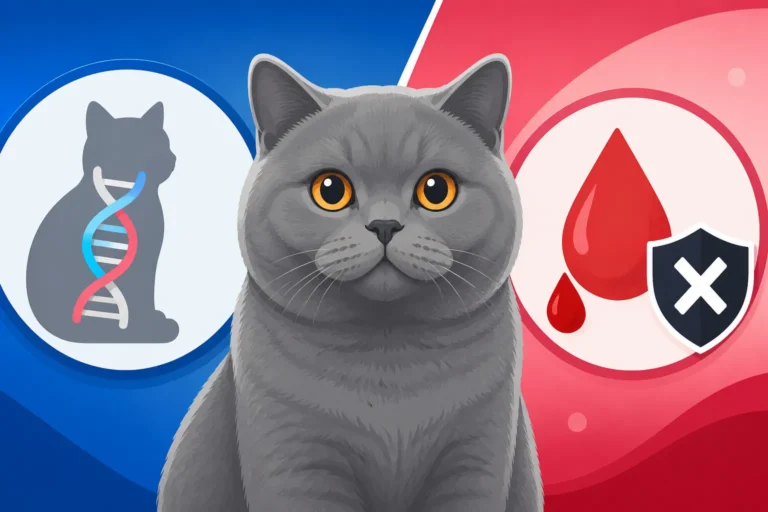
British Shorthair hemophilia B carriers do not bleed abnormally because their normal X chromosome produces sufficient Factor IX.
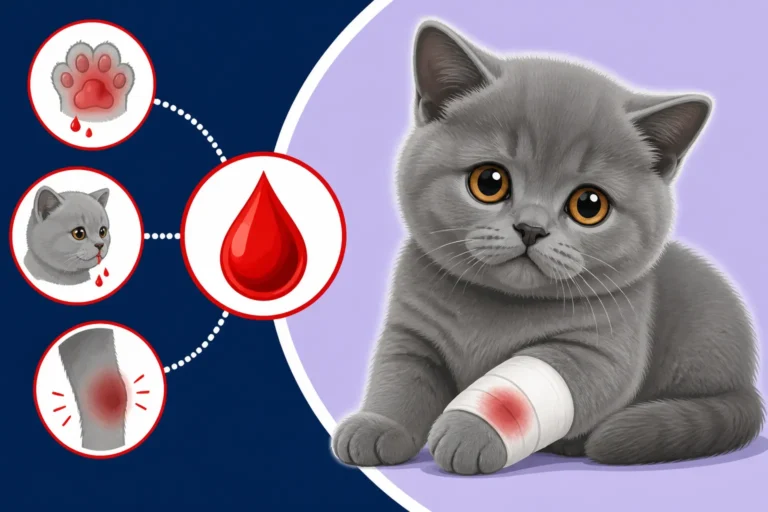
Hemophilia B is an inherited X linked bleeding disorder affecting male British Shorthair kittens due to Factor IX deficiency.
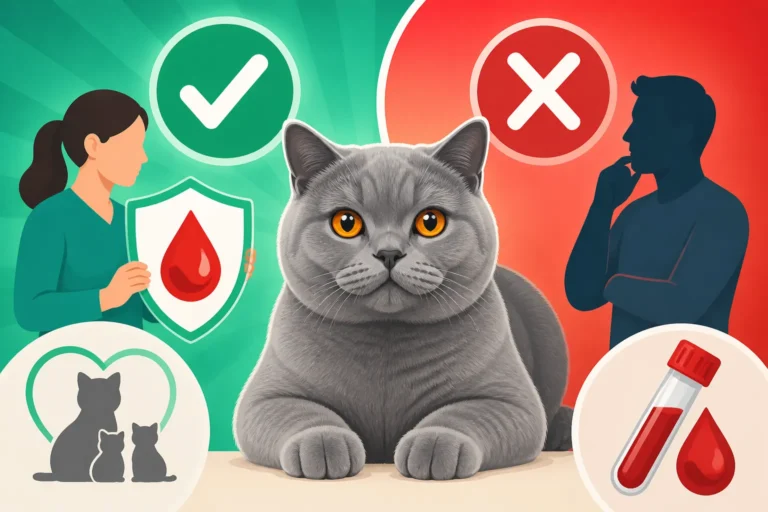
British Shorthair blood types and genetic screening methods explain how breeders prevent neonatal isoerythrolysis in kittens.
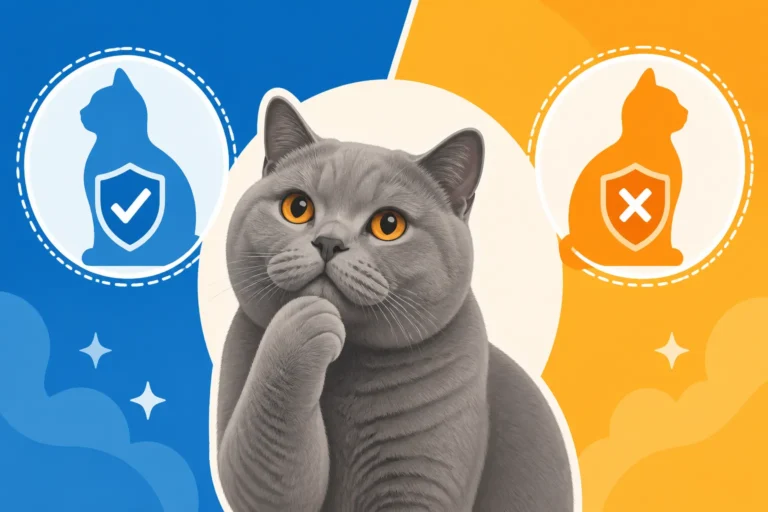
British Shorthair blood typing helps neutered cats during medical emergencies, explaining why type B blood matters for pet safety.
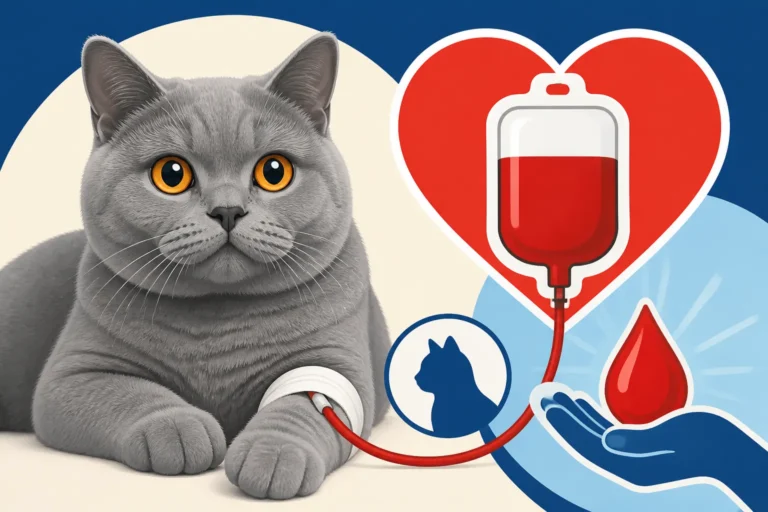
Feline blood donation criteria explain whether healthy British Shorthairs weighing over ten pounds can safely donate blood.
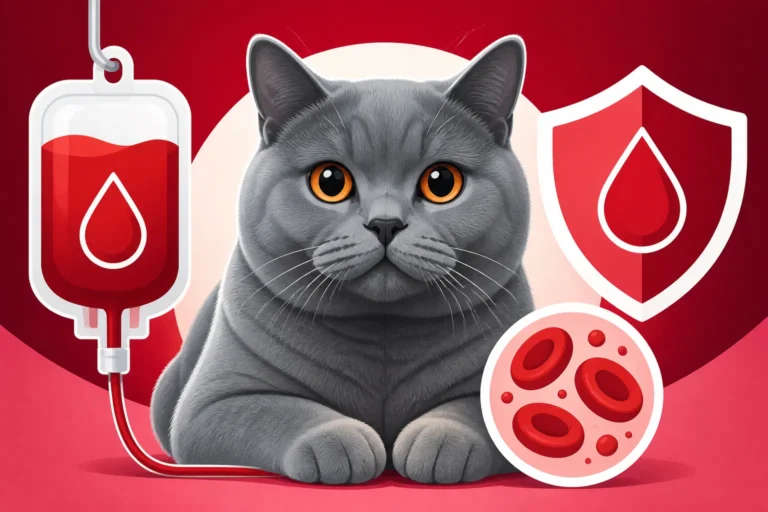
British Shorthair blood types and the feline AB system explain why receiving Type A blood causes fatal reactions in Type B cats.

British Shorthair blood types include dominant Type A and recessive Type B alleles, alongside a very rare feline AB group.
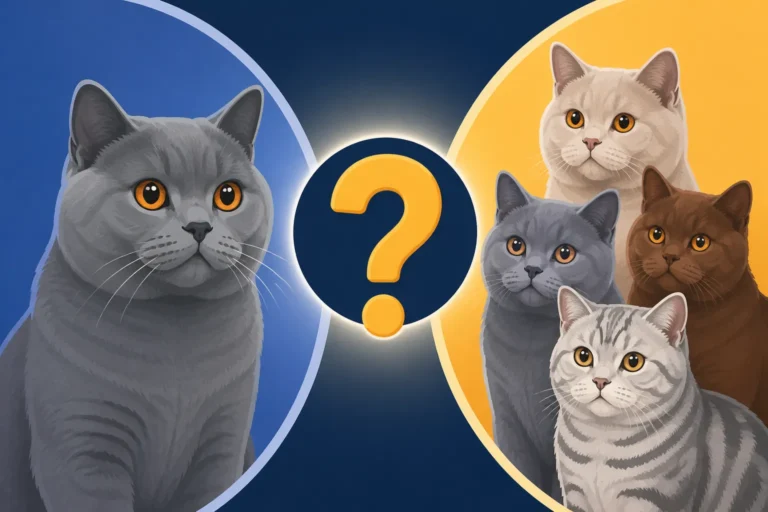
Breeding compatibility rules for Type B British Shorthair queens prevent neonatal isoerythrolysis in newborn feline litters.
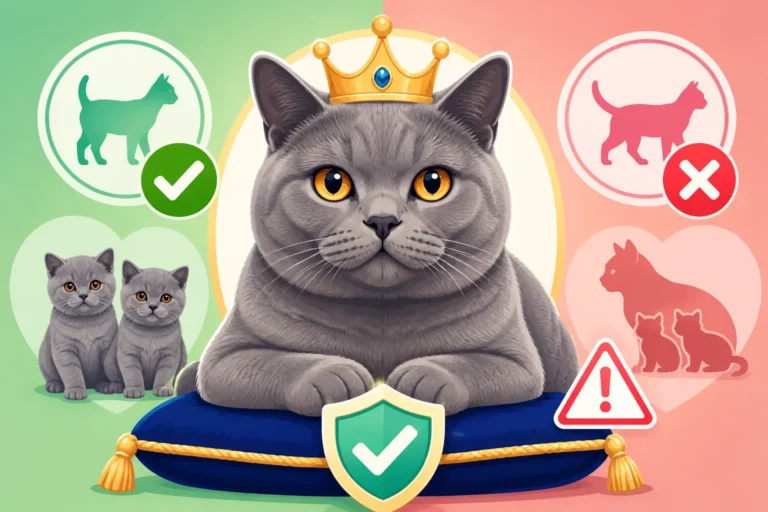
Type B British Shorthair breeding risks, neonatal isoerythrolysis causes, and safe prevention protocols for newborn kittens.
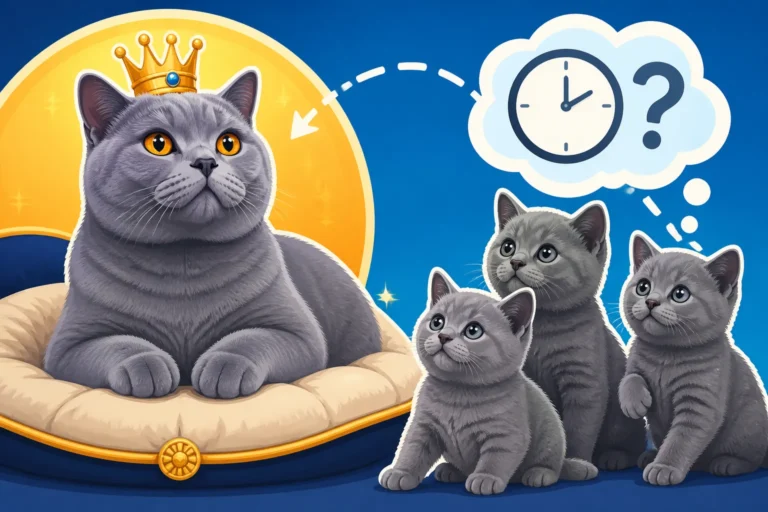
British Shorthair kittens must stay off a Type B queen for twenty-four to forty-eight hours to survive Neonatal Isoerythrolysis.