How Many British Shorthair Lines Carry HCM
Hypertrophic Cardiomyopathy prevalence in British Shorthairs, explaining why heart disease lines remain impossible to trace without screenings.
Know what to watch for.
Breed-specific conditions, screening and DNA tests, what surgery actually costs, and the daily habits that stretch a healthy lifespan.
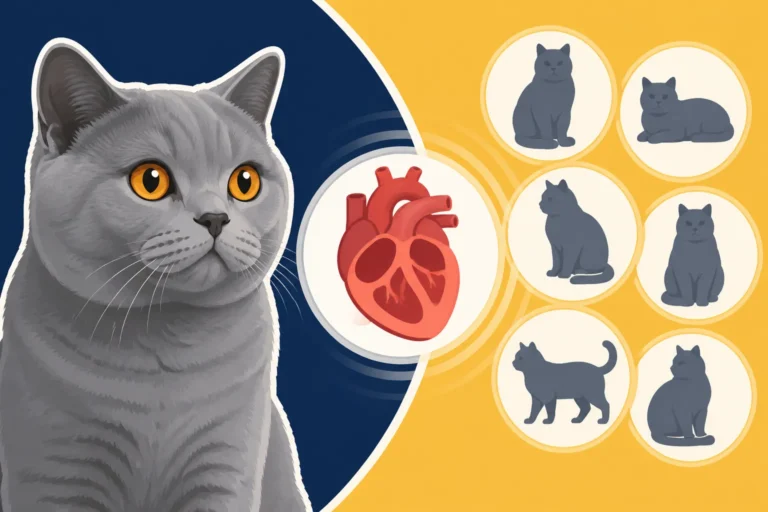
Hypertrophic Cardiomyopathy prevalence in British Shorthairs, explaining why heart disease lines remain impossible to trace without screenings.
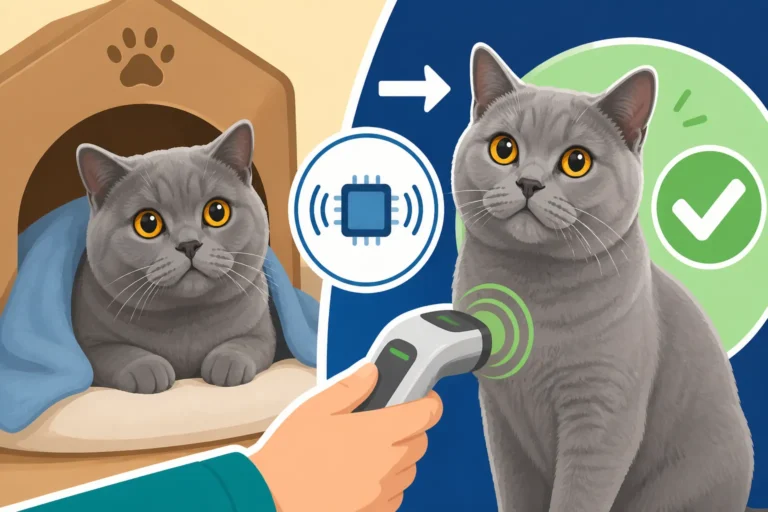
Rescue organizations rarely perform breed-specific health scans for British Shorthairs due to limited budgets and resource priorities.

British Shorthair echocardiogram results help breeders screen for Hypertrophic Cardiomyopathy because reliable DNA tests are unavailable.

Breeding an affected British Shorthair carrying genetic conditions like Hypertrophic Cardiomyopathy raises severe ethical and health dilemmas.
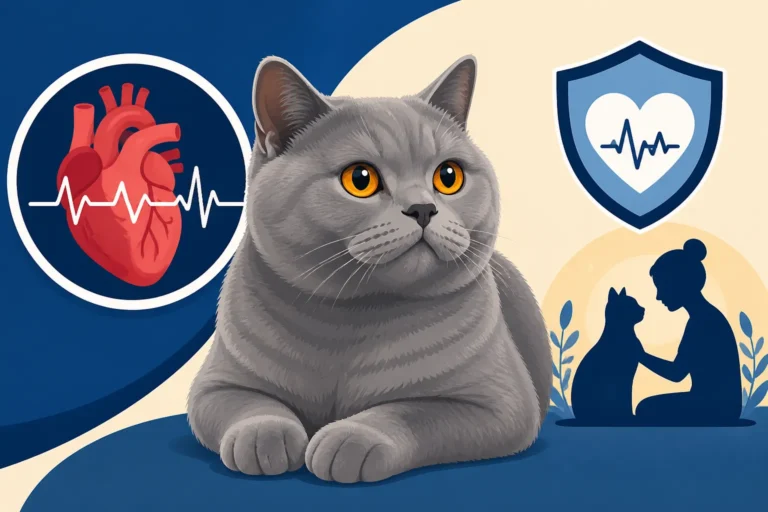
British Shorthair lifespan after an HCM diagnosis ranges from weeks to several years based on disease stage and individual factors.
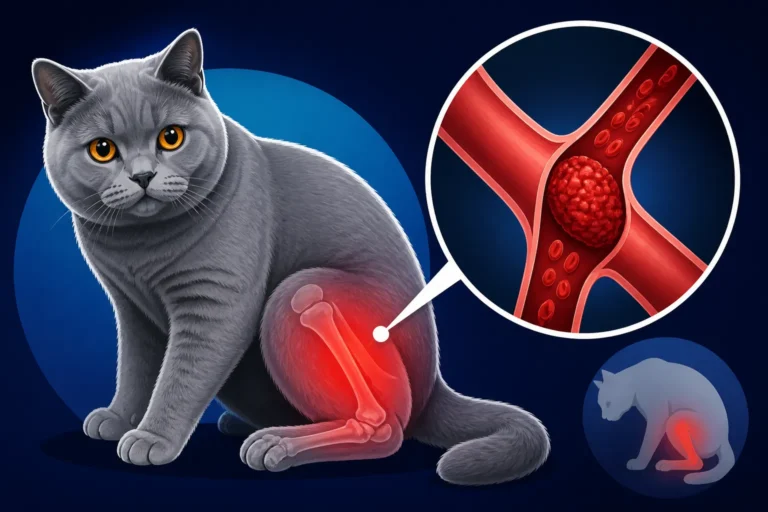
Saddle thrombus blocks blood flow from the heart to the hind legs, causing severe pain and paralysis in British Shorthairs.
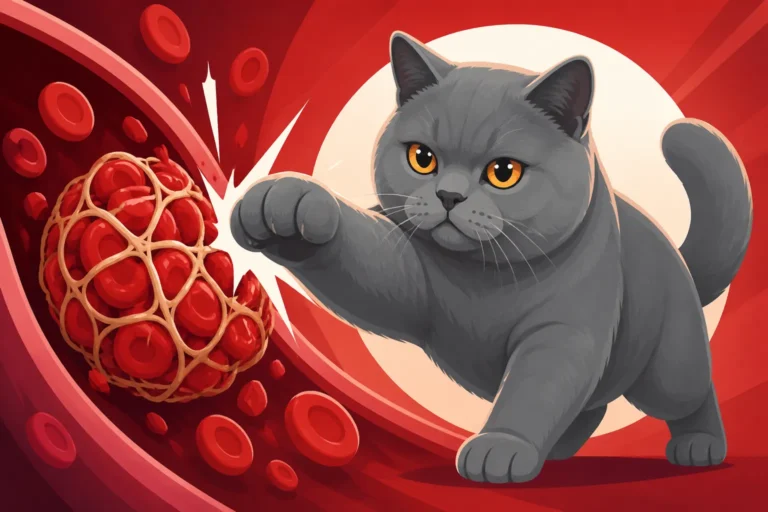
Feline arterial thromboembolism in British Shorthairs occurs when hypertrophic cardiomyopathy causes sluggish blood flow and dangerous clots.

Common medications for a British Shorthair with hypertrophic cardiomyopathy manage symptoms, improve heart function, and prevent dangerous complications.

British Shorthair heart murmurs indicate turbulent blood flow and can signal underlying conditions like hypertrophic cardiomyopathy.
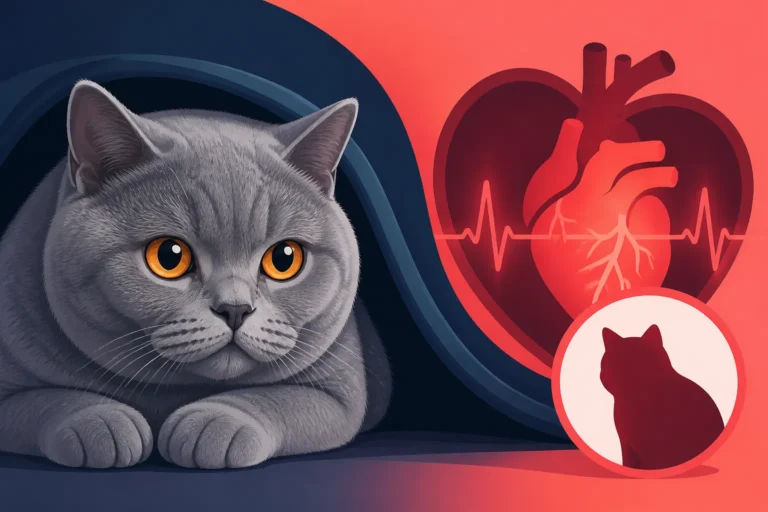
British Shorthair heart failure and Hypertrophic Cardiomyopathy remain hidden due to ancestral survival instincts and calm feline temperament.