The Age a British Shorthair Is Considered Senior
British Shorthair senior age markers begin around eleven years, classifying older cats and geriatric pets by chronological milestones.
Know what to watch for.
Breed-specific conditions, screening and DNA tests, what surgery actually costs, and the daily habits that stretch a healthy lifespan.
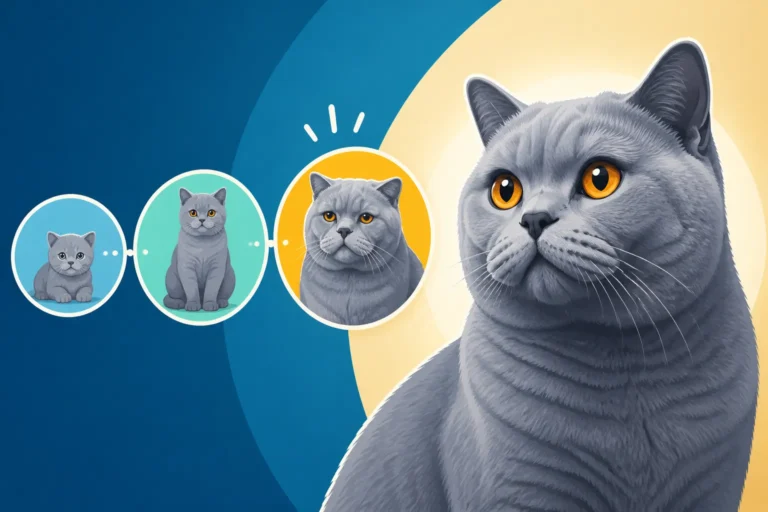
British Shorthair senior age markers begin around eleven years, classifying older cats and geriatric pets by chronological milestones.
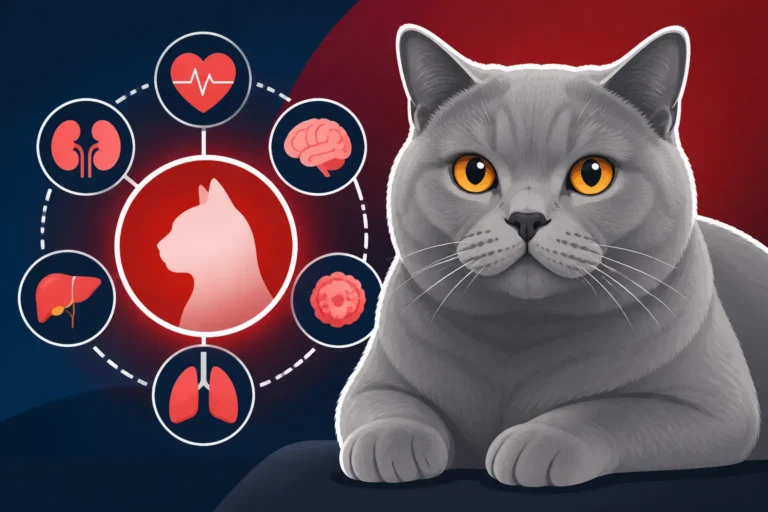
Hypertrophic Cardiomyopathy and obesity are the primary causes of death in British Shorthairs, alongside heart and kidney issues.
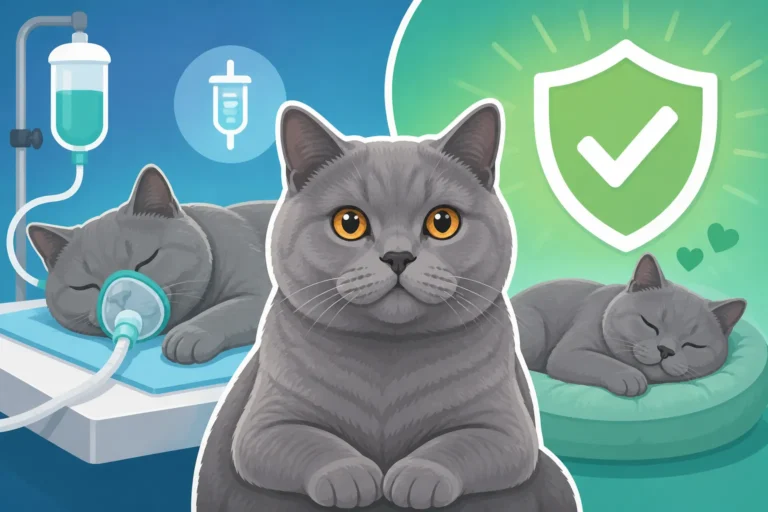
British Shorthair anesthesia risks, breed health concerns like Hypertrophic Cardiomyopathy, and safe veterinary procedures.
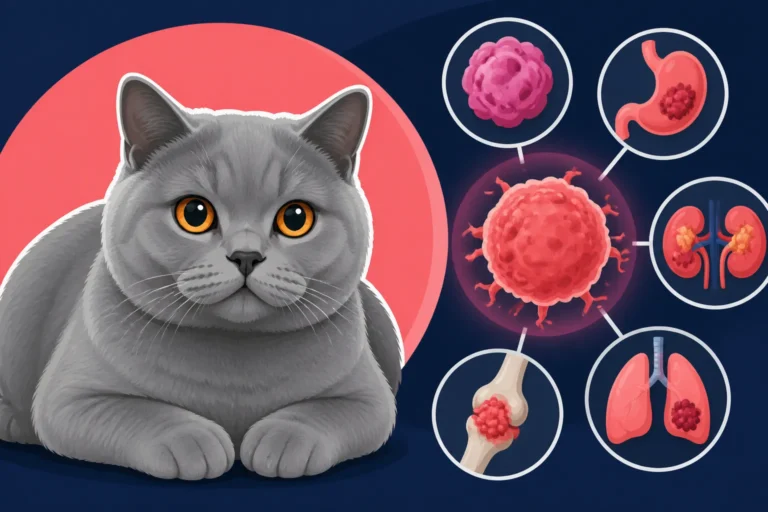
British Shorthair cancer risks, including lymphoma and age factors after ten years, plus early detection signs and senior health care.
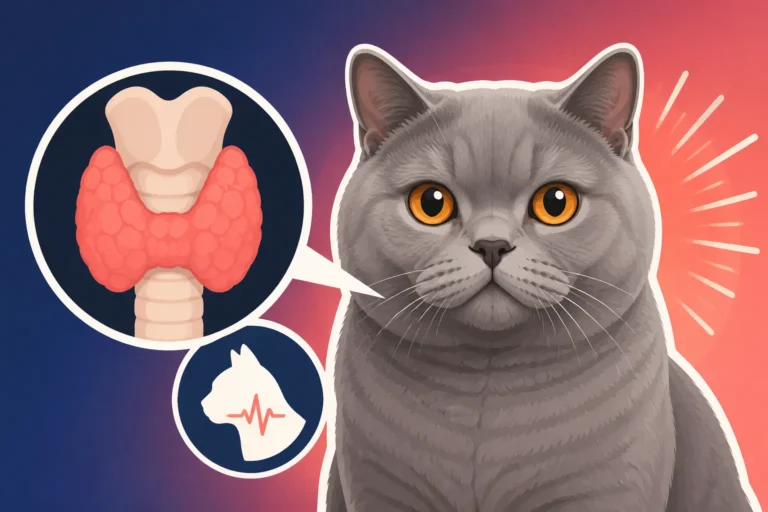
Hyperthyroidism in older British Shorthairs involves an overactive thyroid gland producing excessive T4 hormones from benign tumors.
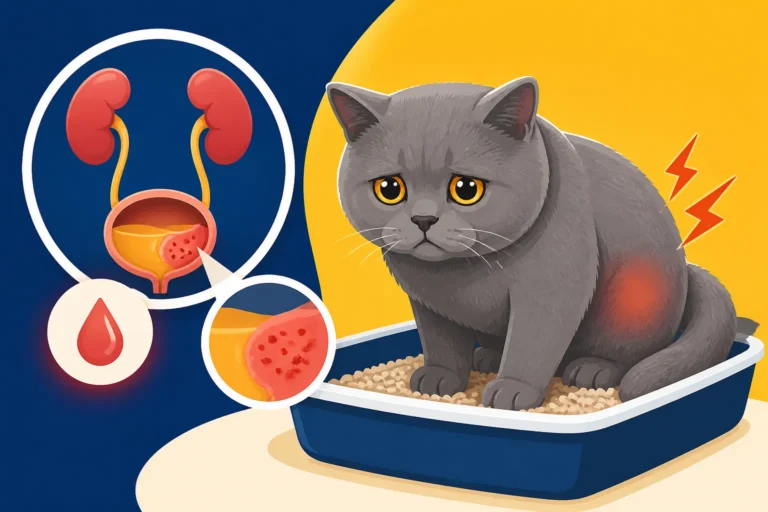
British Shorthair urinary problems stem from breed genetics, a sedentary lifestyle, and obesity, increasing risks of crystal formation and bladder irritation.
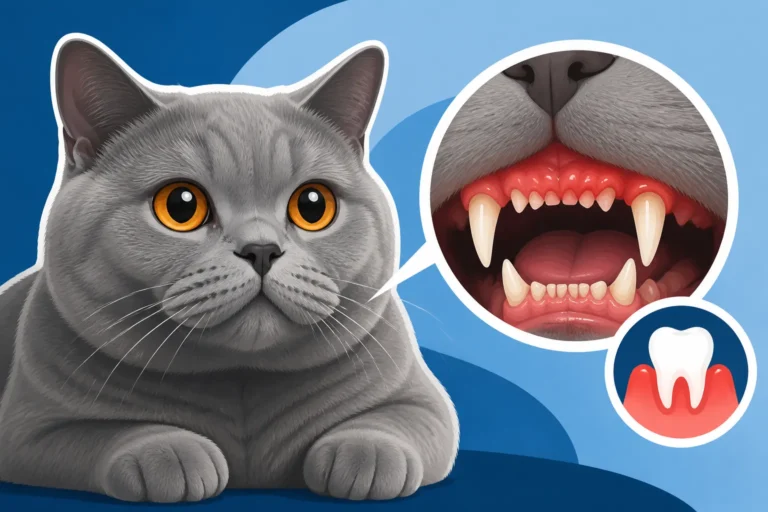
Gingivitis in British Shorthairs involves gum inflammation from plaque buildup, which can cause severe pain and tooth loss if left untreated.
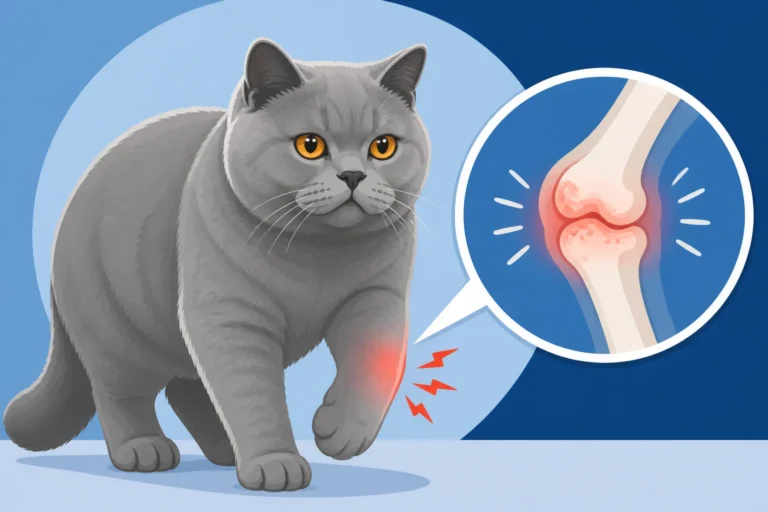
Arthritis in older British Shorthairs causes joint stiffness and pain, but owners can manage symptoms to improve feline mobility and comfort.
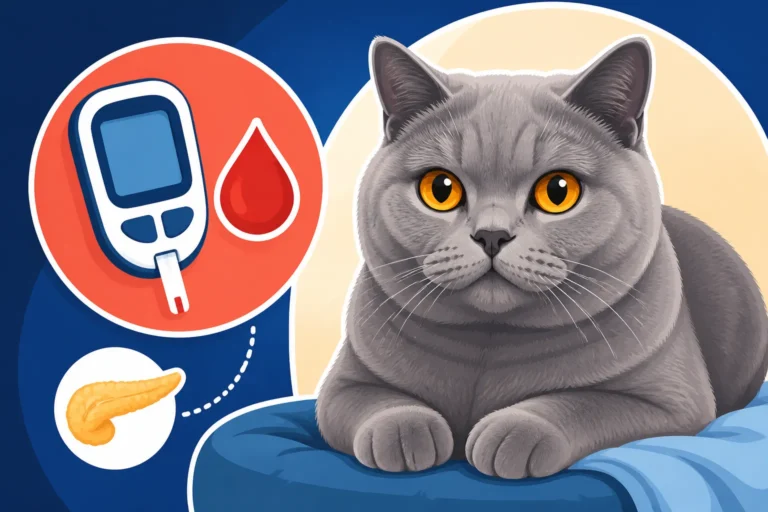
British Shorthair diabetes causes, symptoms, and obesity risks, explaining how this metabolic disease affects the breed.
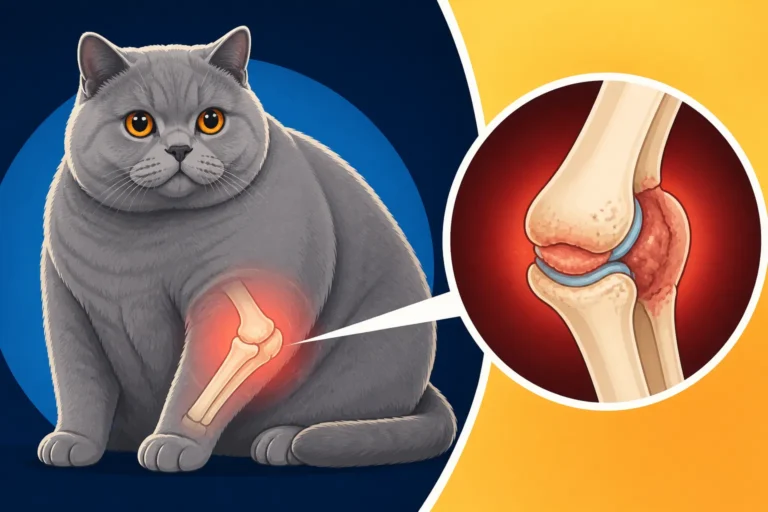
British Shorthair obesity mechanics, subtle signs of joint damage, and practical steps to alleviate discomfort and improve quality of life.