Whether a Blue Eyed British Shorthair Exists
Blue-eyed British Shorthair cats exist primarily in colorpoint or white coat patterns, unlike solid blue cats.
Is this the right one for you?
Origins and temperament, size and coat, what living with one is actually like, and how it compares to the breeds people weigh against it.
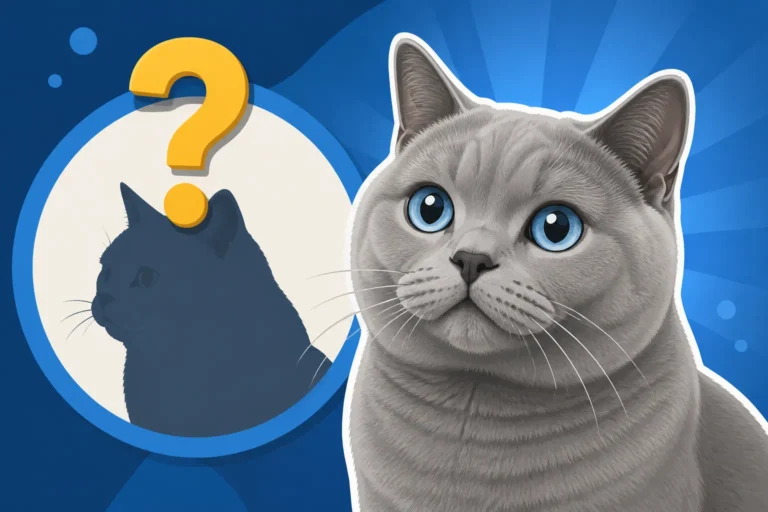
Blue-eyed British Shorthair cats exist primarily in colorpoint or white coat patterns, unlike solid blue cats.
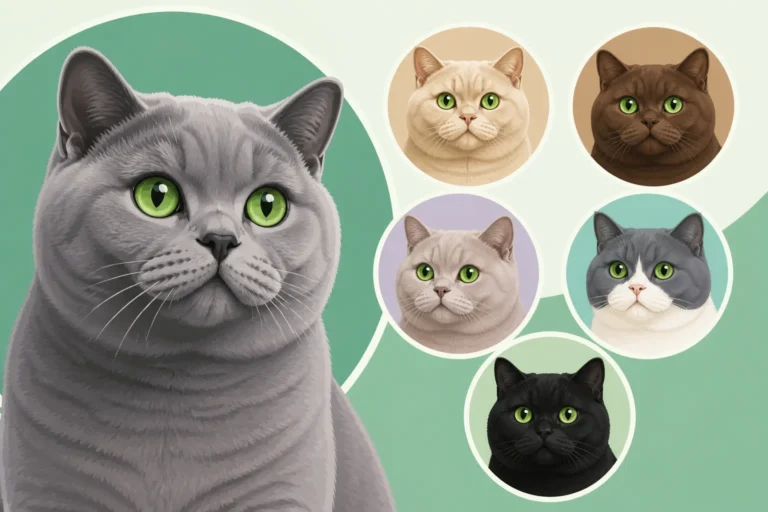
British Shorthair cats with golden shaded, silver shaded, and chinchilla coats most commonly feature green eyes.
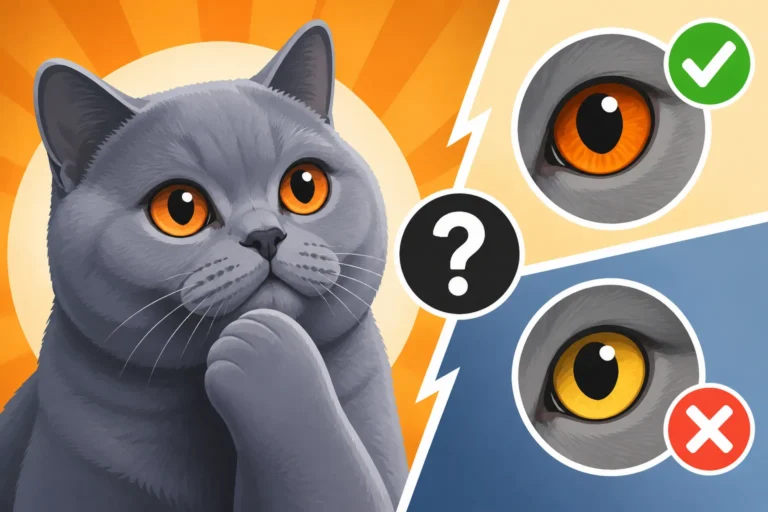
British Shorthair eye color depends on coat and maturity, explaining why green or blue eyes appear instead of copper.
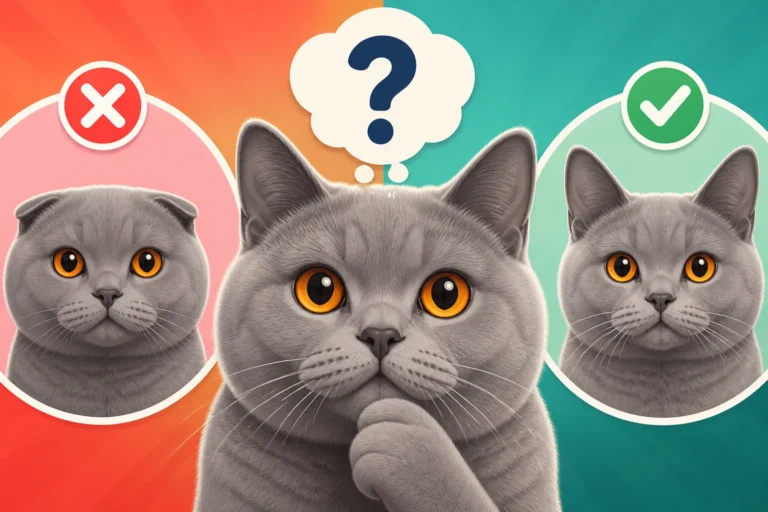
British Shorthair ears are explained by size, placement, growth changes, and when to consult a veterinarian about concerns.
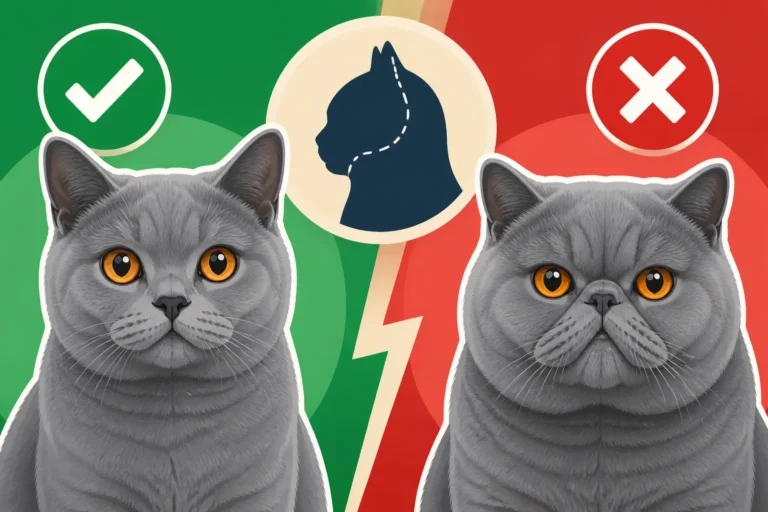
British Shorthair facial features and correct head proportions define the difference between a natural compact muzzle and an exaggerated flat face.
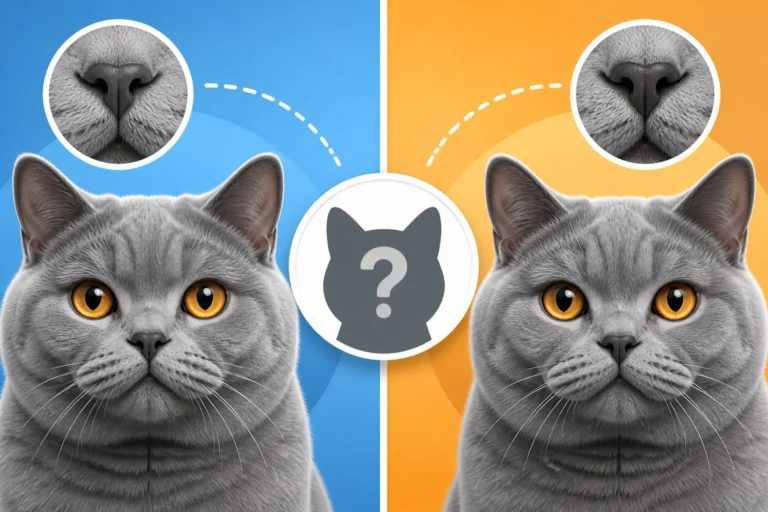
British Shorthair nose profiles feature a gentle transition or modest dip between the forehead and nose instead of a sharp stop.
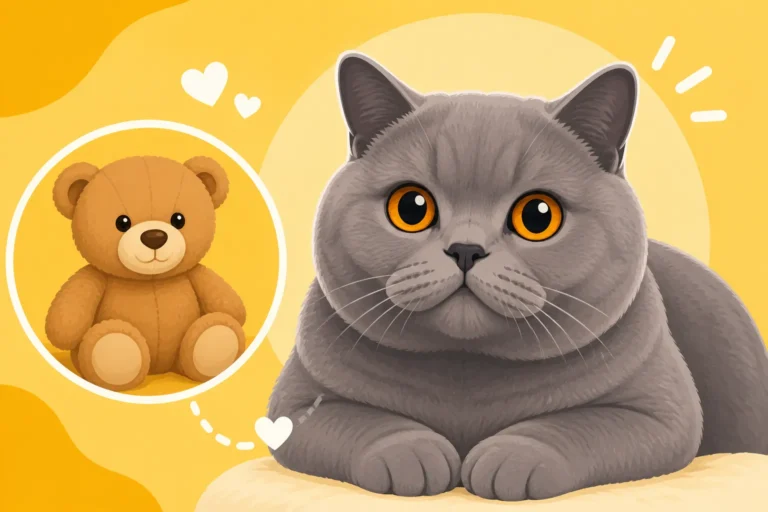
British Shorthair facial features and dense coat create a teddy bear appearance that changes as the cat grows.
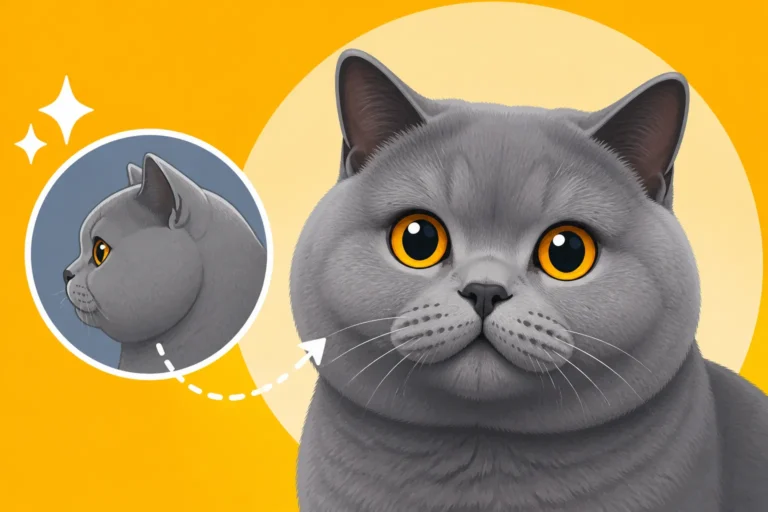
British Shorthair full cheeks are a natural breed feature and head shape, but plush fur can hide extra body fat.
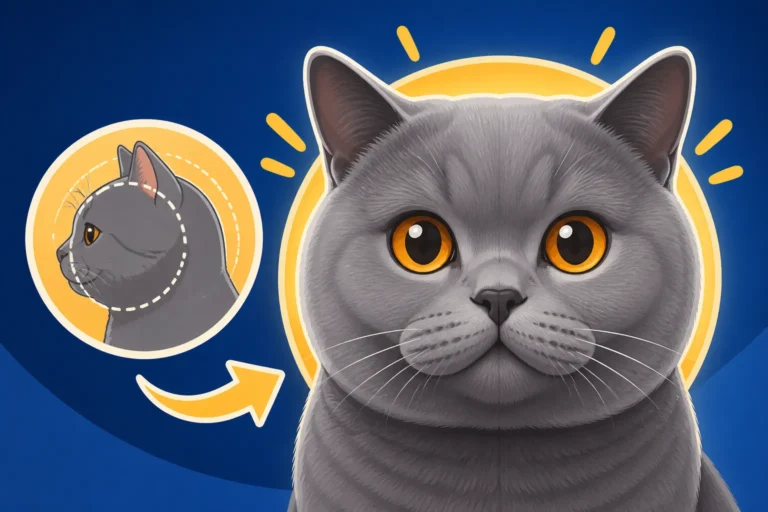
Skull structure, full cheeks, and a short muzzle combine to create the distinctive round head of a British Shorthair.
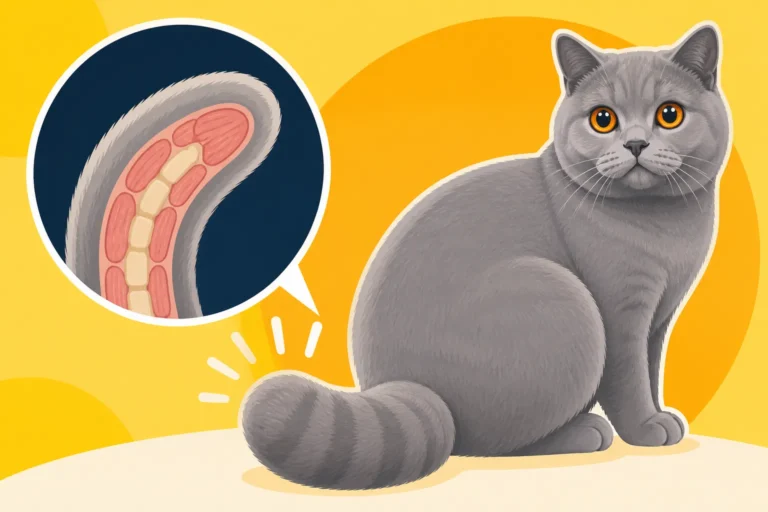
A British Shorthair cat has a thick tail because of robust body proportions, strong hindquarters, and dense fur volume.