Whether a Tortoiseshell British Shorthair Exists
The tortoiseshell British Shorthair features a mixed two-color coat pattern, separate from calico, torbie, and tabby variations.
Is this the right one for you?
Origins and temperament, size and coat, what living with one is actually like, and how it compares to the breeds people weigh against it.
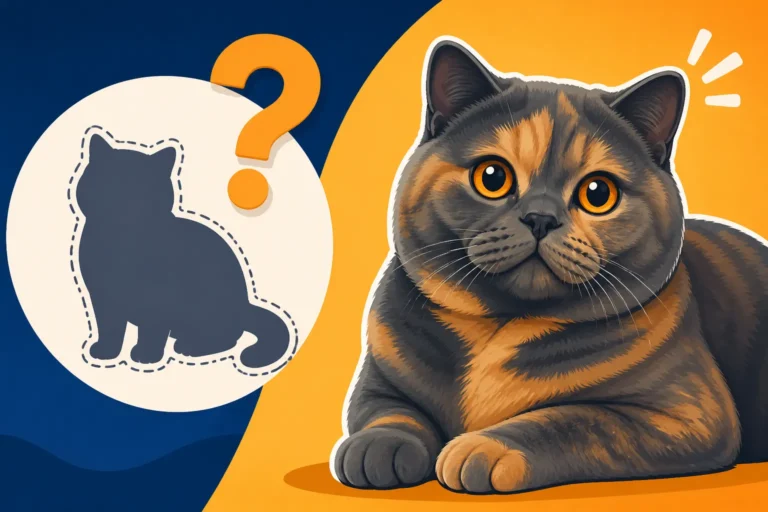
The tortoiseshell British Shorthair features a mixed two-color coat pattern, separate from calico, torbie, and tabby variations.
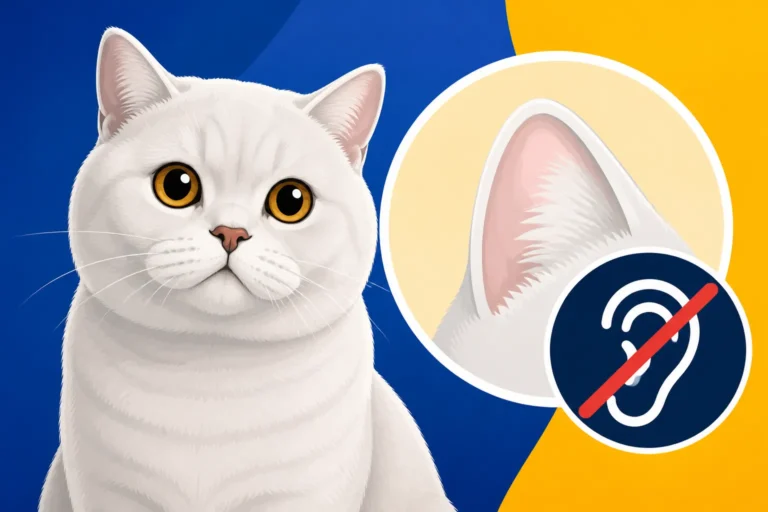
White British Shorthair hearing loss risk links white coats and blue eyes, explaining connection, signs, and checking methods.
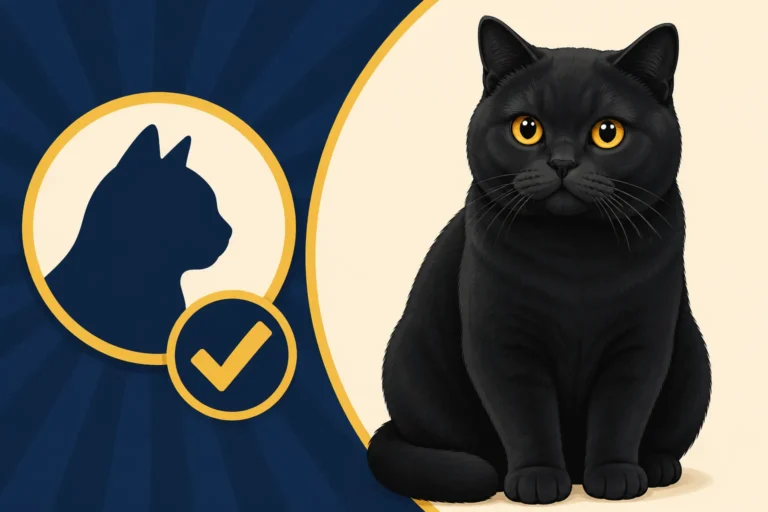
Solid black coats are accepted for British Shorthairs, though show quality depends on overall breed standards and cat registries.
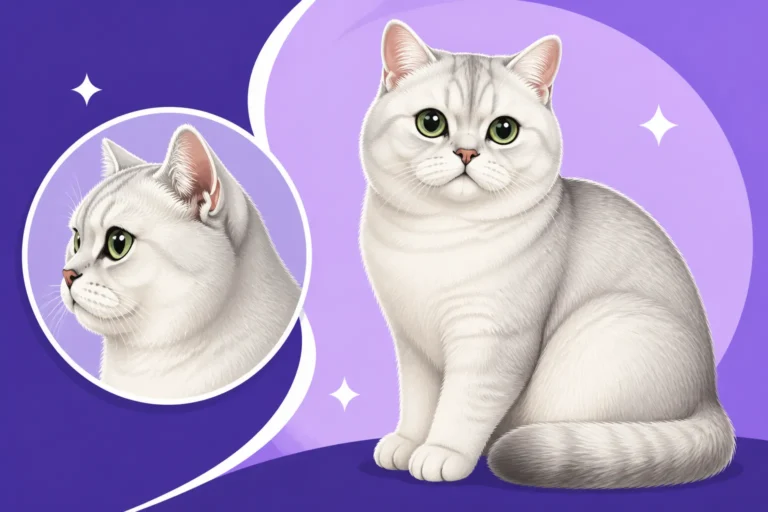
Silver shaded British Shorthairs feature a pale coat with darker tip pigmentation, creating a soft, silvery sheen.
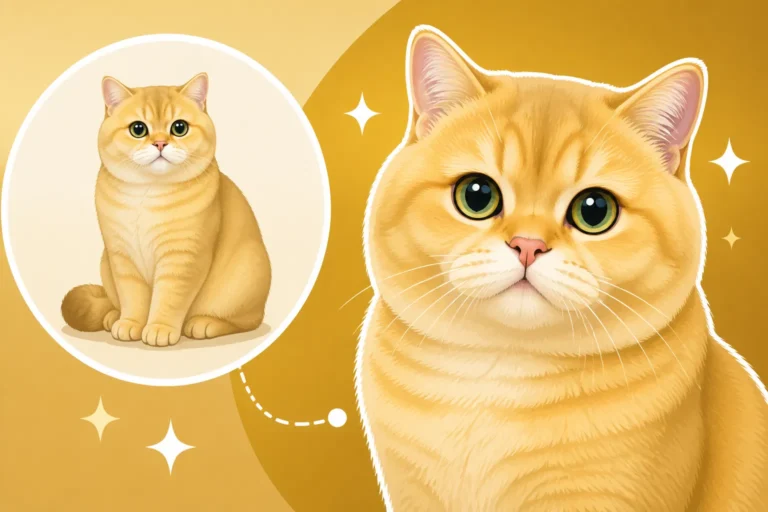
Golden British Shorthair coat terms, color variations, and patterns explained for buyers choosing between shaded, shell, and tabby kittens.
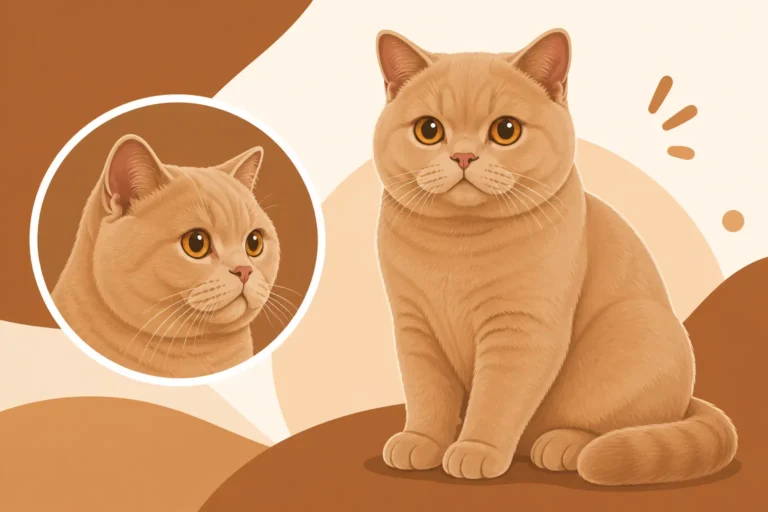
Cinnamon British Shorthair appearance features, warm reddish-brown coat shades, and color comparisons to help identify the cats accurately.
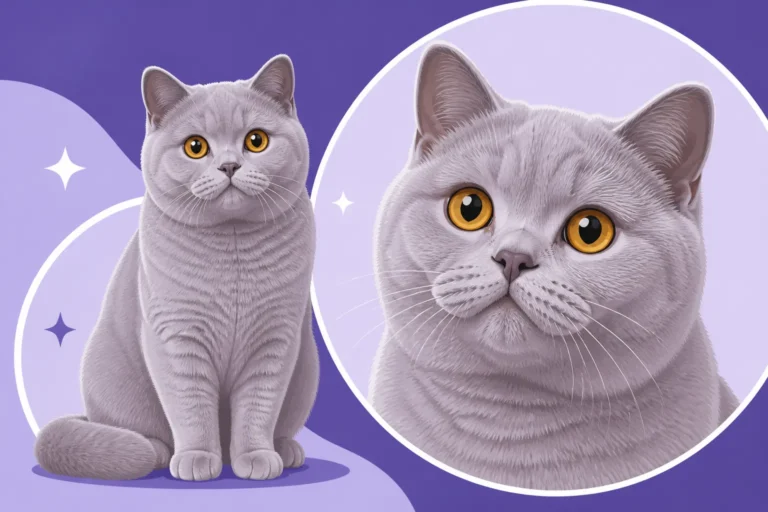
A lilac British Shorthair has a pale, warm grey coat with a lavender cast, pinkish nose leather, and paw pads.
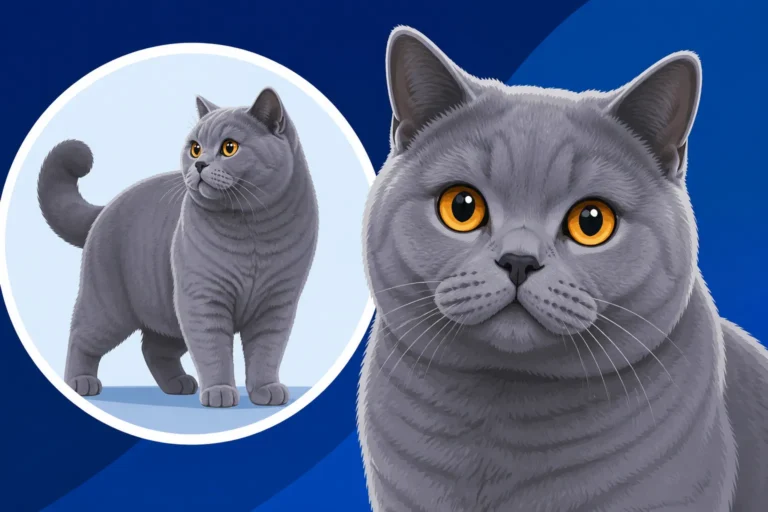
The blue British Shorthair coat, copper or gold eyes, and sturdy shape are explained to distinguish the breed.
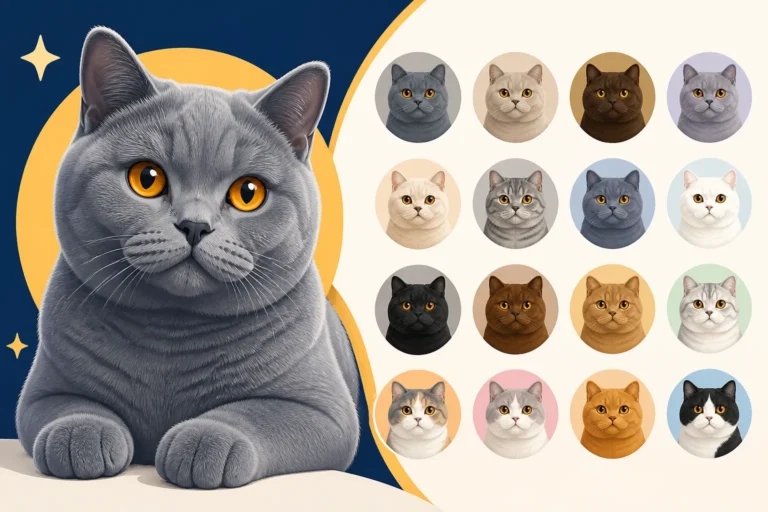
British Shorthair color counts vary by registry and depend on base colors, patterns, white markings, and more than 100 combinations.
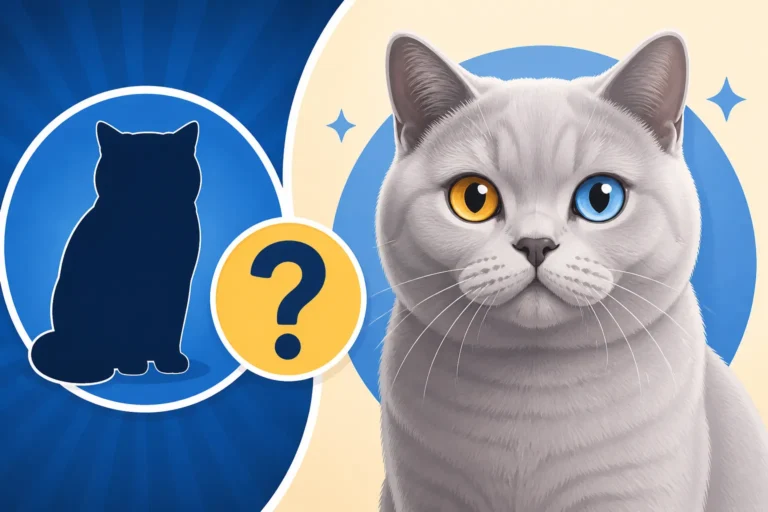
Odd-eyed British Shorthair standards depend on coat color and registry rules, mostly accepting white cats with one blue and one copper eye.