How Much an Adult British Shorthair Eats
It’s a common dilemma for British Shorthair owners: you look at your beloved cat, and while they might seem perfectly robust and teddy-bear-like, you constantly worry if you’re feeding them too much, too little, or just right. Given their calm demeanor and propensity for a round physique, managing an adult British Shorthair's food intake is crucial to preventing them from becoming truly overweight, a problem that silently plagues many of these wonderful cats. This guide will walk you through understanding your British Shorthair's dietary needs, calculating appropriate portions, and implementing feeding strategies for a long, healthy life.
Understanding Your British Shorthair's Unique Metabolism
British Shorthairs are magnificent creatures, known for their dense, plush coats, round faces, and generally placid nature. This distinctive build and temperament, however, come with a particular set of challenges when it comes to their diet and weight management. It's not just about how much food you put in the bowl; it's about understanding why they gain weight so easily and what their bodies are designed for.
Why British Shorthairs Are Prone to Weight Gain
Let's be honest: British Shorthairs often look substantial even when they are at a healthy weight. Their cobby body, broad chest, and short, strong legs give them a naturally stocky appearance. This can unfortunately mask the insidious creep of excess weight until it becomes a significant problem. Many owners, and even some vets, can misinterpret their naturally heavy build as simply "chunky," when in reality, they might be carrying more weight than is healthy for their frame. Their thick fur can also act as a clever disguise, making them appear larger and more cuddly, but hiding the underlying fat deposits.
Beyond their physical appearance, the breed's genetics might also play a role. They don't tend to be as frantic or high-energy as some other breeds, meaning their caloric needs are inherently lower than a cat that zips around the house like a furry rocket. If you feed a British Shorthair the same amount as you would a more active breed, you're almost guaranteed to see the pounds pile on. It’s a classic case of calories in versus calories out, and for British Shorthairs, the "calories out" side of the equation often starts lower than you might assume.
The Sedentary Nature of the British Shorthair
One of the most endearing qualities of a British Shorthair is their calm, unflappable nature. They are often content to observe the world from a comfortable perch, enjoy a good nap in a sunny spot, or simply sit near you on the sofa rather than engage in boisterous play. While this makes them wonderful, low-maintenance companions, it also directly impacts their metabolic rate. A cat that spends most of its day lounging, rather than leaping and chasing, burns far fewer calories.
Think about your British Shorthair's typical day. Does it involve long bouts of intense play, or more short, sporadic bursts of toy interaction followed by extended periods of napping? For most, it's the latter. This sedentary lifestyle means their daily caloric requirements are significantly lower than a perpetually active cat. If their food portions aren't adjusted to match this lower activity level, weight gain becomes almost inevitable. Many owners find themselves asking, Why a British Shorthair Gains Weight So Easily, and their inherent calmness is a huge part of the answer. It’s not a flaw in their personality; it’s simply how they are, and we, as their caregivers, need to adapt our feeding routines accordingly.
The "Chunky But Not Fat" Dilemma
This is perhaps the biggest pitfall for British Shorthair owners. They are a cobby breed, meaning they are compactly built with a substantial bone structure and muscle mass. This natural heft often leads owners to believe their cat is just "big-boned" or "chunky," even when they are clinically overweight. It's a fine line, and often difficult to discern without a trained eye or hands-on assessment.
A truly healthy British Shorthair should still have a discernible waist when viewed from above, and you should be able to feel their ribs without pressing too hard, even through their dense coat. If you can't easily feel those ribs, or if their belly sags considerably, you're likely dealing with more than just natural chunkiness. This is where the crucial question of How to Tell a Chunky British Shorthair From a Fat One comes into play. It's not about body shaming your cat; it's about ensuring their long-term health and preventing issues like Obesity Is the British Shorthair's Real Disease, which can lead to serious health complications down the line. Regularly assessing their body condition is paramount, perhaps even more so than relying solely on the number on the scale, as their bone density can make them naturally heavier.
Calculating the Right Caloric Intake for Your British Shorthair
Once you understand your British Shorthair's predisposition to weight gain, the next step is figuring out exactly how much food they actually need. This isn't a one-size-fits-all answer, and it requires a bit of detective work and often, professional guidance. You can't just follow the generic guidelines on a bag of cat food, as those are often calibrated for more active breeds or as a general recommendation that might be too high for a British Shorthair.
Factors Influencing Daily Calorie Needs
Several key factors play into determining the ideal daily calorie intake for your British Shorthair. Ignoring these individual variables is one of the quickest ways to accidentally over or underfeed your cat.
- Age: Kittens and young adults have higher caloric needs due to their growth and typically higher activity levels. As a British Shorthair matures and especially once they are over about three years old, their energy expenditure often decreases, and their caloric needs drop accordingly. An aging British Shorthair, particularly one slowing down, will need even fewer calories to maintain a healthy weight.
- Activity Level: This is huge for British Shorthairs. A cat that genuinely enjoys active play sessions daily will need more calories than a true couch potato. Be honest with yourself about your cat's actual activity. A few minutes of half-hearted batting at a toy doesn't count as a high-activity lifestyle.
- Spay/Neuter Status: Neutered or spayed cats have a lower metabolic rate and tend to gain weight more easily. If your cat has been altered, their caloric needs will be lower than an intact cat, even if they were the same weight and age. This is a crucial consideration that many owners overlook.
- Current Weight and Body Condition Score (BCS): Is your cat at a healthy weight, underweight, or overweight? The goal isn't just to feed them maintenance calories; if they are overweight, they need fewer calories to safely lose weight. If underweight, they need more. Vets use a BCS chart (usually on a scale of 1-9 or 1-5) to assess this, which is more informative than just their weight in pounds or kilos.
- Underlying Health Conditions: Certain medical conditions, like hyperthyroidism or some gastrointestinal issues, can affect metabolism and nutrient absorption. Conversely, conditions like arthritis might reduce activity, indirectly impacting caloric needs. Always consult your vet if you suspect a health issue.
Reading Food Labels and Understanding Calorie Density
This is where things can get tricky, and it's where many owners inadvertently go wrong. Cat food labels provide feeding guidelines, but these are often broad ranges and usually state "calories per cup" or "calories per can." It's your job to translate that into your cat's actual needs. The key metric to look for on a label is the Metabolizable Energy (ME), usually expressed as kcal/kg or kcal/cup/can.
For instance, one brand of dry food might have 400 kcal per cup, while another might have 350 kcal per cup. If your British Shorthair needs 200 kcal a day, you'll be feeding a different volume of each food. Don't just scoop the same amount if you switch brands. Always re-calculate based on the new food's calorie density. The same goes for wet food, where the calorie count can vary wildly between different pâtés, gravies, and chunky formulations. Some foods, especially "indoor" or "weight management" formulas, are specifically designed to have a lower calorie density, allowing you to feed a more satisfying volume without overdoing the calories. Sites like Chewy or Amazon often list the caloric content of various foods right on the product page, making comparison shopping a bit easier. This is vital to understanding How Many Calories a British Shorthair Needs to thrive without gaining unhealthy weight.
The Importance of Your Vet's Guidance
While you can do a lot of research and make educated guesses, your veterinarian is your absolute best resource for determining your British Shorthair's specific caloric needs. They can perform a thorough physical exam, assess your cat's Body Condition Score, and take into account their age, lifestyle, and any health concerns.
Your vet can provide a precise daily caloric target in kilocalories (kcal) that is tailored to your individual cat. This number might be lower than you expect, especially for a typically laid-back British Shorthair. They can also help you develop a weight management plan if your cat is overweight, which often involves gradually reducing calories over several weeks or months to ensure safe weight loss. Crash dieting can be very dangerous for cats, potentially leading to hepatic lipidosis (fatty liver disease), so a controlled approach is essential. Don't be shy about asking for specific calorie recommendations and guidance on portion control – it's one of the most important things you can discuss with them regarding your cat's health. They can also help clarify What a British Shorthair Should Weigh based on their individual frame and build.
Practical Approaches to Portion Control and Feeding Schedules
Once you have a target calorie number, the next challenge is implementing it consistently. This involves moving away from vague "a scoopful" or "filling the bowl" and embracing precise measurement and a structured feeding schedule.
Measured Meals Versus Free Feeding
For British Shorthairs, measured meals are almost always the superior choice over free feeding. Free feeding, where food is left out all day for the cat to graze, works reasonably well for some highly active cats who self-regulate. But for a British Shorthair, who often lacks that innate "stop eating when full" mechanism and whose activity levels are generally low, free feeding is a recipe for weight gain. It makes it incredibly difficult to monitor their actual intake and adjust portions. If you're wondering Why Free Feeding Ruins a British Shorthair, it's precisely because it removes your ability to control caloric intake effectively, turning food into a constant, unlimited resource for a cat predisposed to overeating.
With measured meals, you divide your cat's total daily caloric intake into two or three specific meals. For example, if your vet recommends 200 kcal per day, and your dry food has 350 kcal per cup, you'll calculate that your cat needs roughly 0.57 cups of food per day. You would then divide that into, say, two meals of 0.28-0.29 cups each. Always use a proper measuring cup (designed for pet food, or a kitchen scale) for accuracy, rather than a generic scoop which can be inconsistent. This ensures your British Shorthair gets exactly what they need and nothing more. How Many Meals a Day a British Shorthair Needs often depends on their preference and your schedule, but two main meals are a common and effective approach.
Choosing the Right Food Type: Wet, Dry, or Mixed
The type of food you choose can also impact how much your British Shorthair eats and feels satisfied.
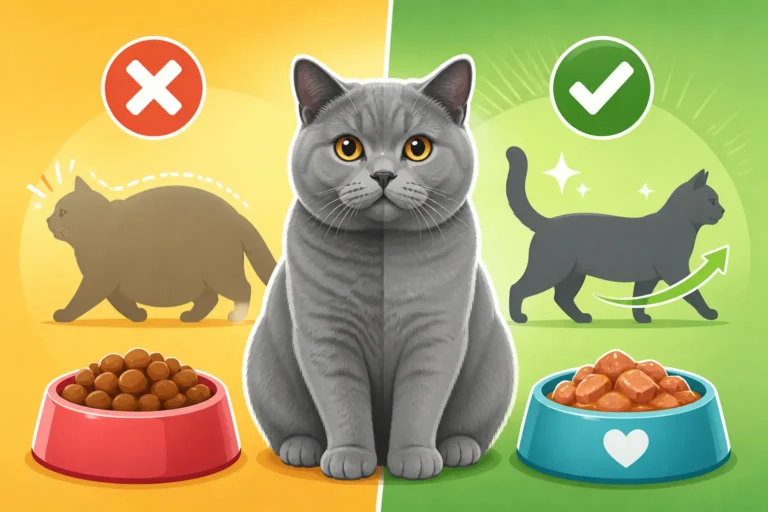
- Dry Food (Kibble): Convenient and often more budget-friendly, dry food is calorie-dense. This means a smaller volume provides more calories, which can sometimes leave a British Shorthair feeling less full. If feeding dry, meticulous portion control is non-negotiable. Look for high-quality formulas that are rich in animal protein and lower in carbohydrates. Some brands offer specific "indoor" or "weight management" dry foods that are formulated with lower calories and higher fiber to promote satiety.
- Wet Food (Canned): Wet food is excellent for weight management because of its high moisture content. This means a larger volume of wet food contains fewer calories than the same volume of dry food, helping your cat feel fuller for longer. The added moisture is also a huge benefit for kidney and urinary tract health. Many British Shorthair owners find that incorporating wet food, either exclusively or as part of a mixed diet, helps tremendously with weight control. If you're debating Whether a British Shorthair Needs Wet Food, the answer leans towards yes, especially for hydration and satiety benefits.
- Mixed Diet: Many owners successfully combine wet and dry food. This can offer the benefits of both: the convenience of dry food and the hydration and satiety of wet food. You'll need to carefully calculate the calories from both types of food to ensure you're not exceeding your cat's daily target. For example, if your cat needs 200 kcal/day, you might give 100 kcal from wet food in the morning and 100 kcal from dry food in the evening.
Monitoring Weight and Adjusting Portions
Feeding isn't a "set it and forget it" task. Your British Shorthair's needs will change, and you need to be proactive in monitoring their weight and adjusting their food portions accordingly.
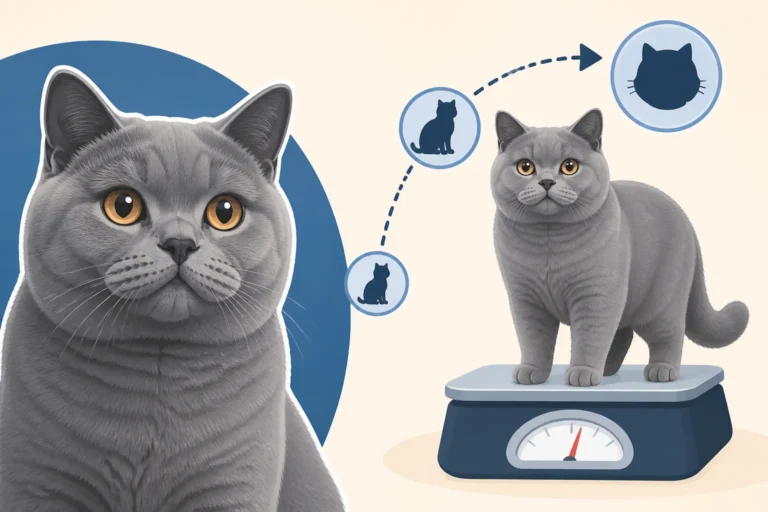
- Regular Weigh-Ins: Weigh your cat weekly or bi-weekly, especially if they are on a weight loss plan or are still growing. A small digital pet scale can be very helpful for this, allowing you to track changes accurately. If you don't have a pet scale, you can weigh yourself, then weigh yourself holding your cat, and subtract the difference.
- Body Condition Scoring (BCS): Beyond the number on the scale, regularly assess your cat's BCS. Feel their ribs, spine, and hip bones. Can you easily feel them without seeing them? Is there a slight "tuck" in their abdomen when viewed from the side? Are their jowls prominent but their body proportionate? If you notice changes in their BCS, it's time to adjust their food. Your vet can show you how to accurately score your cat.
- Adjusting Based on Results: If your British Shorthair is gaining weight, slightly reduce their daily caloric intake. If they are losing too quickly, or seem too thin, increase it slightly. Make small, incremental changes (e.g., 5-10% reduction or increase) and monitor the results over a couple of weeks before making further adjustments. Consistent, small adjustments are key to successful weight management. This is the essence of How to Put a British Shorthair on a Diet, making small, sustainable changes over time.
| Factor | Impact on Calorie Needs | Typical British Shorthair Profile | Feeding Strategy Implication |
|---|---|---|---|
| Age | Young > Adult > Senior | Often slows down significantly by 3-5 years old | Reduce calories as they age, especially after neutering. |
| Activity Level | High > Moderate > Low | Generally low, prone to napping | Assume lower end of calorie recommendations; focus on encouraging play. |
| Spay/Neuter Status | Intact > Altered | Most pets are altered | Significantly lower caloric needs post-alteration; portion control critical. |
| Current Body Condition | Underweight > Ideal > Overweight | Prone to being overweight | Adjust calories to reach/maintain ideal BCS, not just a number. |
| Metabolism | Varies by individual | Can be naturally slow | Start with conservative estimates and monitor closely. |
Common Feeding Mistakes and How to Avoid Them
Even with the best intentions, it's easy to fall into common traps that can derail your British Shorthair's healthy eating habits. Being aware of these pitfalls is the first step to avoiding them.
Over-Treating and Human Food Habits
This is a big one. Those adorable, pleading British Shorthair eyes can be incredibly hard to resist, especially when they're gazing at your plate. However, even a small amount of human food or seemingly innocent treats can add significant calories and lead to weight gain. A single sliver of cheese, a piece of chicken, or a few extra crunchy treats might seem harmless, but they quickly add up, especially for a cat with already low caloric needs. For example, a single small treat can be the equivalent of a human eating a whole candy bar in terms of its proportion to their daily intake. If you're wondering How Much Treats Ruin a British Shorthair's Diet, the answer is, quite a lot!
To avoid this:
- Allocate Treat Calories: If you must give treats, factor them into your cat's daily caloric budget. Reduce their mealtime food slightly to accommodate the treats.
- Choose Low-Calorie Treats: Opt for specific cat treats that are low in calories. Some brands offer dental treats that have the added benefit of promoting oral health, but check the calorie count.
- Use Non-Food Rewards: Instead of food, offer praise, a gentle stroke, or a short play session. Your British Shorthair often appreciates attention just as much as a treat.
- Educate the Household: Ensure everyone in the family understands the importance of not feeding human food or too many treats, and that they stick to the agreed-upon portion sizes. Grandparents or children can be unwitting contributors to a cat's weight issues.
Ignoring Slow Weight Creep
Weight gain rarely happens overnight. For British Shorthairs, it's often a slow, almost imperceptible creep of a few ounces here, a half-pound there, over months or even years. Because their dense fur and cobby build already make them seem substantial, this gradual weight gain can go unnoticed until it becomes a significant problem. You might think, "Oh, they just look fluffy," or "They're just filling out," when in reality, their body condition is deteriorating.
The danger of this slow creep is that it becomes the new "normal." You might forget what your cat looked and felt like at a truly healthy weight. This is why consistent, objective monitoring (regular weigh-ins, BCS assessment, and vet check-ups) is so vital. If you only weigh your cat once a year at their annual vet visit, a significant amount of weight could have accumulated without your knowledge. Early detection and intervention are key to preventing Obesity Is the British Shorthair's Real Disease.
Multi-Cat Households and Food Competition
If you have more than one cat, especially if one is a British Shorthair and the other is a different breed with different dietary needs, feeding can become a complex dance. British Shorthairs, despite their calm demeanor, can be surprisingly opportunistic eaters. They might finish their own food and then try to steal kibble from their housemates. This can lead to your British Shorthair becoming overweight, while other cats might not get enough food, or it can exacerbate underlying tensions between pets.
Strategies for multi-cat feeding:
- Separate Feeding Stations: Feed cats in different rooms or at different heights to minimize competition.
- Microchip Feeders: These feeders are a game-changer for multi-cat households. They only open for the specific cat whose microchip is programmed into the feeder, ensuring each cat eats only their own food. This prevents the British Shorthair from raiding another cat's bowl and ensures prescribed diets are followed. Brands like SureFeed are popular choices and can be found on Amazon or Chewy. Whether a Microchip Feeder Works in a British Shorthair House is generally a resounding yes.
- Supervised Mealtimes: If you can't invest in microchip feeders, supervise meal times. Put food down, give them 15-20 minutes to eat, and then pick up any uneaten food to prevent grazing and food theft.
Tools and Strategies for Successful Feeding
Managing your British Shorthair's diet isn't just about discipline; it's also about employing the right tools and strategies to make healthy eating easier for both you and your feline friend.
Smart Feeders and Puzzle Toys
Technology and enrichment toys can be powerful allies in managing your British Shorthair's food intake and encouraging a healthier lifestyle.
- Timed Feeders: These devices dispense a pre-set amount of food at scheduled times throughout the day. This is particularly useful if you have an erratic schedule or if your British Shorthair tends to "ask" for food excessively. A timed feeder ensures consistent portions and reduces begging behavior. You can set it to give several small meals throughout the day, which can mimic natural grazing and keep them feeling satisfied without overeating. This directly addresses the question of Whether a Timed Feeder Helps a British Shorthair by providing structure and portion control.
- Puzzle Feeders: These aren't just for entertainment; they make your cat "work" for their food, slowing down consumption and providing mental stimulation. Instead of wolfing down a meal in minutes, your British Shorthair has to engage with the toy, nudging, batting, or rolling it to release kibble. This can turn mealtime into a mini-hunting session, burning a few extra calories and preventing boredom. It also extends the meal, helping them feel fuller for longer. You can find a wide variety of puzzle feeders on Amazon, from simple treat balls to more complex labyrinth designs.
High-Quality Food Options
The quality of your British Shorthair's food can significantly impact their satiety, overall health, and ease of weight management. Not all cat foods are created equal, and choosing wisely can make a real difference.
- Ingredient Focus: Look for foods with high-quality animal protein as the primary ingredient (e.g., chicken, turkey, fish, beef). Avoid foods with excessive fillers like corn, wheat, or soy, which offer little nutritional value and can contribute to weight gain.
- Life Stage Appropriate: Ensure the food is formulated for adult cats. Kitten food is too calorie-dense for an adult British Shorthair, and some senior formulas might be too low in protein for an active older cat.
- "Indoor" or "Weight Management" Formulas: If your British Shorthair is particularly prone to weight gain or is already carrying extra pounds, consider foods specifically designed for indoor or weight management. These typically have lower calorie density, higher fiber content (to help with satiety), and a balanced nutrient profile. However, always double-check the calorie count on these specific foods, as "diet" doesn't always mean "low calorie" across the board. The question of When a British Shorthair Needs a Weight Control Food often comes up when their BCS starts to creep up.
Maintaining Hydration Alongside Food
While this guide focuses on food, proper hydration is an often-overlooked but critical component of your British Shorthair's overall health and can indirectly influence their appetite and weight. Cats, by nature, are not big drinkers, as they evolved to get most of their moisture from their prey.
- Wet Food Benefits: As mentioned earlier, feeding wet food is a fantastic way to boost your cat's water intake. Many British Shorthairs thrive on a wet-food-heavy diet because of this added hydration.
- Water Bowls and Fountains: Always ensure multiple fresh water sources are available throughout your home. Some cats prefer moving water, so a pet drinking fountain can encourage them to drink more. Brands like PetSafe or Catit make popular models you can find on Chewy or Amazon.
- Cleanliness: Keep water bowls scrupulously clean. Stagnant or dirty water can deter your cat from drinking. This helps ensure your British Shorthair is drinking How Much Water a British Shorthair Should Drink for their health.
By understanding their unique breed characteristics, diligently calculating their caloric needs, consistently practicing portion control, avoiding common mistakes, and leveraging helpful tools, you can ensure your adult British Shorthair maintains a healthy weight and enjoys a long, fulfilling life by your side. It takes dedication, but the health benefits for your beloved companion are immeasurable.
Disclaimer
This article is for general informational purposes only and does not constitute professional advice. Laws, prices and regulations vary by location and change over time. Consult a qualified professional for guidance on your specific situation.