Why a British Shorthair’s Coat Feels Crisp
If you've ever had the pleasure of stroking a British Shorthair, you've likely noticed something distinct about their fur—it doesn't feel like other cats. It's not silken and flowing, nor is it rough or wiry. Instead, it possesses a unique density and a peculiar, almost springy texture that many describe as "crisp." This guide will unravel the mysteries behind that wonderfully crisp coat, exploring its unique structure, genetic origins, and how you, as a loving owner, can maintain its signature feel.
The Distinct Anatomy of a British Shorthair Coat
The British Shorthair's coat is truly a marvel of natural engineering, designed perfectly for its heritage and giving it that iconic teddy bear appearance. Understanding its anatomy is key to appreciating why it feels so unique. It’s not just fur; it’s a carefully constructed fortress of plushness.
The Dense Undercoat
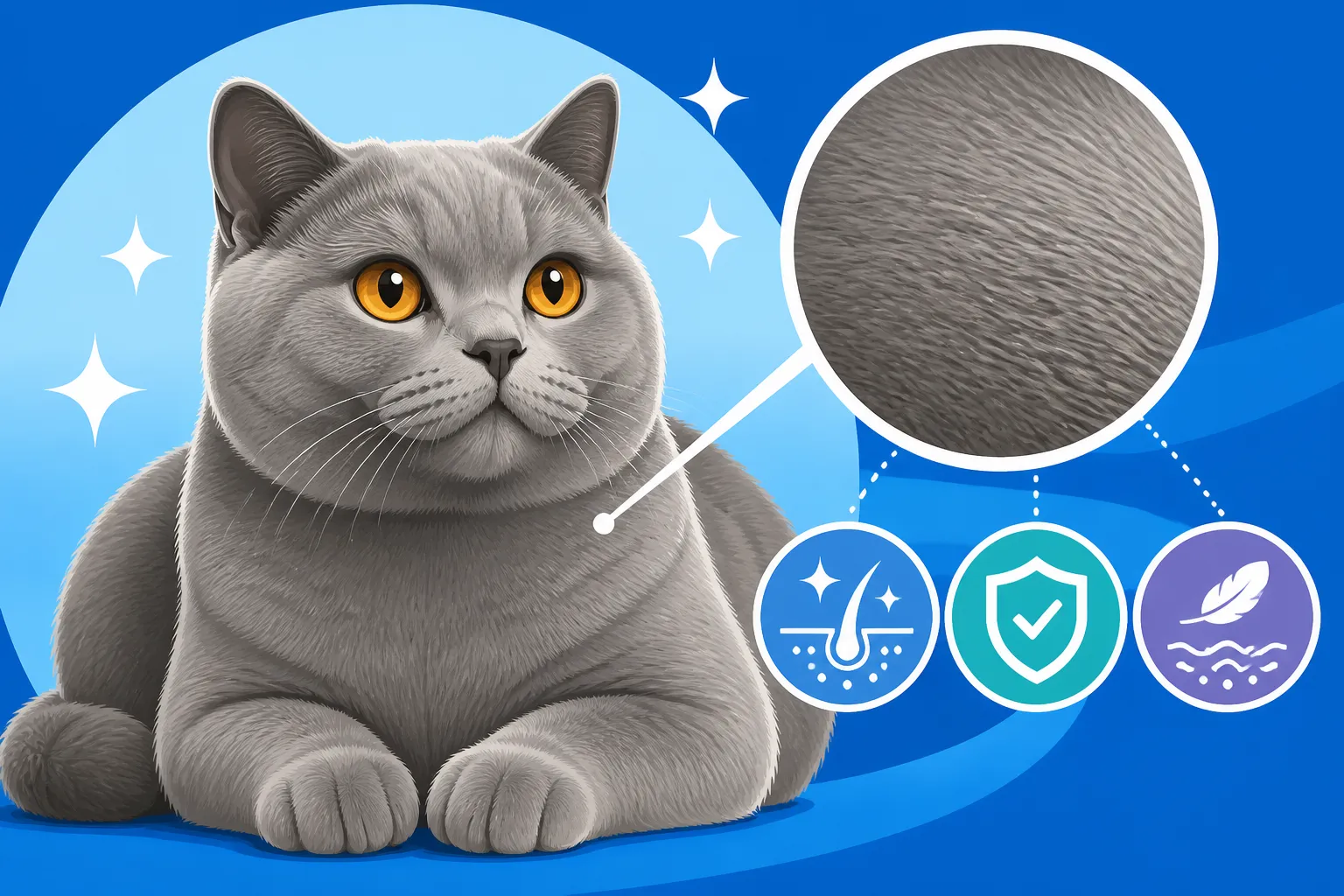
At the heart of the British Shorthair's crisp feel lies an incredibly dense undercoat. Unlike many cat breeds that have a fine, sparse undercoat, the British Shorthair is packed with soft, short, woolly hairs that provide insulation and body. Think of it like a thick, downy quilt beneath the surface. This undercoat is what gives the cat its solid, substantial feel when you run your hand over its back. It literally pushes the longer guard hairs away from the body, preventing them from lying flat. This density is a holdover from their origins, offering protection from the elements, even if your British Shorthair now spends its days lounging on your sofa. It's a key reason why they appear so robust and well-rounded.
The Standoffish Guard Hairs
Overlaying that luxurious undercoat are the guard hairs. These are the outer layer of the coat, longer and slightly coarser than the undercoat hairs. In most cats, guard hairs lie flat against the body, creating a smooth, sleek appearance. However, with a British Shorthair, the sheer volume and springiness of the undercoat physically prop these guard hairs up and away from the body. This isn't a flaw; it's a defining characteristic of the breed standard. When you stroke a British Shorthair, you're primarily feeling the tips of these guard hairs, which, because they don't lie flat, contribute to that unique, almost bristly yet plush sensation. It’s this combination – a dense, springy foundation and upright guard hairs – that creates the signature "crisp" texture we've all come to adore. It makes them wonderfully soft to pet, yet with a distinct resistance that tells you this is no ordinary feline coat. A British Shorthair's Coat Stands Away From Its Body explains this phenomenon in even greater detail.
What 'Crisp' Really Means for a British Shorthair
When we talk about a British Shorthair's coat being "crisp," it’s not just a cute descriptor; it refers to a very specific set of tactile and visual qualities that set this breed apart. It’s the hallmark of a healthy, well-maintained British Shorthair coat.
The Unique Feel and Texture
The crispness of a British Shorthair's coat is primarily a tactile experience. Imagine gently pressing your hand into a new, densely packed wool rug—there's a slight resistance, a springiness, and a feeling of solid substance underneath. That's the crispness. It's not rough or wiry, nor is it silky and fluid like a Persian's coat. Instead, it feels plush and firm, almost like velvet that resists being flattened. When you stroke it, the hairs don't immediately lie flat; they spring back, creating that distinct, almost cool-to-the-touch sensation. It’s dense without being coarse, and soft without being floppy. This unique texture is what many owners find so appealing and distinctive, a testament to the breed's carefully curated characteristics.
Visual Appearance: Plush Yet Textured
Visually, a crisp coat translates into a plush, rounded appearance that accentuates the British Shorthair's famously cobby body type. Because the guard hairs stand away from the body, the coat looks incredibly thick and full, giving the cat that unmistakable teddy bear aesthetic. The light catches the tips of these upright hairs, creating a soft sheen rather than a flat, glossy reflection. You'll notice the contours of their body are softened, their head looks rounder, and their overall silhouette is wonderfully substantial. It helps to understand that the crispness is part of their overall "type." A coat that lies flat and sleek, while perhaps lovely on another breed, would be considered incorrect for a British Shorthair and wouldn't give them that endearing, robust look. It’s this combination of feel and visual roundness that truly encapsulates what a "crisp" coat means. If you're wondering Why a British Shorthair's Coat Is Called Crisp, it’s precisely these qualities that breeders and enthusiasts describe.
How Genetics Play a Role in Coat Texture
The distinctive crispness of the British Shorthair coat isn't just a happy accident; it's deeply ingrained in their genetic makeup, a result of generations of selective breeding. Understanding this genetic blueprint helps us appreciate the breed's unique characteristics even more.
Ancestry and Selective Breeding
The British Shorthair breed originated from the common domestic cats of Great Britain, hardy street and farm cats that naturally developed thick, dense coats to withstand the often chilly and damp climate. When the breed was formally established in the late 19th century by pioneers like Harrison Weir, breeders began to select for and enhance these desirable traits. They intentionally chose cats with the thickest undercoats and the characteristic "standing out" guard hairs, solidifying the genetics that contribute to the crisp texture. Over time, while outcrossing to other breeds like Persians was used to rebuild the population after the World Wars, careful selection ensured that the core coat type, including its crispness, remained a defining feature. This isn't just a superficial trait; it’s a living link to their robust heritage. You can read more about their origins in The British Shorthair Started as a British Street Cat.
The Role of Specific Genes
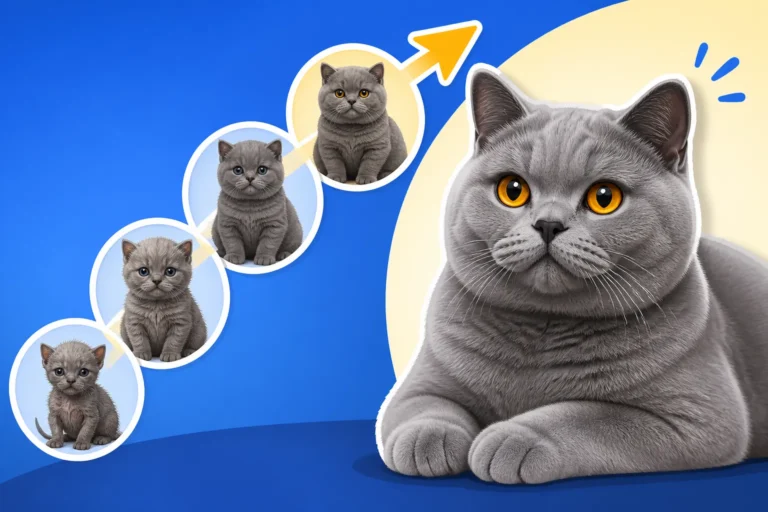
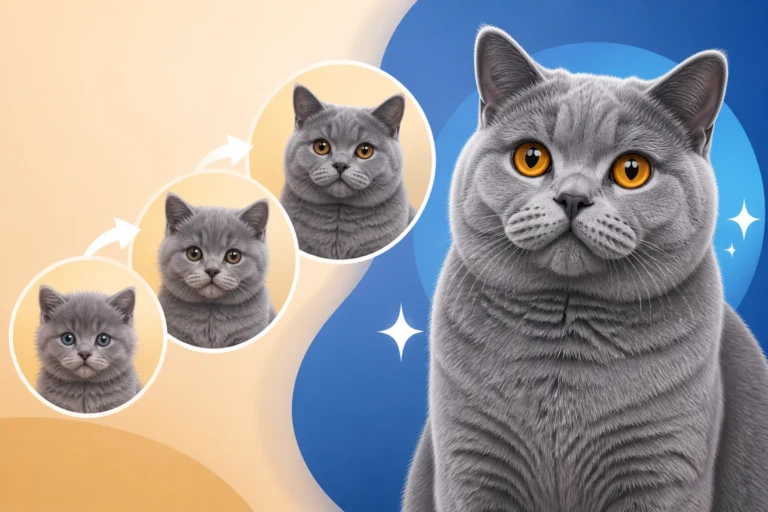
While the exact genetic markers for coat crispness are complex and involve multiple genes, the overall density and structure are certainly heritable. The genes responsible for hair length, thickness, and the growth cycle of both undercoat and guard hairs all contribute. For example, the gene for short hair is dominant, ensuring the overall length. Beyond that, genetic factors dictate how tightly packed the undercoat is and the precise angle at which the guard hairs emerge and stand away from the body. Breeders meticulously select breeding pairs to ensure these desired coat qualities are passed down, maintaining the breed standard. This is why you'll often see kittens even at a young age starting to show signs of that characteristic texture, developing fully as they mature. The integrity of the British Shorthair's coat is a testament to careful genetic stewardship.
Environmental and Care Factors Affecting Coat Crispness
While genetics lay the foundation for a British Shorthair's crisp coat, environmental factors and your daily care routine play a significant role in maintaining that ideal texture. A coat can lose its crispness if not properly managed, becoming dull or flat.
Diet and Nutrition
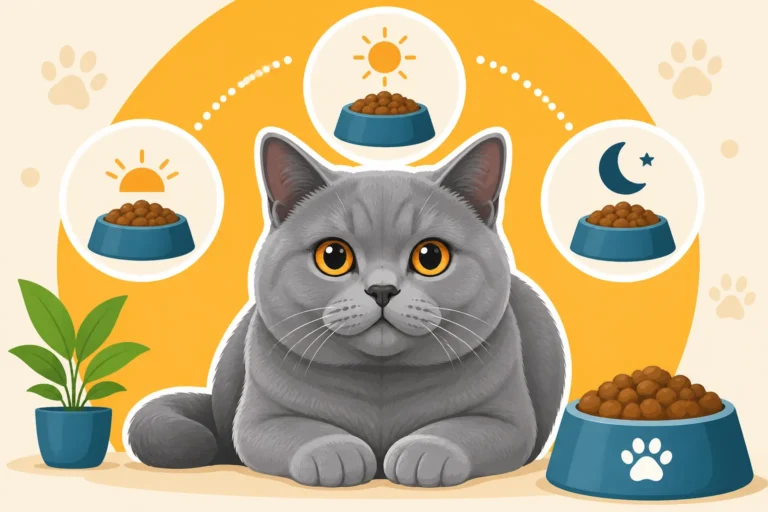
What goes into your cat's bowl directly impacts the health and appearance of their coat. A diet rich in high-quality protein, essential fatty acids (like Omega-3 and Omega-6), and vitamins is crucial for skin health and hair growth. Without adequate nutrition, the fur can become dry, brittle, or greasy, losing its natural resilience and crispness. Think of it like a plant: if it's not watered and fed properly, it wilts. The same applies to your British Shorthair's luxurious coat.
For instance, if your cat is eating a low-quality food with fillers and lacks sufficient animal protein, their coat might appear duller and feel softer or even greasy, rather than exhibiting that characteristic springy crispness. Look for foods where meat is the primary ingredient and consider supplements if recommended by your vet.
Grooming Practices
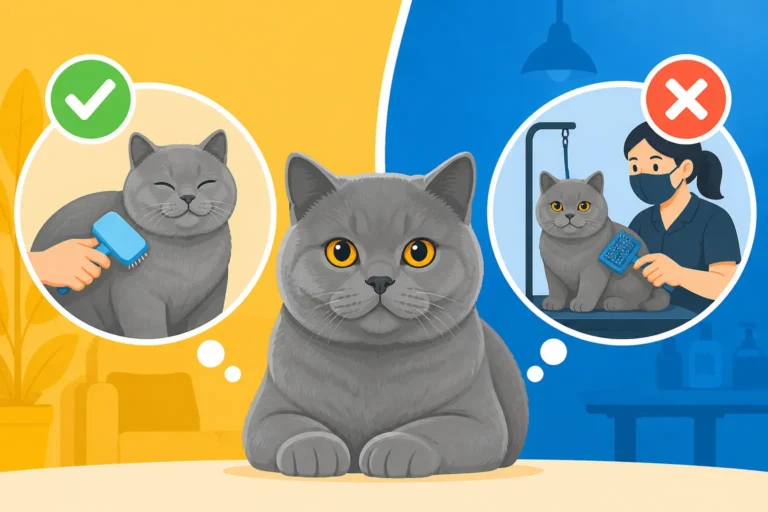
The way you groom your British Shorthair has a profound effect on its coat. Regular, correct grooming helps remove loose undercoat, prevent mats, and distribute natural oils, all of which contribute to maintaining the crisp texture. However, using the wrong tools or grooming techniques can actually damage the delicate structure of the coat. Brushes with harsh bristles or excessive raking can strip out the undercoat or break the guard hairs, leading to a thinner, less substantial, and less crisp feel. Over-bathing or using harsh shampoos can also strip natural oils, drying out the skin and hair follicles, making the coat dull and lifeless. It’s a delicate balance that requires the right approach, which we'll discuss in the next section. Which Comb a British Shorthair Needs will further guide you on selecting the right tools.
Environmental Humidity and Climate
Believe it or not, the environment your British Shorthair lives in can also influence its coat texture. Cats living in very dry climates might experience drier skin and fur, which can impact the natural oils that give the coat its healthy sheen and resilience. Conversely, excessively humid environments can sometimes make the coat feel slightly less crisp, absorbing moisture and becoming a little softer. While you can't change your local climate, maintaining a comfortable indoor humidity level, especially in winter when heating can dry out the air, can help support overall skin and coat health. A humidifier can be a simple solution in particularly dry homes. The ideal crispness thrives in a balanced environment, mirroring the temperate climate from which the breed originated.
Maintaining the Ideal British Shorthair Coat Texture
Achieving and maintaining that signature crisp British Shorthair coat requires a consistent and thoughtful care routine. It's not just about aesthetics; a healthy coat is a sign of a healthy cat.
Proper Combing Techniques
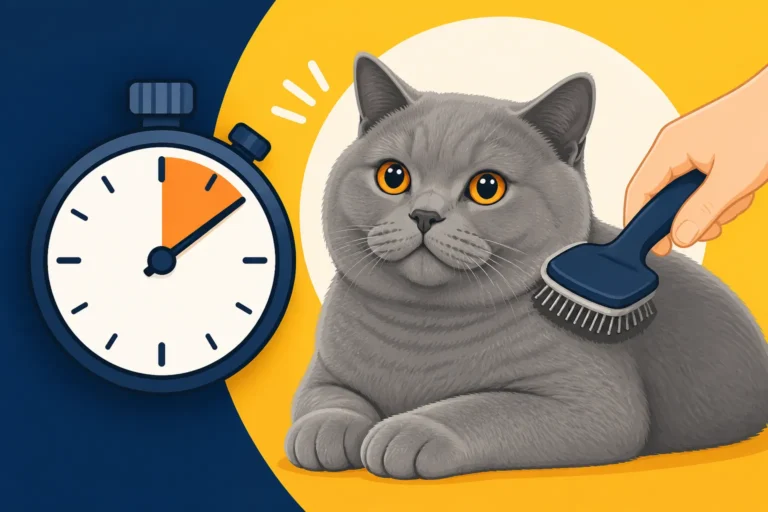
This is arguably the most critical aspect of British Shorthair coat care. Due to their dense undercoat, simple brushing often isn't enough; you need to comb. The goal is to remove dead undercoat without damaging the guard hairs. Use a good quality metal comb with both wide and narrow teeth. Start with the wider teeth, gently working through the coat, making sure to reach down to the skin. Then, use the finer teeth to catch any remaining loose hairs.
Here's a technique to try:
- Sectioning: Work in small sections, starting from the head and moving towards the tail.
- Gentle Strokes: Use short, gentle strokes, lifting the fur slightly as you comb to get underneath.
- Against the Grain (Sparingly): Occasionally, comb gently against the natural lie of the fur to lift it and remove more loose undercoat, then comb back with the grain. This helps maintain the "stand-off" quality.
- Frequency: Aim for 2-3 times a week, increasing to daily during seasonal shedding periods (often in spring and autumn) when they tend to blow their undercoat. The Two Weeks a British Shorthair Drops Its Undercoat can be intense, so be prepared!
Regular combing prevents mats, distributes natural oils, and encourages healthy circulation in the skin, all contributing to that perfect crisp feel. You can find excellent metal combs on platforms like Amazon or Chewy.
Dietary Support for Coat Health
As mentioned earlier, diet is foundational. To support a healthy, crisp coat, ensure your British Shorthair receives a diet rich in:
- High-Quality Animal Protein: This provides the building blocks for strong hair. Look for cat foods with real meat or fish as the first few ingredients.
- Essential Fatty Acids (Omegas): Omega-3 and Omega-6 fatty acids are vital for skin hydration and coat luster. Many quality cat foods include these, but you can also supplement with fish oil if recommended by your vet. Be sure to use a cat-specific supplement.
- Vitamins and Minerals: Biotin, zinc, and B vitamins are particularly important for hair growth and skin health.
Avoid low-quality foods with excessive fillers or by-products, as these often lack the nutrients necessary for optimal coat health. Foods that focus on whole, natural ingredients can be beneficial for supporting skin and coat health. A well-nourished cat will naturally have a more vibrant and resilient coat.
Bathing Considerations
British Shorthairs are generally very clean cats and don't require frequent bathing. In fact, over-bathing can strip their coat of natural oils, leading to dryness and a loss of crispness.
- When to Bathe: Only bathe your British Shorthair when absolutely necessary, such as if they've gotten into something messy or if there's a specific skin condition requiring medicated shampoo.
- Product Choice: Always use a cat-specific shampoo that is gentle and moisturizing. Avoid human shampoos or harsh detergents.
- Drying: After a bath, towel dry thoroughly and, if your cat tolerates it, use a low-heat hairdryer to ensure they are completely dry, especially the dense undercoat. Residual dampness can lead to skin issues.
For the most part, consistent combing and a good diet will keep their coat in prime condition, making baths a rare necessity. How Often a British Shorthair Needs a Bath is surprisingly infrequent for most owners.
Comparing the British Shorthair Coat to Other Breeds
To truly appreciate the distinct crispness of a British Shorthair's coat, it's helpful to compare it to the coats of other popular cat breeds. This highlights just how unique their texture truly is in the feline world.
British Shorthair Versus American Shorthair
At first glance, one might assume these two breeds, both "shorthairs," have similar coats. However, there's a significant difference.
- British Shorthair: As we've discussed, the British Shorthair boasts a dense, plush, and distinctly crisp coat that stands away from the body. It's often described as a "double coat," with a thick undercoat giving it spring and body. When you run your hand through it, you feel a noticeable resistance and then a soft, dense return.
- American Shorthair: The American Shorthair, while also having a short coat, typically has a firmer, harder, and somewhat coarser texture. Their coat lies flatter against the body, offering a sleek, protective layer that historically served them well as working cats. It's not as plush or as "standing out" as the British Shorthair's. The texture is more functional and less about the luxuriant, springy feel. This difference in texture is one of the key distinctions between the two breeds, despite their similar names and general build.
| Feature | British Shorthair Coat | American Shorthair Coat |
|---|---|---|
| Texture | Dense, plush, "crisp," springy, resists flattening | Firmer, harder, somewhat coarser, lies flatter |
| Undercoat Density | Very dense, provides significant body | Present, but typically less dense than BSH |
| Guard Hairs | Stand out from body | Lie flat against body |
| Overall Appearance | Rounded, "teddy bear," substantial | Sleek, athletic, protective |
| Feel to the Touch | Resilient, soft, yet firm | Smooth, sturdy, more utilitarian |
British Shorthair Versus Persian
The contrast between a British Shorthair and a Persian coat is even more stark, representing opposite ends of the feline coat spectrum.
- British Shorthair: Short, dense, and crisp, designed for insulation and a robust appearance. It requires regular combing but is relatively low-maintenance compared to a long-haired breed.
- Persian: Known for its incredibly long, flowing, fine, and silky coat. This coat is high-maintenance, prone to matting, and requires daily grooming to prevent tangles and keep it pristine. The texture is soft, fluid, and luxurious, draping elegantly over the body rather than standing out.
These comparisons underscore that the British Shorthair's crisp coat is a unique and defining characteristic, carefully cultivated through breeding to give them their iconic look and feel. It's part of what makes them such a beloved and instantly recognizable breed. Knowing How a British Shorthair's Coat Differs From a Plush Coat helps in understanding these distinctions.
Disclaimer
This article is for general informational purposes only and does not constitute professional advice. Laws, prices and regulations vary by location and change over time. Consult a qualified professional for guidance on your specific situation.