Whether a British Shorthair Steals Food
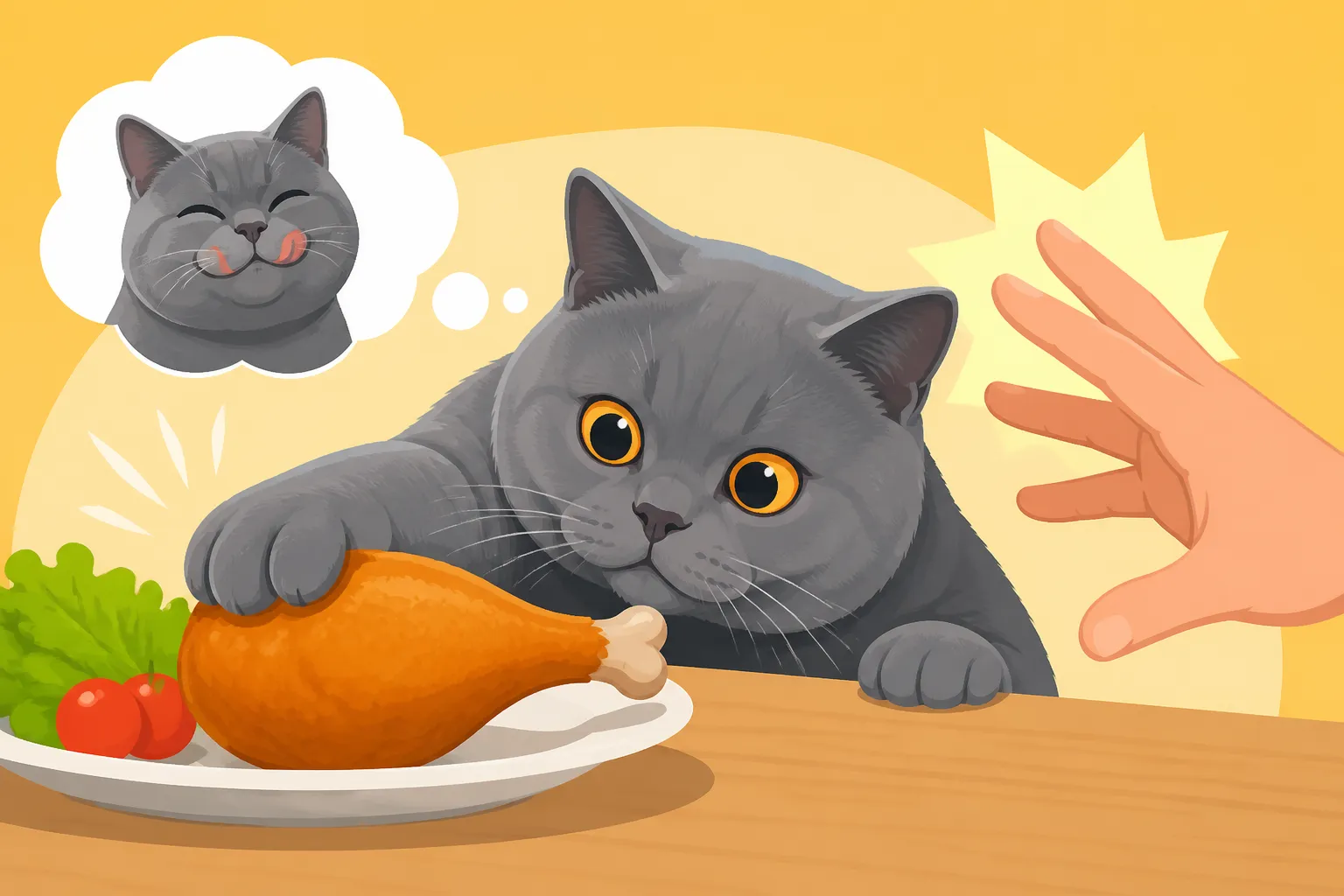
It’s a common scenario, isn't it? You turn your back for just a moment, a delicious snack or even your British Shorthair’s own kibble is left unattended, and poof – it’s gone, or at least being eyed with intense, unblinking focus. Many of us with these beloved, plush companions find ourselves wondering if their calm demeanor hides a secret passion for pilfering food. This guide is here to shed light on why your British Shorthair might be a sneaky eater and, more importantly, how you can prevent unintended food raids and keep them safe and well-fed.
The British Shorthair's Relationship with Food: Are They Naturally Thieves?
Let's be real, British Shorthairs aren't inherently "bad" cats, nor are they usually driven by malice when they snag a treat. Their deep-seated behaviors often stem from instinct, their unique physical traits, and learned habits within our homes. Understanding these roots is the first step to curbing any unwanted food-related adventures.
The British Shorthair's Appetite and Metabolism: They Love Food
If you own a British Shorthair, you've likely noticed their appreciation for a good meal. They are a robust, cobby breed, meaning they have a stocky build and tend to carry a bit of weight naturally. Unfortunately, this also makes them particularly prone to obesity if their diet isn't managed carefully. Their dense, plush coats can often hide a developing weight problem, making it harder to spot until it's quite advanced. Because food is so readily available and often delicious in our homes, and their metabolism can be a bit slower than some of their more active feline cousins, they can easily become overweight. This love for food, combined with a slower metabolic rate, means they’re often highly motivated by it. A hungry British Shorthair, or even just one who thinks they could be hungry, is a prime candidate for a counter-surfing expedition. This propensity for weight gain is why diligent feeding practices are so crucial, and it’s deeply tied into why they might attempt to 'steal' food. You can learn more about this in Why a British Shorthair Gains Weight So Easily.
Innate Curiosity and Opportunism: Even Calm Cats Can Be Curious
While British Shorthairs are known for their placid and easygoing nature, don't let that fool you into thinking they aren't curious. They absolutely are! Cats, by nature, are opportunistic hunters and scavengers. In the wild, if food is available and accessible, they will take it. Our homes, full of tantalizing aromas and easily reachable surfaces, can become a playground for their innate curiosity. Even if your British Shorthair isn't a particularly active or mischievous cat, the scent of a forgotten sandwich or a bag of treats left on the counter can be an irresistible siren call. They might not be scaling bookshelves to bring down a bird, but they're certainly capable of a quiet, calculated leap onto a kitchen counter if the reward seems appealing enough. Their intelligence, combined with their low-key personality, sometimes means they can be surprisingly stealthy in their food-finding missions.
Learned Behavior Versus Instinct: The Habits We Create
Sometimes, what appears to be "stealing" is actually a learned behavior that we, perhaps inadvertently, have reinforced. Think about it: has your cat ever successfully snagged a morsel from your plate? Or did a piece of food fall on the floor and you didn't immediately clean it up, allowing them to investigate and consume it? These small instances can teach a British Shorthair that unattended human food is a potential bonus. If they get a reward once, even a tiny one, they'll remember it and try again. It's not malicious; it's simply cause and effect from a cat's perspective. Similarly, if they're routinely free-fed and the bowl is always full, but then suddenly it’s empty, they might seek food elsewhere, leading to counter-surfing. Consistency in feeding is key to preventing these kinds of learned behaviors from taking root. Why Free Feeding Ruins a British Shorthair really delves into why this approach can backfire, especially with a breed prone to weight gain.
Why Your British Shorthair Might Be Stealing Food
It's easy to label a cat a "food thief" and get frustrated, but usually, there's a reason behind their behavior. Unpacking these reasons can help you address the root cause and find a more sustainable solution than simply scolding them after the fact.
Insufficient Portions or Inconsistent Feeding Schedules
One of the most straightforward reasons a British Shorthair might be looking for extra food is genuine hunger. Are you feeding them enough? Are their meals spaced out appropriately? British Shorthairs are quite structured creatures, and they thrive on routine. If their meals are unpredictable, or if the portions are too small for their needs, they might resort to looking for supplementary snacks around the house. A common mistake is underestimating the How Many Calories a British Shorthair Needs to maintain a healthy weight and satisfy their appetite, or feeding them at erratic times. For example, if you typically feed them at 7 AM and 7 PM, but one day you're late and they don't eat until 9 AM, that two-hour delay can feel like an eternity to a cat whose internal clock is already set. They might spend that extra time exploring countertops, hoping to find an early breakfast. Providing consistent, appropriately portioned meals is critical. How Much a British Shorthair Should Actually Eat offers more specific guidance on this.
Boredom and Lack of Enrichment: Food as Entertainment
British Shorthairs are generally calm and not overly energetic, but "calm" doesn't mean "bored." A cat with insufficient mental and physical stimulation can become quite inventive in finding ways to entertain itself, and often, that entertainment involves food. If your British Shorthair spends much of the day alone with little to do, or if their environment lacks engaging toys and activities, exploring forbidden food zones can become a novel and rewarding pastime. It's not just about hunger; it's about the thrill of discovery and the sensory experience. A cat might bat a package of treats around just for the fun of it, only to discover a tasty reward inside. This is particularly true if they’re not motivated by active play. Play for a British Shorthair That Would Rather Not gives some great ideas for engaging even the most laid-back British Shorthair.
Enticing Human Foods Left Unattended
Let's face it, we are often our own worst enemies when it comes to cat-proofing our food. A plate of leftovers cooling on the counter, a half-eaten sandwich on a coffee table, or even a grocery bag left open can be an irresistible temptation. Many human foods have strong, appealing smells to cats, and if they're within reach, your British Shorthair's natural curiosity and love for food will kick in. They might not jump directly onto the counter the moment you leave the room, but they will certainly scope out the situation. Sometimes, they might just give a gentle nudge to a bag, or sniff at a plate, and if they find something interesting, they’ll learn to exploit these opportunities. This behavior often stems from a combination of scent-driven attraction and the sheer accessibility of the item. This is where Whether a British Shorthair Counter Surfs becomes a very real concern for many owners.
Competition with Other Pets: The Race for Resources
If you have a multi-pet household, especially with other cats or even dogs, competition for food resources can be a significant motivator for a British Shorthair to "steal" food. Even if their own bowl is full, the presence of another animal can trigger an instinct to secure extra resources. They might worry that their food could be taken, or they might simply see another animal's food as fair game. This can lead to them darting to another pet's bowl to snatch a mouthful, or even trying to get into food that isn't their own. This isn't necessarily about outright aggression, but more about resource guarding or simply wanting to maximize their intake. It’s also common for them to finish their own meal quickly then go looking for more. Whether a British Shorthair Steals From Other Cats covers some specific dynamics in a multi-cat home that can lead to this behavior.
Practical Strategies to Prevent Food Theft
Now that we've explored why your British Shorthair might be dipping their paws into forbidden feasts, let's talk about proactive steps you can take to prevent it. Prevention is always better than trying to react in the moment, especially when it comes to your cat's health and safety.
Implementing Strict Feeding Routines and Portion Control
The single most impactful change you can make is establishing and sticking to a consistent feeding schedule with carefully measured portions. British Shorthairs thrive on routine, and knowing exactly when and where their meals will appear can significantly reduce their perceived need to forage for food elsewhere. Measure their food accurately, taking into account their age, activity level, and whether they need to lose or maintain weight. Portion Control Is the Whole Job With a British Shorthair for a reason – it's fundamental to their well-being and managing their tendency to gain weight.
Consider using a timed automatic feeder, especially if your schedule is unpredictable or you're out of the house for long periods. Brands like those found on Amazon offer various models that dispense food at set times, ensuring consistency even when you're not there. This can help regulate your cat's hunger cues and prevent them from feeling an urgent need to find food. If you have multiple pets, consider feeding them in separate, quiet areas to minimize competition and allow each cat to eat at their own pace without feeling rushed or threatened.
Securing Human Food and Tempting Treats
This might seem obvious, but it's often the hardest habit for humans to break! Be meticulously tidy with human food. Never leave plates of food unattended on counters or tables, even if you're just stepping away for a moment. Get into the habit of immediately clearing dirty dishes into the sink or dishwasher.
For groceries and pantry items, invest in sturdy, pet-proof containers. Many options are available on Amazon that are airtight and difficult for curious paws to open. For cupboards containing particularly enticing items (like pet treats or tempting human snacks), consider childproof locks. These simple devices can be a game-changer for a persistent British Shorthair. If your cat is a known counter-surfer, even when no food is out, consider creating a clear boundary. Cats generally dislike sticky surfaces, so a few strips of double-sided tape along the counter's edge can act as a gentle deterrent without causing harm.
Providing Ample Feline Enrichment
A well-stimulated cat is a less bored cat, and a less bored cat is less likely to invent mischievous ways to entertain themselves, such as food theft. Since British Shorthairs aren't typically high-energy, their enrichment often needs to be more mental than purely physical.
- Puzzle Feeders: These are fantastic for British Shorthairs! Instead of simply eating from a bowl, they have to "work" for their food, which engages their brains and slows down eating. You can find a wide variety of puzzle feeders on Amazon, from simple treat balls to more complex labyrinths. This fulfills their natural foraging instinct in a safe, controlled way. Whether a Puzzle Feeder Motivates a British Shorthair is a great read if you're considering this option.
- Interactive Play: Even a calm British Shorthair needs some play. Short, regular play sessions with a wand toy can be incredibly beneficial. It provides physical activity and mental engagement. Focus on toys that mimic prey, encouraging their hunting instincts.
- Vertical Space: While they aren't champion climbers, a sturdy cat tree or a few well-placed shelves can offer elevated vantage points, which many cats appreciate. This adds dimension to their environment and provides new areas to explore.
- Window Perches: A comfortable perch by a window allows them to watch the "cat TV" of birds and squirrels outside, providing passive but engaging entertainment.
Using Deterrents Safely
Sometimes, you need a little extra help to teach your British Shorthair that certain areas are off-limits. Safe, non-harmful deterrents can be effective.
- Motion-Activated Air Sprays: Products like Ssscat (often available on Amazon) use a motion sensor to detect your cat's presence and release a harmless burst of air. This startles the cat without hurting them, creating a negative association with the forbidden area. They quickly learn to avoid that spot.
- Aluminum Foil or Sticky Mats: Cats generally dislike the feel and sound of aluminum foil, so placing it on counters can deter them. Sticky mats (like "ScatMat") provide a mild, unpleasant sensation that discourages jumping.
- Strong Scents: Some cats are put off by the smell of citrus. You can place orange or lemon peels on counters or use pet-safe citrus sprays.
Remember to use deterrents consistently but sparingly, and always ensure they are safe and won't cause your cat undue stress or fear. The goal is to redirect behavior, not to punish.
What To Do If Your British Shorthair Steals and Eats Something Unsafe
Despite your best efforts, accidents can happen. If your British Shorthair manages to snatch and consume something they shouldn't, knowing how to react quickly is paramount to their health.
Identifying Potentially Harmful Foods
It’s crucial to be aware of common human foods that are toxic to cats. Many items we enjoy are highly dangerous for our feline friends, even in small quantities. Some of the most common culprits include:
- Chocolate: Contains theobromine, which cats cannot metabolize effectively. Darker chocolate is more dangerous.
- Onions, Garlic, Chives, Leeks: All members of the Allium family are toxic and can cause red blood cell damage, leading to anemia.
- Grapes and Raisins: Can cause kidney failure in some cats, though the exact mechanism isn't fully understood.
- Xylitol: An artificial sweetener found in many sugar-free products (gum, candies, some peanut butters) can cause a rapid drop in blood sugar and liver failure.
- Alcohol: Even small amounts can be extremely dangerous, leading to intoxication, coma, or death.
- Caffeine: Found in coffee, tea, and energy drinks, it can overstimulate the nervous system.
- Raw Dough: Yeast in raw dough can expand in the stomach and produce alcohol.
- Bones: Cooked bones can splinter and cause internal damage or choking. Raw bones carry bacterial risks.
- Fatty Foods: Can cause pancreatitis, an inflammatory condition of the pancreas.
This list isn't exhaustive, so if you're ever in doubt about a specific food, err on the side of caution.
Immediate Action and Veterinary Consultation
If you suspect your British Shorthair has eaten something toxic or unsafe, do not wait. Time is often critical in these situations.
- Stay Calm: Panic will only make the situation harder.
- Identify the Substance: If possible, figure out exactly what they ate, how much, and when. Take a photo of the packaging if it has ingredients listed.
- Call Your Veterinarian Immediately: Don't try to induce vomiting at home unless specifically instructed by a vet. Some toxins can cause more harm coming back up. Be prepared to provide all the information you gathered. Your vet will advise you on the best course of action, which might include bringing your cat in for emergency treatment. They may need to induce vomiting safely, administer activated charcoal, or provide supportive care.
- Monitor Your Cat: Even if your vet advises monitoring at home, watch your cat closely for any signs of illness, such as vomiting, diarrhea, lethargy, difficulty breathing, tremors, or unusual behavior.
It’s always better to be overly cautious than to regret not seeking help sooner.
Long-Term Prevention After an Incident
Experiencing a scare like your British Shorthair eating something dangerous is a harsh reminder of the importance of prevention. Use it as motivation to double down on your safety measures:
- Review Your Routines: Are there any gaps in your feeding schedule or food security measures? Were you perhaps a little lax with leaving food out?
- Educate the Household: Make sure everyone in your home, including children and guests, understands the rules about not feeding the cat human food and keeping all tempting items out of reach.
- Pet-Proofing Audit: Go through your home with a "cat's eye" view. What could they potentially reach? Are all cupboards secure? Is the rubbish bin pet-proof?
- Consider a 'No Food on Counters' Rule: This might seem extreme, but for persistent counter-surfers or those who have had a close call, making the kitchen counters a completely food-free zone when not actively cooking can be the safest option.
The goal is to create an environment where your British Shorthair feels secure in their food supply and isn't tempted by easily accessible human snacks. While they might never completely lose their opportunistic streak, consistent management and enrichment can help keep them safe, healthy, and away from the forbidden feast.
Disclaimer
This article is for general informational purposes only and does not constitute professional advice. Laws, prices and regulations vary by location and change over time. Consult a qualified professional for guidance on your specific situation.