Whether a British Shorthair Hides From Guests
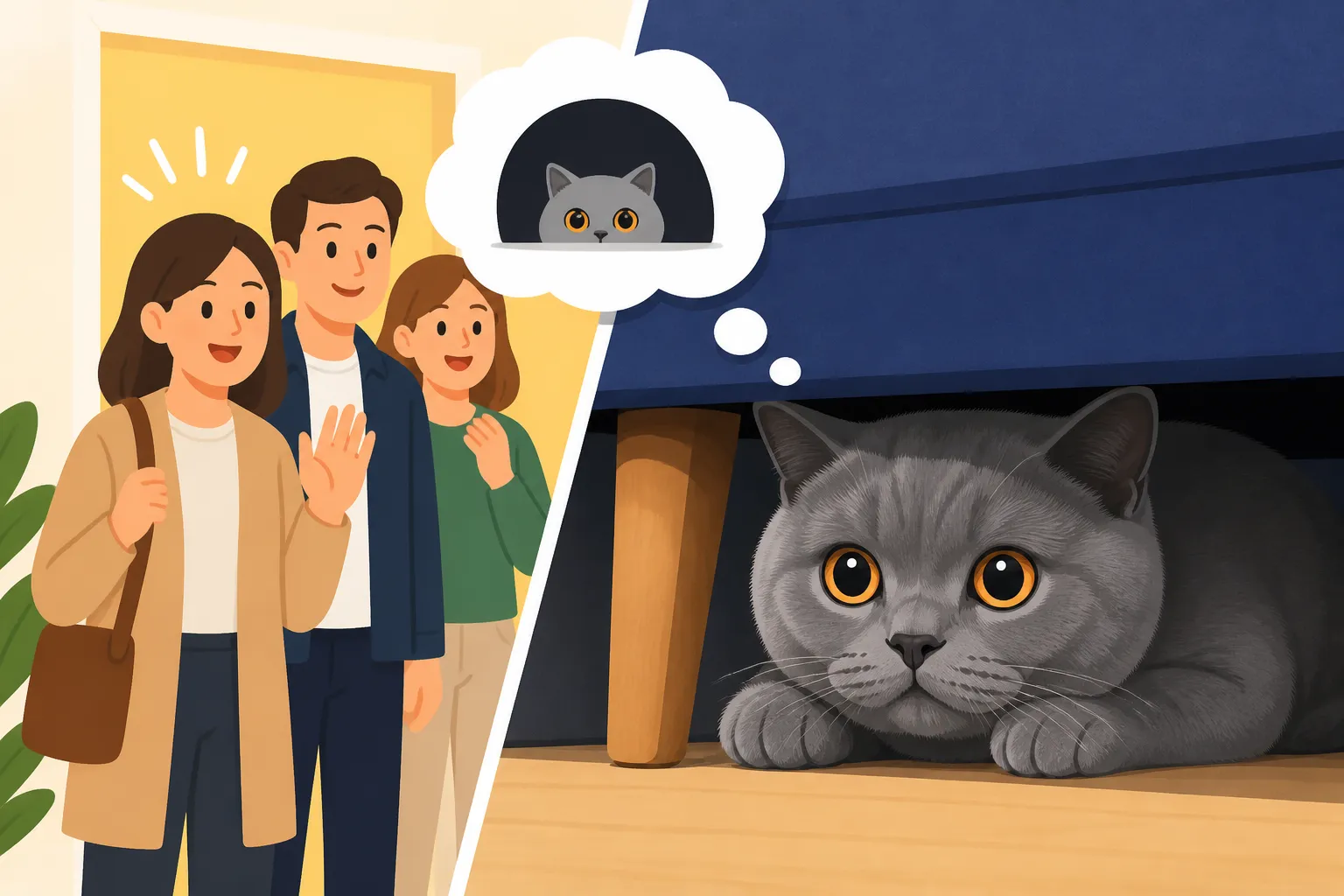
It’s a common scenario, isn't it? You've got this beautiful, fluffy, perfectly round British Shorthair gracing your sofa, looking every bit the regal companion. Then the doorbell rings, and poof – they vanish into thin air, leaving you to explain to your delighted guests that yes, you do have a cat, even if they can't actually see it. This guide is for every British Shorthair owner who has ever felt that slight pang of disappointment when their beloved feline becomes a furry phantom, helping you understand why they hide and how to make guest visits less stressful for everyone, especially your sensitive kitty.
Understanding the British Shorthair's Reserved Nature
British Shorthairs are known for their calm, dignified demeanor. They aren't typically the life of the party, nor are they usually the first to greet a stranger at the door with a wagging tail – well, they don't have tails to wag, but you get the picture. Their inherent personality often leads them to seek solitude when their familiar environment is disrupted. It's not that they're unfriendly; it's simply how they're wired.
Their Independent Streak
Unlike some more gregarious breeds, British Shorthairs often possess a strong independent streak. They appreciate their quiet routines and prefer to interact on their own terms. This isn't a flaw in their character; it's a deeply ingrained trait that makes them wonderfully low-maintenance companions for many. When new people arrive, it can feel like an intrusion on their personal space and peaceful existence. They value their autonomy, and a house full of unfamiliar faces can feel like a direct challenge to that. They'd much rather observe from a safe distance, assessing the situation before deciding if it's worth engaging. This is part of being genuinely fine on its own (A British Shorthair Is Genuinely Fine on Its Own), a trait that appeals to many owners.
They are creatures of habit, and their environment is their kingdom. Any shift in the usual rhythm, especially the sudden influx of boisterous human voices and movements, can throw them off balance. They find comfort in predictability, and guests introduce an element of the unknown that many British Shorthairs would rather avoid. It's not personal; it's just their way of maintaining control in a situation that feels out of their paws.
The Observational Personality
If you've spent any time with a British Shorthair, you'll know they are master observers. They sit, they watch, they process. This isn't a breed that rushes headlong into new situations. Instead, they prefer to take everything in from a safe vantage point, absorbing details and making their own quiet judgments. When guests arrive, they're not necessarily hiding because they're terrified; often, they're simply retreating to a place where they can conduct their observation mission undisturbed.
Think of it like being at a party where you don't know many people. Some folks will dive right into the conversations, while others will find a quiet corner, lean against a wall, and subtly take stock of the room before deciding if they want to join in. Your British Shorthair is very much the latter. They want to see how these new humans behave, what their energy is like, and if they pose any perceived threat to their comfort or territory. Giving them this space to observe is crucial for their well-being and eventual (or non-eventual) acceptance.
Sensitivity to Change and Noise
British Shorthairs thrive in a calm, predictable environment. Sudden loud noises, unexpected movements, or a general increase in household activity can be genuinely unsettling for them. Guests, no matter how well-meaning, often bring with them a higher volume of conversation, laughter, footsteps, and sometimes even children's excited squeals. This sensory overload can be a huge trigger for them to seek refuge.
Imagine your serene home suddenly transforming into a bustling train station. For a British Shorthair, this can be incredibly stressful. Their sensitive hearing picks up every unfamiliar sound, and their keen senses register every new scent. It's not about being antisocial; it's about self-preservation and seeking comfort away from what feels like an overwhelming assault on their senses. Many British Shorthairs are notoriously The Quietest Cat in the House, so a sudden surge in noise can be particularly jarring for them.
Why Guests Can Be Overwhelming
The arrival of guests isn't just a slight inconvenience for your British Shorthair; it can be a significant source of stress. They interpret the world through their unique feline lens, and what seems like a fun gathering to us can feel like an invasion to them. Understanding these underlying reasons can help you empathize with their need to hide and implement strategies to ease their anxiety.
Disruption of Routine
Cats, and British Shorthairs especially, are creatures of habit. Their day is often structured around specific meal times, playtime sessions, and napping spots. The minute guests arrive, this carefully constructed routine can fall apart. Meals might be delayed, regular playtime might be skipped, and their favorite napping spots might be occupied by unfamiliar jackets or bags. This disruption can be very unsettling.
When their routine is thrown into disarray, it can lead to anxiety. They might not understand why things are different, only that their predictable world has become unpredictable. This lack of control over their environment is a major stressor. They might retreat to a quiet corner not just to hide from people, but to find a semblance of their normal routine, even if it's just a secluded spot where they know they won't be bothered. This sensitivity to change ties into Why a British Shorthair Hates Change.
Unfamiliar Scents and Sounds
Cats have an incredibly acute sense of smell, far superior to ours. Every guest brings a whole new array of scents into the home – different perfumes, soaps, outdoor smells, and even the scent of other pets. For your British Shorthair, this is like suddenly having a dozen new air fresheners blasting in their face, each one competing for attention. It's overwhelming and can signal an intrusion into their marked territory.
Beyond the smells, there's the cacophony of new voices, different tones, and unfamiliar laughter. They might not understand human conversation, but they certainly pick up on pitch, volume, and emotional inflections. A loud burst of laughter that we perceive as joyous might register as startling or even threatening to a sensitive feline. These new sensory inputs create an environment that feels less safe and less familiar, prompting them to seek out their personal sanctuary.
The "Stranger Danger" Instinct
While your British Shorthair may love and trust you implicitly, new people are, by definition, strangers. Cats often have a natural instinct to be wary of the unknown. In the wild, new individuals could be a threat, and this primal caution remains even in our pampered housecats. They don't know these people's intentions, their behaviors, or their boundaries.
This "stranger danger" instinct is particularly pronounced in some British Shorthairs. They are not naturally confrontational and prefer to avoid perceived threats rather than engage. Their default response to an unfamiliar presence is often to retreat and observe from a distance. It's their way of keeping themselves safe and avoiding potential conflict. It's important to remember this isn't a sign of poor socialization; it's often just their innate cautious personality coming to the fore, as described in How a British Shorthair Greets Strangers.
Body Language Signals Cats Read
Humans, in their excitement, often forget how much information we convey through our body language – and how expertly cats read it. When guests arrive, they might lean over to try and pet your cat, extend a hand too quickly, or make direct eye contact, all of which can be interpreted as threatening gestures by a cat. We might think we're being friendly, but to a British Shorthair, these actions can be intrusive or intimidating.
Even the general energy of a bustling room can be perceived by your cat. People moving quickly, gesturing emphatically, or standing over them can all contribute to a feeling of vulnerability and unease. Your British Shorthair, with its calm and deliberate nature, prefers slow, predictable movements and respectful distance. When those boundaries are inadvertently breached by well-meaning guests, their natural response is to find a place where they feel less exposed. How to Read a British Shorthair's Face can give you clues about their comfort levels.
Common Hiding Spots and Behaviors
When your British Shorthair decides to go into stealth mode, they have a few favorite haunts and display specific behaviors that tell you they're not thrilled about the company. Understanding these can help you better manage their environment and reduce their stress during visits.
Under the Bed or Furniture
This is the classic cat hiding spot, and for good reason. The space under a bed, sofa, or chest of drawers offers an enclosed, dark, and often dusty sanctuary. It provides a physical barrier between them and the perceived "threat" of guests, making them feel secure and out of sight. It's a low-effort escape route that offers maximum protection.
From under a piece of furniture, your British Shorthair can still observe the room through the gaps, allowing them to continue their reconnaissance mission without feeling exposed. It's their personal bunker, a place where they can retreat and feel safe until the coast is clear. Don't underestimate the comfort a simple bed skirt can provide in turning an open space into a private den.
High Places: Cat Trees, Shelves
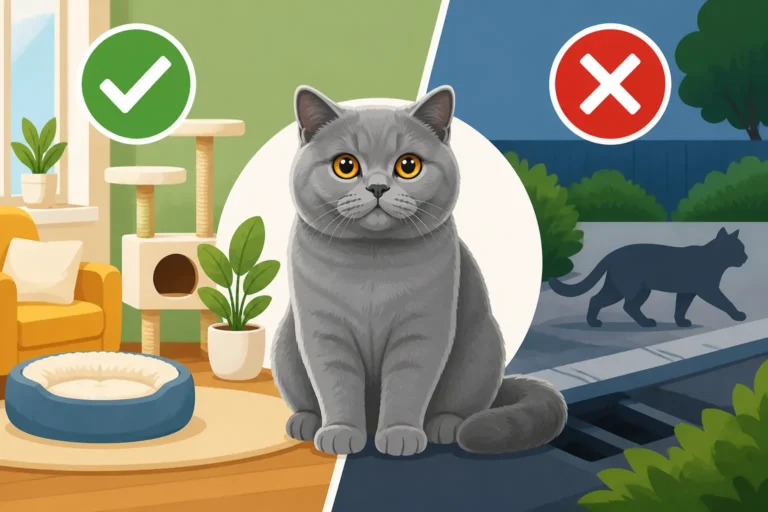
While some cats prefer the anonymity of being low and hidden, others seek the security of height. A tall cat tree, a high shelf, or even the top of a wardrobe can serve as an excellent vantage point for a British Shorthair who wants to observe without being directly approached. Being high up gives them a sense of control and allows them to survey their territory from above.
Many British Shorthairs appreciate vertical space, and providing a sturdy, multi-level cat tree (you can find some great options on Amazon) can be a game-changer for their comfort, especially during times of stress. This allows them to fulfill their observational tendencies without feeling trapped. It taps into their natural instinct to seek high ground, giving them a psychological advantage and a clear escape route if they feel cornered. This relates to How Much a British Shorthair Likes High Places.
The "Disappearing Act"
Sometimes, it's not a specific hiding spot as much as a complete "disappearing act." One moment they're there, the next they're gone, seemingly vanished into the ether. This might involve slipping silently into another room, darting down a hallway, or simply melting into the shadows. Their quiet nature makes them particularly adept at this feline magic trick.
The disappearing act is a clear signal that they've decided the current situation is not for them. They're not making a fuss; they're simply exercising their right to self-preservation. It's a graceful exit, a polite way of saying, "I'll be back when it's quiet." Trying to coax them out or force interaction at this point will only increase their stress and reinforce their negative association with guests.
Signs of Stress Even When Not Hiding
Even if your British Shorthair isn't fully hidden, they might still be showing signs of stress. These can be subtle and easily missed if you're not attuned to their body language. Look for dilated pupils, ears flattened slightly back, a tail held low or tucked, a stiff posture, or a refusal to make eye contact. They might also engage in excessive grooming or suddenly become very still and quiet.
Sometimes, they might be "hiding in plain sight" – perhaps sitting on a chair that's slightly out of the main flow of traffic, or under a coffee table, but not fully concealed. While physically present, their body language screams "don't approach." Recognizing these cues is vital. If you see them, it's a clear signal that they're uncomfortable and need their space, even if they haven't completely vanished into a bedroom.
Creating a Safe Haven for Your British Shorthair
Since guests are an inevitable part of life, the key isn't to prevent your British Shorthair from hiding, but to provide them with options that make them feel secure and comfortable during these times. Creating a designated safe haven can significantly reduce their stress and allow them to cope better.
Designating a "Safe Room"
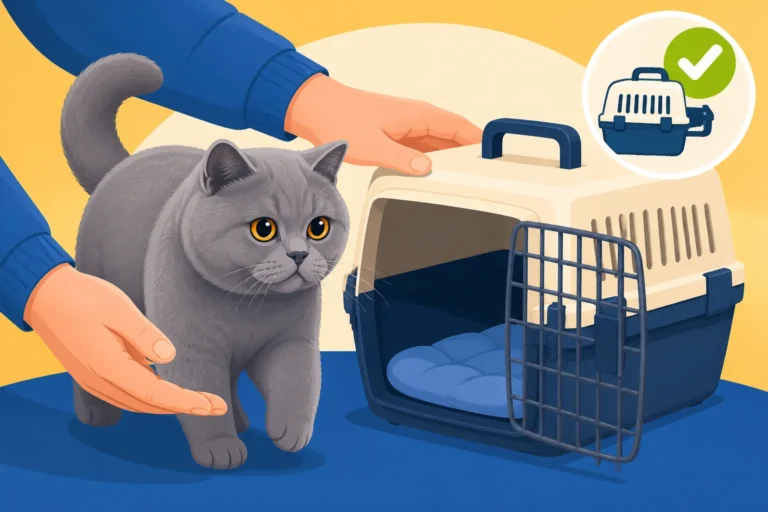
The most effective strategy is to designate a "safe room" that is exclusively your cat's territory during guest visits. This could be a spare bedroom, a quiet office, or even a large bathroom. Before guests arrive, set up this room with everything your British Shorthair needs: their food, fresh water, a clean litter box, a favorite bed or blanket, and a few familiar toys. You might even want to put in a puzzle feeder (easily found on Amazon) to keep them occupied.
Ensure the door to this room can be closed securely to prevent guests from accidentally disturbing them. This gives your cat a true sanctuary, a place where they know they won't be bothered and where all their essential needs are met. This allows them to completely retreat from the commotion and feel safe, without you having to worry about them getting stressed or going without food or water. It also helps manage the hours they are left alone (How Many Hours a British Shorthair Can Be Left), knowing they have their own comfortable space.
Providing Vertical Space
As mentioned, some British Shorthairs feel more secure when they can observe from a height. Incorporate plenty of vertical spaces into your home, especially in common areas. This includes cat trees, wall-mounted shelves, or even just leaving space on top of a sturdy bookcase for them to perch. These elevated spots offer a sense of security and control, allowing them to watch the activity below without feeling vulnerable.
When choosing a cat tree, ensure it's stable and large enough to comfortably support the substantial build of a British Shorthair. A wobbly tree won't provide the sense of security they crave. Position these climbing structures in areas that offer a good view of the room but are still somewhat out of the direct path of foot traffic. This allows them to make an appearance on their own terms, observing the festivities from a distance.
Scent Management and Familiar Items
To further enhance their sense of security, consider scent management. Cats rely heavily on scent to understand their environment. Familiar scents are comforting, while new ones can be unsettling. Before guests arrive, ensure their safe room contains items that smell distinctly of them and your usual household.
Pheromone diffusers, like Feliway, can also be a valuable tool. These emit synthetic feline facial pheromones that mimic the natural comforting scents cats use to mark their territory, signaling that an area is safe and secure. Plug one into their designated safe room, or even in a general area where they might pass through, several hours before guests arrive. You can often find these easily on Amazon. Having a favorite blanket or bed in their safe spot also ensures they're surrounded by their own comforting scent, making the retreat truly feel like home.
Strategies for Gentle Introductions or Non-Introductions
The goal isn't necessarily to force your British Shorthair to become a social butterfly, but to give them options and manage the environment so they feel as comfortable as possible. Sometimes, a "non-introduction" where they simply remain in their safe space is the best approach.
Preparing for Guests in Advance
Preparation is key to reducing stress for your British Shorthair. If you know guests are coming, try to maintain your cat's routine as much as possible leading up to and during the visit. Feed them at their usual times, and engage in their regular play sessions. A few hours before guests are due, gently guide your cat to their designated safe room.
You can also engage them in a good play session right before guests arrive. A tired cat is often a calmer cat. Use their favorite wand toy or other interactive toy to burn off some energy. This preemptive measure can help them feel more relaxed and less anxious when the changes begin. Don't forget to put out some fresh water in their safe room, even if they have a water fountain elsewhere.
| Strategy | Description | Benefit for British Shorthair |
|---|---|---|
| Designate Safe Room | Set up a separate room with food, water, litter, and bed, close the door. | Complete retreat, sense of security, essential needs met. |
| Vertical Space | Provide tall cat trees or shelves in social areas. | Safe observation point, sense of control, escape route. |
| Pheromone Diffusers | Use calming pheromone sprays/diffusers in key areas. | Reduces anxiety, signals security, promotes relaxation. |
| Maintain Routine | Stick to regular feeding and play schedules as much as possible. | Predictability, reduces anxiety from disruption. |
| Pre-Guest Play | Engage in a vigorous play session before guests arrive. | Burns energy, promotes relaxation, reduces nervous energy. |
| Manage Guest Behavior | Brief guests on appropriate interaction (or non-interaction) with your cat. | Prevents accidental intimidation, ensures respect for cat's boundaries. |
Allowing Your Cat to Choose Interaction
The cardinal rule when it comes to British Shorthairs and guests is to let the cat make the first move. Never force interaction. If your cat chooses to remain hidden, respect that decision. They might eventually venture out on their own terms, usually when the initial excitement has died down and they feel more confident.
If they do emerge, advise your guests to ignore them initially. The best way to entice a cautious cat is to act nonchalant. Let your cat approach, sniff, and assess. Gentle praise from you can also signal to your cat that these new people are safe. If your cat rubs against a guest's leg, then a slow, gentle stroke on the head or behind the ears might be welcome. But always watch for signs of discomfort, such as a swishing tail or flattened ears, and stop immediately if you see them. This respect for their autonomy is key to building their confidence.
Managing Guest Behavior
You are your British Shorthair's best advocate. Before guests interact with your cat (if they even get the chance), gently educate them on proper feline etiquette. Ask them to speak in soft voices, avoid sudden movements, and never try to pick up your cat. Explain that your British Shorthair prefers to keep all four paws on the ground, a common British Shorthair trait detailed in A British Shorthair Will Not Be Picked Up.
Suggest that if the cat approaches, they should offer a still hand for sniffing and wait for the cat to rub against them before attempting a gentle stroke. Emphasize that ignoring the cat is often the quickest way for the cat to feel safe enough to investigate. Children, in particular, need clear instructions to be calm and respectful of the cat's space. A responsible guest will understand and respect these boundaries.
The Role of Positive Reinforcement
If your British Shorthair does make an appearance, even for a brief moment, use positive reinforcement. A quiet word of praise, a small, favorite treat, or a gentle stroke (if they allow it) can help them associate guests with positive experiences. However, don't overdo it or make it obvious that you're rewarding them for being out. The goal is to make their presence feel natural and unthreatening.
You can also use treats to lure them towards the vicinity of the guests, without forcing them into direct interaction. Scatter a few treats in a visible but safe spot, like at the base of their cat tree or near the entrance to their safe room, allowing them to approach and eat at their leisure. This subtle encouragement can slowly build their confidence and reduce their apprehension about new people.
When Hiding Becomes a Concern
While a British Shorthair hiding from guests is usually normal behavior, there are instances when persistent hiding or accompanying changes in behavior might signal an underlying issue that needs attention. It's important to differentiate between typical shyness and genuine distress.
Persistent Hiding After Guests Leave
If your British Shorthair typically retreats when guests are present but quickly reappears once they've departed, that's generally a healthy coping mechanism. However, if they continue to hide for an extended period after the house returns to normal – perhaps for several hours, or even a full day – it could indicate a higher level of anxiety. This prolonged withdrawal might suggest that the experience was more traumatic for them than usual.
Observe them closely. Are they reluctant to come out for meals? Are they avoiding their usual favorite spots? If their post-guest hiding is significantly longer or more intense than their typical response, it's a good time to consider if there are other stressors in their life or if the guest experience was particularly overwhelming. This persistent avoidance could be a red flag that they are struggling to decompress.
Changes in Eating or Litter Habits
One of the clearest indicators of stress in a cat is a change in their fundamental habits. If your British Shorthair, who is usually quite food-motivated (let's be honest, many of them are!), suddenly refuses to eat for an extended period, or if their litter box habits change – perhaps they stop using the box, or there are changes in stool consistency or frequency – it's a cause for concern.
Stress can manifest physically, and gastrointestinal upset or a reluctance to eat are common signs. Similarly, a cat might avoid a litter box in a busy area, or if they're too anxious to leave their hiding spot. Any significant deviation from their normal eating, drinking, or elimination patterns should be monitored carefully. This is a general sign that Signs a British Shorthair Is Unwell and merits attention.
Consulting With a Vet or Behaviorist
If you notice persistent hiding, significant behavioral changes, or any signs of physical distress, it's always best to consult with your veterinarian. They can rule out any underlying medical issues that might be contributing to your cat's anxiety or making them more vulnerable to stress. Sometimes, an undiagnosed health problem can make a cat feel more insecure and more likely to hide.
If medical causes are ruled out, your vet might recommend consulting a certified feline behaviorist. A behaviorist can help you understand the root cause of your British Shorthair's anxiety and develop a tailored plan to help them cope. They might suggest environmental modifications, desensitization techniques, or even temporary anti-anxiety medication if the stress is severe. Remember, your British Shorthair relies on you to ensure their well-being, and seeking professional help when needed is a crucial part of responsible pet ownership.
Disclaimer
This article is for general informational purposes only and does not constitute professional advice. Laws, prices and regulations vary by location and change over time. Consult a qualified professional for guidance on your specific situation.