Whether a British Shorthair Should Go Outside
One of the most profound decisions you'll make for your British Shorthair is whether to allow them access to the great outdoors. It’s a choice fraught with worry for many cat owners, balancing their cat's perceived desire for adventure with the very real dangers that lurk just beyond your doorstep. This comprehensive guide aims to shed light on the unique considerations for British Shorthairs and help you make an informed decision that prioritizes their safety, health, and happiness.
The Hidden Dangers of an Outdoor Life for Any Cat
It's tempting to think that cats belong outside, freely roaming and exploring like their wild ancestors. We often picture them blissfully chasing butterflies or lounging in a sunbeam in the garden. However, the reality of outdoor life for a domestic cat, particularly a beloved pedigree like a British Shorthair, is far from idyllic. Our modern world is simply not built for their safe exploration, and the risks they face are significant and often heartbreaking.
Environmental Hazards and Accidents
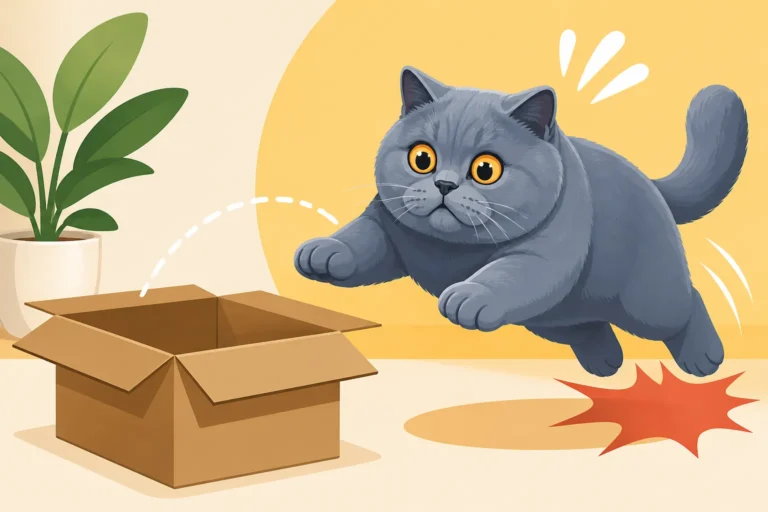
Stepping outside exposes your cat to a myriad of environmental dangers, many of which are completely beyond your control. The most obvious and devastating risk is traffic. Roads, even quiet residential ones, pose an immense threat. A British Shorthair's calm, somewhat sedate nature can make them less agile and quick to react than some other breeds, increasing their vulnerability to passing vehicles. It only takes one moment, one distracted driver, or one misjudged dash across the street for tragedy to strike. Beyond cars, there are other man-made hazards: open garages with toxic chemicals, construction sites with dangerous debris, or even garden sheds containing rodenticides or antifreeze – substances that are incredibly lethal even in small amounts. These are things we use in our daily lives, often without thinking how attractive and deadly they can be to a curious cat.
Then there's the weather. While a British Shorthair's dense, plush coat offers some protection from the cold, they are still susceptible to extreme temperatures, both hot and cold. They can get caught out in sudden downpours, leading to hypothermia, or suffer from heatstroke on scorching summer days if they can't find adequate shade and water. The idea of them finding shelter is often romanticized, but the truth is they might struggle to find a safe, dry, and warm spot, especially if territorial outdoor cats or other animals are present. Even natural environments aren't entirely benign; sharp thorns, poisonous plants, or getting stuck in tight spaces are all possibilities.
Exposure to Illness and Parasites
One of the most compelling arguments for keeping any cat indoors is the dramatic reduction in exposure to a host of nasty illnesses and parasites. When your British Shorthair ventures outside, they enter a world teeming with potential pathogens. Feline Leukemia Virus (FeLV) and Feline Immunodeficiency Virus (FIV) are two of the most serious, often spread through bites during cat fights. These are devastating, life-shortening diseases, and prevention is key. Even if your cat is vaccinated against some diseases, vaccines aren't always 100% effective, and not every possible pathogen has a vaccine.
Beyond viruses, there's a buffet of parasites waiting for an outdoor cat. Fleas and ticks are constant threats, bringing with them not only intense itching and discomfort but also the risk of tapeworms (from fleas) and tick-borne diseases. Worms, from roundworms to hookworms, are easily picked up from contaminated soil or hunting prey. Think about how many stray cats or wildlife might have passed through your garden, leaving behind microscopic eggs. Even if your British Shorthair doesn't hunt, they can ingest parasites by simply grooming themselves after walking through contaminated areas. Regular preventative treatments are a must for any cat, but for an outdoor cat, the battle is constant, and the risk of infestation is significantly higher. This constant exposure can also mean more frequent vet visits and ongoing medication costs.
Conflicts with Other Animals and Humans
The world outside is full of territorial disputes. Other cats, both domestic and feral, are a common source of conflict. These encounters can range from tense stand-offs to brutal fights, resulting in painful scratches, abscesses, and the transmission of diseases like FIV. If your British Shorthair is more inclined to be calm and unaggressive, they might find themselves on the losing end of these territorial battles, leading to injury and stress. How a British Shorthair Gets On With a Dog covers some of these inter-species dynamics, but wild animals introduce a different level of threat. Foxes, raccoons, coyotes, and even aggressive dogs can pose a serious danger, especially to a domestic cat who isn't equipped with the same survival instincts as truly wild creatures.
Unfortunately, humans can also be a source of harm. Not everyone loves cats, and some individuals may intentionally harm or injure them. There's also the risk of accidental injury, like being hit by a bicycle or a car, even if the driver didn't intend it. Then there's the possibility of getting trapped in a garage or shed, or even being stolen. Pedigree cats, especially a beautiful and distinctive breed like the British Shorthair, can be targets for theft, either for breeding or resale. The thought of your beloved pet disappearing or falling into the wrong hands is a heartbreaking reality for many owners who allow their cats to roam.
Why the British Shorthair Is Particularly Unsuited for Roaming Free
While all domestic cats face risks outdoors, the British Shorthair, with its unique temperament and physical characteristics, is arguably even more vulnerable than many other breeds. They were developed to be calm, companion animals, not rugged outdoor adventurers. Their very nature, which makes them such wonderful indoor pets, becomes a significant disadvantage in an uncontrolled outdoor environment.
Temperament and Survival Instincts
The British Shorthair is renowned for its calm, placid, and generally unflappable demeanor. They are famously quiet, often preferring to observe rather than participate in high-energy antics. This "teddy bear" personality, while endearing indoors, is a liability when faced with the unpredictability of the outside world. They are not typically flighty or quick to react to perceived threats, which means they might not bolt fast enough from a car, an aggressive dog, or even a confrontational territorial cat. Their gentle nature means they are less likely to initiate fights, but also less likely to defend themselves effectively if attacked. What a British Shorthair's Temperament Is Really Like delves deeper into their inherent calm, which simply doesn't translate well to navigating outdoor dangers.
Furthermore, British Shorthairs are generally low-energy cats. They don't typically have a strong hunting drive compared to some other breeds, preferring naps on a comfy sofa to stalking prey. This means they are less adept at finding their own food if they get lost, and their less active nature makes them slow to move out of harm's way. An outdoor British Shorthair might find itself overwhelmed, confused, and less capable of seeking safe shelter or food, making them much more reliant on human intervention if they get into trouble. Why a British Shorthair Will Not Exercise Itself directly highlights this inherent lack of self-driven activity.
Physical Build and Vulnerabilities
Just look at a British Shorthair – they are cobby, muscular, and substantial cats, with short, sturdy legs and a dense, plush coat. While this gives them their iconic teddy bear appearance, it's not a build designed for agility, speed, or evasion in a dangerous environment. They aren't built for scaling tall fences with ease or squeezing through tiny gaps to escape a predator. Their weight, combined with their short legs, means they're not the fastest sprinters, leaving them more exposed to traffic or other dangers.
Their thick, short coat, while beautiful, can also mask injuries, making it harder for owners to spot bites or scratches from fights or accidents if they are outdoors. The coat can also pick up burrs, twigs, and other debris, leading to mats if not regularly groomed, a task that becomes much harder if the cat is constantly outside. While they have a strong, robust build, this doesn't equate to invincibility against external forces. In fact, their perceived bulk might make them seem less vulnerable to owners, but it's often a disadvantage in situations requiring rapid escape or agile movement. What a British Shorthair Weighs and How Big It Gets gives you an idea of their substantial size.
The Risk of Theft and Loss
Sadly, the very qualities that make British Shorthairs so desirable – their striking appearance, sweet nature, and pedigree status – also make them targets for theft. A beautiful, well-fed British Shorthair wandering alone is a tempting prize for someone looking to make a quick profit or even use them for backyard breeding. Unlike a common domestic shorthair, their distinctive look and known breed value make them easily identifiable and thus more vulnerable. Imagine the heartbreak of realizing your beloved companion was not just lost but actively taken.
Even without malicious intent, British Shorthairs are prone to getting lost. Their calm, sometimes less exploratory nature might mean they don't venture far, but if they get disoriented or scared, their natural instincts for finding their way home might not be as strong as those of a more adventurous, street-smart feline. A sudden loud noise, an encounter with an aggressive animal, or simply wandering further than intended can lead to them being disoriented and unable to find their way back. Microchipping is essential for any cat, but an indoor-only British Shorthair drastically reduces the chances you'll ever need to rely on that microchip. Whether a British Shorthair Should Be Indoor Only explores these risks further.
Creating a Rich and Stimulating Indoor Environment
The good news is that British Shorthairs are perfectly content living an indoor-only life, provided their environment is rich, stimulating, and meets their needs. They are not inherently driven to explore vast outdoor territories; their happiness comes from security, comfort, and interaction with their human companions. The key is understanding their specific needs and fulfilling them within the safe confines of your home.
Maximizing Vertical Space and Play
Even though British Shorthairs aren't known for their extreme athleticism or climbing prowess, they still appreciate vertical territory. Cats inherently feel safer and more secure when they have high perches to observe their surroundings. A sturdy cat tree, particularly one with wide, stable platforms to accommodate their substantial size, is an absolute must. You can find excellent options on Amazon that offer various levels, scratching surfaces, and cozy cubbies. Placing these near windows can give them a "cat TV" view of the outside world without any of the risks. Shelves mounted on walls, perhaps with soft bedding, can also create additional vertical space for them to explore and relax. Remember, even a low-energy cat like a British Shorthair needs options to move up and down, even if they aren't scaling your curtains. Which Cat Tree a British Shorthair Uses delves into choosing the right climbing structure.
Beyond vertical space, intelligent play is crucial, especially since Why a British Shorthair Will Not Exercise Itself is a common trait. Because they aren't typically self-starters when it comes to play, you need to be their personal activity coordinator. Use wand toys with feathers or soft lures to entice them into short bursts of activity. Focus on short, frequent play sessions rather than expecting a marathon. Puzzle feeders are fantastic for mental stimulation, making them "work" for their food and engaging their problem-solving skills. Rotate toys regularly to keep things fresh and interesting. Laser pointers can be fun, but always end a session with a physical toy they can "catch" to prevent frustration. Investing in a variety of high-quality, durable toys, easily found on Amazon, will make a huge difference in their overall engagement and mental well-being.
Engaging Their Minds and Bodies
It's not just about running and jumping; mental engagement is just as important for an indoor British Shorthair. These intelligent cats benefit greatly from regular interaction and enrichment that goes beyond just feeding them. Consider clicker training; British Shorthairs, despite their calm demeanor, can be surprisingly receptive to learning tricks. It builds a stronger bond between you and your cat and provides excellent mental stimulation. Simple tricks like "sit," "stay," or even coming when called can be taught with positive reinforcement.
Environmental enrichment also includes sensory experiences. Provide different textures for them to explore – soft blankets, crinkly tunnels, or even a cardboard box castle. Cat grass or catnip plants can offer safe, natural greens for them to nibble on. Rotate these items to maintain novelty. For their physical needs, ensuring they have appropriate scratching posts (both vertical and horizontal) is vital for nail health and territorial marking. This satisfies a natural instinct and keeps their claws healthy. Remember that a sedentary indoor lifestyle can contribute to weight gain, as highlighted in Why a British Shorthair Gains Weight So Easily, so combining mental engagement with physical activity and portion control is key to a healthy lifespan.
Safe Outdoor Alternatives: Harnesses and Catios
If you still feel your British Shorthair yearns for a taste of the outdoors, there are perfectly safe and controlled ways to provide it. Harness training is a fantastic option, allowing your cat to explore a small, secure area of your garden under your direct supervision. Start slowly, getting them used to wearing the harness indoors for short periods before venturing outside. Choose a comfortable, escape-proof harness that fits well; many reputable pet brands offer excellent options through retailers like Amazon. Keep initial outdoor excursions brief, calm, and positive, focusing on letting them sniff and observe rather than forcing them to walk. Some British Shorthairs take to it quite well, enjoying the sensory input of fresh air and new smells, even if they mostly prefer to sit and watch. How to Leash Train a British Shorthair provides a step-by-step guide to this process.
Another excellent solution is a catio, a secure outdoor enclosure or "cat patio." This offers the best of both worlds: fresh air, sunshine, and sensory enrichment, all within a completely safe environment. Catios can range from small window boxes to elaborate, multi-level structures with ramps and perches. You can build one yourself if you're handy, or purchase pre-fabricated kits online. Many designs are available on Amazon to suit various spaces and budgets. A catio protects your British Shorthair from traffic, other animals, diseases, and theft, while allowing them to experience the sights, sounds, and smells of nature. It's a wonderful way to provide enrichment without any of the inherent risks of free-roaming.
Making the Decision: Indoor vs. Outdoor Considerations
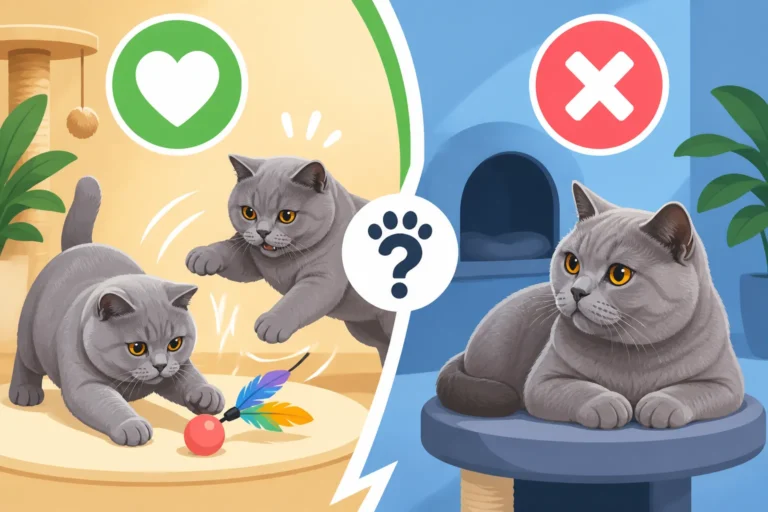
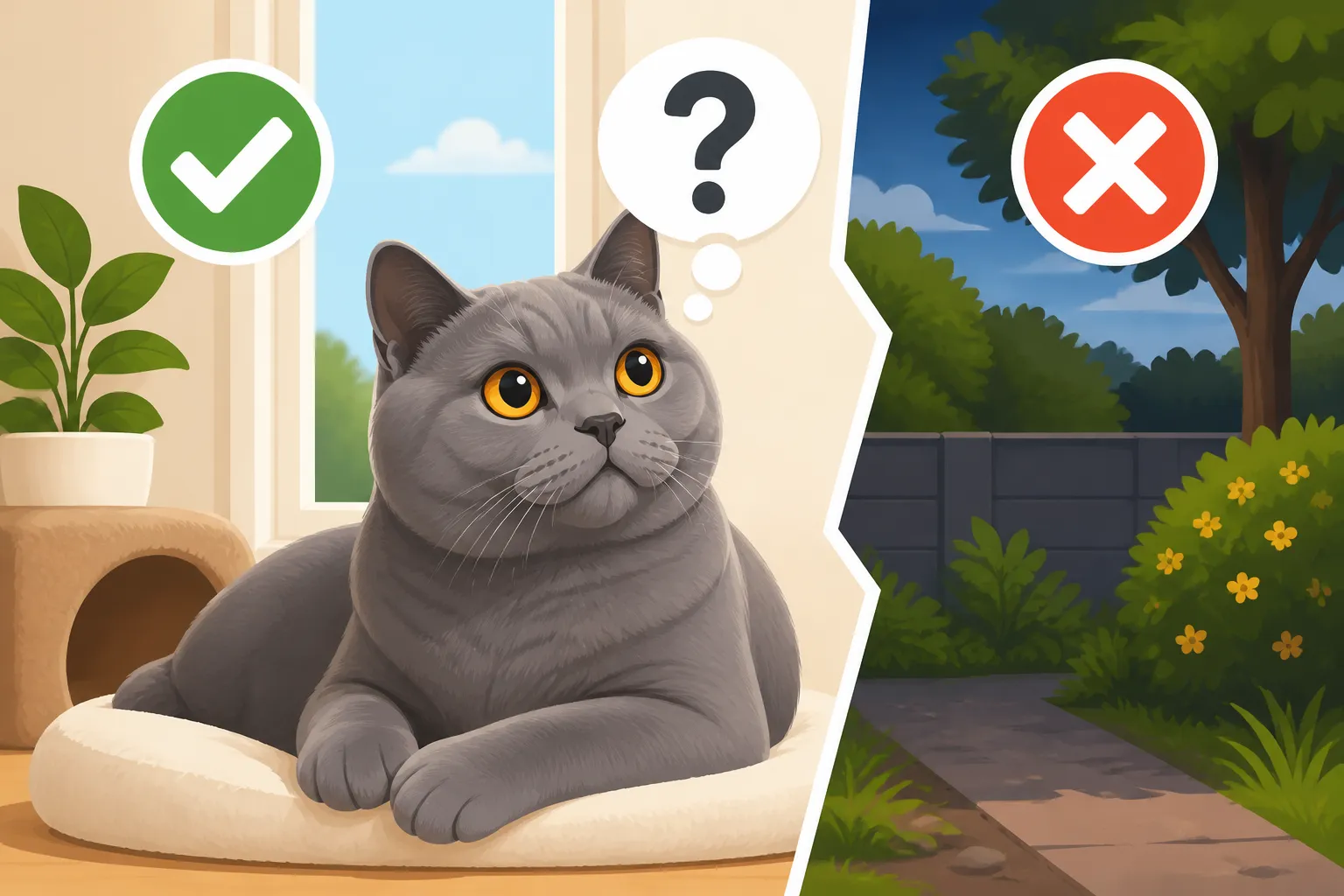
Ultimately, the decision of whether your British Shorthair should go outside rests with you, the owner. It's a responsibility that involves weighing the perceived benefits against the very real and significant risks. For many British Shorthair owners, the choice is clear: an indoor-only life offers the best chance for a long, healthy, and happy existence.
Assessing Your Home and Lifestyle
Consider your living situation carefully. Do you live on a busy road? Are there many stray cats or wildlife in your area? Do your neighbors use pesticides or herbicides in their gardens? Even if you live in a seemingly quiet area, the risks remain. An apartment with a secure balcony (perhaps even a small catio setup) can be a perfectly wonderful home for a British Shorthair. Their calm temperament means they generally cope very well with apartment living, as explored in How a British Shorthair Copes in an Apartment.
Your lifestyle also plays a huge role. If you're a busy professional who works long hours, can you truly guarantee your cat's safety if they're roaming unsupervised? The occasional, supervised harness walk or access to a secure catio is very different from simply opening the door and letting them out. If you have children or other pets, managing an outdoor cat's coming and going can add another layer of complexity. The commitment to an indoor British Shorthair involves providing consistent enrichment and interaction, but it's a commitment that significantly reduces stress and worry for both you and your cat.
Prioritizing Your British Shorthair's Health and Happiness
When it comes down to it, the primary goal should always be the health and happiness of your beloved British Shorthair. While some people believe outdoor access is essential for a cat's happiness, for a breed like the British Shorthair, the risks almost always outweigh any perceived benefits. Their genetic predisposition to a calm, sedentary lifestyle means they don't need vast territories to roam. What they truly need is a secure, loving home where their physical and mental needs are met. This means ample space indoors, engaging toys, vertical climbing opportunities, a healthy diet (critical given their propensity for Obesity Is the British Shorthair's Real Disease), and plenty of interaction with you.
By choosing an indoor-only life, you're not depriving your British Shorthair; you're protecting them. You're giving them the best chance to avoid serious injuries, devastating diseases, and the trauma of getting lost or stolen. You're ensuring they can live out their full The Twelve to Seventeen Years a British Shorthair Gets in comfort and safety, free from the countless threats that exist just beyond the front door. The peace of mind this brings to both you and your feline companion is truly invaluable.
| Feature | Indoor Life for British Shorthair | Outdoor Life for British Shorthair (Unsupervised) |
|---|---|---|
| Safety from Traffic | Extremely high | Very low |
| Exposure to Disease | Very low (vaccines cover core risks) | High (FeLV, FIV, rabies, upper respiratory infections) |
| Parasite Risk | Very low (with consistent preventatives) | High (fleas, ticks, worms constantly present) |
| Risk of Injury | Low (household accidents) | High (fights with animals, falls, human cruelty) |
| Theft/Loss Risk | Extremely low (microchip is backup) | High (attractive to thieves, can get lost) |
| Lifespan Potential | Maximized due to reduced risks | Significantly reduced due to external dangers |
| Behavior | Calm, comfortable, bonded to home and family | Can be stressed, territorial, prone to roaming |
| Environmental Control | Full control over food, water, litter, enrichment | Little to no control over diet, water sources, hygiene |
| Owner Worry | Low (peace of mind) | High (constant anxiety about their well-being) |
Disclaimer
This article is for general informational purposes only and does not constitute professional advice. Laws, prices and regulations vary by location and change over time. Consult a qualified professional for guidance on your specific situation.