How Well a British Shorthair Suits an Office Worker
For many of us, the dream of having a furry companion at home clashes with the reality of a demanding work schedule. You wonder if it's fair to bring a cat into your life when you're staring at a screen for eight hours a day, perhaps with a commute on either side. It’s a valid concern, and one that often leads potential British Shorthair owners to question if this famously calm and independent breed can truly thrive alongside an office worker's routine. This guide is here to tell you that with a bit of understanding and thoughtful preparation, a British Shorthair can be an incredibly harmonious addition to an office-bound household, offering quiet companionship without demanding constant attention.
Understanding the British Shorthair Temperament
When you think of a cat that perfectly suits an office worker, what comes to mind? Probably a feline friend who isn't climbing the curtains, incessantly meowing, or desperate for attention every waking moment. This is precisely where the British Shorthair shines. Their inherent temperament makes them wonderfully adaptable to a more independent lifestyle, which is a huge relief for anyone with a busy schedule.
The Independent Spirit
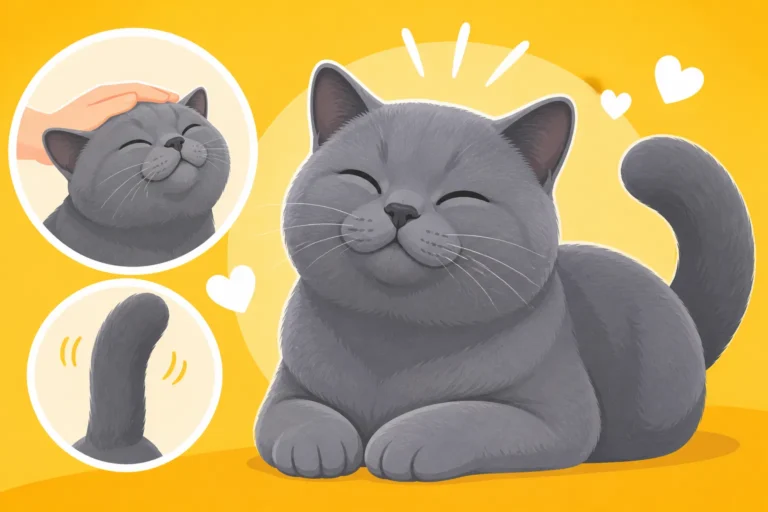
One of the most celebrated traits of the British Shorthair is their independence. They are not typically the type of cat that will demand to be on your lap at all times, nor will they shadow your every move with an insistent chirp. Instead, they are quite content to observe the world from a comfortable distance, often choosing a favorite sunny spot or a plush bed in the same room as you, rather than directly on your keyboard. This isn't to say they aren't affectionate; they absolutely are! They just express it in a more subtle, dignified way. A head bump against your leg as you walk past, a slow blink from across the room, or a quiet presence beside you on the sofa in the evenings are all classic British Shorthair gestures of love. You'll find that A British Shorthair Sits Near You, Not On You, which for many office workers, is the ideal balance of companionship and personal space.
This independent streak means they handle being alone during your working hours exceptionally well. They don't typically suffer from the intense separation anxiety that some other breeds might exhibit. While they will certainly be happy to see you when you return, they won't have spent the entire day pining or getting into mischief out of boredom or loneliness. Their calm demeanor means they're usually quite happy to snooze through most of your absence, waking up for a meal or a stretch, then settling back down.
Quiet Companionship and Low Vocalization
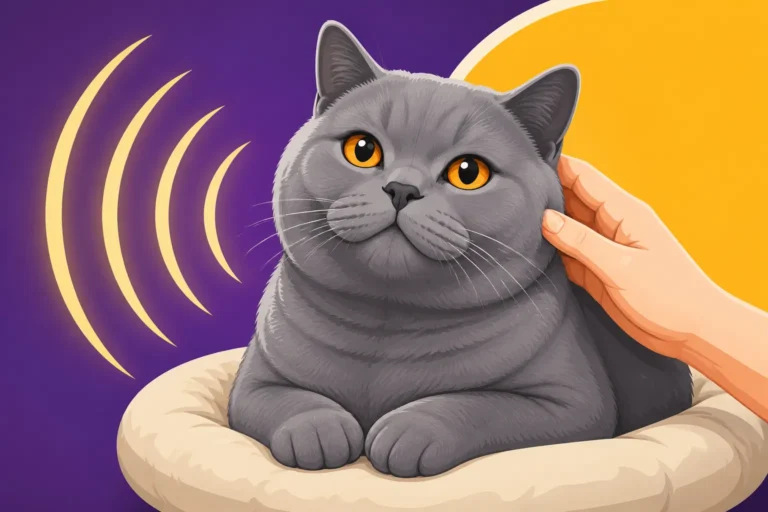
The British Shorthair is often hailed as The Quietest Cat in the House, and for good reason. They are not known for being overly vocal, which is a huge plus for someone who needs a peaceful environment for phone calls or focused work. You won't typically hear loud, insistent meows demanding attention or food. Instead, their communication tends to be soft trills, gentle purrs, or small chirps when they’re particularly happy or want to draw your attention to their food bowl.
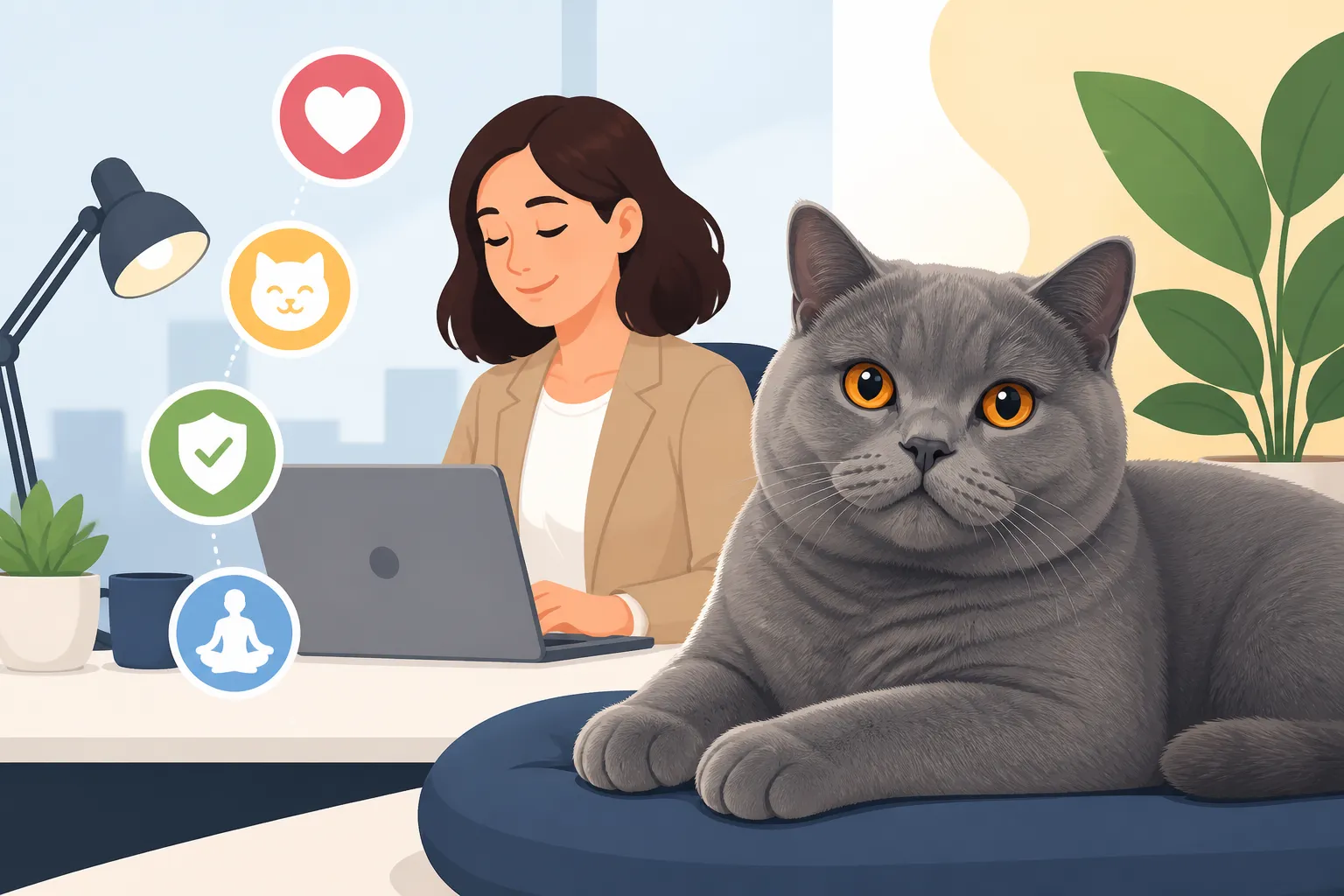
Imagine you’re in the middle of an important video conference. The last thing you need is a feline opera singer demanding treats from your desk. With a British Shorthair, you’re far more likely to experience a serene presence. They might wander into your home office, settle down for a nap in their comfy bed (perhaps one you found on Amazon that complements your office decor), and simply enjoy being in the same space as you. This quiet nature makes them an excellent choice for shared living spaces or apartments where noise might be a concern, for both you and your neighbors.
Activity Levels and Playtime for the Office Worker
The energy level of a pet is a critical factor for any office worker. High-energy breeds often require extensive exercise and engagement, which can be challenging to provide consistently after a long day. Fortunately, the British Shorthair fits beautifully into a less strenuous routine.
A Naturally Calm and Sedentary Lifestyle
British Shorthairs are generally considered a low-energy breed. They're not typically prone to hyperactive bursts of energy that require intense, prolonged play sessions. While kittens will naturally have more zoomies and playful antics, an adult British Shorthair tends to be quite mellow. How Active a British Shorthair Is is often surprising to people who are used to more rambunctious breeds; they much prefer a leisurely pace of life. They enjoy short bursts of play, but these are usually followed by equally long periods of napping and quiet contemplation.
This means you won't feel guilty for not being able to dedicate hours each day to high-intensity playtime. A few 10-15 minute interactive play sessions—perhaps one in the morning before work, another during a lunch break, and a couple in the evening—are often sufficient to keep them happy and engaged. These cats are quite skilled at entertaining themselves with independent toys or simply by observing the world outside a window. For someone balancing work and life, this low-key approach to exercise is a massive advantage.
Engaging Play That Fits Your Schedule
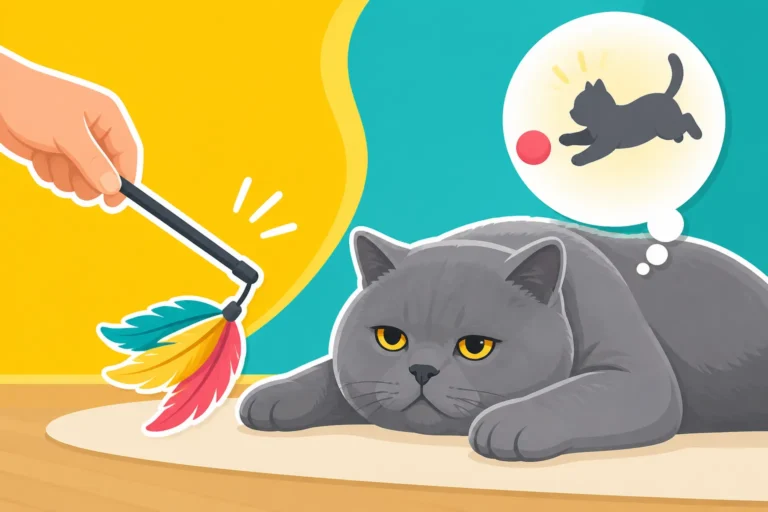
While they might not be chasing laser pointers for an hour straight, British Shorthairs do still need and enjoy play. The key is finding the right kind of play that appeals to their calm nature. Which Toys a British Shorthair Will Actually Chase often includes wand toys with feathers or crinkly bits, small plush toys they can bat around, or puzzle feeders that engage their minds without requiring too much physical exertion.
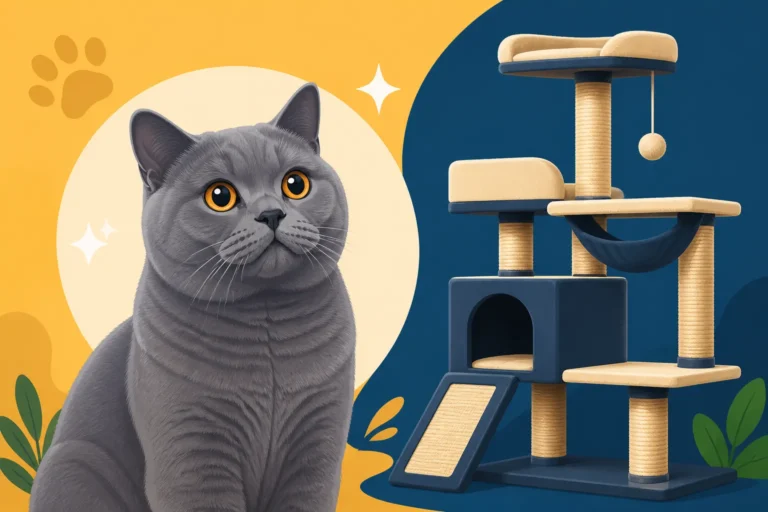
Consider setting up a few engaging elements around your home office or main living space. A comfortable cat tree (you can find robust, heavy-duty options on Amazon built for a solid British Shorthair) by a window offers vertical space and entertainment. Interactive toys that can be left out, like treat-dispensing balls or automatic laser pointers, can provide enrichment even when you're busy. After your workday is done, those short, focused play sessions become crucial. It's a great way to bond and help them burn off any residual energy, ensuring a calm evening for both of you.
Here's a quick look at how a British Shorthair's typical day might align with an office worker's schedule:
| Time Slot | Office Worker Activity | British Shorthair Activity | Compatibility Rating |
|---|---|---|---|
| Morning | Breakfast, get ready, quick email check | Breakfast, gentle play session, morning nap | High |
| Workday | Focused work, meetings, calls | Long naps, window watching, self-grooming, occasional stretch | Very High |
| Lunch Break | Quick meal, stretch, errands | Small meal, interactive play, cuddles (if offered) | High |
| Evening | Dinner, unwind, chores, hobbies | Dinner, interactive play, cuddles on sofa, evening nap | High |
| Late Evening | Relax, read, TV | Quiet companionship, sleeping nearby | Very High |
As you can see, their natural rhythms tend to fit quite well with a standard workday, and they're generally happy to What a British Shorthair Does All Day while you're occupied.
Practical Considerations for the Office-Bound British Shorthair Owner
Bringing any pet into your home requires thought, but for an office worker, there are specific factors to consider to ensure both your well-being and that of your British Shorthair.
Managing Alone Time and Preventing Boredom
The good news is that How a British Shorthair Copes With a Full Working Day is generally excellent. They are truly A British Shorthair Is Genuinely Fine on Its Own, preferring peaceful solitude to constant hustle and bustle. However, "fine on its own" doesn't mean "ignore it entirely." Even the most independent cat needs mental and physical stimulation, especially if you're out for 8-10 hours.
To prevent boredom, ensure they have access to varied enrichment. A window perch allows them to watch the world go by. A few different types of toys, rotated regularly, keep things interesting. Puzzle feeders can make meal times last longer and engage their minds. Consider leaving on a cat-friendly playlist or nature documentary at a low volume. For those truly long days or if you travel for work, knowing How Many Hours a British Shorthair Can Be Left safely is crucial. While they can handle quite a bit, having a trusted pet sitter or a timed feeder (many great options are available on Amazon) for food and fresh water can make a huge difference.
It's also worth noting that while British Shorthairs are typically not prone to separation anxiety, a drastic change in routine or a lack of attention when you are home can cause stress. The key is consistent, quality interaction when you are available.
Creating a Harmonious Home Office Environment
If you work from home, even part-time, your British Shorthair will likely want to be in the same room as you. Their calm nature means they usually won't be a disruptive force. They might find a cozy spot under your desk, on a chair nearby, or on a dedicated cat bed. Just be mindful of their comfort. A soft, warm bed that’s Whether a British Shorthair Prefers a Floor Bed or an elevated perch ensures they have their own space without interfering with your work.
Keep breakable items or important documents away from areas where they might decide to explore, though British Shorthairs aren't typically known for being climbers or destructive. Their sheer bulk tends to deter them from daring acrobatics! Provide a designated scratching post or pad to protect your furniture, even if they're not excessive scratchers. This simple step can prevent unwanted behaviors before they start.
Health and Well-being with a Busy Schedule
While British Shorthairs are generally a healthy breed, their calm nature can sometimes lead to a sedentary lifestyle, making them prone to weight gain. This is where an office worker's routine can either help or hinder. If you're busy and rely on free-feeding, obesity can become a real problem. Why a British Shorthair Gains Weight So Easily is due to their love of food and lower activity levels.
Portion control is paramount. Using a timed feeder or carefully measuring out meals at consistent times will be crucial. Even a short play session each day is important for their physical health and to Getting a Low Energy British Shorthair to Move. Regular vet check-ups are also essential, perhaps a little more diligently with an indoor-only, lower-activity cat, to monitor their weight and overall health. Knowing What a British Shorthair's Yearly Bloodwork Should Cover and staying on top of preventative care can save a lot of headaches (and vet bills) down the line.
Ensuring your British Shorthair has plenty of fresh water is another small but important detail. While a bowl is fine, some cats prefer a running water source, so a cat fountain might be a worthwhile investment you can find on Amazon. This encourages hydration, which is vital for urinary tract health, especially in male cats.
In conclusion, the British Shorthair is remarkably well-suited to the lifestyle of an office worker. Their independent, quiet, and low-energy temperament means they offer loving companionship without demanding constant attention, allowing you to focus on your professional life while enjoying the comforting presence of a beloved pet. With mindful care, consistent routines, and thoughtful enrichment, your British Shorthair will thrive, becoming the perfect serene colleague in your home office.
Disclaimer
This article is for general informational purposes only and does not constitute professional advice. Laws, prices and regulations vary by location and change over time. Consult a qualified professional for guidance on your specific situation.