How to Read a British Shorthair’s Face
Many British Shorthair owners find themselves staring at their cat's perpetually stoic or even slightly grumpy-looking face, wondering what on earth their beloved furball is actually thinking or feeling. It's a common frustration, isn't it? Their round, plush faces can be notoriously difficult to read, often leading to misinterpretations about their mood or intentions. This comprehensive guide is here to demystify the subtle art of deciphering your British Shorthair's facial expressions, helping you understand their true emotions, needs, and even signs of discomfort.
The Unique Challenge of the British Shorthair Face
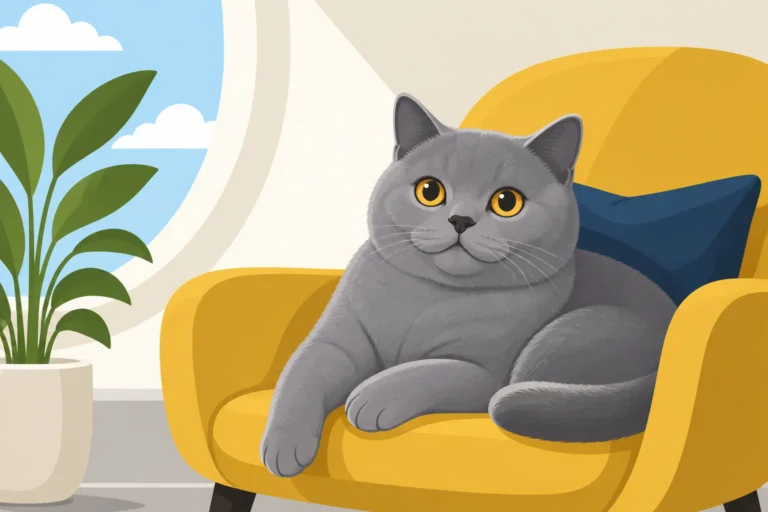
The British Shorthair is renowned for its distinct, teddy-bear-like appearance, characterized by a wonderfully round head, full cheeks, and large, expressive eyes. While utterly charming, these very features can make interpreting their facial cues a bit more challenging than with other breeds. Owners often struggle because their British Shorthair might appear to have a permanent "grumpy" or indifferent expression, even when they're perfectly content. This isn't because they're actually unhappy, but rather a quirk of their breed's structure that can mask more subtle emotional signals. It's like trying to read a poker face that's naturally designed to look a bit serious.
Why Their Facial Structure Affects Communication
The physical traits that make the British Shorthair so endearing – those wonderfully prominent jowls, for example, especially in mature males, and their short, broad muzzle – contribute to a facial appearance that isn't as dynamically expressive as some other cats. Their large, round eyes, while beautiful, can sometimes give a wide-eyed, almost perpetually surprised or innocent look, which might not always align with their true feelings. This can lead to a disconnect where you're looking for clear signs of happiness or irritation, but instead, you get a consistently calm, somewhat unreadable façade. Understanding What Jowls Are on a British Shorthair can help you differentiate between a natural facial feature and an actual expression.
For instance, a cat with a longer muzzle might show more dramatic whisker movements or changes around the mouth, making it easier to see a snarl or a contented smile. A British Shorthair's compacted face means these movements are less pronounced, requiring a keener eye and a deeper understanding of feline body language to truly grasp what's going on beneath that plush exterior. It's not that they don't express themselves, it's that their expressions are often more understated, relying on slight shifts rather than overt gestures. This is part of Why a British Shorthair's Head Is So Round, making those subtle changes even harder to pick up.
Overcoming the "Grumpy Cat" Misconception
It’s a common meme and a frequent joke among British Shorthair enthusiasts: their cat always looks grumpy. This phenomenon is so widespread that there's even a whole article dedicated to Why a British Shorthair Always Looks Grumpy. But here’s the truth: most of the time, that slightly downturned mouth or narrowed-eye look isn't a sign of genuine displeasure. It's simply their natural resting face. They might be purring up a storm, kneading their favorite blanket, and radiating pure bliss, all while sporting an expression that suggests they've just had their biscuit stolen.
To truly understand your British Shorthair, you have to move beyond this superficial "grumpy" appearance and tune into the incredibly subtle cues they do offer. This means observing their eyes, ears, whiskers, and even the tension in their brow, rather than relying on a general impression. If you only judge them by their resting face, you might miss all the tiny, crucial signals that indicate their mood, their needs, or if they are in discomfort. It’s a bit like learning a new, subtle dialect of cat communication, one that requires patience and close attention to detail.
Key Facial Features and What They Communicate
To become a true British Shorthair whisperer, you need to break down their face into its individual components. Each element—ears, eyes, whiskers, and mouth—offers vital clues, especially when read in combination with each other and with their overall body language. Think of it as piecing together a puzzle, where each piece, no matter how small, contributes to the complete picture of their emotional state.
Ears: The Silent Indicators
A British Shorthair's ears, while relatively small and set wide apart, are incredibly versatile indicators of their mood. They're constantly swiveling, twitching, and rotating to pick up sounds, but their position also speaks volumes about their emotional state.
- Forward and Relaxed: When your British Shorthair's ears are facing forward, slightly rotated outwards, and appear relaxed, it generally means they are feeling calm and content. They are likely alert to their surroundings but not overly anxious or defensive. This is often the default state when they are simply observing their environment or enjoying a quiet moment near you. It's a sign that all is well in their world.
- Swiveling or Flicking: Rapidly swiveling or flicking ears often indicate curiosity or heightened interest. They might be tracking a fly, listening to a distant sound, or trying to pinpoint the source of an intriguing noise. This isn't usually a sign of distress, but rather active engagement with their environment. If their ears are doing this while they're staring intently, they're likely trying to figure something out.
- Flattened or Pinned Back: This is a major warning sign. Ears flattened tightly against their head, often accompanied by narrowed eyes, indicate fear, aggression, or extreme irritation. This is their way of making themselves look smaller and protecting their delicate ear cartilage in a potential confrontation. If you see this, back off immediately. It’s a clear signal that they are unhappy and potentially defensive. This expression might occur if you try to pick them up when they don't want to be, relating to Why a British Shorthair Hates Being Picked Up.
- Twitching Backwards (airplane ears): When the ears are somewhat flattened and pointing sideways, resembling tiny airplane wings, it signifies annoyance, anxiety, or defensiveness. They might not be outright aggressive, but they are certainly not pleased with the situation. This often precedes a full flattening if the stressor persists. It’s a clear indication that they need space and whatever is bothering them needs to stop.
Eyes: Windows to Their Soul (and Mood)
The British Shorthair's large, round eyes are perhaps the most captivating feature of their face. They are also incredibly expressive, once you learn to interpret the subtle changes in pupil size, blink rate, and overall gaze.
- Slow Blinks: Often called "cat kisses," slow blinks are a classic sign of trust and affection. If your British Shorthair looks at you and slowly closes and then reopens their eyes, it's their way of saying, "I trust you, and I feel safe and happy with you." Reciprocating with a slow blink can strengthen your bond. This is a key part of How a British Shorthair Shows Affection.
- Dilated Pupils: Large, dilated pupils can indicate fear, excitement, or aggression. In a dimly lit room, dilated pupils are normal. However, in a well-lit environment, sudden dilation often means they are startled, highly aroused (either from play or fear), or preparing to pounce. It’s a sign of a strong emotional reaction, positive or negative.
- Constricted Pupils: Pinprick pupils usually mean aggression or intense focus. If their pupils are very narrow slits, especially in bright light, they are likely feeling aggressive or highly stimulated, perhaps hunting. This is often seen right before a pounce during playtime or when they are feeling threatened.
- Direct Stare: A prolonged, unblinking stare can be a sign of dominance or aggression in cats. They rarely hold direct eye contact for long periods with those they trust. If your British Shorthair is staring intently without blinking, it might be a challenge or a sign they are feeling confrontational. Conversely, a soft, unfocused gaze often indicates relaxation and contentment.
- Half-Closed Eyes: Eyes that are almost closed, but not quite, usually indicate extreme relaxation and comfort. Your cat is probably dozing or deeply content. This is a very positive sign, showing they feel completely safe in their environment.
Whiskers and Mouth: Subtle but Significant
While less overtly expressive than ears or eyes, the whiskers and mouth of a British Shorthair still offer crucial clues.
- Relaxed Whiskers: When your British Shorthair's whiskers are relaxed and spread out to the sides, they are typically feeling calm and curious. This is their default, neutral state, allowing them to sense their surroundings without tension.
- Forward-Facing Whiskers: Whiskers pushed forward, fanned out, often indicate curiosity, interest, or hunting mode. They are using their whiskers to gather information about what's directly in front of them, like investigating a new toy or approaching their food bowl. This is often accompanied by wide eyes and forward-facing ears.
- Pulled Back Whiskers: Whiskers flattened against their cheeks are a clear sign of fear, anxiety, or aggression. They are trying to make their face smaller and less vulnerable. This is a significant warning sign and usually accompanies flattened ears and narrowed eyes.
- Tight Mouth and Licking Lips: A tense, tight mouth, sometimes accompanied by repeated lip-licking (when not immediately after eating), can be a subtle sign of stress, nausea, or discomfort. They might also pull their lips back slightly to expose their teeth if feeling threatened. A relaxed mouth is usually barely noticeable.
- Open Mouth Panting: This is a serious red flag. Cats rarely pant unless they are severely overheated, in extreme distress, or in pain. If your British Shorthair is panting with an open mouth, seek veterinary attention immediately. It could indicate a serious health issue. This is especially important as Signs a British Shorthair Is Unwell can be very subtle.
Decoding Common British Shorthair Expressions
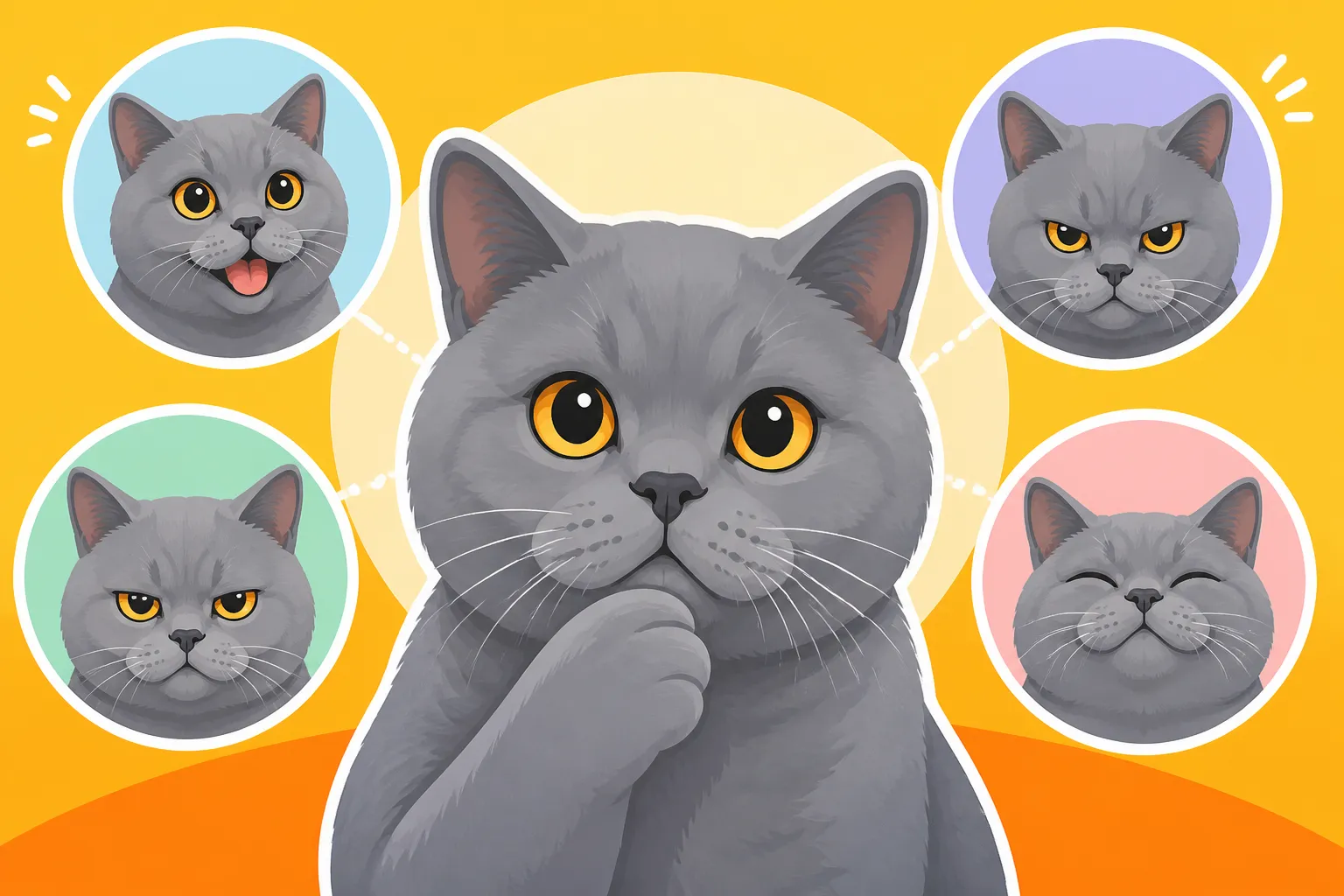
Now that we've broken down the individual components, let's put it all together to understand what various combinations of facial features typically mean for your British Shorthair. Their overall demeanor, combined with vocalizations, will solidify your interpretation.
Happy and Content
A truly happy and content British Shorthair might still have that "grumpy" resting face, but you'll notice other key indicators. Their ears will be soft, slightly forward or naturally splayed, and relaxed. Their eyes will often be half-closed, performing slow blinks, or softly gazing. Their pupils will be normal size for the lighting. Whiskers will be relaxed and slightly forward, not plastered to their face. Their mouth will be soft, perhaps with a slight, almost imperceptible "smile" at the corners. Often, this is accompanied by a deep, rumbling purr, kneading, or a general relaxed posture. This is part of How a British Shorthair Shows It Is Pleased. They might approach you for a gentle head bunt, purring all the while.
You might also observe them performing a gentle head rub against your leg, or perhaps giving a soft trill when they see you. These physical and vocal cues, combined with a relaxed facial expression, paint a clear picture of contentment. Even if their face looks a bit serious, their relaxed body and soft gaze tell a different story. To encourage more happy expressions, consider stimulating them with interactive toys available on Amazon, which can bring out playful, content expressions.
Curious and Engaged
When your British Shorthair is curious, their face will light up with active engagement. Their ears will be pricked forward, swiveling slightly as they try to catch every sound. Their eyes will be wide open, focused intently on whatever has piqued their interest. Pupils might be slightly dilated due to excitement, especially if they're tracking a toy or a bird outside the window. Whiskers will be pushed forward, acting like sensory antennae, gathering information. Their body will be low and ready to pounce, or perhaps upright and alert. They might even let out a soft "mew" or a chirrup, as described in How Vocal a British Shorthair Is, indicating their interest.
Imagine your British Shorthair watching a bug crawl across the floor. Their head will tilt slightly, eyes unblinking, ears rotating like radar dishes, and whiskers twitching with every tiny movement of the insect. This focused intensity, rather than tension, is the hallmark of curiosity. They're not stressed; they're simply fully absorbed in the moment.
Annoyed or Irritated
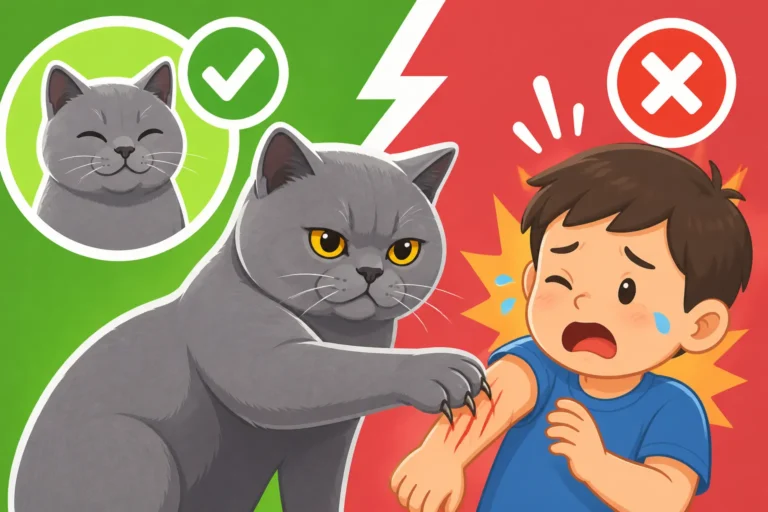
An annoyed British Shorthair will show subtle but definite signs of displeasure. Their ears might be pulled back slightly into the "airplane" position, or even starting to flatten against their head. Their eyes might be narrowed, with pupils constricting if they're feeling aggressive, or slightly dilated if they're anxious about the situation. Whiskers will be pulled back against their cheeks. The mouth might be taut, and they might even give a low growl or a hiss if pushed. Their body posture will usually be stiff, tense, or leaning away from the source of irritation.
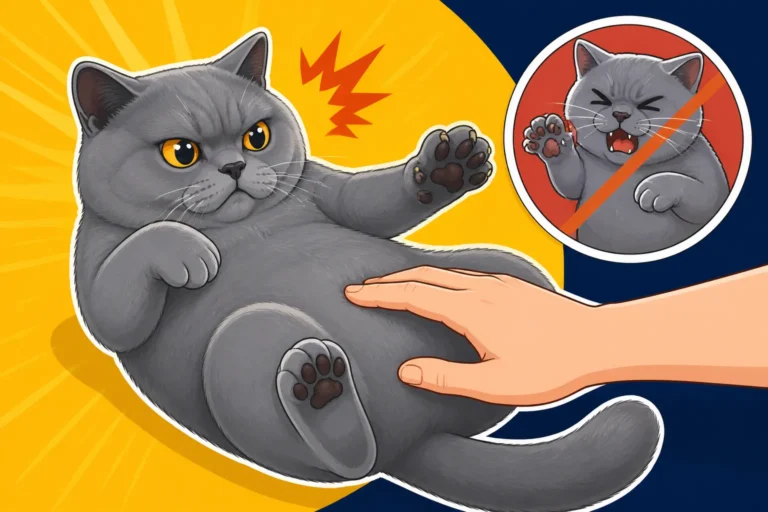
For example, if you're petting them and hit a sensitive spot, their ears might flick back, eyes narrow a fraction, and whiskers pull back. They might not immediately lash out, but these subtle facial cues are a strong indicator to stop what you're doing. Ignoring these early warnings can lead to a more severe reaction. This is often when their natural "grumpy" face can genuinely align with their inner state.
Fearful or Anxious
A fearful British Shorthair will attempt to make themselves appear smaller and less threatening, or they might prepare to flee or defend themselves. Their ears will be flattened tightly against their head to protect them. Eyes will be wide open, sometimes even bulging, with dilated pupils to take in as much information as possible. Whiskers will be pulled back, and their mouth might be tight, possibly showing a slight grimace or even baring teeth if they feel cornered. They may hiss or spit. Their body will often be crouched low, tucked in, or shaking, seeking to hide.
Consider a visit to the vet: your British Shorthair, usually so placid, might show all these signs. Their ears are flat, pupils huge, and they might be tucked into the back of their carrier. These are clear signs of acute stress and fear. Understanding this means you can try to provide comfort or remove them from the stressful situation. Even a Whether a Silent British Shorthair Is Unwell can be interpreted by facial cues. To help alleviate anxiety, products like Feliway diffusers, found on Amazon, can be helpful, creating a more relaxed environment that encourages positive facial expressions.
Pain or Discomfort
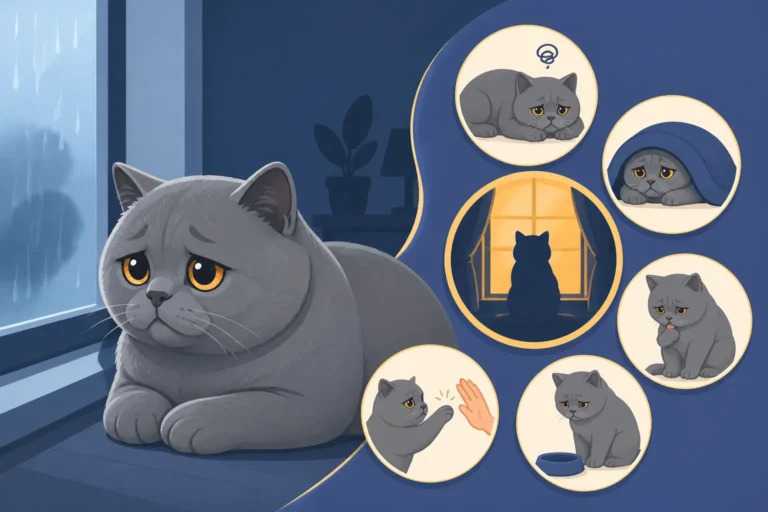
Cats are masters at hiding pain, and British Shorthairs are no exception. Their natural stoicism, combined with their dense fur and round face, can make it incredibly hard to spot. However, subtle facial cues are often the first indicators. Look for:
- Squinted or Half-Closed Eyes (without slow blinking): If their eyes are consistently narrowed or squinted, but without the relaxed, slow blink associated with contentment, it could be a sign of pain or discomfort. It's often accompanied by a general dullness in their gaze.
- Tension Around the Mouth and Whiskers: A tautness around their mouth, with whiskers held stiffly or pulled back, rather than relaxed and spread. They might have a furrowed brow, making them look even more "grumpy" than usual, but this time, it's a genuine expression of distress.
- Changes in Ear Position: Ears might be slightly flattened or held rigidly, rather than relaxed or actively swiveling. They might not be fully pinned back (which suggests extreme fear/aggression), but simply not in their usual forward, soft position.
- Reluctance to Groom or Move: While not strictly facial, a British Shorthair in pain might groom less, leading to an unkempt appearance, or be hesitant to move their head or neck, which impacts their overall facial presentation. It’s important to know Why a British Shorthair Hides Pain and how to look for these subtle signs.
If you suspect your British Shorthair is in pain, it's crucial to consult your veterinarian. Early detection and treatment can make a significant difference in their quality of life. Even small changes in facial tension or the way they hold their head can be indicative.
Table of British Shorthair Facial Cues
To summarize, here's a quick reference table for interpreting your British Shorthair's facial expressions:
| Facial Feature | Happy / Content | Curious / Engaged | Annoyed / Irritated | Fearful / Anxious | Pain / Discomfort |
|---|---|---|---|---|---|
| Ears | Soft, forward, slightly splayed | Pricked forward, swiveling | "Airplane" ears, slightly flattened | Flattened tightly against head | Rigid, slightly flattened, or dull |
| Eyes | Half-closed, slow blinks, soft gaze | Wide, focused, pupils normal/slightly dilated | Narrowed, direct stare, pupils constricting/dilated | Wide, bulging, pupils dilated | Squinted, dull, consistently narrowed (no slow blink) |
| Whiskers | Relaxed, slightly forward | Pushed forward, fanning out | Pulled back against cheeks | Pulled back, flattened | Stiff, pulled back, furrowed brow |
| Mouth | Soft, relaxed, imperceptible "smile" | Neutral, perhaps slightly open if panting (excitement) | Taut, possibly slight grimace, lip licking | Tight, possibly baring teeth, hissing | Taut, tense, frequent lip licking (not after food) |
| Overall | Relaxed, calm, often purring | Alert, attentive, body ready to move | Stiff posture, leaning away, growling/hissing | Crouched, tucked in, shaking, hiding | Hunched, lethargic, withdrawn, unkempt |
Beyond the Grumpy Look: Spotting Distress and Illness
While a British Shorthair's natural face can make them look perpetually serious, it's vital to differentiate their typical stoicism from genuine signs of distress or illness. Their general temperament, often described as calm and placid, means that any significant deviation from their usual behavior, combined with facial cues, should be taken seriously. Knowing What a British Shorthair's Temperament Is Really Like helps you establish a baseline for what's normal.
When to Worry: Combining Facial Cues with Body Language
Reading a British Shorthair's face is never done in isolation. It's always part of a larger picture that includes their body posture, vocalizations, and overall behavior. A cat with a slightly "grumpy" face who is still purring, rubbing against you, and eating normally is likely just being a British Shorthair. However, if that same "grumpy" face is accompanied by:
- Hunching or Tucking Away: If they are hiding more than usual, refusing to come out, or adopting a hunched posture.
- Loss of Appetite or Thirst: A sudden change in eating or drinking habits, or refusal of food they usually love. You might see specific facial cues for hunger, but if they're not asking for food, that's a sign. How a British Shorthair Asks for Food is usually subtle head bobs or soft meows.
- Lethargy or Reduced Activity: A noticeable decrease in their usual, albeit often calm, activity levels. They might seem more tired or simply disinterested in things they typically enjoy.
- Changes in Grooming: Either over-grooming a specific area (suggesting pain or itchiness) or under-grooming (leading to a dull, unkempt coat).
- Vocal Changes: An increase in crying or meowing, or conversely, an unusual silence. While How Vocal a British Shorthair Is generally indicates a quiet nature, sudden changes are significant.
Any of these behavioral changes, coupled with facial cues like squinted eyes, pulled-back whiskers, or a tense mouth, should prompt a call to your vet. British Shorthairs are particularly good at masking discomfort, relating to Why a British Shorthair Hides Pain, so even subtle signs are important.
The Role of Context
Always consider the context of the situation when interpreting your British Shorthair's face. Are they typically relaxed when approached by strangers, or do they tend to retreat? Their reaction to a new person will naturally differ from their reaction to you. For example, some British Shorthairs might seem aloof to guests, simply observing from a distance with their typical stoic expression, which doesn't mean they're unhappy, just perhaps a bit reserved, as explored in Whether a British Shorthair Is Boring.
A seemingly "angry" face during a lively play session is probably just playful intensity, especially if their body is engaged and their tail is swishing playfully. On the other hand, the exact same facial expression in a quiet room, with a rigid body and a tail tucked close, would indicate genuine fear or aggression. Learning to read the whole cat, not just their face, is the ultimate goal in understanding your British Shorthair's rich inner world. Consistent observation over time will build your intuition and allow you to understand their unique communication style, even if they often look like they're silently judging your life choices.
Disclaimer
This article is for general informational purposes only and does not constitute professional advice. Laws, prices and regulations vary by location and change over time. Consult a qualified professional for guidance on your specific situation.