What a British Shorthair Trill Means
One of the most charming and often puzzling aspects of owning a British Shorthair is their unique vocalizations, especially that little chirping, rolling sound we often call a trill. Many British Shorthair owners find themselves wondering what this distinctive sound means, especially since it's not quite a meow, not quite a purr, and certainly not a hiss. This guide will dive deep into the fascinating world of your British Shorthair's trills, helping you decode these sweet signals and understand what your beloved feline companion is trying to tell you.
What Exactly Is a British Shorthair Trill?
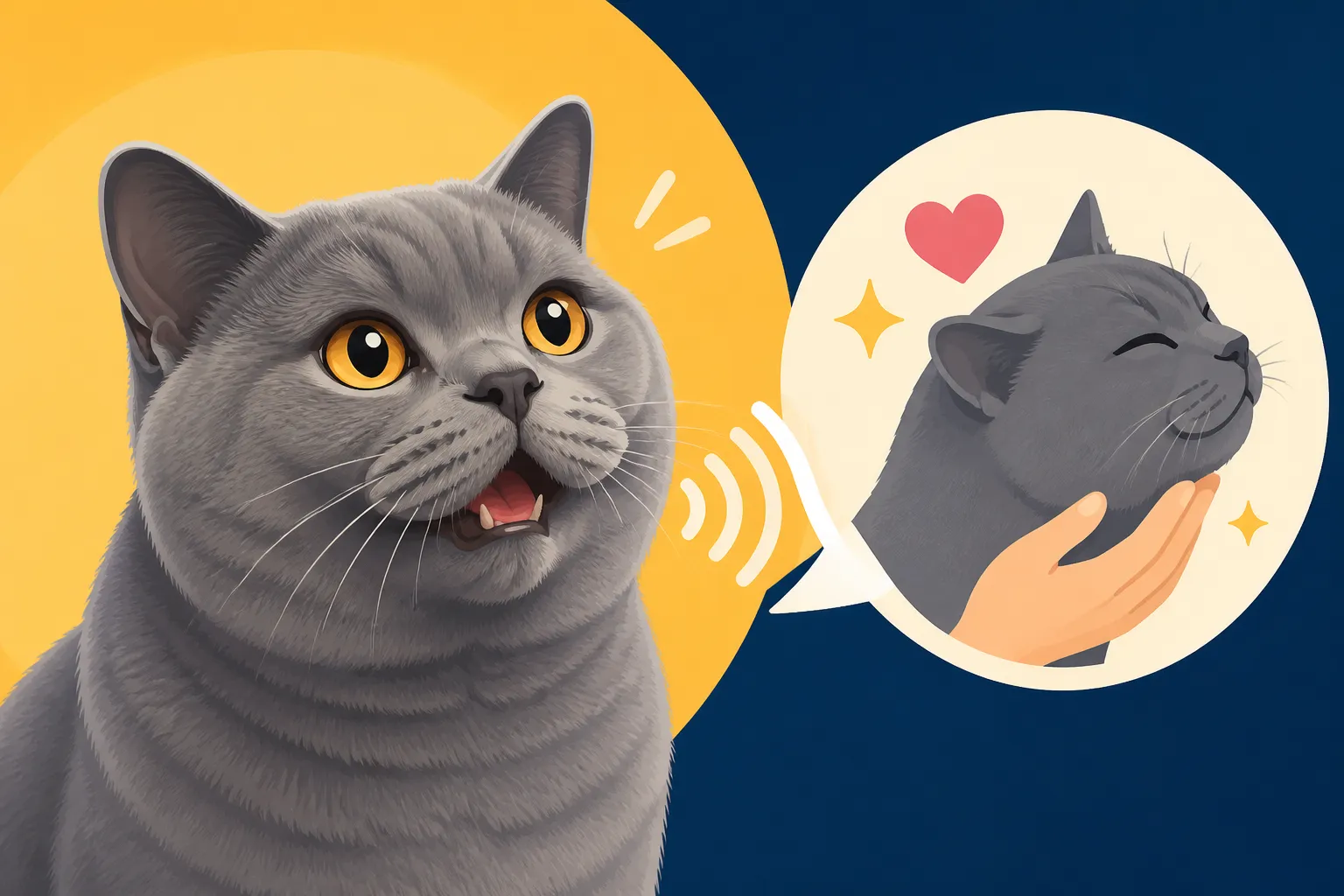
Let's start with the basics: what is a trill? If you've spent any time around British Shorthairs, you know the sound I'm talking about. It's that gentle, rolling "prrrrt" or "mrrrp" sound, almost like a soft bird chirping, often accompanied by a little upward inflection. It's distinct from a regular meow, which is usually a more sustained "meow" or "miau," and it’s certainly not the deep rumble of a purr. The trill is typically a short, sweet, and often melodic vocalization that comes from the throat with a slight vibration.
The Sound That’s More Than a Meow
Many cat breeds have their own unique vocal quirks, but the British Shorthair's trill is particularly endearing and prevalent. Unlike the more demanding or questioning tone of some meows, a trill often sounds more like a friendly acknowledgement or a soft invitation. Think of it as your cat's way of saying, "Hey there!" or "Come closer!" without being too insistent. It’s not usually a sign of distress, anger, or pain; quite the opposite, in fact. It's almost always a positive or neutral communication.
It's fascinating to observe the subtle differences in the sound. Sometimes it's a very soft, almost breathy "prrrt," barely audible, while other times it can be a more pronounced "mrrrrp" that carries across the room. These variations aren't accidental; they often carry different nuances of meaning, which we'll explore further. It's a key part of How Vocal a British Shorthair Is, as they aren't generally known for being excessively noisy or demanding with their voices, making the trill even more significant.
Trills Versus Other British Shorthair Vocalizations
To truly appreciate the trill, it helps to understand how it differs from other sounds your British Shorthair makes. A meow, for instance, can range from a polite request for food to a complaint about an empty water bowl, or even a lonely call for attention. Purrs are usually reserved for contentment, affection, or sometimes, interestingly, self-soothing when anxious. Hisses and growls are clear warnings to back off.
The trill stands apart. It’s often used in situations where your cat is feeling friendly, curious, or trying to engage with you or another animal in a non-threatening way. It's less about a specific demand and more about general communication and connection. It’s a softer, more inviting sound than a meow, and less intense than a full-blown purr. It truly is a quintessential British Shorthair characteristic, a vocal signature of their calm and amiable nature.
Why Your British Shorthair Trills at You
So, why do these chunky, plush felines make such an adorable, rolling sound? It turns out there are several common reasons behind a British Shorthair's trill, almost all of them positive. Understanding the context in which your cat trills is key to interpreting their message.
Greeting and Welcome Home
One of the most frequent scenarios for a British Shorthair trill is when you arrive home. Imagine walking through the door after a long day, and there's your British Shorthair, looking up at you from their favorite spot on the sofa, giving a soft, happy "prrrrt!" This is their way of saying, "Welcome back, human! I noticed you were gone, and now you're here. All is well." It's a genuine expression of recognition and pleasure at your return.
They might wind around your legs, or simply stand a few feet away, tail held high, delivering their characteristic trill. It’s a less demanding greeting than a meow, which might imply hunger, and more of an acknowledgment of your presence. This delightful sound shows How a British Shorthair Shows Affection in their own understated, dignified way. They're happy to see you, and their trill is their polite announcement of this fact.
Seeking Attention or Interaction
Another common reason for a trill is to get your attention, but usually in a gentle, non-insistent manner. If your British Shorthair is feeling a bit playful, or perhaps wants some gentle chin scratches, they might approach you with a soft trill. It's an invitation to interact, a way to say, "Hey, I'm here, and I wouldn't mind a little company or a head rub if you're offering."
This isn't typically the "feed me now!" meow you might hear from other breeds. Instead, it’s a more subtle nudge for connection. Perhaps they've been observing you for a while, busy on your laptop or reading a book, and they decide it's time for a little human-cat interaction. A trill might accompany them jumping onto the sofa beside you, or simply sitting near your feet, patiently waiting for you to notice their charming request.
Excitement and Anticipation
British Shorthairs, despite their often calm and sedate demeanor, can get excited too! When they anticipate something good, like mealtime, a favorite treat, or a play session with a feather wand, you might hear a series of trills. This is their way of expressing joyful anticipation. The trills might be a bit more pronounced, perhaps even a bit faster, reflecting their heightened state.
Think about the routine of opening that bag of their favorite crunchy treats. You might be reaching for the bag, and already your British Shorthair is letting out a string of happy trills, perhaps even doing a little excited dance around your ankles. This isn't just a response to food; it's also about the joy of the routine and the interaction. If you introduce a new toy, perhaps one you found on Amazon, and they show interest, a trill might be their initial sign of curiosity and potential playfulness, showing that Which Toys a British Shorthair Will Actually Chase can definitely elicit these sounds.
Leading You Somewhere
Have you ever noticed your British Shorthair trilling as they walk a few paces ahead of you, then looking back as if to say, "Are you coming?" This is another common trill scenario. They might be trying to lead you to their food bowl, their water fountain, or even to a cozy spot where they want you to join them for a nap. It's an active form of communication, a gentle directive.
It's as if they're saying, "Follow me, I have something important to show you," or "This way to the good stuff!" This is especially common if they're trying to communicate a need, like an empty water bowl, or if they want to alert you to something interesting outside the window. This kind of trill is often punctuated with eye contact and a purposeful walk, making their intentions quite clear, even without a demanding meow.
Understanding the Nuances: Different Trills, Different Messages
While the core meaning of a trill is generally positive, the subtle variations in its sound and the accompanying body language can tell you even more about what your British Shorthair is feeling or wanting. Just like humans have different tones of voice, cats have a spectrum of vocalizations, even within a single sound like a trill.
The Soft, Gentle Trill
A very soft, almost whispered trill is often a sign of pure contentment or a gentle acknowledgement. You might hear this when your cat is curled up next to you, half-asleep, and you reach out to stroke their soft fur. It's a little "thank you" or an affirmation of their peaceful state. This type of trill is often accompanied by slow blinks, which are another sign of feline trust and affection.
This soft trill is typically reserved for moments of quiet intimacy and comfort. It's not a call to action but rather a quiet expression of "I'm happy and I feel safe with you." It’s a beautiful sound to witness, indicating a deep level of comfort and security in their environment and with their human companions. When they're in this relaxed state, it truly highlights What a British Shorthair Does All Day – which is often a lot of calm observation and napping!
The More Enthusiastic, Rolling Trill
On the other hand, a louder, more sustained, or rapidly repeated trill usually indicates a higher level of excitement or a more direct attempt to gain your attention. This is the trill you might hear when they're genuinely thrilled you've come home, or when they're eagerly awaiting their dinner. The rolling quality might be more pronounced, almost bubbling with anticipation.
This enthusiastic trill can also be part of a larger interaction, like during a play session. If you're dangling a favorite toy, they might trill as they stalk it, expressing their excitement and focus on the hunt. Pay attention to the speed and volume; a quicker, louder trill often means "I'm really excited!" or "Please notice me right now!" It reflects their engagement with the world around them, even if they aren't How Active a British Shorthair Is in a conventional sense.
Accompanying Body Language Matters
The trill itself is just one piece of the communication puzzle. Always observe your British Shorthair's body language in conjunction with their vocalizations.
| Trill Type | Sound Description | Typical Body Language | Interpreted Meaning |
|---|---|---|---|
| Greeting Trill | Soft "prrrrt" with upward inflection | Tail up, perhaps a head bunt or rubbing against legs | "Hello! I'm happy you're here." |
| Attention Trill | Slightly louder, repeated "mrrrrp" | Sitting near you, eye contact, nudging | "I'd like some interaction, please." |
| Excitement Trill | Fast, bubbling, higher pitch "prrrrrt" | Tail twitching, focused gaze, pacing | "Something good is happening soon!" |
| Leading Trill | "Prrrrt" while moving away, looking back | Walking ahead, glancing over shoulder, tail up | "Follow me! There's something I want to show you." |
| Contentment Trill | Very soft, breathy "prrrt" | Relaxed posture, slow blinks, half-closed eyes | "I'm content and feeling safe." |
If your British Shorthair trills with a tail held high and confident body language, it's generally a positive sign. If their ears are slightly flattened, or their body is tensed, even a trill could have a slightly different, perhaps less confident, meaning, though this is rare for a trill. Mostly, a trill paired with relaxed or inviting body language means they are comfortable and happy to communicate.
Responding to Your British Shorthair's Trill
So, you've heard the trill, you've observed the body language – now what? How you respond to your British Shorthair's trills can reinforce positive communication and strengthen your bond.
Acknowledge and Engage
The simplest and often best response is to acknowledge their trill. A soft verbal response, like "Hello there, sweetie!" or "What's up, big guy?" can go a long way. Make eye contact, offer a slow blink back (a cat's way of showing affection), and if appropriate, reach out for a gentle stroke or a scratch behind the ears. This tells your cat that you understand their attempt to communicate and that you're receptive to it.
Ignoring a trill, especially one meant as a greeting or an invitation to interact, might make your cat feel unheard, even if it’s not as insistent as a meow. Building a responsive communication dynamic helps your British Shorthair feel secure and valued. After all, they are creatures of routine and connection, and acknowledging their efforts reinforces their place in your household.
Engage in Play or Affection
If the trill seems to be an invitation to play or for affection, take a moment to engage. Grab a favorite wand toy (many great options are available from retailers like Amazon), or sit down for a few minutes of petting. Even a short interaction can be incredibly meaningful to your cat. Remember that British Shorthairs appreciate affection on their own terms, often preferring to sit near you rather than on your lap, but they still cherish that connection. Their trills are often their way of initiating that comfortable, low-key interaction.
If they're leading you somewhere with their trills, follow them! See what they're trying to show you. It might be an empty food bowl, a forgotten toy, or simply their desire for you to come and sit with them in a particular spot. This kind of active engagement deepens your understanding of their habits and their personality.
Reinforce Positive Communication
By consistently responding to your British Shorthair's trills in a positive way, you reinforce this gentle form of communication. They learn that their trills are effective in getting your attention and conveying their feelings. This can lead to a more vocal and communicative cat, especially with trills, which is a lovely thing to encourage. How a British Shorthair Greets Strangers might even include a soft trill, if they feel comfortable and trusting.
Conversely, if you consistently ignore or discourage trills, your cat might become less likely to use them, or they might resort to more insistent vocalizations like loud meows. Encouraging the trill, which is often a sign of contentment and connection, will foster a more harmonious and communicative relationship between you and your fluffy companion. It shows them that their subtle efforts to reach out are always welcome.
The Trill as a Bond Builder
Ultimately, the British Shorthair's trill is more than just a sound; it's a testament to the special bond you share with your feline friend. It's a sweet, often understated, way for them to communicate their contentment, affection, and desire for interaction without being overwhelming. For a breed known for its calm and somewhat reserved nature, the trill is a clear window into their happy inner world.
Understanding and responding to these delightful sounds will not only help you meet their needs more effectively but will also deepen the connection you have. So, the next time your British Shorthair graces you with a soft "prrrrt," know that they are expressing something genuinely lovely, and take a moment to trill back, or offer a gentle head scratch. It's their unique way of saying, "You're my human, and I appreciate you." And really, what could be sweeter than that? Especially given that How Many Hours a Day a British Shorthair Sleeps, any vocalization they make is usually quite significant!
Disclaimer
This article is for general informational purposes only and does not constitute professional advice. Laws, prices and regulations vary by location and change over time. Consult a qualified professional for guidance on your specific situation.