Whether a British Shorthair Misses You
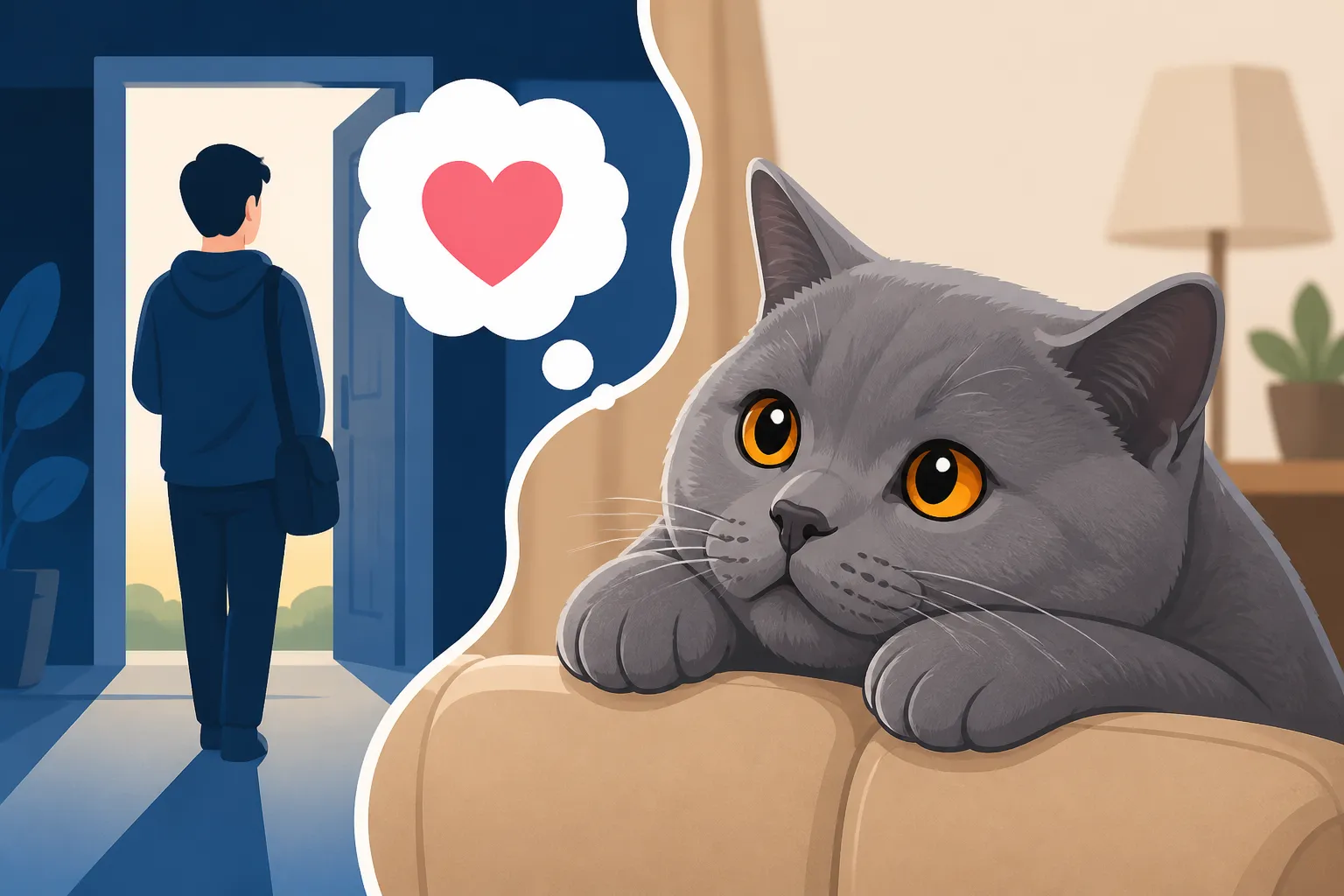
It's a common worry among us British Shorthair parents: you gaze at their serene, seemingly unflappable face as you head out the door for work, and a little pang of guilt hits. Do they even notice you're gone? Do they miss you, or are they just content to hold down the sofa until you return? This guide is all about diving deep into the nuanced world of British Shorthair emotions and helping you understand if your cherished chunky companion truly feels your absence.
Understanding the British Shorthair's Unique Affection Style
British Shorthairs aren't like some of those highly demonstrative breeds that are constantly underfoot, demanding cuddles and attention. Their affection is much more subtle, which often leads owners to wonder if their bond is as strong as it could be, or if their cat is truly content. This quiet demeanor can be a blessing, offering a calm presence, but it also means we have to learn to read their specific signals.
The Myth of the Aloof British Shorthair
Let's dispel a common misconception right off the bat: the British Shorthair is often labeled as aloof or independent. While it's true they aren't typically "lap cats" in the traditional sense, preferring to be near you rather than on you, this doesn't equate to a lack of affection or a disinterest in your presence. Their calm, self-possessed nature can be mistaken for indifference, but it's far from it. They simply express their love and connection in their own dignified way.
It’s easy to feel a bit let down when your British Shorthair opts for the adjacent armchair instead of curling up on your lap, especially when you’ve had a long day and crave that immediate feline comfort. You might even find yourself asking, How much of a lap cat a British Shorthair is? This perceived distance can trick us into thinking they don't care about our comings and goings, but it's merely a difference in their communication style. They are observant, taking everything in, and often prefer to show their affection through quiet companionship rather than boisterous displays.
Many British Shorthair owners actually appreciate this balanced approach to affection. They get the joy of a feline companion without the constant demands that some other breeds might present. This isn't to say they don't love you; it just means their love language is less about physical contact and more about shared space and quiet presence. Understanding this fundamental aspect of their personality is the first step in deciphering whether they truly miss you when you're away.
How a British Shorthair Actually Shows Affection
So, if they're not always purring in your face or rubbing against your legs, how do British Shorthairs show affection? It’s all in the subtle cues. A slow blink from across the room, a gentle head boop when you're passing by, or the way they choose to sleep in the same room as you, just a few feet away. These are all profound declarations of their bond and comfort with you. They appreciate your presence and find security in your proximity.
They might follow you from room to room, settling down near you as you go about your tasks, or greet you with a soft "mrrrp" when you return home. This isn't just about food; it's about acknowledging your return and expressing their contentment. A British Shorthair often seeks out physical touch on their terms, usually a brief rub against your leg or a moment of leaning into your hand when you're stroking their plush coat. Understanding How a British Shorthair shows affection means learning to spot these understated yet heartfelt gestures.
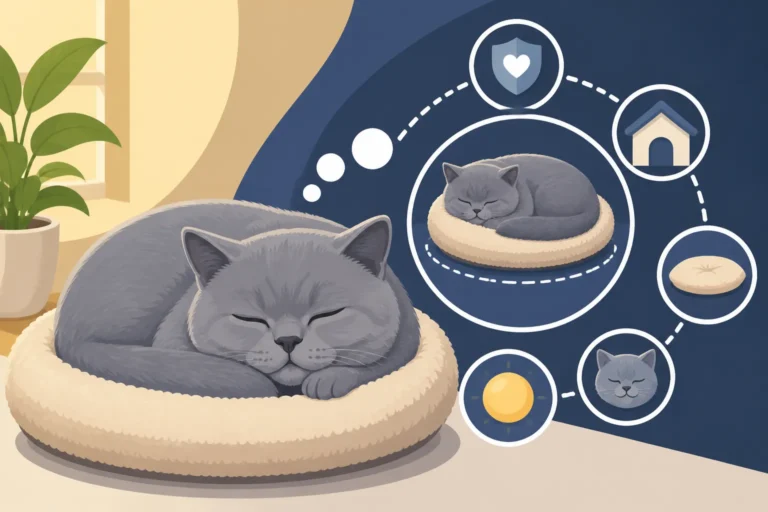
Another key sign of their affection and trust is their relaxed demeanor around you. If your British Shorthair is comfortable enough to flop over, expose their belly (even if they don't want it touched!), or simply snooze peacefully in your vicinity, that's a huge sign of their deep affection and feeling of safety. When you leave, these are the bonds that are temporarily broken, and it's these quiet comforts they miss.
Signs Your British Shorthair Might Be Missing You
Because British Shorthairs are so good at being calm and collected, it can sometimes be hard to tell if they're genuinely feeling your absence or just enjoying some quiet time. They aren't likely to tear up the house in a dramatic display of separation anxiety, but there are definitely subtle indicators that your departure has an impact on them.
Subtle Behavioral Changes
When a British Shorthair misses you, their behavior might shift in ways that are easily overlooked if you’re not attuned to their usual patterns. You might notice them sleeping even more than usual, retreating to secluded spots, or just generally being less interactive upon your return than they typically are. They might seem a little deflated, or perhaps a bit more subdued than their normal placid self. It's not outright distress, but a quiet kind of melancholy.
Another sign can be a change in their eating habits. While British Shorthairs are generally enthusiastic about food, a cat missing its human might show a slight decrease in appetite, or conversely, might overeat out of boredom or mild stress. Pay attention to how quickly they finish their meals or if they're leaving more behind than usual. You might also notice a slight alteration in their litter box habits—perhaps an increase in urination or changes in consistency, which can sometimes be stress-related. If these changes are significant or persistent, it's always wise to consult your vet.
Sometimes, a missing British Shorthair might become slightly more vocal than usual, letting out soft chirps or trills, or even a few extra meows, especially around the time you would typically return home. While How vocal a British Shorthair is tends to be on the quieter side, any deviation from their norm can be telling. They might also become clingier when you are home, following you more intently, or rubbing against you more frequently, as if trying to "catch up" on lost connection time.
Physical Manifestations of Stress or Loneliness
While dramatic physical signs are rare for British Shorthairs experiencing loneliness, prolonged stress can manifest physically. One of the most common, yet subtle, signs is over-grooming or under-grooming. A British Shorthair that is stressed by your absence might start licking a specific spot on their body excessively, sometimes leading to bare patches or skin irritation. This is a common displacement behavior in cats feeling anxious.
Conversely, a cat that is feeling low or disengaged due might stop grooming themselves as meticulously as usual. Their famously dense, plush coat might start to look a little unkempt, or you might notice more shedding than usual. This is particularly noticeable with their unique coat, which naturally stands away from their body, making it easy to spot if it's looking a bit dull or greasy. These subtle changes in grooming are worth noting, as they can indicate an underlying emotional state.
In some rarer cases, if the separation is prolonged or if the cat is particularly sensitive, stress can contribute to urinary issues. This isn't necessarily a sign they miss you in an emotional way, but rather that the disruption to their routine and the change in their environment (your absence) is causing them stress. Any sudden changes in health or behavior that concern you should always be discussed with your veterinarian to rule out medical causes.
Creating an Environment That Minimizes Loneliness
Understanding that your British Shorthair might miss you is one thing; doing something about it is another. Thankfully, there are many proactive steps you can take to ensure your calm companion feels secure and stimulated, even when you're not there.
Enriching Their Solo Time
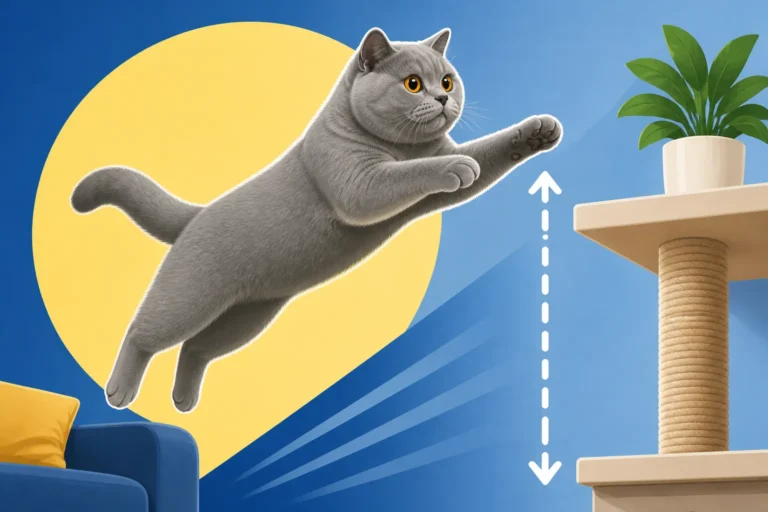
The key to preventing loneliness in a British Shorthair is to make their solo hours as engaging and comfortable as possible. This breed, while low-energy, still benefits immensely from mental and physical enrichment. Vertical space is a must; even if they're not champion climbers, a sturdy cat tree allows them to survey their territory from a safe height. You can find excellent multi-level cat trees on Amazon that cater to their sturdy build. Which cat tree a British Shorthair uses should be stable and have wide perches.
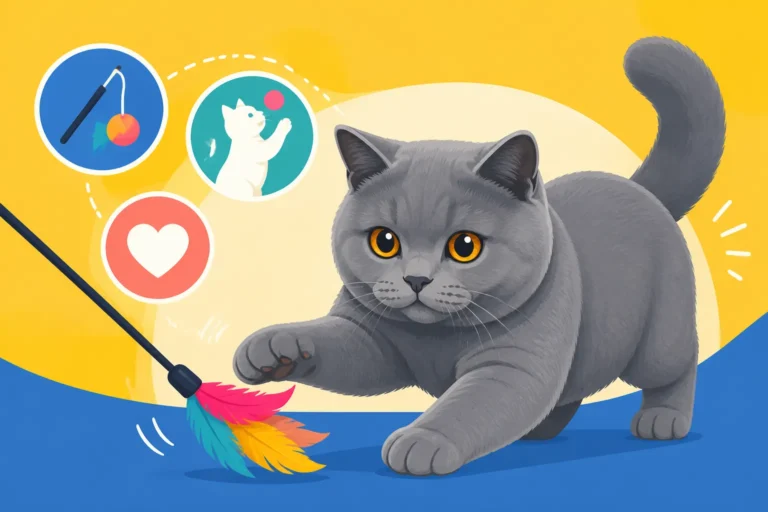
Puzzle feeders are another fantastic tool. British Shorthairs tend to be food motivated, and these feeders turn mealtime into a stimulating game, slowing down eating and engaging their minds. Rotating their toys regularly also keeps things fresh. Don't leave all their favorite toys out at once; instead, introduce a few new ones each week to pique their interest. Consider interactive toys that turn on and off automatically, providing bursts of play throughout the day.
Window perches are also highly valued by British Shorthairs. They love to observe the world outside, even if it's just watching birds or squirrels. A comfortable, secure window perch provides hours of entertainment and keeps them mentally engaged. You can also hide treats around the house, encouraging them to use their natural hunting instincts to explore and discover. This kind of environmental enrichment can significantly reduce the potential for boredom and, consequently, feelings of loneliness when you're not around.
Smart Tools and Technologies
In today's world, technology offers some fantastic ways to stay connected with your British Shorthair and alleviate your worries about their well-being while you're out. Pet cameras, especially those with two-way audio and treat dispensers, have become incredibly popular. Imagine being able to check in on your furry friend, talk to them, and even dispense a little treat from your phone while you're at work! This can be a huge comfort for both you and your cat.
Automated feeders are another excellent investment, especially for a breed like the British Shorthair that thrives on routine and can be prone to weight gain. Setting precise meal times and portion sizes can help maintain their health and provide a consistent rhythm to their day, even when you're not there to personally dole out the food. This predictability can be very reassuring to a cat and prevent them from associating your absence solely with a lack of attention or food.
For British Shorthairs who tend to get a bit restless or vocal when left alone, a smart pet fountain can encourage hydration and provide a subtle, soothing background noise. There are many highly-rated options on Amazon that cater to different preferences. While they might seem like small details, these tools contribute to a consistent, enriching environment that minimizes the feeling of abandonment and helps your British Shorthair feel secure and cherished, even when How many hours a British Shorthair can be left stretches a bit long.
When to Consider a Companion and When Not To
Sometimes, no matter how much enrichment you provide, you might still feel your British Shorthair needs more. The idea of getting a second cat to keep them company is a tempting one, but it's not a decision to be taken lightly, especially with the British Shorthair's particular personality.
Assessing Your Cat's Personality for a Companion
Before you even think about bringing another feline into the mix, you really need to take a long, honest look at your British Shorthair's individual personality. While some cats are genuinely social and thrive with a companion, others are perfectly content being the sole monarch of the household. British Shorthairs, generally speaking, are quite independent and often prefer a quiet, predictable environment. A new cat could be a source of stress rather than comfort.
Observe how your cat reacts to other animals, even those seen through a window or on TV. Do they seem curious or agitated? If your British Shorthair exhibits signs of significant boredom or loneliness, such as excessive sleeping, lack of play, or a general withdrawn demeanor, a companion might be helpful. However, if your cat is already easily stressed by change, or if they're very possessive of their space and resources, introducing another cat could backfire, leading to conflict and anxiety for both animals. Consider When a British Shorthair needs a companion carefully.
It’s also crucial to consider your cat's age and past experiences. A British Shorthair kitten might adapt more easily to a companion than an older, set-in-their-ways adult cat. If your British Shorthair grew up in a multi-cat household, they might be more receptive. Ultimately, the decision should be based on your cat's unique temperament, not just on the assumption that "two cats are better than one."
Introducing a New Friend
If you've carefully considered your British Shorthair's personality and believe they would truly benefit from a companion, the introduction process is paramount. Rushing it can create lasting animosity. The goal is a slow, gradual introduction, allowing both cats to acclimate to each other's scent and presence before any direct physical contact. This can take weeks, or even months, so patience is absolutely key.
Start by keeping the new cat in a separate room with its own food, water, and litter box. Scent swapping is your first tool: exchange bedding or rub a cloth on one cat and then on the other, allowing them to get used to each other's smell. Feed them on opposite sides of a closed door, slowly moving the bowls closer to the door over several days, so they associate pleasant experiences (food) with the other cat's presence. There's a lot of detailed advice on How to introduce a British Shorthair to a resident cat.
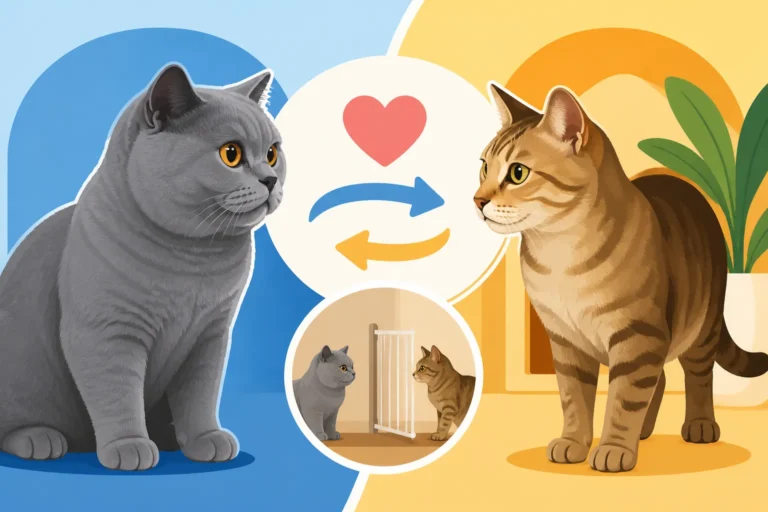
Once they seem comfortable with scent and feeding near the door, you can move to supervised, brief visual introductions through a baby gate or screen door. Keep these sessions short and positive, ending before any signs of tension appear. Always ensure both cats have escape routes and never force an interaction. Remember, the goal isn't necessarily for them to become best friends who cuddle constantly, but for them to coexist peacefully and, hopefully, provide each other with some quiet company during your absences.
Here's a quick overview of potential signs your British Shorthair might be missing you:
| Category | Signs of Missing You / Loneliness | Signs of General Contentment / Boredom |
|---|---|---|
| Behavioral | More sleeping (or less), subdued demeanor, slight increase in vocalization around your return, clinginess when you are home, changes in routine | Regular sleeping patterns, attentive to surroundings, usual vocalization, relaxed body language, engaged in solo play or observation |
| Appetite | Slight decrease in appetite or overeating | Consistent eating habits |
| Grooming | Over-grooming in specific spots, unkempt coat (under-grooming) | Regular, thorough self-grooming |
| Interaction | Less engaged with toys, less interactive upon your return, seeking out secluded spots | Engaged with toys, responsive to environmental stimuli, seeking out window perches |
| Litter Box Habits | Subtle changes (frequency, consistency) – potentially stress-related | Consistent, normal litter box habits |
Ultimately, while your British Shorthair might not openly weep or frantically search for you when you’re gone, their quiet nature means they certainly notice your absence. They might experience a subtle shift in their contentment, a mild sense of loneliness, or simply a disruption in the comforting predictability that your presence brings. By understanding their unique way of expressing affection and proactively enriching their environment, you can ensure your beloved British Shorthair feels loved, secure, and entertained, whether you're home or away.
Disclaimer
This article is for general informational purposes only and does not constitute professional advice. Laws, prices and regulations vary by location and change over time. Consult a qualified professional for guidance on your specific situation.