How Closely a British Shorthair Follows You
It’s a common misconception that all cats are aloof, but when you bring a British Shorthair into your home, you might find yourself wondering just how much of a shadow they’ll become. While they're renowned for their calm and independent nature, many British Shorthair owners still experience that sweet, subtle presence trailing them from room to room. This guide is here to shed light on exactly how closely a British Shorthair typically follows their beloved humans, what their unique brand of "following" really means, and how to understand their subtle cues.
The British Shorthair's Unique Brand of "Following"
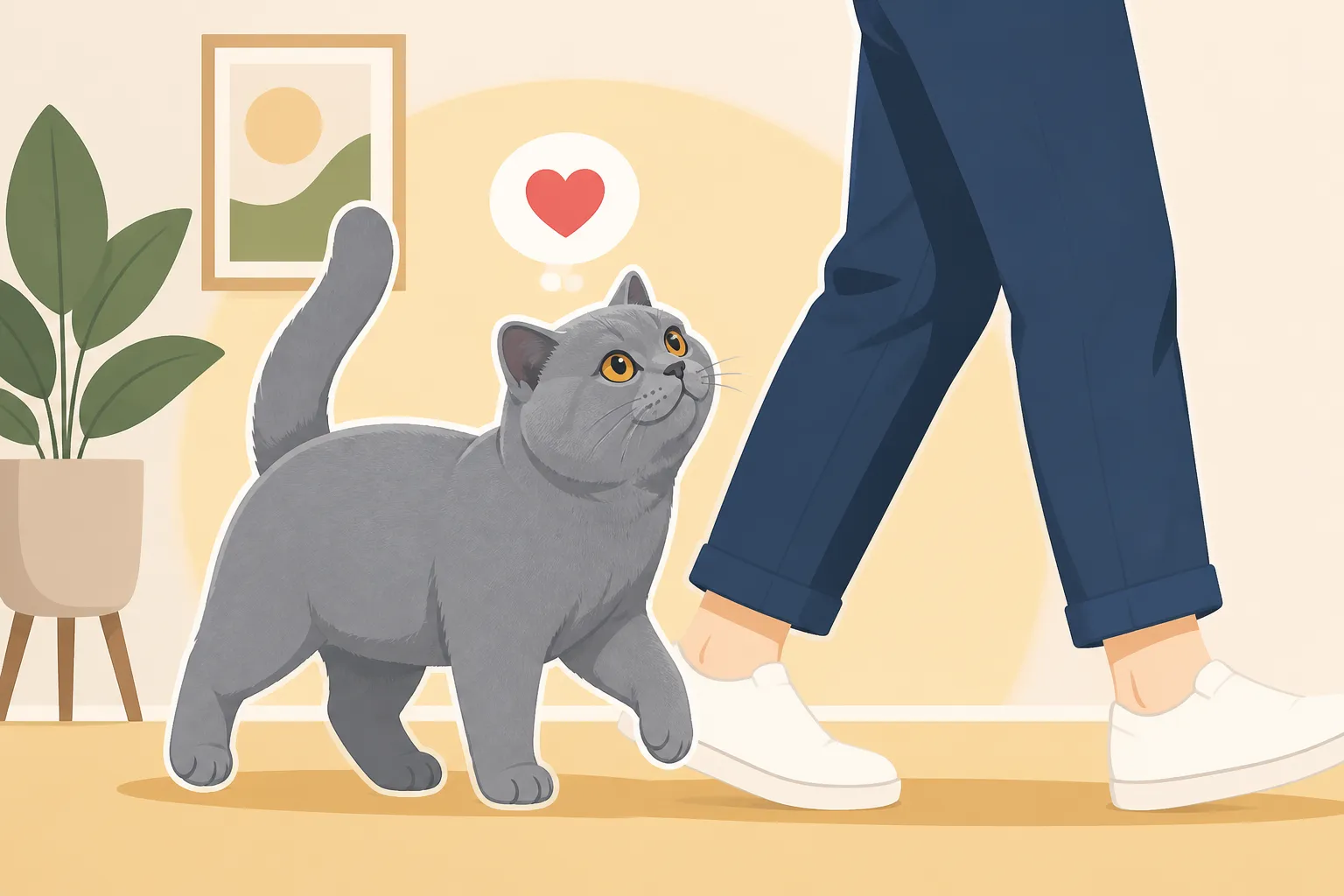
Unlike some high-energy breeds or those known for their velcro tendencies, a British Shorthair tends to have a much more understated approach to following you around. They're not generally the type to trip you up in the kitchen, demanding constant physical contact, but that doesn't mean they aren't deeply attuned to your presence. Their following behavior is often a reflection of their calm, observant, and deeply loyal, albeit independent, personality. It's less about being underfoot and more about being in your orbit.
More Shadow Than Stalker: Understanding Their Proximity Preferences
When we talk about a British Shorthair following you, it’s rarely a full-on stalker situation where they’re glued to your heels. Instead, think of it as a comfortable, respectful proximity. They want to be near you, perhaps in the same room, but not necessarily on top of you. It's their way of keeping tabs on their favorite human while still maintaining their cherished sense of personal space.
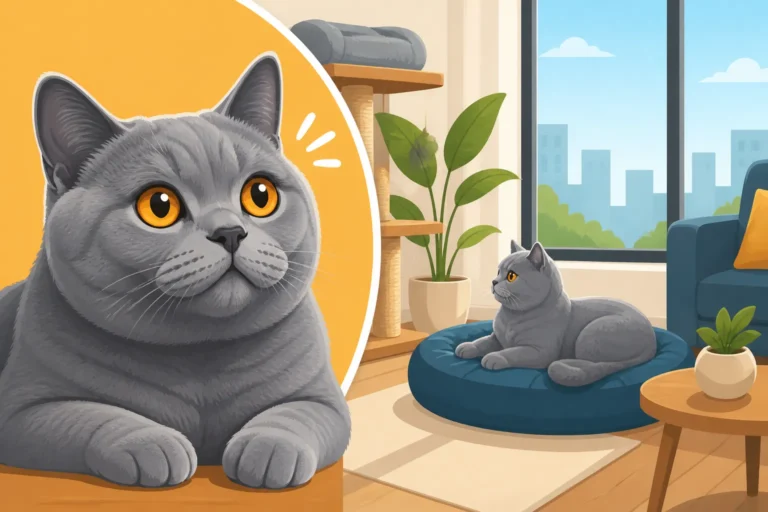
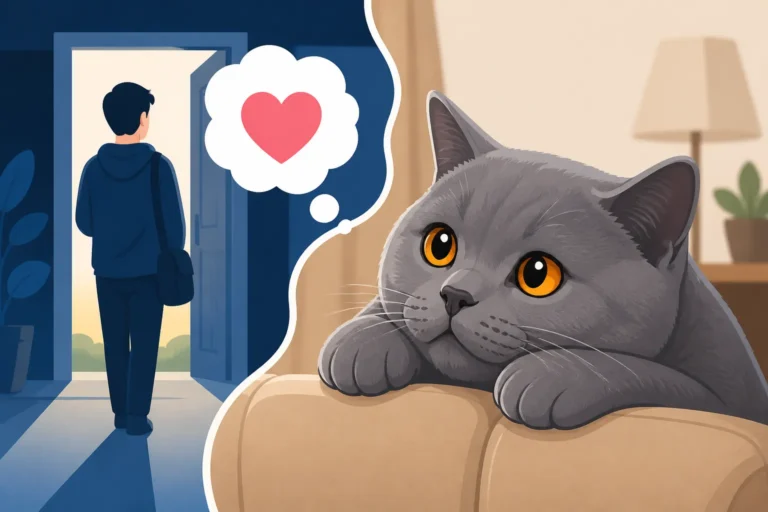
You might find your British Shorthair settled on the adjacent sofa while you watch TV, or perhaps perched on a window ledge across the living room, observing your activities with a soft, knowing gaze. They are present, they are aware, and they are enjoying your company, but it's often from a slight distance. This quiet companionship is one of the most endearing traits of the breed, a testament to their independent spirit coupled with a deep affection. They validate the idea that love doesn't always have to be expressed through constant physical touch.
The "Room-to-Room" Escort Service
Ah, the classic feline "escort service!" Many British Shorthair owners will readily recognize this behavior. You get up from your desk to head to the kitchen for a snack, and suddenly, there's a plush, round form sauntering behind you, perhaps a few paces back. You move to the bedroom, and a minute later, they quietly enter and settle onto a chair or the end of the bed. It's not always a direct, immediate follow, but rather a re-establishment of proximity in the new location.
This isn't necessarily a cry for attention or food (though it certainly can be if it’s near mealtime!). Often, it's simply their way of remaining connected to the central hub of their world: you. They’re curious creatures, in their own unhurried way, and they want to see what you're up to. They thrive on routine and familiarity, and your movements are often part of that comforting rhythm. They want to ensure they're still part of the action, even if the "action" is just you folding laundry. If you've ever wondered What a British Shorthair Does All Day, you'll find a lot of it involves quietly supervising their human.
What Motivates Their Movements
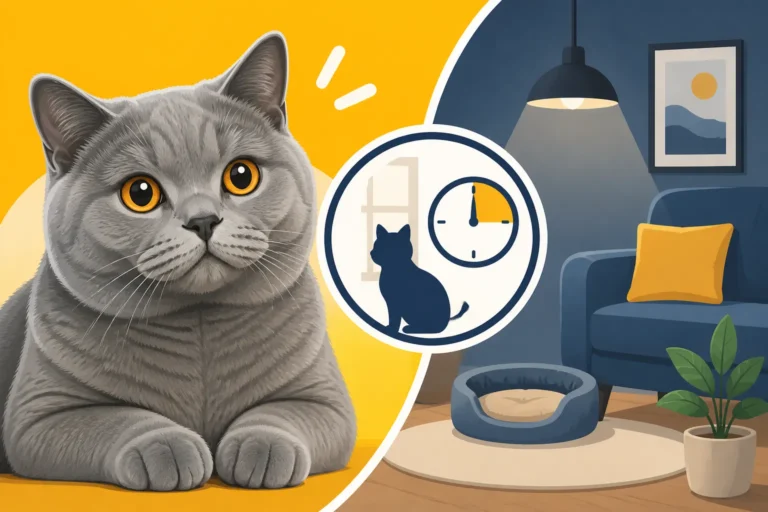
So, what exactly drives this charming, subtle following behavior in a British Shorthair? It’s usually a blend of a few key factors that are deeply rooted in their nature. Firstly, routine is paramount. If you typically head to the kitchen around a certain time for your meal prep, they'll often follow, anticipating a potential snack or just the general activity. Their internal clock is remarkably precise!
Secondly, curiosity plays a role. While they might not be chasing after every feather toy with boundless energy, they are inherently interested in their environment and the goings-on within it. Your actions are often the most interesting events of their day. Thirdly, security and comfort are huge. Being near you, even if not on you, provides them with a sense of safety and belonging. They know you're their protector and provider, and your presence is reassuring. Lastly, it is a form of affection, just expressed differently. They are not known for being intense lap cats, but they show their love by choosing to be near you. If you ever question How Affectionate a British Shorthair Is, observe their quiet presence.
Deciphering the Degrees of British Shorthair Following
Understanding your British Shorthair's following behavior means paying attention to the nuances. It's a spectrum, not a binary "follows" or "doesn't follow" situation. Each degree of proximity tells a story about their mood, their needs, and their unique bond with you.
The Subtle Supervisor: Always Within Sight, Never Underfoot
This is perhaps the most quintessential form of British Shorthair "following." They are always within sight, often from a comfortable perch, but rarely do they get in your way. You might catch them out of the corner of your eye on their cat tree or curled up in a sunbeam nearby, their gaze occasionally drifting towards you as you move about your day. They are monitoring, supervising, and simply enjoying your presence.
This subtle supervision is a sign of trust and contentment. They feel secure enough in their environment and with you that they don't need to cling. They know you're there, and that's enough. This behavior is a strong indicator of their calm and A British Shorthair Is Genuinely Fine on Its Own nature, yet it still speaks volumes about the bond you share. It's a quiet declaration of "I love being near you, even if I don't need to be touching you." They're perfectly happy to let you have your space, as long as they can periodically check in.
The Occasional Lap Guardian: When Proximity Becomes Personal
While a British Shorthair generally A British Shorthair Sits Near You, Not On You, there are those special, treasured moments when their following behavior takes a more personal turn. This is when your British Shorthair decides, completely on their own terms, to grace your lap or snuggle right up beside you. These instances are often spontaneous and deeply meaningful because they are entirely self-initiated. They aren't trying to be picked up – they are choosing the contact.
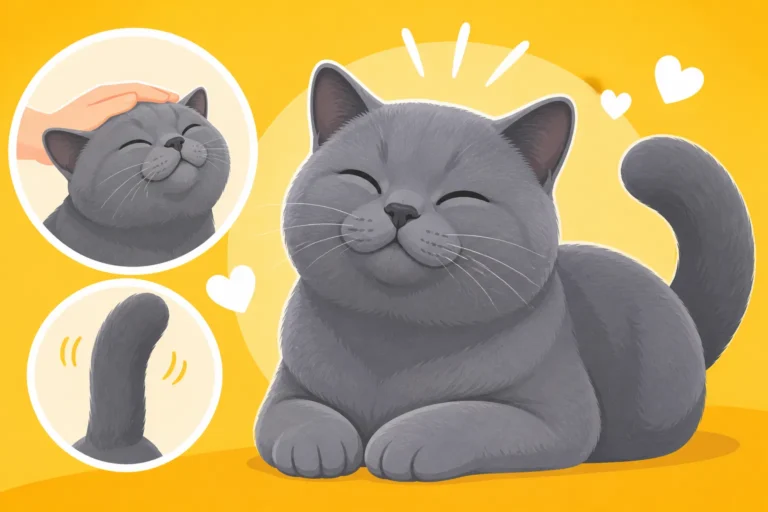
These moments typically happen when you're settled and relaxed, perhaps reading a book or watching a movie. They will choose to jump onto your lap, or simply lean heavily against your side. It’s an intimate form of following, signaling a deep sense of security and affection. Never force these interactions; allow them to happen naturally. When they do, cherish them, as they are a true indicator of how much your British Shorthair trusts and loves you. Sometimes, a gentle head-bonk or a slow blink is the most direct form of following affection you'll get, and it's absolutely priceless.
The "Kitchen Patrol" and Other Routine-Based Tracking
For many British Shorthairs, their following tendencies are heavily dictated by routine, especially when food is involved. The "Kitchen Patrol" is a classic example: the moment they hear the rustle of a food bag, the clink of a bowl, or even your footsteps heading towards the pantry, they transform into focused, four-legged missiles. This isn't just following; it's anticipatory following.
They are incredibly intelligent and learn your daily patterns quickly. Beyond meal times, they might follow you to the bathroom, perhaps out of curiosity, or simply because they know you'll be sitting still for a moment, providing a prime opportunity for a quick head scratch or a little chat. If you've been working from home, they might start "following" you more closely as your workday winds down, knowing that evening playtime or dinner is approaching. Using a timed automatic feeder, perhaps one you found on Amazon, can help manage their expectations around food, but their internal clock will still often prompt them to follow you to the kitchen well before the feeder dispenses its bounty. Similarly, a new puzzle feeder from Amazon could turn routine into engaging play, keeping them mentally stimulated even if you’re not physically interacting.
What Does It Mean When Your British Shorthair Follows You More or Less?
The consistency and intensity of your British Shorthair's following behavior can sometimes offer clues about their well-being, mood, or changes in their environment. It’s important to pay attention to these shifts, as they can be subtle indicators of something deeper.
Increased Following: A Sign of Connection or Concern?
If your British Shorthair suddenly starts following you more closely than usual, it can mean a few different things. On the positive side, it might be a sign of an even deeper bond forming, especially if you've recently had more quiet time together. Perhaps they’re seeking comfort or reassurance, especially after a change in the household, like new furniture or visitors. They might be feeling a bit insecure and looking to you for stability.
However, a sudden, marked increase in following could also be a subtle cry for help. Cats are masters at hiding discomfort, and sometimes increased clinginess or seeking constant proximity can be a sign they’re not feeling well. They might be experiencing pain, nausea, or simply feel vulnerable and want to be near their safe person. Observe if the increased following is accompanied by any other changes: a decrease in appetite, lethargy, changes in litter box habits, or a more subdued demeanor. If you notice these, it's always wise to consult your vet. Understanding Signs a British Shorthair Is Unwell can help you determine when to seek professional advice.
Decreased Following: The Independent Streak or Something Else?
Conversely, if your British Shorthair, who usually performs the "room-to-room escort service," suddenly becomes less interested in your movements, it's also worth noting. Sometimes, it’s simply their independent streak shining through more brightly. They might be engrossed in a particularly interesting sunbeam nap, or maybe they've found a new favorite hiding spot that offers unparalleled peace. How Many Hours a Day a British Shorthair Sleeps can be quite substantial, so sometimes they're just enjoying their rest.
However, a noticeable decrease in following could also signal a problem. If your cat suddenly seems withdrawn, is spending more time hiding, or isn't engaging with you at all, it could be a sign of illness, stress, or even pain. Cats often isolate themselves when they feel vulnerable. If this change in behavior is coupled with other concerning symptoms, or if it persists for more than a day or two without an obvious explanation, a vet visit is recommended. Sometimes, a subtle change like this is your British Shorthair’s way of communicating that something isn’t quite right.
Encouraging Positive Interactions and Managing Expectations
Understanding your British Shorthair's unique following style means recognizing that they show affection on their own terms. You can encourage positive interactions and strengthen your bond without forcing them into a "lap cat" role if that's not their natural inclination. Providing comfortable spots for them to "supervise" you from – like a cozy cat bed on the floor or a window perch you found on Amazon – can enhance their sense of connection.
Engage them in playtime with interactive toys, perhaps a wand toy from Amazon, to satisfy their predatory instincts and provide mental stimulation. Even a few minutes of play each day can make a big difference in their overall well-being and strengthen your bond, making them feel more secure and content in your presence. Respect their need for space; when they choose to be close, respond with gentle affection rather than overwhelming them. Building this mutual respect will foster a deeper connection, ensuring that their quiet following is a joyful expression of their love for you. Remember, How Well a British Shorthair Can Be Cuddled at All is often about meeting them where they are.
| Type of Following Behavior | What it Looks Like | Possible Interpretation (Normal) | Possible Interpretation (Concerning) |
|---|---|---|---|
| Subtle Supervisor | In the same room, but a few feet away | Content, comfortable, trusting, enjoying your presence from a distance | Could signify mild disinterest or preoccupation if consistent and sudden |
| Room-to-Room Escort | Walks behind you to each new room, then settles | Curious, routine-oriented, seeking gentle companionship, checking in | Can be a sign of anxiety or discomfort if unusually insistent and frequent |
| Anticipatory Tracker | Follows intensely during specific routines | Hungry, excited for playtime, anticipates routine events | Can become obsessive or anxious if routines are disrupted |
| Lap Guardian | Jumps on lap or snuggles close (on their terms) | Deep affection, high trust, seeking warmth/comfort | If newly demanding of lap time, could be seeking reassurance due to illness |
| Hiding/Avoiding | Retreats, avoids eye contact, doesn't follow at all | Resting, independent time, exploring | Fear, pain, severe illness, stress, seeking to hide vulnerability |
Disclaimer
This article is for general informational purposes only and does not constitute professional advice. Laws, prices and regulations vary by location and change over time. Consult a qualified professional for guidance on your specific situation.