How a British Shorthair Gets On With a Dog
Bringing a British Shorthair into a home where a dog already resides, or introducing a dog to your beloved British Shorthair, can be a source of real anxiety for pet parents. We all dream of a harmonious household where our furry friends coexist peacefully, maybe even becoming the best of pals. The truth is, it takes careful planning, patience, and a deep understanding of both your British Shorthair's unique personality and your dog's temperament to achieve that serene multi-pet environment. This comprehensive guide will walk you through the nuances of integrating a British Shorthair with a dog, offering actionable steps to foster a calm and loving coexistence.
Understanding the British Shorthair's Nature in a Multi-Pet Household
British Shorthairs are truly special cats, known for their plush coats, round faces, and wonderfully calm dispositions. But "calm" doesn't necessarily mean "instantly friendly with everyone." They have their own way of doing things, and understanding this is the first step toward successful introductions with a canine companion.
The British Shorthair's Calm Demeanor
One of the most defining characteristics of a British Shorthair is their generally placid and unflappable nature. They aren't typically the type of cat to bolt at the slightest noise or become stressed by the everyday hustle and bustle of a busy home. This calm disposition can be a huge advantage when introducing them to a dog, as they are less likely to react with extreme fear or aggression, which can sometimes escalate a situation. Instead, they often observe, process, and then decide how to interact. They prefer to size up new situations from a safe distance before committing. This means they won't usually jump into a dog's face, but they also won't immediately run and hide in a panic, allowing for more controlled and gradual introductions.
However, "calm" isn't synonymous with "eager to please" or "highly adaptable." While they handle change better than some breeds, they still thrive on routine and predictability. A British Shorthair appreciates a quiet, stable environment, and a boisterous, unpredictable dog can definitely disrupt that. Their calm extends to their activity levels; they aren't usually high-energy cats constantly seeking adventure, so a dog with an endless supply of zest might overwhelm them. You'll find that A British Shorthair Is Genuinely Fine on Its Own, which might seem contradictory when thinking about introducing another pet, but it really speaks to their self-sufficient nature and ability to be content without constant interaction.
Their Need for Personal Space
Despite their generally friendly disposition towards their human companions, British Shorthairs are often described as cats who sit near you, not always on you. They appreciate affection but on their terms, and they value their personal space immensely. This trait is crucial to remember when bringing a dog into the picture. A dog that is too "in their face" or constantly seeking physical contact can be a major source of stress for a British Shorthair. They need to know they have safe zones where they can retreat and be completely undisturbed by the dog. This isn't a sign of being unfriendly; it's simply how they're wired.
Imagine your British Shorthair curled up on their favorite perch, enjoying a quiet moment. If a curious dog bounds over, sniffing aggressively or nudging them, the British Shorthair's natural inclination will be to remove themselves from the situation, not to engage playfully. Providing vertical spaces – cat trees, shelves, or even just a tall piece of furniture – is absolutely vital. These elevated spots become their safe havens, allowing them to observe the dog from a height where they feel secure and can escape if they feel threatened. It's not about keeping them separate forever, but about giving them the confidence that they can escape anytime they choose.
How Affectionate a British Shorthair Is
Many prospective owners wonder about How Affectionate a British Shorthair Is. While they might not be lap cats in the traditional sense, British Shorthairs are deeply affectionate in their own quiet way. They often show their love through head nudges, slow blinks, and by simply being in the same room as you, often just a few feet away. This subtle affection can sometimes be misunderstood by a dog who expresses affection more boisterously with licks, nudges, and playful pounces. Your British Shorthair might see these overt displays as intrusive or even threatening, especially during the initial stages.
The key is to teach your dog to respect the British Shorthair's boundaries and for you to understand how your cat communicates. A British Shorthair might give subtle cues like a swishing tail tip, a slight flattening of the ears, or a direct stare as warnings that they need space. A dog, especially one not used to cats, might miss these signals entirely. Building a positive relationship between the two will involve the dog learning to "read" the cat's body language and for the British Shorthair to trust that the dog won't constantly invade their personal bubble. With time and consistent positive reinforcement, a British Shorthair can form a strong bond with a calm, respectful dog, often becoming quiet companions rather than boisterous playmates.
Factors Influencing Dog-Cat Harmony
The success of a dog-cat introduction isn't solely dependent on the cat; the dog's personality, training, and past experiences play an equally significant role. Recognizing these factors upfront can help you prepare and manage expectations.
The Dog's Temperament and Training
A dog's individual temperament is perhaps the most critical factor in determining how well they will adapt to living with a cat. A dog with a naturally calm, laid-back personality, low prey drive, and a history of positive interactions with cats is going to have a much easier time integrating with a British Shorthair than an excitable, high-energy dog with a strong chase instinct. Breeds originally developed for hunting or guarding might inherently possess a stronger prey drive, making introductions more challenging, though individual personalities always vary.
Training is paramount. A dog who understands and obeys basic commands like "sit," "stay," "leave it," and "come" will be far easier to manage during the introduction process. The ability to recall your dog instantly, especially if they become overly fixated on the cat, is non-negotiable for safety. If your dog is prone to barking excessively or jumping up, these behaviors need to be addressed and managed before introducing them to a British Shorthair, as such actions can terrify and stress a cat. Think about using a leash and harness during initial interactions, even indoors, to maintain control. This isn't about punishment but about creating a safe, controlled environment where both pets feel secure.
Age and Prior Experiences of Both Pets
The age at which both pets are introduced, along with their past experiences, significantly impacts their ability to get along. A young puppy, still in its highly impressionable socialization period, might be easier to teach how to interact respectfully with a British Shorthair. Similarly, a British Shorthair kitten, with its natural curiosity, might adapt more readily to a dog than an older, more set-in-its-ways adult. However, caution is still needed with puppies, as their boundless energy and sometimes clumsy play can inadvertently harm a smaller kitten.
Adult animals with positive prior experiences with the opposite species often transition more smoothly. If your dog has lived peacefully with cats before, or your British Shorthair has shared a home with a dog without incident, you're starting from a much stronger position. Conversely, if either animal has had a negative or traumatic experience – perhaps the dog has chased cats, or the cat has been harmed by a dog – the process will require significantly more patience, time, and potentially professional intervention. It's about overcoming ingrained fears or habits, which can be a slow journey. Always remember that both animals come with a history, and respecting that history is key to building a new, positive future together.
Establishing Clear Boundaries
From day one, clear boundaries are essential for the safety and comfort of both your British Shorthair and your dog. This isn't just about training your dog; it's about setting up the environment to facilitate success. The cat needs to know they have areas where the dog simply cannot go. This might involve using tall baby gates or pet gates at doorways, which your British Shorthair can easily jump over but your dog cannot. You can find a wide variety of these sturdy gates on platforms like Amazon, making it simple to create cat-only zones.
Beyond physical barriers, you need to establish rules for interaction. The dog should never be allowed to chase, herd, or corner the cat. Any sign of aggression from either side should result in an immediate separation, not punishment, but a calm removal from the situation. Similarly, the British Shorthair needs to learn that certain defensive behaviors, like swatting at the dog's face, are not acceptable, though these are rare from a well-adjusted BSH. You are the referee, and your consistent enforcement of these boundaries will teach both animals what is expected and what is safe. It's a continuous process of gentle guidance and reinforcement, letting them both know their place in the household hierarchy and, more importantly, that their personal safety is guaranteed.
The Introduction Process: Slow and Steady Wins the Race
Introducing a new pet should never be rushed. Patience is your most valuable tool, and a gradual approach is far more likely to result in a positive, lasting relationship.
Scent Swapping Before First Sight
Before your British Shorthair and dog ever lay eyes on each other, it's vital to introduce them through scent. Scent is incredibly important to cats and dogs, providing a wealth of information. Start by gently rubbing a soft cloth or a small blanket on each animal's cheeks and head, gathering their unique scent. Then, swap these scented items. Place the dog's scented cloth in your British Shorthair's resting area, and the cat's cloth in your dog's space. Observe their reactions. Are they curious? Indifferent? Or do they show signs of stress like hissing, growling, or avoiding the scent?
Repeat this process for several days, perhaps even a week or two. You can also swap bedding or even let them explore each other's living areas (while the other pet is confined elsewhere) so they can investigate new smells without direct confrontation. The goal is to make each animal's scent a familiar and neutral, or even positive, experience. You want them to associate the new scent with calm and safety, not fear or competition. This initial scent introduction lays the groundwork, helping to desensitize them to each other's presence before they ever see one another. It's a crucial step that can prevent a potentially traumatic first encounter.
Controlled Visual Introductions
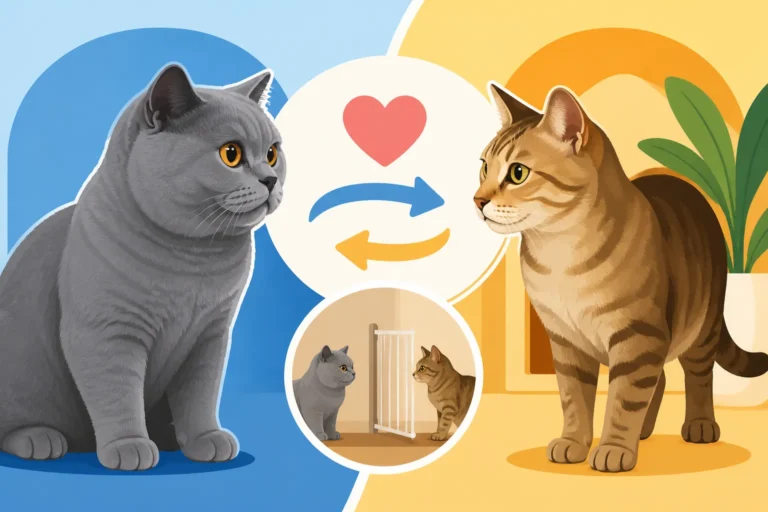
Once both pets seem comfortable with each other's scent, you can move to controlled visual introductions. The key word here is "controlled." Never just throw them into a room together and hope for the best. Use a barrier, like a sturdy baby gate, to allow them to see each other without direct contact. A glass door, a screen door, or even a crate for the dog can also work well. During these initial visual encounters, both animals should be calm. It's often best to introduce them when they are relaxed, perhaps after a meal or a good play session for the dog, when their energy levels are lower.
Keep these first visual sessions short, just a few minutes, and always end on a positive note. Distract both animals with treats or toys while they are observing each other. For example, give your British Shorthair a special treat at one end of the room while your leashed dog (behind the barrier) gets their favorite snack at the other. This creates a positive association with the other animal's presence. Watch their body language closely. Are your British Shorthair's ears relaxed, tail loosely swishing? Is your dog's tail wagging loosely, body relaxed? If you see any signs of stress – flattened ears, hissing, growling, lunging – immediately (and calmly) separate them and try again later, or shorten the next session. Consistency and positive reinforcement are key here.
Supervised, Gradual Interaction
Once visual introductions are going well, you can move to supervised, leashed interactions in the same room, still always ensuring the cat has an escape route. The dog should be on a leash, held by a calm handler who can easily intervene if needed. Initially, keep the dog on a loose leash and allow them to simply be in the same space. Don't force interaction. Let them observe each other at their own pace. Continue to offer treats and praise for calm behavior from both animals. If your British Shorthair ventures closer out of curiosity, reward them gently.
These sessions should be very short at first, maybe five to ten minutes, gradually increasing the duration as they show more comfort. Never leave them unsupervised until you are absolutely certain they can coexist peacefully. This can take weeks or even months. Remember, a British Shorthair values calm and predictable interactions. How a British Shorthair Reacts to a New Dog will largely depend on these initial experiences. If the dog is too boisterous or the British Shorthair feels cornered, it can set back the entire process. Always provide elevated spaces for your cat, like a tall cat tree you can buy on Amazon, where they can retreat if they feel overwhelmed. The goal is for them to learn that the other animal's presence is safe and non-threatening.
Creating a Safe and Harmonious Living Environment
Beyond the introduction phase, setting up your home to support both your British Shorthair and your dog is crucial for long-term harmony. It’s all about resource management and providing safe spaces.
Separate Resources and Retreat Zones
One of the most common sources of tension between cats and dogs is competition over resources. To avoid this, ensure both your British Shorthair and your dog have their own, clearly defined resources that are easily accessible but kept separate. This includes food and water bowls, beds, toys, and most importantly, litter boxes. Your British Shorthair's food and water should ideally be placed in an area the dog cannot access, perhaps on a counter, a high shelf, or behind a pet gate that only the cat can navigate. This prevents the dog from eating the cat's food, which is often richer and can cause stomach upset, and ensures your cat can eat undisturbed.
Litter boxes are another critical point. Cats, especially British Shorthairs who are quite fastidious, need privacy and security when using their litter box. Place litter boxes in quiet, out-of-the-way locations where your dog cannot bother your cat. Covered litter boxes or those placed inside furniture can offer added privacy, and using a higher-sided box can also deter a curious dog. Ensure you have enough litter boxes – the general rule is one per cat, plus one extra, though with dogs, placement is key. Which Litter Box Size a British Shorthair Needs is often larger than standard, so make sure your chosen spot can accommodate it. Investing in pet furniture with hidden litter box compartments can be a great solution for maintaining cleanliness and providing privacy from the dog.
Enrichment That Accommodates Both
A happy pet is often a well-enriched pet, and this holds true for multi-pet households. For your British Shorthair, vertical spaces are non-negotiable. Invest in sturdy cat trees, wall-mounted shelves, or window perches. These elevated platforms provide security, observation points, and escape routes from an inquisitive dog. Look for cat trees that are stable and robust enough to support the What a British Shorthair Weighs as they grow. There are many excellent options available on Amazon, from multi-level towers to simpler scratching posts with platforms.
For the dog, ensure they have plenty of appropriate chew toys and opportunities for exercise and mental stimulation. A tired dog is a good dog, and less likely to bother a resting cat. Provide interactive toys, puzzle feeders, and regular walks or playtime. While Getting a Low Energy British Shorthair to Move might be a challenge, incorporating play sessions for the cat separately from the dog helps fulfill their instincts. You might use a wand toy with feathers or a laser pointer (with caution, always ending with a tangible reward) to engage your British Shorthair. These separate enrichment times ensure each pet's individual needs are met without forcing uncomfortable interactions.
Managing Feeding Times and Locations
Managing feeding routines is pivotal in a multi-pet household to prevent competition and ensure both animals receive adequate nutrition. Free-feeding, where food is left out all day, often isn't the best approach when you have a cat and a dog. It can lead to the dog consuming the cat's food, obesity in both animals, and potential squabbles. Instead, implement scheduled feeding times for both pets. This allows you to supervise their meals and remove any uneaten food immediately.
For your British Shorthair, consider feeding them in a separate room, perhaps with a pet gate, or on a high surface that the dog cannot reach. This gives your cat peace of mind and allows them to eat without feeling rushed or threatened. If you have an especially food-motivated dog, you might consider feeding them in their crate or a separate designated area to minimize distractions. Microchip feeders, which only open for the specific pet whose microchip is recognized, can also be a fantastic investment for ensuring your British Shorthair gets their special diet without the dog interfering. This structured approach to feeding not only prevents conflicts but also allows you to monitor each pet's appetite, which can be an early indicator of health issues.
Common Challenges and Troubleshooting
Even with the best intentions and preparations, challenges can arise. Knowing how to address them can save a lot of stress for both you and your pets.
Dealing with Dominant or Overly Enthusiastic Dogs
An overly enthusiastic or dominant dog can be a significant hurdle in achieving harmony. Some dogs, particularly those with high energy levels or a strong prey drive, might constantly try to chase, bark at, or corner the British Shorthair. This isn't just annoying; it can be incredibly stressful for your cat and potentially dangerous. The first step is immediate intervention – not punitive, but a calm redirection. Use your dog's "leave it" command, or gently lead them away from the cat.
Consistency is paramount. Every time your dog displays unwanted behavior towards the cat, it must be interrupted and redirected to a more appropriate activity, like chewing a designated toy. Reward calm behavior around the cat lavishly with treats and praise. If the behavior persists, it's a strong sign that the dog needs more structured exercise and mental stimulation before introductions. Consider enrolling in obedience classes or working with a professional dog trainer who specializes in multi-pet households. You might also need to keep the dog leashed indoors when the cat is present for a longer period, ensuring you can control every interaction. Remember, patience and consistency will eventually teach your dog to respect the British Shorthair's boundaries.
When a British Shorthair Hides From Guests (or Dogs)
British Shorthairs are generally calm, but they can be reserved, and some individuals might prefer to retreat and observe from a distance, especially when confronted with something new or overwhelming like a dog. If your British Shorthair consistently hides when the dog is present, it's a clear sign they feel unsafe or stressed. Why a British Shorthair hides (Whether a British Shorthair Hides From Guests) often comes down to their need for security and control over their environment. This behavior is not something to be ignored; it means you've likely moved too fast in the introduction process or your cat doesn't feel secure in their environment.
If your British Shorthair is hiding, you need to go back to basics. Re-establish separate spaces and increase the use of barriers. Ensure the cat has multiple, easily accessible high perches and hiding spots where the dog absolutely cannot reach them. Instead of trying to force interaction, focus on creating positive associations for your British Shorthair. Offer their favorite treats or engage in quiet play sessions only when the dog is calmly present (behind a barrier) or even out of sight. You want your cat to associate the dog's presence with good things, not fear. A Feliway diffuser, which releases calming feline pheromones, can also be a helpful tool in reducing stress for your British Shorthair during this period.
Persistent Tension and When to Seek Help
Despite your best efforts, sometimes the tension between a British Shorthair and a dog simply doesn't dissipate. Persistent growling, hissing, chasing, or hiding that doesn't improve over weeks or months is a sign that you might need external help. This isn't a failure on your part; some animal personalities simply don't mesh, or there might be underlying behavioral issues that require professional insight. Ignoring persistent tension can lead to chronic stress for both animals, potential injuries, and a generally unhappy household.
If you find yourself in this situation, don't hesitate to consult a certified professional. This could be a veterinary behaviorist or a certified cat/dog behavior consultant. They can assess the specific dynamics of your household, identify triggers, and develop a tailored behavior modification plan. They can also rule out any medical reasons for behavioral changes. Remember, the goal is not just tolerance but a peaceful coexistence where both your British Shorthair and your dog feel safe and loved in their home. Sometimes, the right professional guidance is all it takes to turn a strained relationship into a harmonious one.
| Aspect of Interaction | Signs of Positive Coexistence | Signs of Strained Relationship |
|---|---|---|
| Physical Proximity | Resting or sleeping near each other (even if not touching); sharing a room calmly. | Hiding, constantly seeking escape, dog fixated on cat, cat swatting/hissing. |
| Body Language (Cat) | Relaxed ears, slow blinks, upright tail, rubbing on dog's legs (rare but possible), purring. | Flattened ears, puffed fur, hissing, growling, spitting, arched back, dilated pupils, tail tucked or thrashing. |
| Body Language (Dog) | Loose, wagging tail, relaxed body posture, soft gaze, ignoring cat, lying down calmly near cat. | Stiff body, direct stare, tucked tail, excessive barking/whining, lunging, chasing, growling. |
| Resource Sharing | No guarding of food, water, or resting spots; respecting boundaries. | Aggression over food bowls, dog bothering cat in litter box, cat avoiding eating due to dog. |
| Play Behavior | Gentle, reciprocal play (more common if introduced young), no aggression. | One-sided chasing, nipping, swatting with claws, no signs of enjoyment from either party. |
| Human Interaction | Both seek attention from owners when other pet is present; no jealousy or possessiveness. | Seeking attention only when other pet is absent; signs of possessiveness over owner; fearful when owner interacts with other pet. |
Disclaimer
This article is for general informational purposes only and does not constitute professional advice. Laws, prices and regulations vary by location and change over time. Consult a qualified professional for guidance on your specific situation.