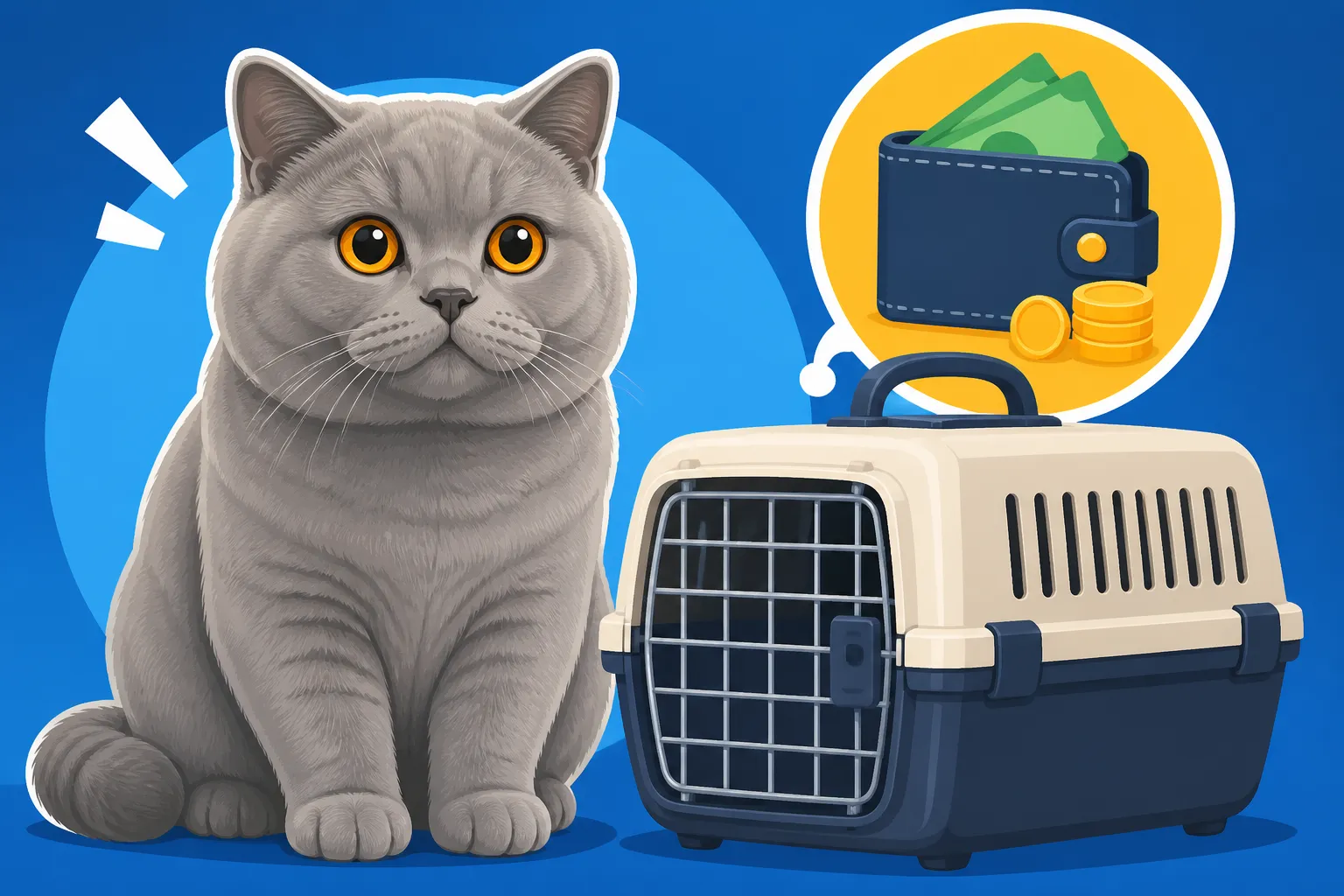
What a Carrier for a British Shorthair Costs
It’s a common scenario: you’re trying to get your beloved British Shorthair to the vet, perhaps for a routine check-up or because you suspect they might be showing Signs a British Shorthair Is Unwell, and the very thought of wrestling them into a carrier sends shivers down your spine. For many of us BSH parents, finding a carrier that’s not only safe and comfortable for our substantial felines but also a reasonable investment can feel like a daunting task. This guide is here to demystify the options and costs associated with British Shorthair carriers, helping you make an informed choice that works for both you and your furry companion.
Understanding Your British Shorthair's Carrier Needs and Why It's Not Just a Box
When it comes to transporting your British Shorthair, whether it's a quick trip to the groomer or a longer journey, a carrier isn't just a convenience; it's a necessity for their safety and your peace of mind. But not just any carrier will do for our wonderfully chunky, sometimes stubbornly calm BSH friends. Their unique physical characteristics and temperament mean we need to think a little differently.
Why British Shorthairs Need a Specific Type of Carrier
British Shorthairs are, by nature, a solid and substantial breed. They are known for their "cobby" build, meaning they are broad, muscular, and carry a good amount of weight. A male British Shorthair can easily tip the scales, sometimes weighing upwards of 15 pounds, and even females are typically much heavier than the average house cat. This isn't a breed that you can comfortably cram into a small, flimsy carrier designed for a more petite feline. Our British Shorthairs need space to stand up, turn around, and lie down comfortably. A carrier that's too small will not only be uncomfortable but can also cause unnecessary stress and anxiety, making the journey much more difficult.
Beyond their size, remember that many British Shorthairs are not exactly enthusiastic about being picked up. While they love to be near you, they often prefer their paws on the ground, and many owners quickly learn that A British Shorthair Will Not Be Picked Up without some resistance. Forcing them into a tiny, unstable carrier can turn an already reluctant interaction into a full-blown struggle. A sturdy, stable carrier that offers a sense of security, rather than feeling like a precarious cage, can make a world of difference. The sheer force and weight of a full-grown British Shorthair mean a cheap, flimsy carrier can easily bend, crack, or have its latches fail mid-transport, putting your beloved cat at risk.
The Importance of a Secure and Comfortable Carrier for Travel and Vet Visits
A good carrier is paramount for safety. During car travel, an unsecured cat can become a dangerous projectile in an accident or a distraction that causes an accident. A properly secured carrier, ideally belted into the back seat, protects your British Shorthair from impact and prevents them from escaping the vehicle if doors are opened. Imagine the panic if your BSH, already stressed from a car ride, managed to dart out into a busy street. The right carrier offers a contained, safe space.
Moreover, comfort in a carrier directly translates to reduced stress for your British Shorthair, which in turn reduces your stress. A cat that feels trapped and uncomfortable is far more likely to vocalize loudly, try to escape, or even soil their carrier. We want to make these necessary trips as calm as possible. When you take your British Shorthair to the vet, a carrier that allows for easy examination can be a huge bonus. Many vets appreciate carriers with tops that unlatch or multiple entry points, allowing them to assess your cat without the trauma of forcibly dragging them out. A positive association with their carrier, even if it's just a less negative one, makes future trips less of a battle. This is especially important for Caring for a British Shorthair Past Ten when vet visits might become more frequent.
Types of Carriers and Their Price Ranges
When you start looking for a carrier for your British Shorthair, you’ll quickly discover a wide array of options, each with its own advantages, disadvantages, and price tag. It's not a one-size-fits-all situation, especially for our distinctive British Shorthairs.
Soft-Sided Carriers: Pros, Cons, and Cost Implications
Soft-sided carriers are usually made from durable nylon, canvas, or similar fabric, often with mesh panels for ventilation. Their main appeal lies in their lightweight nature and portability. They often fold flat for easy storage, which is a blessing if you have limited space. For a British Shorthair that is generally calm and doesn't get overly anxious or destructive when confined, a soft-sided carrier can be a comfortable option for short trips, like a drive to the local park if you're attempting How to Leash Train a British Shorthair. Many offer plush bedding inside, which can be appealing to a cat who appreciates comfort.
However, soft-sided carriers come with significant drawbacks, particularly for a British Shorthair. Their flexible nature means they offer less protection in the event of an impact. A determined or anxious cat can sometimes claw through mesh panels or even unzip closures, leading to an escape risk. For a large, powerful cat like a British Shorthair, this can be a real concern. They also don't provide the same structural integrity as hard-sided options, meaning if another object bumps into them, there's less buffer for your cat. Cleaning can also be more challenging if your cat has an accident; while some have removable, washable liners, the fabric itself can absorb odors or stains. Prices for soft-sided carriers suitable for a large cat typically range from about $30 to $80, depending on the brand, size, and features.
Hard-Sided Carriers: Durability, Safety, and Investment
Hard-sided carriers, typically made of rigid plastic, are often considered the gold standard for pet transport, especially for larger or more anxious cats. Their robust construction offers superior protection against impacts, making them a safer choice for car travel. The solid walls provide a greater sense of security for many cats, acting as a den rather than an open cage. They are also incredibly easy to clean; a quick wipe down with a pet-safe cleaner is usually all it takes if an accident occurs, preventing lingering odors that can deter your cat from using it in the future.
One of the best features for British Shorthair owners is the prevalence of hard-sided carriers with top-loading doors or easy-to-remove tops. As we've discussed, getting a British Shorthair into a carrier can be a challenge, so being able to gently lower them in from the top, or have the vet easily lift the top off for an exam, significantly reduces stress for everyone involved. While they are bulkier and don't fold down, their durability means they can last for many, many years, making them a solid long-term investment. Expect to pay anywhere from $40 to $100 or more for a good quality hard-sided carrier large enough for a British Shorthair, with premium brands commanding higher prices.
Specialty Carriers: Backpacks, Wheeled, and Airline-Approved Options
Beyond the standard soft and hard-sided carriers, there are several specialty options designed for specific needs. Backpack carriers allow you to carry your cat on your back, freeing up your hands. While some British Shorthair owners might use these for short walks, remember the weight of a BSH, which can quickly become uncomfortable for the person carrying them. Wheeled carriers are like small suitcases for your cat, making it easier to transport heavier felines without straining your back. These can be excellent for navigating airports or long walks to the vet, but ensure the wheels are sturdy and the carrier remains stable.
Airline-approved carriers are a category in themselves. These are usually soft-sided (for under-seat placement) or hard-sided (for cargo travel, with strict ventilation and construction requirements). If you plan on flying with your British Shorthair, you must check the specific dimensions and requirements of your chosen airline, as they vary widely. These carriers often feature extra security measures, comfortable interiors, and enhanced ventilation. Due to their specialized design and often stricter manufacturing standards, specialty carriers tend to be at the higher end of the price spectrum, ranging from $60 to $150 or more. While convenient for specific situations, always prioritize your cat's comfort and safety. For general vet visits or short car trips, a standard hard-sided carrier often remains the best choice for a British Shorthair.
Factors Influencing Carrier Cost for Your British Shorthair
It’s easy to look at a price tag and wonder why one carrier is $40 and another, seemingly similar one, is $100. There are several key factors that contribute to the cost of a British Shorthair carrier, and understanding them can help you decide where to best allocate your budget.
Size and Material Quality: What You're Really Paying For
The size of the carrier is arguably the most significant cost driver when you have a British Shorthair. Because these cats are substantial – remember, How Big a British Shorthair Gets means they need room – you'll naturally need a larger carrier than for an average house cat. More material means a higher manufacturing cost, which is passed on to the consumer. Don't skimp on size; a carrier that's too cramped is simply not humane for any cat, let alone a large, round British Shorthair. Always aim for one where they can comfortably stand, turn around, and stretch out.
Beyond size, the quality of the materials plays a huge role. For hard-sided carriers, this means the thickness and durability of the plastic, the strength of the latches, and the quality of the door mechanism. Cheaper plastics can become brittle and crack, especially in extreme temperatures, and flimsy latches are a major escape risk. For soft-sided carriers, material quality refers to the strength of the fabric, the tear-resistance of the mesh, and the robustness of the zippers and seams. A high-quality carrier will use stronger, more resilient materials that can withstand your British Shorthair's weight and occasional attempts at escape. Investing in better materials upfront often means the carrier will last longer, potentially saving you money in the long run by not needing to replace it frequently.
Brand Reputation and Features: Are They Worth the Extra Expense?
Just like with any product, brand reputation can influence the price of a pet carrier. Established brands known for their quality, durability, and thoughtful design often come with a higher price tag. This isn't always just about the name; these brands typically invest more in research and development, using better materials and more rigorous testing to ensure their products are safe and effective. While a generic carrier might seem like a bargain, it's worth considering if it will truly stand up to the test of time, and more importantly, the strength of your British Shorthair. A reputable brand often provides better customer service and warranty options too.
Beyond the brand, additional features can significantly add to the cost. Think about things like:
- Multiple Entry Points: A top-loading door and a front door can be incredibly useful for getting a reluctant British Shorthair in or out.
- Removable, Washable Liners: While some basic carriers have these, premium versions might offer more luxurious, thicker, or specialized comfort pads.
- Secure Fastening Options: Loops for seatbelts or car seat anchors are a huge plus for car safety.
- Ventilation: More mesh or ventilation holes, strategically placed, can improve airflow and comfort.
- Storage Pockets: Handy for carrying treats, toys, or medical records.
- Collapsible Design (for soft-sided): Higher-end soft carriers might have more robust folding mechanisms or better structural support when expanded.
For a British Shorthair, features that enhance safety, ease of use (especially top-loading), and comfort are often worth the extra expense. For example, a carrier that allows your vet to conduct an exam without having to pull your cat out is invaluable. You might find a great selection of various types of carriers, including those with extra features, on sites like Chewy.
Where to Buy: Online vs. Pet Stores vs. Secondhand
The retail channel you choose will also impact the price.
- Online Retailers: Websites like Chewy or Amazon typically offer the widest selection and often the most competitive prices, especially for non-premium brands. You can easily compare models, read reviews, and have the carrier delivered directly to your door. The downside is that you can't physically inspect the carrier or test its size with your specific cat before purchasing.
- Specialty Pet Stores: Stores like Petco or PetSmart offer the advantage of letting you see and feel the carrier in person. You can check the latch mechanisms, assess the sturdiness, and even ask a staff member for advice. While prices might be slightly higher than online, the ability to ensure the carrier meets your British Shorthair's size requirements and your quality expectations can be worth the extra cost. Sometimes, they also have sales or loyalty programs.
- Local Veterinarian Offices: Some vet offices might sell carriers, often chosen for their vet-friendly features (like removable tops). These might be a bit pricier but are usually high-quality and vet-approved.
- Secondhand Market: Websites like Craigslist, Facebook Marketplace, or local charity shops can sometimes yield fantastic bargains on gently used carriers. However, inspect any secondhand carrier very carefully for cracks, broken latches, missing screws, or strong odors. Ensure it's thoroughly cleaned and disinfected before introducing your cat. While the initial cost might be lower, the quality and cleanliness might be a gamble.
When comparing costs, remember that a more expensive carrier might offer better longevity and safety, potentially saving you money on replacements or preventing expensive vet bills due to accidents or stress-related issues if your cat is injured during transport. Think of it as part of the overall What the First Year With a British Shorthair Costs and indeed, their entire lifespan.
Maximizing Your Carrier Investment and British Shorthair's Comfort
Buying a carrier is just the first step. To truly make it a worthwhile investment and ensure your British Shorthair is as comfortable as possible during those necessary trips, there are a few strategies you can employ.
Making the Carrier a Happy Place for Your Cat
One of the biggest struggles for cat owners is simply getting their cat into the carrier without a dramatic chase scene. British Shorthairs, with their calm yet often stubborn demeanor, can be particularly resistant if the carrier only ever appears when something "bad" is about to happen, like a trip to the vet. The key is to create positive associations long before you need to use it for travel.
- Leave it Out: Instead of tucking the carrier away in a closet, leave it out in a common area of your home. Treat it like a piece of furniture. Place a soft blanket or a favorite bed inside.
- Treats and Toys: Regularly place high-value treats or favorite toys inside the carrier. Let your British Shorthair explore it on their own terms. If they venture in, offer praise and more treats. You might even find they choose to nap in it!
- Pheromone Sprays: Consider using a feline calming pheromone spray inside the carrier about 15-20 minutes before you need to use it. These sprays can help reduce anxiety and make the carrier feel like a safer, more comforting space.
- Playtime: Use a wand toy to entice your British Shorthair to go into or around the carrier during playtime. Make it a game, not a chore.
- Practice Runs: Occasionally, once your cat is comfortable going in and out, practice closing the door for a few seconds, then opening it and offering a treat. Gradually increase the time the door is closed, and even try carrying the carrier for a short distance around the house. This desensitization can significantly reduce stress when it's time for a real trip. Understanding How to Get a British Shorthair Into a Carrier effectively will save you a lot of headaches.
Longevity and Maintenance: Getting the Most Out of Your Carrier
A good carrier is an investment, and like any investment, it benefits from proper care and maintenance. This ensures it remains safe, hygienic, and lasts for many years, avoiding the need for frequent replacements.
- Regular Cleaning: Even if your British Shorthair doesn't have an accident, it's a good idea to periodically clean the carrier. For hard-sided carriers, wipe down all surfaces with a pet-safe cleaner or a mild soap and water solution. Ensure it's thoroughly rinsed and dried to prevent any lingering chemical smells. For soft-sided carriers, remove any washable liners and wash them according to the manufacturer's instructions. Spot clean the fabric exterior as needed. Keeping it clean helps prevent odor buildup, which can deter your cat from entering it.
- Inspect for Wear and Tear: Before and after each use, give the carrier a quick inspection. Check latches, zippers, and doors to ensure they are functioning correctly and haven't become loose or broken. Look for cracks in plastic or tears in mesh panels that could compromise safety or lead to an escape. If you find significant damage, it's time to consider a replacement.
- Proper Storage: Store your carrier in a clean, dry place away from direct sunlight or extreme temperatures, which can degrade plastics or fabrics over time. If it's a soft-sided carrier that folds, ensure it's completely dry before folding it for storage to prevent mold or mildew.
- Update Comfort Items: Over time, the plush bed or blanket inside the carrier might flatten or wear out. Replace it with a fresh, soft item that your British Shorthair finds appealing. You can even swap out items from their regular sleeping spots to make the carrier feel more familiar and comforting.
- Consider Pet Insurance: While pet insurance like Healthy Paws doesn't cover the cost of a carrier, it can help with unexpected vet bills that necessitate frequent or emergency carrier use. Knowing you have support for potential health issues may make the investment in a high-quality, stress-reducing carrier feel even more worthwhile.
Taking these steps helps ensure your British Shorthair's carrier remains a safe, comfortable, and reliable means of transport throughout their long life.
Here's a quick comparison of carrier types to help you weigh your options:
| Carrier Type | Pros | Cons | Typical Cost Range (for BSH size) |
|---|---|---|---|
| Soft-Sided | Lightweight, portable, often foldable, comfortable interior | Less protective, potential for escape (chewing/ripping), harder to clean, less vet-friendly access | $30 – $80 |
| Hard-Sided | Very protective, durable, easy to clean, often top-loading | Bulky, heavier, not foldable for storage | $40 – $100+ |
| Specialty | Specific benefits (e.g., wheeled for heavy cats, hands-free) | Higher cost, often designed for niche uses, can still be bulky | $60 – $150+ |
Choosing the right carrier for your British Shorthair isn't just about the initial purchase price; it's about investing in their safety, comfort, and your peace of mind. While the initial outlay might seem like a lot, a good quality, appropriately sized carrier will serve you and your British Shorthair for years, making those necessary trips to the vet or beyond much less stressful for everyone involved. After all, a calm and secure cat makes for a happy owner, and that’s truly priceless.
Disclaimer
This article is for general informational purposes only and does not constitute professional advice. Laws, prices and regulations vary by location and change over time. Consult a qualified professional for guidance on your specific situation.