What a Weight Loss Diet Costs a British Shorthair Owner
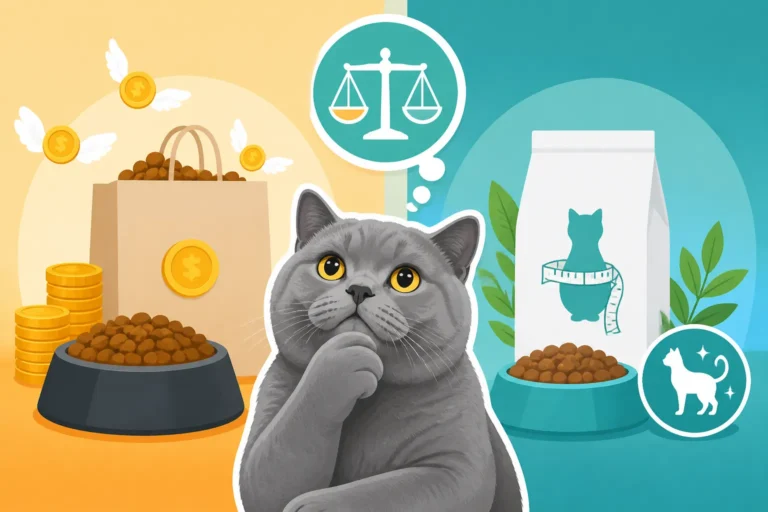
It’s a tale as old as time for many British Shorthair owners: you bring home this adorable, fluffy teddy bear, and before you know it, their charmingly solid build starts leaning a little too far into "rotund." The realization hits hard that your beloved companion is no longer just comfortably chunky but genuinely overweight. This often leads to the daunting task of putting them on a weight loss diet, a journey that can bring a surprising number of financial considerations you might not have anticipated. This guide will walk you through the various costs associated with helping your British Shorthair shed those extra pounds, from specialized food to vet visits and all the little things in between, so you can embark on this necessary path feeling prepared and informed.
Understanding Why a British Shorthair Needs a Weight Loss Diet
Before we even get to the numbers, it's really helpful to understand why British Shorthairs seem to stack on the pounds so easily. It's not usually a reflection of your care, but rather a combination of genetics, lifestyle, and a few common misconceptions. Recognizing these factors can help you commit to the diet and appreciate the investment you're making in your cat's long-term health.
The British Shorthair's Predisposition to Weight Gain
Let's be honest, part of the British Shorthair's immense appeal is their sturdy, "cobby" build and plush, dense coat. They look substantial, and it’s easy to mistake a healthy, well-muscled cat for one that's carrying a bit too much weight. Their round faces and deep chests are part of their charm, but they also make it harder to spot the subtle signs of weight creep until it becomes a significant issue. Many owners find themselves asking How to Tell a Chunky British Shorthair From a Fat One because the visual cues are so tricky with this breed.
Beyond their looks, British Shorthairs are typically calm, laid-back, and not overly energetic. They're more likely to enjoy a long nap in a sunny spot than a vigorous chase around the house. This lower activity level means they naturally burn fewer calories than a more active breed. If their calorie intake doesn't match their output, even a seemingly modest amount of food can quickly lead to weight gain. Think of it this way: a cat that spends most of its day napping simply doesn't need as much fuel as one that's constantly exploring or playing. This genetic predisposition, combined with their sedentary tendencies, means that owners often have to be incredibly diligent about portion control from day one, which we'll discuss further in Why Free Feeding Ruins a British Shorthair.
The Health Risks That Drive the Need for a Diet
The motivation behind a weight loss diet for your British Shorthair isn't just about aesthetics; it's profoundly about preventing serious health problems. The extra weight isn't just sitting there innocently; it's actively impacting every system in your cat's body. The vet might have already given you a stern talking-to about this, which can be a worrying experience.
One of the most common and serious risks is Diabetes in a British Shorthair. Overweight cats are significantly more prone to developing feline diabetes, which requires daily insulin injections, special diets, and regular vet check-ups for the rest of their lives. The cost of managing diabetes can be substantial, involving insulin, syringes, specific diabetic foods, and frequent glucose monitoring. Then there's the strain on their skeletal system. What Obesity Does to a British Shorthair's Joints is a very real concern. Their sturdy build can be deceptive; those extra pounds put immense pressure on their joints, leading to or worsening conditions like arthritis, especially as they get older. This means more vet visits, pain medication, and potentially joint supplements.
Furthermore, obesity can lead to fatty liver disease (hepatic lipidosis), respiratory issues due to fat pressing on their lungs, and even make surgical procedures riskier if they ever need them. The costs associated with diagnosing and treating these secondary conditions are often far higher than the cost of a preventative weight loss diet. This is why addressing the weight issue head-on, even if it seems expensive, is truly an investment in your cat's health and your peace of mind. As we discuss in Obesity Is the British Shorthair's Real Disease, it's not a trivial matter.
The Direct Costs of Specialized Weight Loss Food
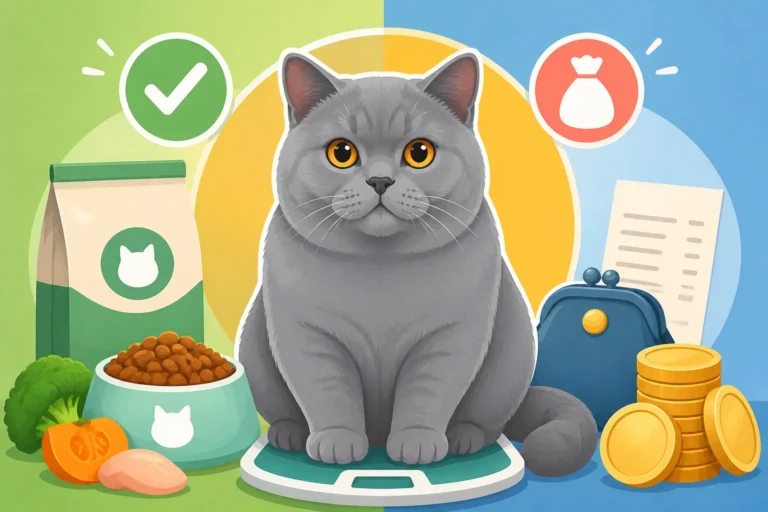
Once your vet confirms that your British Shorthair needs to lose weight, the first and often most significant direct cost you'll encounter is specialized food. This isn't just about buying a different bag of kibble; it's about investing in a carefully formulated diet designed to help your cat safely shed pounds while maintaining muscle mass and feeling full.
Prescription Versus Over-the-Counter Weight Management Foods
You'll likely find two main categories when looking for weight loss food: prescription diets and over-the-counter (OTC) weight management foods. The choice between them often depends on the severity of your cat's obesity, any underlying health conditions, and your vet's recommendation.
Prescription weight loss diets are formulated by veterinary nutritionists and are specifically designed to be lower in calories but still highly nutritious, often with increased fiber and protein to promote satiety. These foods require a veterinary prescription, meaning your cat needs to have been evaluated by a vet who agrees this specific diet is appropriate. Brands like Royal Canin Veterinary Diet, Hill's Prescription Diet, and Purina Pro Plan Veterinary Diets are common in this category. These diets tend to be more expensive per bag or can than standard cat food, and for good reason—they're backed by research and developed to achieve a specific medical outcome. You might find these foods through your vet's office directly, or through online retailers like Chewy, who require you to submit a vet's prescription before shipping. This can add a layer of convenience, but the price point generally remains higher than your typical grocery store brand.
On the other hand, over-the-counter (OTC) weight management foods are readily available at pet stores or online without a prescription. These foods are generally lower in calories than regular adult cat food and often boast higher protein or fiber content. Brands like Blue Buffalo, Merrick, or even specific "light" formulas from larger brands fall into this category. They can be a good starting point for a cat that's only mildly overweight or as a maintenance food after significant weight loss. However, they may not be as precisely calibrated for significant weight loss as prescription diets. Their cost is typically less than prescription foods but still often more than basic adult cat food. When comparing options, remember to look beyond just the price per bag and consider the feeding guidelines – sometimes a more expensive food requires less per serving, balancing out the cost.
The Long-Term Investment in Quality Ingredients
It's tempting to opt for the cheapest option when faced with the higher price tags of weight loss foods, but it's important to view this as a long-term investment. Quality ingredients in a weight loss formula are paramount for your British Shorthair's health and the success of the diet. A cheaper, lower-quality food might be less satisfying, leaving your cat feeling hungry and leading to begging behavior, making the diet harder for both of you.
Higher-quality weight loss foods often contain more digestible proteins, which help maintain muscle mass while your cat is losing fat. They also tend to have a balanced blend of fiber to help your cat feel full, prevent constipation, and support gut health. While the upfront cost might be higher, consider the potential savings on future vet bills for obesity-related illnesses. Investing in a nutritionally sound diet now can prevent costly treatments for diabetes, arthritis, or liver issues later. Some owners even explore fresh, human-grade food options, which are usually a premium choice in terms of cost. However, for some British Shorthair owners, the peace of mind and visible health improvements justify the expense. Ultimately, when considering What a British Shorthair Costs a Month on a Weight Diet, the food itself will be a major component.
| Food Type | General Cost Shape (per unit) | Benefits | Considerations |
|---|---|---|---|
| Prescription Dry Kibble | Higher | Vet-formulated for targeted weight loss, often high in fiber/protein, scientifically backed. | Requires vet prescription, most expensive, specific ingredients might not suit all cats. |
| Prescription Wet Food | Highest | Excellent for hydration, often very palatable, good for satiety. | Can be very expensive, might not be suitable for free-feeding (if allowed by vet). |
| OTC Weight Management Dry | Moderate | More accessible, generally lower calorie than standard food, good starting point. | May not be as potent for significant weight loss, less precise formulation. |
| OTC Weight Management Wet | Moderate-High | Aids hydration, good for satiety, often palatable. | Can add up quickly, consistency can vary between brands. |
| Fresh/Human-Grade | Premium | High quality, highly digestible ingredients, excellent calorie control, very palatable. | Significantly more expensive, requires refrigeration, careful portioning. |
Indirect Costs and Ongoing Management
Putting your British Shorthair on a weight loss diet isn't just about swapping out their food; it's a comprehensive management plan that involves ongoing monitoring, sometimes additional supplements, and even specialized toys. These indirect costs can add up, but they are crucial for the safety and success of your cat's weight loss journey.
Regular Vet Visits and Monitoring
One of the most vital components of a safe and effective weight loss program for your British Shorthair is regular veterinary oversight. This isn't a one-and-done appointment; it's a series of visits that will incur costs over time. Typically, your vet will want to see your cat for regular weigh-ins and body condition scoring, perhaps every 4-6 weeks initially, to track their progress and make necessary adjustments to their diet. Each of these visits will have a consultation fee.
During these appointments, your vet might also recommend blood tests to rule out any underlying metabolic conditions that could be contributing to weight gain or hindering weight loss, such as Hyperthyroidism in an Older British Shorthair, although this condition usually causes weight loss. More importantly, bloodwork can help ensure your cat's organs are functioning well and that the diet isn't causing any deficiencies or issues. For instance, sometimes rapid weight loss in cats can lead to liver problems, so monitoring liver enzymes might be necessary. These tests, while incredibly important, add to the overall cost. Additionally, if your British Shorthair is particularly heavy, getting an accurate weight on a standard veterinary scale might require some patience and gentle handling, potentially adding to the time and complexity of the visit. It's an investment in ensuring the diet is working for your cat, not against them. For more on what these visits might entail, you can look into How Often an Old British Shorthair Needs Weighing or What a British Shorthair's Yearly Bloodwork Should Cover.
Supplements and Enrichment to Support Weight Loss
Beyond the food itself, you might find yourself investing in various supplements and enrichment items to aid your British Shorthair's weight loss. If your cat has been overweight for a while, their joints might already be suffering. Your vet may recommend joint supplements containing glucosamine and chondroitin, or even Omega-3 fatty acids, to support joint health and alleviate discomfort during increased activity. While these aren't typically expensive on their own, they become a recurring monthly cost. Similarly, some weight loss diets, especially those high in fiber, might require you to ensure your cat is drinking enough water, potentially leading to the purchase of a cat water fountain, which has an initial cost plus ongoing filter replacements.
Then there's the critical aspect of encouraging activity, especially for a famously sedate breed like the British Shorthair. This is where enrichment comes in. Puzzle feeders are an excellent investment; they make your cat "work" for their food, slowing down mealtime and stimulating their minds. Brands like PetSafe or Trixie offer various puzzle feeders, ranging from simple balls to more complex mazes. These have an upfront cost but can last a long time. Interactive toys, such as wand toys with feathers or small plush items, are also essential to get your British Shorthair moving. While they might not be as enthusiastic as other breeds, even short, regular play sessions can make a difference. These toys need to be engaging and durable enough to withstand their strong paws. You might find yourself experimenting with different types, leading to a small but steady expenditure on toys. For ideas on getting them moving, consider How to Get a British Shorthair to Move.
It's also worth considering pet insurance, like Healthy Paws. While most pet insurance policies don't cover the cost of prescription weight loss food itself (as it's considered a routine dietary expense), they can be a lifesaver if your British Shorthair develops obesity-related complications like diabetes or severe arthritis. Surgical procedures, emergency treatments, or ongoing medication for these conditions can be incredibly expensive, and a good insurance policy can significantly offset those costs. The monthly premium for pet insurance is an additional indirect cost, but it provides a financial safety net for unexpected health crises.
The "Cost" of Time and Dedication
While not a monetary figure you'll see on a bill, the "cost" of your time and dedication is arguably the most significant investment you'll make in your British Shorthair's weight loss journey. This breed is known for its quiet, sometimes stubborn, nature, and getting them to enthusiastically embrace a new diet and exercise routine can be a challenge.
First, there's the strict adherence to portion control. No more free-feeding, if that was your routine. You'll need to measure out every meal precisely, which can take a few extra minutes each day. If you have multiple cats, you might even need to feed your British Shorthair separately using a microchip-activated feeder to prevent them from stealing food, which is another upfront expense for the feeder itself.
Then there's the commitment to regular play and engagement. It means actively coaxing your British Shorthair off the sofa and engaging them in short bursts of play, even when they'd rather just watch. This requires patience, consistency, and a willingness to try different toys and techniques to find what sparks their interest. It’s not always easy to motivate a cat that would rather stay still, and it can feel like a chore sometimes, but it's crucial for calorie burning and muscle maintenance.
The mental load of managing a diet, tracking progress, and communicating with your vet is also a "cost." You'll be constantly aware of what your cat is eating, how much they're moving, and monitoring for any subtle signs of discomfort or changes in their health. This ongoing attention is a form of emotional and mental labor that dedicated owners willingly take on, but it's important to acknowledge its presence. After all, the goal is not just weight loss, but a healthier, happier The Twelve to Seventeen Years a British Shorthair Gets.
Strategies for Minimizing the Financial Strain
While putting your British Shorthair on a weight loss diet involves various costs, there are definitely ways to manage and minimize the financial strain without compromising your cat's health. It's all about being savvy, resourceful, and proactive.
Comparing Food Options and Buying in Bulk
The most significant recurring cost is often the specialized food itself. Don't just stick to the first brand your vet mentions, especially if it's a prescription diet. Ask your vet if there are equally effective alternative brands or formulations that might be more budget-friendly. Sometimes, different manufacturers offer similar prescription diets at varying price points.
Once you've identified a suitable food, shop around. Compare prices between your vet's office, local pet stores, and reputable online retailers like Chewy. Online stores often have competitive pricing, subscription discounts, or special promotions. If you're buying prescription food, remember to ensure the online retailer can verify your vet's prescription easily.
Buying in bulk can also lead to significant savings. Larger bags of dry kibble typically have a lower price per pound than smaller ones. If you have the storage space and your cat enjoys the food, purchasing the largest bag available can be a smart move. Just be sure to check the expiration date and store the food properly in an airtight container to maintain freshness. For wet food, look for cases rather than individual cans. While the initial outlay might be higher, the long-term savings can be substantial.
DIY Enrichment and Creative Play
You don't need to spend a fortune on fancy gadgets to get your British Shorthair moving. There are plenty of low-cost, even free, ways to provide mental stimulation and encourage physical activity.
- Homemade Wand Toys: A simple stick or dowel with a piece of string and some feathers or crinkly paper attached can be just as enticing as a store-bought wand toy. Cats often respond well to novelty, so rotating homemade toys can keep them engaged.
- Cardboard Box Mazes: Don't throw out those Amazon boxes! Cut holes in them, arrange them into a tunnel or a multi-room maze, and hide treats inside. This provides an engaging, low-cost "playground" that can be rearranged to keep things interesting.
- Food Dispensing Toys from Household Items: A clean, empty toilet paper roll with a few small holes cut into it, stuffed with a portion of their kibble, can become an instant puzzle feeder. Your cat has to bat it around to get the food out.
- Laser Pointers (Used Responsibly): While controversial for some, a laser pointer can be a great way to get a sedentary cat to chase and stalk. The key is to always end a laser session by letting your cat "catch" something real, like a toy or a treat, to prevent frustration.
- Designated Playtime: The most effective "cost-saving" strategy for enrichment is simply dedicating consistent time each day to play with your cat. Even 10-15 minutes, two or three times a day, can make a huge difference. Your attention and interaction are priceless motivators. This ties into the discussion on How Much Play a British Shorthair Needs.
Leveraging Vet Guidance and Support
Your veterinarian is your most valuable resource throughout this process, not just for diagnostics but also for practical advice on managing costs. Don't be afraid to have an honest conversation with them about your budget.
- Discuss Budget-Friendly Options: Ask your vet if there are more affordable food options that would still be effective for your British Shorthair. They might know of different brands or formulations, or even suggest a combination of prescription and OTC foods that work.
- Payment Plans and Discount Programs: If significant costs like blood tests or treatments for complications arise, ask your vet's office about payment plans or veterinary credit cards that offer deferred interest. Some clinics also offer wellness plans that can bundle routine visits and some diagnostics at a lower monthly cost.
- Local Resources: Your vet might be aware of local low-cost clinics for weigh-ins or specific diagnostic tests. They may also know about pet food banks or assistance programs if you are facing severe financial hardship.
- Body Condition Scoring at Home: Ask your vet to teach you how to accurately body condition score your British Shorthair at home. This can help you monitor their progress between visits and ensure you're on the right track. This means learning How to Feel a British Shorthair's Ribs Through the Plush, which can be surprisingly tricky due to their dense coat.
By actively engaging with your vet, exploring different options, and being creative with enrichment, you can successfully navigate the financial aspects of a British Shorthair weight loss diet, leading to a healthier and happier life for your beloved companion. The payoff in their improved well-being and longevity is truly priceless.
Disclaimer
This article is for general informational purposes only and does not constitute professional advice. Laws, prices and regulations vary by location and change over time. Consult a qualified professional for guidance on your specific situation.