Whether Eye Color Changes a British Shorthair’s Price
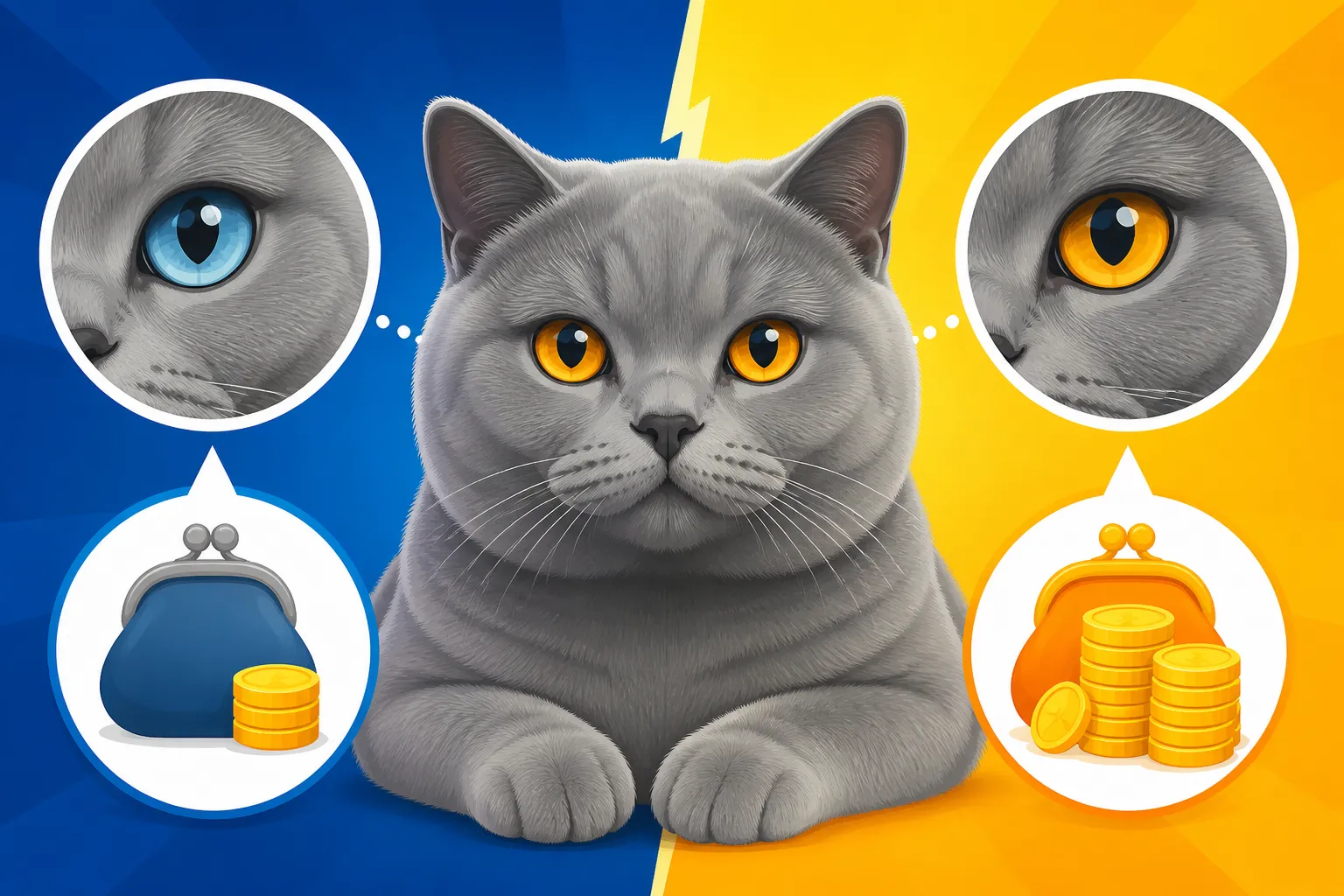
It’s completely understandable to look at those utterly charming British Shorthair faces, with their plush coats and often striking eyes, and wonder if certain features, like a particularly vibrant eye color, might influence the price you pay. After all, when you’re making such a significant investment in a new family member, you want to know all the ins and outs. The truth is, while eye color certainly contributes to the overall beauty and breed standard, it’s rarely a direct, standalone factor that shifts a British Shorthair's price tag up or down on its own.
Understanding British Shorthair Pricing Beyond the Basics
Before we dive into the specifics of eye color, it's crucial to grasp what truly dictates the cost of a British Shorthair kitten. Many factors play a much larger role than a specific shade of gold or blue in their gaze. Getting a clear picture of these core elements will help you appreciate why certain prices are set.
The Core Factors That Drive British Shorthair Costs
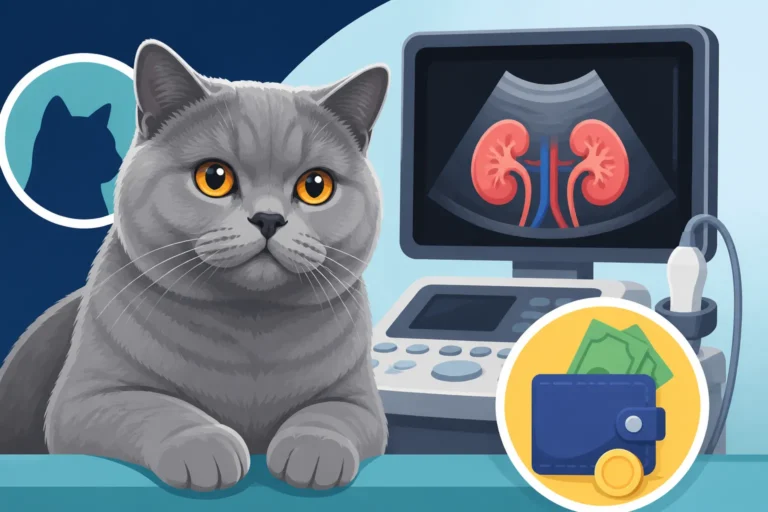
When you’re looking at the price of a British Shorthair, you’re primarily paying for the breeder's dedication, the health of the lineage, and the overall quality of the kitten according to the breed standard. Reputable breeders invest an incredible amount of time, effort, and money into ensuring their cats are healthy, well-socialized, and true to type. This includes extensive health screening for genetic conditions like Hypertrophic Cardiomyopathy (HCM) and Polycystic Kidney Disease (PKD), as well as careful management of blood lines to avoid issues like neonatal isoerythrolysis (which is tied to blood type incompatibilities).
Consider the rigorous health testing that parents undergo, not just the kittens themselves. This can include regular echocardiograms for HCM, DNA tests for PKD and Hemophilia B, and blood typing. All of these tests are crucial for the health of the breed and directly contribute to the cost. A breeder who cuts corners on these screenings might offer a lower price, but you could end up paying far more in vet bills down the line. Furthermore, the pedigree of the cat – how many champions are in its lineage, the quality of its parents – also plays a significant role. This is why it’s so important to understand What a British Shorthair Kitten Costs From a Breeder and to be aware of The 2026 Price Range for a Health Tested British Shorthair. A higher price often reflects a higher level of care, health assurance, and adherence to breed standards.
Why Aesthetics Can Influence Price But Not Eye Color Directly
While eye color itself isn't a primary price influencer, overall aesthetics certainly contribute to a cat's "type" and desirability, which can impact price. We're talking about that classic British Shorthair look: the round head, full cheeks (jowls on males!), cobby body, dense coat, and powerful, short legs. A kitten that embodies these traits perfectly, displaying excellent bone structure and coat density, will naturally command a higher price, especially if it's considered show quality.
The color of the coat can also influence price. Certain colors, like the iconic British Blue, or rarer shades such as cinnamon, fawn, or golden shaded, might have a premium attached due to their demand or the difficulty in consistently breeding them to standard. For example, Why a Blue British Shorthair Costs More Than Any Other Color is a common question, and it's often due to popularity and perceived rarity. Eye color, in this context, is typically an inherent part of the overall color package rather than a separate feature that gets its own price adjustment. For instance, a blue British Shorthair should have copper or gold eyes according to the breed standard, so a particularly brilliant set of copper eyes isn't an "extra" but rather a confirmation of excellent type within that color.
The British Shorthair Eye Color Spectrum
Understanding the typical eye colors for British Shorthairs can help clarify why some expectations might be misplaced when it comes to pricing. It’s not a free-for-all of colors; specific genes link coat and eye color.
Common and Desired Eye Colors
The most common and arguably iconic eye color for a British Shorthair, especially for the well-known blue variety, is a deep, rich copper or gold. This warm, luminous shade contrasts beautifully with the dense, cool blue-grey coat, creating that classic "teddy bear" look. Many people adore this particular combination, and it's a hallmark of the breed's appearance. You’ll find that Which Eye Colors a British Shorthair Has largely depends on their coat color.
For British Shorthairs with silver tabby or silver shaded coats, green eyes are the preferred standard. This can range from a light gooseberry green to a more intense emerald, again creating a striking contrast with their patterned fur. Then there are the colorpoint British Shorthairs, which have Siamese-like markings (darker points on ears, face, paws, and tail) and, like Siamese, must have blue eyes. This is a genetic requirement of the colorpoint gene. So, while you might have a preference, the appropriate eye color is actually dictated by the cat's genetics and coat color.
How Eye Color Develops in Kittens
If you’ve ever seen a litter of British Shorthair kittens, you'll notice a common trait: all kittens are born with blue eyes. This isn't unique to British Shorthairs; it's true for most cat breeds. The melanin that determines eye color hasn't fully developed yet. Over the first few weeks and months of their lives, as they mature, their true eye color will begin to emerge. This change is often quite gradual, and it can take up to a year, sometimes even longer, for the eye color to fully settle into its permanent adult shade.
It can be a fun process to watch, but it also means that a breeder can't definitively tell you the exact shade of eye color a very young kitten will have. They can tell you what color it should develop based on its parents and coat color genetics, but the intensity can vary. This developmental aspect further reinforces why eye color isn't a fixed, marketable feature early on. If you're wondering Whether a British Shorthair Kitten's Eye Color Lasts, the answer is usually no; their baby blues will change.
Genetic Linkages: Coat Color and Eye Color
The relationship between a British Shorthair's coat color and eye color is not coincidental; it's deeply rooted in genetics. Specific genes control the production and distribution of melanin, which affects both fur and eye pigmentation. For instance, the gene that causes a cat to be a solid blue or lilac also tends to dictate that the eyes will be copper or gold. Similarly, the genes for silver tabbies naturally lead to green eyes, and the temperature-sensitive gene responsible for colorpoint patterns mandates blue eyes.
This means a breeder isn't trying to "breed for copper eyes" or "breed for green eyes" in isolation. They are breeding for a specific coat color and pattern, and the appropriate eye color is a natural, expected outcome of those genetics. You won't find a reputable breeder selling a "rare" blue British Shorthair with green eyes, because such a combination would indicate a deviation from the breed standard or potentially an unrecorded outcross, which would be undesirable in purebred lines.
Why Eye Color Alone Rarely Changes the Price Tag
Given the strong genetic ties and breed standards, eye color doesn't typically operate as an independent variable in pricing. It's part of a larger picture, and deviations usually detract from value rather than adding to it.
The Breed Standard's Focus
The British Shorthair breed standards, as set by major cat registries like the Cat Fanciers' Association (CFA) or the Governing Council of the Cat Fancy (GCCF), are comprehensive documents that describe the ideal characteristics of the breed. These standards cover everything from head shape and body type to coat texture, length, and color, and yes, eye color. However, eye color is almost always described in conjunction with the coat color. For example, the standard for a solid blue British Shorthair will specify "copper or gold eyes." It won't say "exceptionally vibrant copper eyes are worth more."
The emphasis is on the correct eye color for the specific coat, and the intensity and consistency of that color. A cat with clear, deep copper eyes (as opposed to duller, less expressive ones) will be seen as a better example of the breed, but this perfection is part of the overall "type" that contributes to a show-quality cat's value, not a separate line item. Which Registry Standard a British Shorthair Is Judged Against will provide more detail on these specific requirements.
The Reality for Pet vs. Show Quality
When you're looking for a pet British Shorthair, your priorities are generally health, temperament, and overall appeal. While a beautiful eye color is a lovely bonus, it's not usually what a pet owner is willing to pay extra for. They want a friendly, healthy, well-adjusted companion who will thrive in their home. A slightly less intense eye color on a otherwise perfect pet kitten simply isn't a significant price factor.
For show quality British Shorthairs, it’s a different story, but even then, eye color isn't a standalone premium. A show cat must be as close to the breed standard as possible in every single aspect. This includes having the correct, rich, and intense eye color for its coat. A cat that achieves this level of perfection in all its features – head, body, coat, and eye color – will indeed be more expensive, but it's the sum of all these perfect parts that commands the higher price, not just the eyes. A breeder isn't charging extra for the eye color; they're charging for the overall superior quality and adherence to the breed standard. This distinction is key when considering What Separates a Pet From a Show British Shorthair.
When Eye Color Might Indicate an Issue or a Mix
In some rare instances, an unusual eye color for a specific coat type might actually decrease a cat's value or indicate a breeding anomaly. For example, if a solid blue British Shorthair inexplicably developed green eyes, this would be a fault in the breed standard and would mean the cat could not be shown or bred to standard. It might even suggest an unrecorded cross-breeding, making the cat less desirable as a purebred.
There are exceptions, of course, like white British Shorthairs, which can sometimes be odd-eyed (one blue, one gold/copper) or have blue eyes. For these cats, the eye color is specifically recognized within the standard, and it doesn't necessarily detract from their value, though deafness can be a concern with blue-eyed white cats. If you’re curious about specific variations, you can look into Whether an Odd Eyed British Shorthair Is Standard. However, generally speaking, an "incorrect" eye color for a given coat would signify a flaw, not a premium feature.
Beyond Eye Color: What Really Increases or Decreases a British Shorthair's Price
If eye color isn't the main driver, what should you really be focusing on when assessing a British Shorthair's price? It boils down to a combination of health, lineage, and the integrity of the breeder.
Health Screening and Pedigree
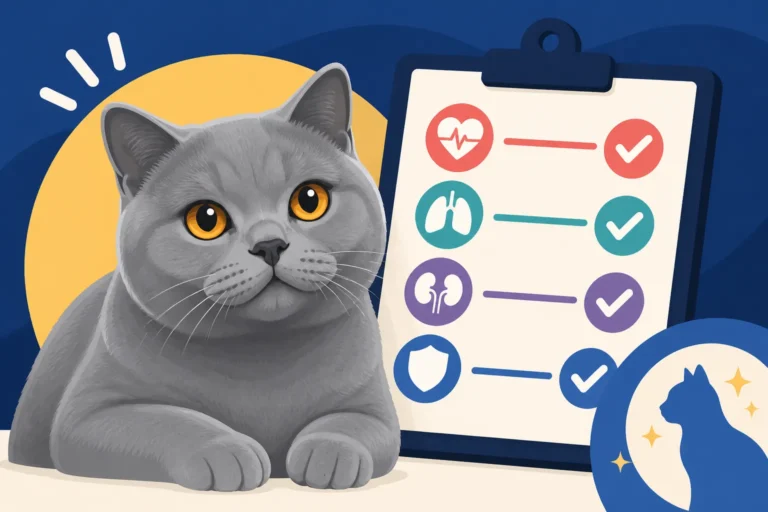
This is, without a doubt, the most important factor in a British Shorthair's price. A reputable breeder invests significantly in genetic health testing for both parent cats. They screen for common breed-specific issues like Hypertrophic Cardiomyopathy (HCM) through regular echocardiograms, Polycystic Kidney Disease (PKD) via DNA tests or ultrasound, and ensure appropriate blood types to prevent neonatal isoerythrolysis in kittens. These tests are expensive, but they are critical for ensuring you bring home a healthy kitten with the best possible start in life.
A breeder transparently providing results for What a British Shorthair Breeder Should Have Tested or emphasizing The Screening a British Shorthair Breeder Cannot Skip is often a sign of a responsible program, and these costs are factored into the kitten's price. Skipping these tests to offer a cheaper kitten is a red flag. Furthermore, a strong pedigree, with champion lines and proven healthy ancestors, also adds value. This isn't about snobbery; it's about investing in genetics that have been carefully managed for health, temperament, and adherence to the breed standard over generations. You want a kitten whose lineage supports a long, healthy life, not just one with pretty eyes.
Rarity of Coat Color or Pattern
While eye color is linked to coat color, some coat colors themselves are genuinely rarer or more challenging to produce. These truly rare colors might influence the price. For example, solid black, chocolate, cinnamon, fawn, or specific shaded patterns like golden shaded can sometimes command a higher price than a more common solid blue or cream. These colors require specific genetics that can be harder to achieve consistently in a breeding program.
If you’re looking at a British Shorthair in one of these less common colors, the price might be higher due to the rarity of the coat, and its associated correct eye color will simply be part of that package. For instance, What a Golden Shaded British Shorthair Costs might be higher than a blue, not because of the green eyes that typically accompany it, but because of the intricate genetics required for that stunning golden shade. Similarly, What a Cinnamon British Shorthair Costs can reflect its less common status.
The Breeder's Investment and Ethics
Ultimately, the price of a British Shorthair reflects the breeder's ethical practices and the investment they make in their cattery. This goes far beyond just genetics. It includes:
- Veterinary Care: Comprehensive vet check-ups for parents and kittens, vaccinations, deworming, and early spay/neuter before kittens go to new homes.
- Nutrition: High-quality food for both adult cats and growing kittens. Many breeders use premium foods for optimal health.
- Socialization: Kittens raised in a loving home environment, handled regularly, and exposed to various sights and sounds, which shapes their temperament.
- Time and Effort: The countless hours spent caring for pregnant queens, assisting with births, hand-rearing if necessary, cleaning, playing, and screening potential buyers.
- Support: A reputable breeder provides ongoing support and advice to new owners throughout the cat's life.
When you purchase from a responsible breeder, you're not just buying a kitten; you're buying peace of mind and the assurance of a healthy, well-adjusted pet. They'll also provide a contract outlining guarantees and responsibilities, like What a British Shorthair Contract Says About Screening. This comprehensive care and commitment are what truly justify a British Shorthair’s price, not merely the shade of its beautiful eyes. Thinking about future costs, getting pet insurance from providers like Healthy Paws can help manage unexpected veterinary expenses, highlighting the importance of starting with a healthy kitten.
Here's a quick overview of how various factors typically influence the price:
| Factor | Influence on Price | Explanation |
|---|---|---|
| Health Testing | Significantly High | Breeder's investment in screening for HCM, PKD, blood type, etc., crucial for kitten health. |
| Pedigree/Champion Lines | High | Reflects genetic quality, adherence to breed standard, and proven lineage. |
| Breeder Reputation | High | Ethical practices, socialization, health guarantees, and ongoing support from a reputable breeder. |
| Overall "Type" | High | How well the cat embodies the breed standard in terms of head, body, coat, and general conformation. |
| Rarity of Coat Color | Moderate | Specific, less common colors (e.g., cinnamon, golden shaded) can command a premium due to breeding difficulty or demand. |
| Location | Moderate | Prices can vary based on regional demand, cost of living for breeders, and veterinary expenses in different areas. |
| Eye Color (Alone) | Minimal/None | Eye color is genetically linked to coat color and is part of the overall "type." It doesn't typically add a separate premium by itself. |
| "Incorrect" Eye Color | Negative | An eye color that deviates from the breed standard for a given coat would be considered a fault and reduce value. |
Disclaimer
This article is for general informational purposes only and does not constitute professional advice. Laws, prices and regulations vary by location and change over time. Consult a qualified professional for guidance on your specific situation.