Which British Shorthair Colors Cost the Most
It’s a common question that pops up when you're dreaming of bringing a British Shorthair into your home: "Does the color affect the price?" You might be surprised to learn that, yes, absolutely, some British Shorthair colors can indeed cost significantly more than others. This guide is going to walk you through exactly why certain shades command a premium, what factors beyond color also play a huge role in the final price tag, and how to navigate the market to find your perfect, plush companion.
The Foundation of British Shorthair Pricing Beyond Color
Before we even dive into the rainbow of British Shorthair colors, it’s crucial to understand that the initial price of a kitten is built upon a bedrock of ethical breeding practices, health guarantees, and the cat’s potential. Thinking that color alone dictates cost would be like assuming a car's paint job is the sole factor in its price, ignoring the engine, safety features, and manufacturer's reputation. A good breeder invests heavily in their cats, and that investment is reflected in the adoption fee, regardless of the kitten's hue. If you’re seeing a British Shorthair advertised at a price that seems too good to be true, especially under a certain threshold, it's often a sign that corners might have been cut. It's always a good idea to research What a British Shorthair Sold Under a Thousand Signals.
Breeder Reputation and Experience
A breeder's reputation and years of experience are paramount. Established breeders, those who have dedicated years, sometimes decades, to understanding British Shorthair genetics, temperament, and health, will naturally command higher prices. They aren’t just selling kittens; they're selling the culmination of careful selection, extensive research, and unwavering commitment to the breed standard and welfare. These are the individuals who can articulate the nuances of What a British Shorthair Should Weigh at Two Years or explain the intricacies of specific health screenings.
They participate in cat shows, invest in continuing education, and are often active in breed clubs. This experience translates into healthier, well-socialized kittens who are true to type. They know their lines inside and out, understanding their cats' personalities, potential genetic predispositions, and how to match a kitten to the right home. Their advice and support don't end the day you take your kitten home; they often offer a lifetime resource for their adoptive families, which is invaluable.
Health Testing and Guarantees
This is perhaps the single most important factor impacting a British Shorthair's price, far outweighing color in terms of long-term owner satisfaction and peace of mind. Responsible breeders conduct extensive health screenings on their breeding cats for genetic conditions relevant to the British Shorthair breed. These tests can include echocardiograms for Hypertrophic Cardiomyopathy (HCM), DNA tests for Polycystic Kidney Disease (PKD), and blood typing, particularly when dealing with specific pairings.
Each of these tests costs money, and these costs are factored into the kitten's price. For example, regular cardiac screening for HCM is crucial, as The Yearly Echo That Replaces a British Shorthair Gene Test is the primary way to monitor for this condition. A breeder who proudly shares these health clearances and offers a health guarantee is demonstrating a commitment to producing healthy kittens. This upfront investment significantly reduces the risk of heartbreaking and expensive veterinary bills down the line. Don't be shy about asking Which Health Results a British Shorthair Breeder Must Show.
Show Quality vs. Pet Quality
Even within a litter from the same parents, there can be a price difference between "pet quality" and "show quality" kittens. A show quality British Shorthair is one that closely adheres to the breed standard in terms of conformation, coat, eye color, and temperament. These kittens might be destined for the show ring, or potentially for future breeding programs, and therefore command the highest prices.
Pet quality kittens, while still purebred and just as wonderful companions, might have minor imperfections that make them unsuitable for showing or breeding, such as an incorrect eye color for their coat, a slightly longer nose, or ears that are a tad too large. These are often superficial traits that have no impact on their health or suitability as a beloved family member. They are often sold with spay/neuter contracts to ensure they live as pampered pets rather than contributing to breeding programs.
Why Certain British Shorthair Colors Command a Premium
Once those foundational costs are covered, then, and only then, does color begin to play a significant role in determining a British Shorthair's price. Certain colors are simply more difficult to produce, rarer, or historically more sought after, leading to higher demand and, consequently, higher prices.
The Enduring Appeal of British Blue
The British Blue is arguably the most iconic and recognizable British Shorthair color. When most people picture a British Shorthair, they envision that dense, plush, grey-blue coat with striking copper or gold eyes. This classic look, popularized by media and even cartoon characters, has created a steady and high demand. While not genetically "rare" in the way some other colors are, its popularity ensures that breeders can ask a premium because so many prospective owners desire this specific aesthetic.
The demand for the classic blue remains consistently high, year after year. Breeders often have longer waiting lists for blue kittens, and the strong market allows them to price these kittens towards the upper end of their range. It’s a testament to the power of a signature look. While other colors are gaining popularity, the blue continues to hold its own as a premium choice.
Rarity and Demand for Exotic Shades
Beyond the iconic blue, there are a host of "exotic" colors that are less common, more challenging to breed consistently, and therefore fetch higher prices. These can include chocolate, lilac, cinnamon, and fawn. These colors are recessive, meaning both parents must carry the gene for the color to express itself in the kittens. This makes them harder to predict and produce in a litter, adding to their rarity.
Imagine the genetic puzzle a breeder undertakes to produce a consistent line of, say, cinnamon British Shorthairs. It requires careful selection of breeding pairs, sometimes involving multiple generations, to ensure the desired color and quality are achieved. This genetic artistry, combined with the novelty of these less-seen colors, makes them highly desirable for those looking for something a bit unique, and they are priced accordingly.
Complex Genetics of Patterned and Shaded Colors
Colors like golden, silver shaded, and various tabby patterns (like silver tabby or golden tabby) involve complex genetics that can also drive up prices. The "golden" in particular, often leads to questions about Whether a Golden British Shorthair Costs More. These patterns and shades aren't just about a solid color; they involve intricate interactions of genes that determine the distribution of pigment along each hair shaft, creating stunning visual effects.
For instance, a golden British Shorthair isn't just a golden cat; it's a cat with a warm, golden-apricot undercoat and tipping on the guard hairs that can range from a lighter shade to a distinct black, creating a shimmering, almost ethereal appearance. Producing the correct depth of golden or the precise shading for a chinchilla without unwanted tabby markings takes considerable expertise and specific genetic lines. These factors make them highly prized and, consequently, more expensive.
Exploring Specific High-Value British Shorthair Colors
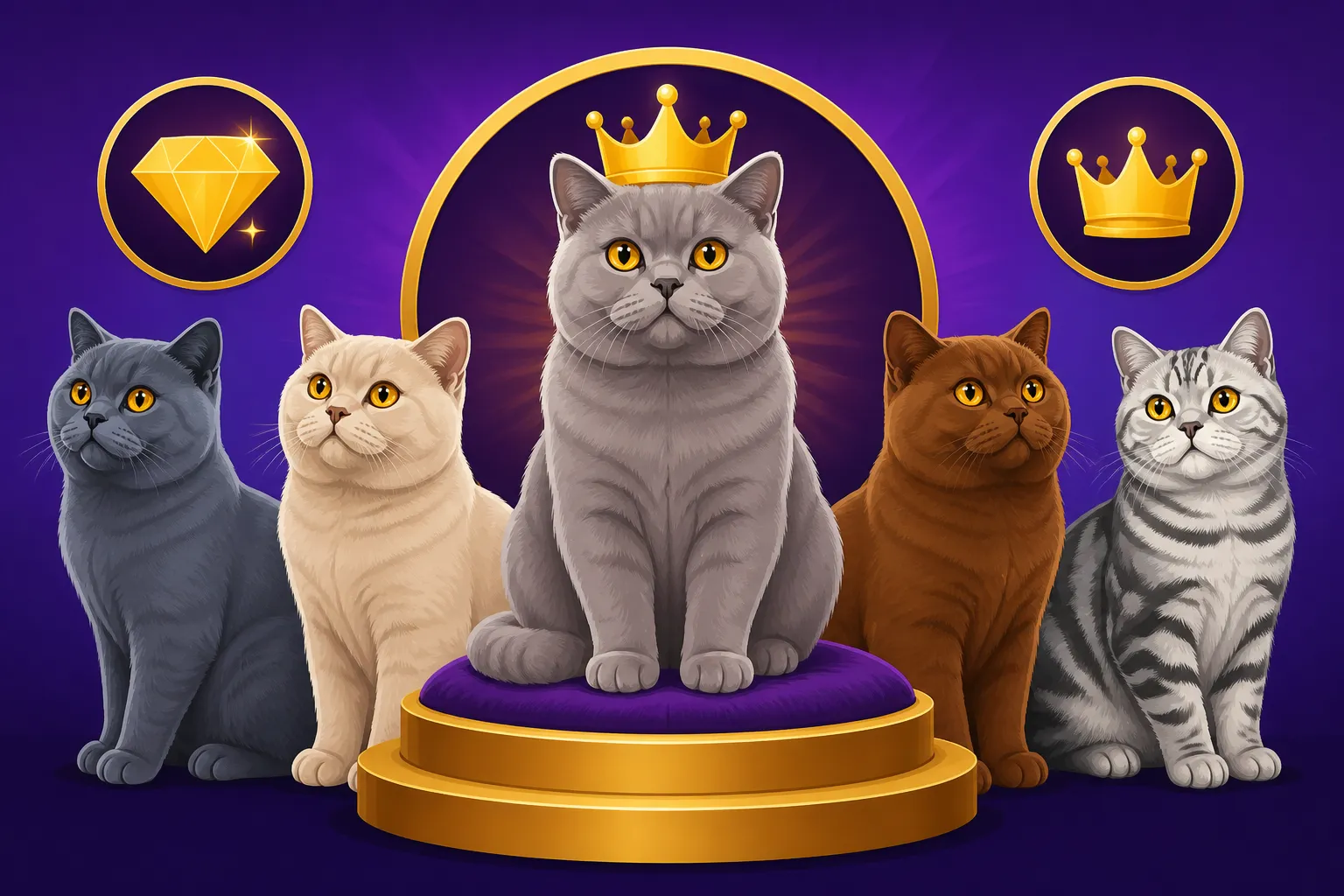
Let's delve into some of the specific colors that often come with a higher price tag due to their rarity, complex genetics, or sheer visual appeal. These are the colors that turn heads and often require a longer waitlist and a deeper financial commitment. You'll quickly see that A British Shorthair Comes in More Colors Than You Think.
Golden Shaded and Chinchilla
Golden shaded and chinchilla British Shorthairs are among the most exquisite and sought-after varieties. The chinchilla is a very light golden or silver with only the very tips of the guard hairs colored, giving the cat a sparkling, almost frosted appearance. The shaded variety has more tipping, creating a deeper, more pronounced effect. Achieving the perfect balance of undercoat color and tipping, without heavy barring or patches, is incredibly difficult.
Breeders spend years developing lines that consistently produce these stunning coats. The genetic combinations required are complex, and getting a litter with multiple high-quality golden shaded or chinchilla kittens is a rare triumph. Their ethereal beauty and the challenge of breeding them reliably make them one of the most expensive color variations available. When you see a truly magnificent golden shaded British Shorthair, you understand why its price reflects its unique artistry.
Cinnamon and Fawn
Cinnamon and fawn are relatively newer colors in the British Shorthair world, and their rarity contributes significantly to their higher cost. Cinnamon is a warm, reddish-brown, often described as a lighter version of chocolate. Fawn is an even lighter, diluted version of cinnamon, often appearing as a delicate, pale mushroom or beige color. Both are quite distinct from the more common blues, creams, and blacks.
These colors are genetically recessive, meaning a kitten only inherits them if both parents carry the cinnamon dilution gene. This makes them tricky to produce and means that dedicated breeders must work with specific lines over generations to establish these colors while maintaining excellent type and health. Their unique, understated elegance and scarcity ensure they remain a premium choice for enthusiasts.
Colorpoint British Shorthairs
Colorpoint British Shorthairs, also known as Himalayan British Shorthairs in some registries, carry the Siamese gene that results in darker points (face, ears, paws, tail) and a lighter body. Their eyes are always blue, a striking contrast to the traditional copper or gold eyes of most British Shorthairs. This combination of the British Shorthair's cobby body and plush coat with the distinctive colorpoint pattern is simply stunning.
The colorpoint gene also requires both parents to be carriers, making these kittens less common. The demand for their unique appearance and beautiful blue eyes has grown steadily. While they have been around for a while, they are still considered a specialty, and their striking appearance, combined with the genetic considerations for breeding them, places them in the higher price brackets.
The "Hidden" Costs Associated with Certain Colors
While the initial purchase price is a big deal, it's really just the beginning of your financial journey with a British Shorthair. There can be other, less obvious costs or considerations, sometimes indirectly linked to the quest for rare colors, that potential owners should be aware of.
Potential Health Concerns in Rare Lines
Sometimes, in the pursuit of a new or rare color, breeders might inadvertently narrow the gene pool too much. While reputable breeders strive to maintain genetic diversity and health, some less scrupulous breeders might focus solely on color, potentially sacrificing health for aesthetics. This is why always going to a breeder who prioritizes health testing and openly shares results is paramount. Even if you're set on a specific, rare color, ensure your breeder is equally committed to the cat's well-being.
The long-term health of your British Shorthair should always be the top priority. Concerns about conditions like HCM in a British Shorthair Has No DNA Test or Polycystic Kidney Disease Came Into the British Shorthair With the Persians are real, regardless of color. This is why pet insurance from providers like Healthy Paws can be a smart investment, offering peace of mind against unexpected veterinary costs throughout your cat's The Twelve to Seventeen Years a British Shorthair Gets.
The Premium for Verified Pedigrees
When you're looking at higher-priced kittens, especially those with rare colors, you should expect a thoroughly verified pedigree. A pedigree traces your kitten's lineage back several generations, showing the names and titles of its ancestors. This isn't just fancy paperwork; it confirms the kitten's purebred status and helps demonstrate the breeder's dedication to maintaining the breed standard.
A meticulously kept pedigree means the breeder is registered with recognized cat associations and adheres to their ethical guidelines. For rare colors, this is especially important, as it helps prevent accidental inbreeding or misrepresentation of the cat's genetic background. It's a layer of assurance that you are getting what you pay for in terms of breed authenticity and responsible breeding practices.
Long Waitlists and Travel Considerations
The more desirable or rare the color, the longer you can expect to wait for a kitten. For popular blue British Shorthairs, waitlists can be several months long, while for highly sought-after golden shaded or cinnamon kittens, it might stretch to a year or more. This wait is part of the "cost" for many potential owners, as patience is definitely required.
Furthermore, if your heart is set on a specific color that isn't readily available from local reputable breeders, you might need to consider traveling to pick up your kitten. This adds travel expenses, which can include flights, hotel stays, and carrier costs. Some breeders might also be willing to ship, but this comes with its own set of fees and considerations for the kitten's welfare during transit. For larger orders, like multiple bags of premium cat food from Chewy, planning ahead with delivery schedules can save you a trip to the store, but for a living, breathing kitten, a personal pickup is often the preferred and safest route.
Smart Strategies for Budgeting for Your British Shorthair
Bringing a British Shorthair into your life is a long-term commitment, and while the initial purchase price is significant, it's truly only the beginning. Being prepared for the ongoing costs will ensure a happy, healthy life for your furry companion and avoid financial stress down the road.
Prioritizing Health Over Color
This is the golden rule, if you'll pardon the pun. While it's lovely to have a preference for a specific color, always, always prioritize a breeder who can demonstrate excellent health testing, a clean cattery environment, and a deep understanding of feline health and welfare. A healthy cat, regardless of its coat color, will bring you years of joy and companionship, while a cat with preventable genetic issues can lead to heartache and astronomical vet bills.
Think of it this way: a healthy, well-adjusted cat of a common color is a far better investment than a rare-colored cat with a questionable background and potential health problems. The bond you form with your British Shorthair won't be based on its specific shade, but on its personality, health, and the love you share. It's truly Whether a British Shorthair Is Worth the Money, not just the initial cost of the kitten.
Understanding the Full Lifetime Cost
Beyond the initial purchase, there's a lifetime of care to consider. This includes high-quality food (especially important given the breed's propensity for Obesity Is the British Shorthair's Real Disease), regular veterinary check-ups, vaccinations, parasite prevention, grooming supplies, toys, and litter. Over Fifteen Years of a British Shorthair, Priced Out, these costs add up significantly.
| Category | Description | Cost Impact (Relative to a Common Color) |
|---|---|---|
| Purchase Price | Initial cost from breeder, impacted by color rarity, health testing | Low to High Premium |
| Vet Care | Routine check-ups, vaccinations, emergency funds (same for all colors) | Consistent |
| Pet Insurance | Monthly premiums for accident/illness coverage | Consistent |
| Food & Nutrition | High-quality diet, potentially weight management formulas | Consistent |
| Supplies | Litter, bowls, toys, beds, grooming tools | Consistent |
| Grooming | Self-grooming, occasional professional trim for mats | Consistent |
| Travel/Shipping | If rare color breeder is distant | Potentially High |
| Time (Waitlist) | Time spent waiting for a specific color/breeder | Potentially Long |
It's vital to create a realistic budget that encompasses not just the price of the kitten but also its ongoing care. This forethought will ensure you can provide the best possible life for your British Shorthair without financial strain. You can research What the First Year With a British Shorthair Costs to get a clearer picture of these initial expenses.
Considering Reputable Rescues
If budget is a significant concern or if you're open to an adult cat, considering a reputable British Shorthair rescue is a wonderful option. While finding a specific rare color might be more challenging in rescue, it's not impossible. Rescue organizations often have British Shorthairs who, through no fault of their own, need loving homes. These cats are often already spayed or neutered, up-to-date on vaccinations, and might even come with some medical history.
Adopting from a rescue is typically much less expensive than buying from a breeder, and it offers the immense satisfaction of giving a deserving cat a second chance. While a rescue cat might not come with the extensive pedigree or health guarantees of a reputable breeder, the adoption fees are considerably lower, and you're providing a vital service to an animal in need. To learn more, check out Adopting a British Shorthair From Rescue. It's a truly compassionate and often rewarding way to welcome a British Shorthair into your family.
Disclaimer
This article is for general informational purposes only and does not constitute professional advice. Laws, prices and regulations vary by location and change over time. Consult a qualified professional for guidance on your specific situation.