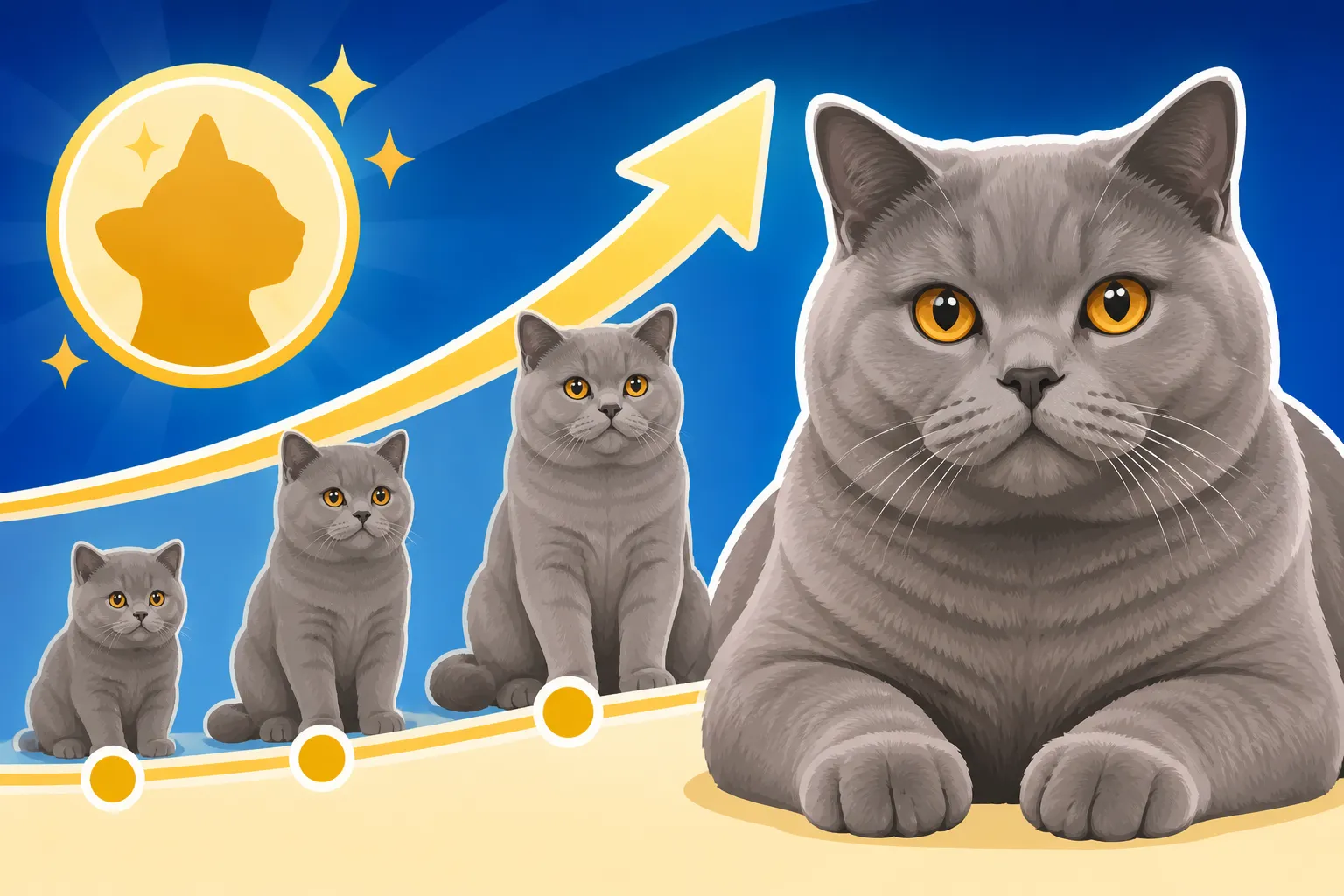
You Are Paying for a British Shorthair That Fills Out Over Five Years
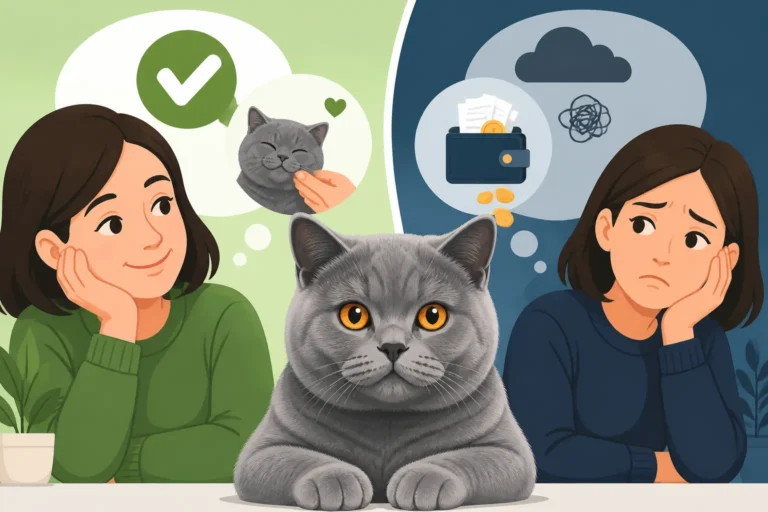
One of the most common things I hear from new British Shorthair owners, especially first-timers, is a little confusion about just how long it takes these magnificent cats to truly grow up. You might be picturing that iconic, chunky, teddy-bear look right out of the gate, only to find your sweet kitten is still quite lanky at a year old. This guide will walk you through the reality that you are indeed paying for a British Shorthair that continues to "fill out" for several years, influencing everything from their diet to your long-term budget.
The Slow Burn of British Shorthair Maturity
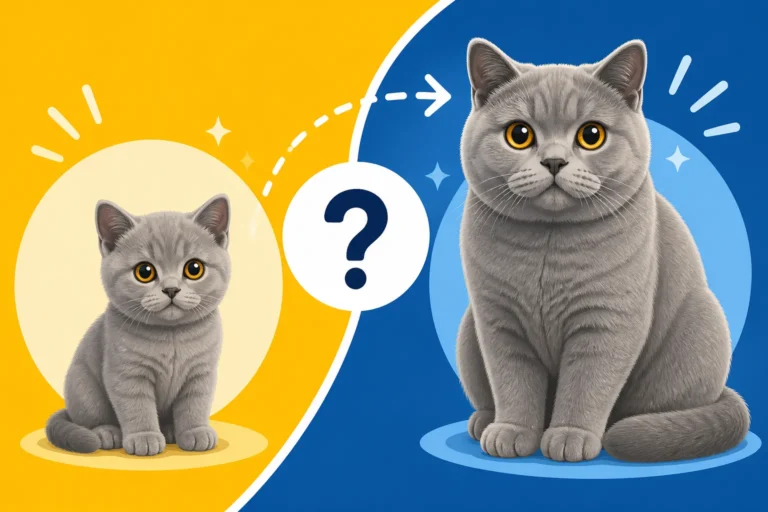
It's a common misconception that once a cat hits its first birthday, it's fully grown. For many breeds, that's generally true when it comes to height and length, but a British Shorthair operates on a completely different timeline. They are a large, cobby breed, and achieving that dense, substantial build takes time – a lot of time, actually. You might bring home a fluffy little ball of joy, but don't expect them to morph into that solid, majestic adult overnight. It’s a journey, not a sprint.
Understanding the British Shorthair Growth Curve
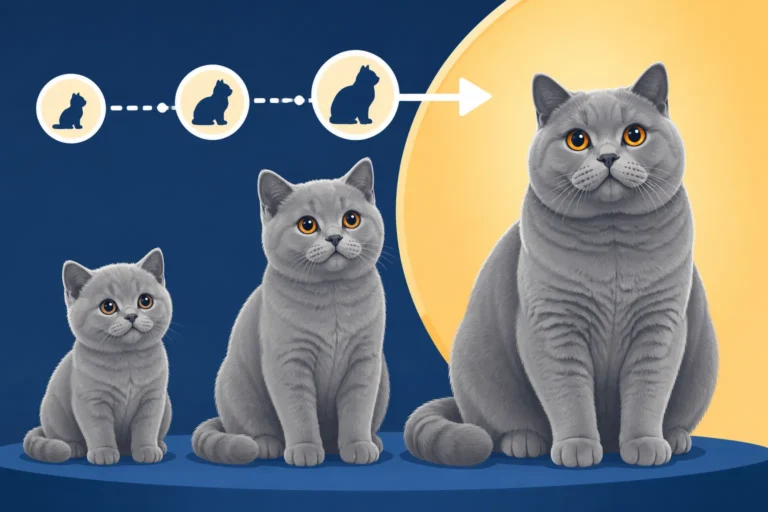
The growth curve for a British Shorthair is far from linear. While they do most of their vertical growing in their first year, their real development, the "filling out" process, continues for years afterward. Think of it less like a sprint to the finish line and more like a long-distance marathon. They gain muscle mass, their bone structure continues to broaden, and that signature dense coat and full facial features develop slowly. It requires patience from their human companions, but the payoff is truly magnificent when you see them reach their full potential.
Many owners are initially surprised, even a little concerned, when their British Shorthair isn't as stocky or round-faced as they expected by twelve months. This is perfectly normal! They are just taking their sweet time, which is actually a hallmark of the breed's robust health and natural development. It's not uncommon for a male, in particular, to still look quite lean at two years old, making that ultimate "teddy bear" look feel like a distant dream.
The Myth of the "Fully Grown" Kitten at One Year
Forget what you might know about other cat breeds; the British Shorthair throws that "one year equals fully grown" rule right out the window. While they'll certainly be much larger than a kitten, and perhaps even neutered by this point, they are far from their adult peak. Their skeletal system is still maturing, and their muscular development is ongoing. That distinct, broad chest and short, sturdy legs, which are characteristic of the breed, take considerable time to properly develop.
This extended kittenhood, or rather, extended adolescence, means you're investing in a cat that evolves considerably beyond that first year. You might wonder, for instance, what a British Shorthair should weigh at two years, and the answer is that they'll likely still be lighter and less filled out than their eventual adult weight. Expecting them to be a fully mature, heavy-set cat by age one can lead to unnecessary worry or, worse, overfeeding in an attempt to "fatten them up," which can lead to serious health issues down the line. Patience is truly a virtue with this breed.
What "Filling Out" Actually Means for a British Shorthair
"Filling out" for a British Shorthair means developing that iconic, cobby, powerful build. It’s about more than just gaining weight; it's about the growth of dense muscle, the broadening of their chest, and the development of their magnificent, round head with those prominent jowls, especially in males. This process continues steadily, often peaking around three to five years of age. It's during these years that their coat also achieves its maximum density and plushness, contributing to their overall substantial appearance.
Consider the male British Shorthair's jowls, for example. These adorable, chubby cheeks are a hallmark of the breed, but they don't just appear overnight. They develop gradually as the cat matures, reaching their full glory much later than in many other breeds. Similarly, their deep, copper eyes, often praised in the breed standard, become truly captivating as their faces round out. This slow development ensures they grow into their sturdy frame naturally, creating that beloved, well-balanced look that makes them so distinct and endearing.
Nutritional Needs During Extended Growth
Because British Shorthairs mature slowly, their nutritional needs are unique. It’s not just about providing enough calories; it's about the right kind of calories and nutrients to support sustained skeletal and muscular development without leading to unhealthy weight gain. This balancing act is crucial, especially as they move past kittenhood but are not yet fully grown adults. Getting it wrong can impact their long-term health and the quality of their eventual "fill."
Fueling a Developing Body Without Overfeeding
The challenge with a British Shorthair is that they have a famously placid temperament and a distinct love for food. They often appear to have an insatiable appetite, which, coupled with their lower activity levels compared to many other breeds, makes them highly prone to obesity. While they're still growing, you need to provide nutrient-dense food, but strict portion control is absolutely paramount. Free-feeding a British Shorthair is almost always a recipe for disaster, even in their growth phase.
Instead, carefully measure out their meals, perhaps two to three times a day, adjusting as they age and their activity levels change. It's a delicate balance; you want to support healthy development, but you don't want to encourage excessive fat storage. A balanced diet with appropriate protein levels will help build muscle, but remember that extra weight will burden their developing joints and predispose them to health issues like diabetes. Products available through retailers like Chewy offer a wide range of specialized foods that can cater to these specific developmental needs.
The Role of Quality Food in Bone and Muscle Development
High-quality food is non-negotiable for a British Shorthair, especially during their extended growth period. Look for foods with good sources of animal protein, as this is essential for muscle development. Calcium and phosphorus are also vital for bone health, but they need to be in the correct balance to prevent skeletal problems. Kibble, wet food, or a combination, should be formulated for growth but not be excessively high in calories or fat, which can cause rapid, unhealthy weight gain.
Consider consulting with your veterinarian or a feline nutritionist to ensure your British Shorthair is getting the optimal diet. They can help you decipher food labels and recommend brands that support the slow, steady growth typical of the breed. Remember, the goal isn't to make them grow faster, but to ensure they grow well and healthily over many years. A strong foundation laid in their first five years will contribute significantly to The Twelve to Seventeen Years a British Shorthair Gets.
Adapting Diet as They Mature and Slow Down
As your British Shorthair approaches its full maturity around three to five years, you'll need to transition their diet to reflect their slowing metabolism and decreased growth demands. They will likely need fewer calories to maintain their weight, even though they are still "filling out." This is where many owners fall into the trap of continued overfeeding, leading to the dreaded British Shorthair "chub." It's crucial to be proactive in adjusting their food intake before weight becomes a problem.
Monitoring their body condition score regularly is far more important than just watching the scale, especially with their dense coats that can hide a multitude of sins. You should be able to feel their ribs without pressing too hard, and they should have a discernible waist when viewed from above. If you notice them getting a bit too round, gradually reduce their food portions or switch to a lower-calorie, high-protein adult formula. Many reputable pet food brands offer "weight management" or "indoor cat" formulas that can be beneficial. It's all part of understanding Why a British Shorthair Gains Weight So Easily.
Veterinary Care: Long-Term Health Planning
The extended growth period of a British Shorthair means that veterinary care isn't just focused on kitten vaccinations and spaying/neutering. It's an ongoing partnership to monitor their development, screen for breed-specific conditions as they emerge, and manage their health proactively through their maturation process and beyond.
Regular Check-ups Beyond Kittenhood
Even after their initial kitten vaccine series and first-year check-ups, regular veterinary visits remain incredibly important for a British Shorthair throughout their development. These annual or bi-annual appointments allow your vet to monitor their weight, assess their body condition, and catch any subtle signs of health issues that might be developing. Because their physical maturity takes so long, early detection of potential problems can make a huge difference.
Your vet will pay close attention to their joint health, especially given their eventual substantial build, and discuss appropriate preventative care. They can also provide guidance on nutrition as your cat transitions through different growth phases. This consistent oversight is key to ensuring your British Shorthair grows into a healthy adult, rather than struggling with preventable issues due to unchecked weight gain or missed early symptoms.
Screening for Breed-Specific Conditions as They Grow
British Shorthairs, like many purebred cats, are predisposed to certain genetic health conditions that may not manifest until they are older, sometimes well into their "filling out" years. These can include conditions like Polycystic Kidney Disease (PKD) and Hypertrophic Cardiomyopathy (HCM). While PKD can often be screened with a simple DNA test, or sometimes an ultrasound at a younger age, HCM screening is more complex.
For HCM, regular cardiac ultrasounds (echocardiograms) are recommended, especially as they reach two years and beyond. You might wonder When a British Shorthair Should Have Its First Echo or How Often a British Shorthair Needs an Echo. These screenings are crucial because HCM can be asymptomatic in its early stages, and catching it early allows for better management. Discuss these breed-specific screenings with your vet to create a long-term health plan that suits your individual cat. Remember, investing in these screenings is part of the cost of ownership for a healthy British Shorthair.
Managing Potential Weight Issues as Metabolism Shifts
As a British Shorthair grows and their metabolism naturally slows down, often around two to three years of age, managing their weight becomes a primary concern. Their sedentary nature and love for food make them incredibly prone to obesity if their diet isn't strictly managed. An overweight British Shorthair can face a myriad of health problems, including arthritis, diabetes, and even liver issues, all of which incur significant veterinary costs.
Your vet can help you establish a realistic weight management plan, which might include specific dietary recommendations or even prescription weight-loss foods. Regular weigh-ins at home are simple to do and can be very effective in catching creeping weight gain early. Preventing obesity is far easier and less costly than treating the complications that arise from it. This proactive approach ensures your British Shorthair stays healthy throughout its long life.
Behavioral and Enrichment Evolution Over Five Years
Just as their bodies slowly mature, so too do the personalities and activity levels of British Shorthairs. The energetic, curious kitten you bring home will gradually transform into the calm, dignified adult cat the breed is known for. Understanding this behavioral evolution is key to providing appropriate enrichment and maintaining a happy, well-adjusted companion throughout their extended development.
From Playful Kitten to Dignified Adult
A young British Shorthair kitten can be quite playful and curious, pouncing on toys and exploring their environment with gusto. However, as they mature, typically around two to three years of age, their energy levels begin to naturally wane. They transition into the more sedate, "gentle giant" personality that is characteristic of the breed. This isn't to say they become completely inactive; they still enjoy playtime, but it's often in shorter bursts and with less intensity.
This shift in temperament means their play preferences will change too. The frantic chasing of a laser pointer might give way to more deliberate pouncing on a favorite wand toy or batting at a puzzle feeder. They develop a strong sense of routine and become quite content observing the world from a comfortable perch or snuggled beside you on the sofa, rather than constantly seeking high-octane adventures. It’s a joy to witness this graceful transition, but it also means adjusting your expectations for their activity levels.
Adapting Play and Enrichment to Their Changing Activity Levels
Given their natural tendency towards a more relaxed lifestyle as they mature, it's crucial to adapt their play and enrichment to keep them engaged and prevent boredom-induced weight gain. While a kitten might zoom around the house, an adult British Shorthair needs encouragement to move. Structured play sessions, even short ones, are vital. Aim for 10-15 minutes, once or twice a day, using toys that appeal to their natural hunting instincts without requiring excessive cardio.
Wand toys with feathers or small plush animals on the end are often favorites, as they allow the cat to stalk and pounce. Puzzle feeders are excellent for mental stimulation and can slow down eating, helping with weight management. Consider rotating toys to keep things interesting. Providing vertical space, like a sturdy cat tree that can support their eventual adult weight, offers opportunities for gentle climbing and observation, even if they aren't scaling bookshelves like a Bengal. You can find many enriching toys and cat trees at retailers like Chewy. These adjustments are key to Getting a Low Energy British Shorthair to Move.
Socialization and Training Through Different Life Stages
Socialization isn't just for puppies, and it's an ongoing process for British Shorthairs as they grow. While generally calm and tolerant, positive exposure to new sights, sounds, and people throughout their formative years can help them develop into well-adjusted adults. Continuing gentle handling, nail trims, and vet visits will ensure they remain comfortable with these necessary routines. Their intelligent but often stubborn nature means that early, consistent, positive reinforcement training works best.
As they mature, their confidence grows, and they become more settled in their environment. They may become more openly affectionate on their terms, enjoying quiet cuddles or simply being in the same room as their favorite humans. While they're not typically "lap cats" in the traditional sense, they form incredibly strong bonds. Understanding How a British Shorthair Shows Affection will help you appreciate their unique expressions of love as they grow from a kitten into a mature, dignified companion.
The Financial Commitment of a Five-Year Maturation
Understanding that your British Shorthair won't reach its full physical peak until around five years old directly impacts your financial planning. This isn't a breed where you invest heavily for the first year and then costs significantly drop. Instead, it’s a sustained, long-term financial commitment to support their unique growth and ongoing health needs.
Initial Purchase Price vs. Long-Term Investment
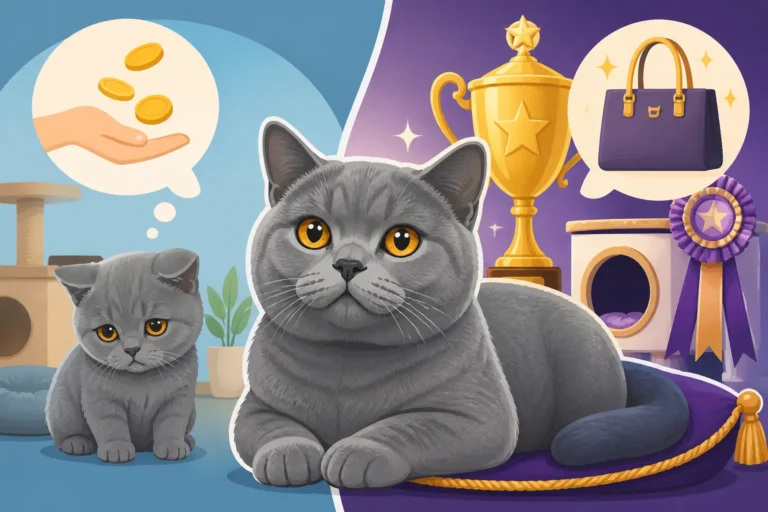
Many prospective owners focus heavily on the initial purchase price of a British Shorthair kitten, which can be substantial from a reputable breeder. However, this is just the tip of the iceberg when it comes to the true cost of ownership. The fact that they take so long to mature means you are looking at a sustained investment in high-quality nutrition, regular veterinary care, and appropriate enrichment for many years. Think of the initial price as buying the foundation, but the ongoing costs are what build the magnificent structure.
Consider the long-term perspective: that kitten you paid for will continue to grow, eat, and require medical attention for years before reaching its full physical potential. This contrasts with breeds that mature much faster. So, while the initial cost secures a healthy, well-bred kitten, the commitment truly lies in the consistent, dedicated care you provide over its extended developmental period and beyond. It’s important to budget for What a British Shorthair Costs Over Its Lifetime.
Budgeting for Food, Vet Care, and Grooming Over Time
A British Shorthair's extended maturation means you'll be budgeting for specific expenses for a longer period. High-quality food, crucial for their development, is a continuous expense. As they grow larger, they will eat more, and potentially switch to adult or weight-management formulas, which might have different price points. Given their propensity for weight gain, investing in quality, portion-controlled food is an ongoing necessity to prevent costlier health issues.
| Category | Kitten (0-1 year) | Adolescent (1-3 years) | Mature (3-5 years) |
|---|---|---|---|
| Food | Kitten formula, often higher cost per serving, but smaller portions. | Adult formula, larger portions, potential for weight control food. | Adult/weight control formula, large portions, careful calorie management. |
| Vet Care | Vaccinations, spay/neuter, initial health checks. | Annual check-ups, ongoing preventative care, initial HCM/PKD screenings. | Annual check-ups, continued HCM screening, proactive weight management. |
| Grooming | Minimal combing. | Regular combing for coat density. | Regular combing, more shedding during seasonal 'blows'. |
| Supplies | Smaller litter box, toys. | Larger litter box, sturdy cat tree, enrichment toys. | Replacements for worn items, comfort beds. |
| Insurance | Often lower premiums initially. | Premiums may increase slightly with age. | Steady premiums, increasingly valuable for potential age-related conditions. |
Vet care also needs long-term budgeting. Annual check-ups are a given, but breed-specific screenings for conditions like HCM, which typically begin around two years of age and continue annually, represent a significant ongoing cost. Grooming, while not extensive, requires regular combing to manage their dense coat, especially during seasonal shedding cycles that occur over these maturing years. Finding a pet insurance provider like Healthy Paws can help soften the blow of unexpected medical costs over these crucial developmental years.
The Value of Pet Insurance for a Long-Lived Breed
Given their extended development and the potential for breed-specific health issues that can manifest later in life, pet insurance is an extremely valuable investment for a British Shorthair owner. While you might not see many claims in their early kitten months, having a policy in place before any conditions arise means you’re covered for potential issues like HCM, arthritis (often exacerbated by weight), or even diabetes, should they develop during their maturation or senior years.
A policy from a provider like Healthy Paws can give you peace of mind, knowing that if your British Shorthair needs expensive diagnostics or long-term medication, you won't be solely bearing the financial burden. This is particularly relevant as these cats can live The Twelve to Seventeen Years a British Shorthair Gets, meaning a long life means more opportunities for health events. The cost of pet insurance is a small, predictable monthly expense that can protect you from truly staggering vet bills down the line.
The Emotional Rewards of Waiting for Full Maturity
While the extended growth period of a British Shorthair might require patience and consistent financial planning, the emotional rewards of witnessing their full development are immense. It's an opportunity to build a deep, enduring bond and truly appreciate the unique beauty of this breed as it unfolds over several years.
Watching Your British Shorthair Evolve
There’s a unique joy in watching a British Shorthair slowly transform from a gangly kitten into a magnificent adult. Each stage brings new subtle changes – the coat thickening, the jowls broadening, the eyes deepening in color, and their personality settling into that calm, unflappable demeanor. It's a journey of discovery, offering a richer, more prolonged experience of their development compared to cats who reach their adult size and personality much faster.
This gradual evolution deepens your connection. You become intimately familiar with every subtle shift in their appearance and behavior, appreciating the intricate details of their growth. It reinforces the understanding that this isn't just a pet, but a companion who grows and changes with you, becoming an even more cherished member of the family as they blossom into their full, glorious self.
Building a Deep Bond Through Shared Years
The time it takes for a British Shorthair to mature means you're building a bond over a significant portion of their formative years. These early, impressionable years, extending beyond the typical kitten stage, are crucial for establishing trust, routine, and a deep understanding between cat and owner. The investment of time, care, and attention during this extended development phase fosters a unique relationship built on shared experiences and consistent companionship.
This enduring bond is one of the most fulfilling aspects of British Shorthair ownership. They might not be the most demonstrative cats, but their steady, loving presence becomes a comforting constant in your home. Their calm nature means they are often very adaptable to household rhythms, making them wonderful companions for those who appreciate a quiet, affectionate presence.
Celebrating the "Teddy Bear" Look When It Fully Arrives
There’s a special moment when your British Shorthair finally reaches that iconic "teddy bear" look – the round head, the full cheeks, the dense, plush coat, and the cobby, powerful body. It's a true celebration of their full maturity, a testament to their unique genetics and the patient care you've provided over the years. This isn't a look that rushes; it earns its magnificence through time.
When they finally achieve that solid, substantial physique, often between three and five years of age, it’s incredibly satisfying. It's the culmination of their extended growth, a visual representation of their breed standard finally being met. You'll likely find yourself looking back at old kitten photos, marveling at the transformation and appreciating the journey you've shared with your majestic British Shorthair. This is when What a British Shorthair Does All Day truly embodies the calm, regal essence of the breed.
Practical Tips for Supporting Your British Shorthair's Long Development
Navigating the extended growth of a British Shorthair can feel like a marathon, but with the right approach, it’s a deeply rewarding experience. A few key strategies can make all the difference in ensuring your cat develops into a healthy, happy, and well-adjusted adult.
Consistent Routine and Environment
British Shorthairs thrive on routine and stability. During their long developmental phase, maintaining a consistent daily schedule for feeding, play, and rest can help reduce stress and foster a sense of security. Predictability in their environment allows them to relax and focus their energy on growing. This means consistent meal times, regular (even if short) play sessions, and a quiet, comfortable space where they can retreat and nap.
Avoid sudden or frequent changes to their living situation or daily schedule if possible. If changes are unavoidable, introduce them gradually and with plenty of positive reinforcement. A stable environment helps them to feel secure, which is essential for healthy physical and emotional development. It also helps reinforce positive behaviors and prevents them from becoming anxious or stressed, which can sometimes impact their overall well-being.
Early Health Screening and Regular Monitoring
Proactive health management is critical for a British Shorthair during its extended growth. This includes not only routine vet check-ups but also early screening for breed-specific conditions. For example, understanding HCM in a British Shorthair Has No DNA Test means you'll need to rely on regular echocardiograms to monitor their heart health. Establishing a relationship with a trusted veterinarian who understands the breed's specific needs is invaluable.
Regular monitoring at home is also essential. Keep an eye on their weight and body condition, paying attention to any subtle changes in appetite, energy levels, or litter box habits. British Shorthairs are notoriously stoic and can hide discomfort or illness remarkably well. Being attuned to their normal behavior allows you to spot abnormalities quickly and seek veterinary attention promptly, ensuring any potential issues are addressed before they become serious.
Patience and Understanding for Their Unique Pace
Perhaps the most important tip of all is to embrace patience and understanding. Your British Shorthair isn't going to look like the fully developed adult cat in photographs overnight. They are on their own unique timeline, and trying to rush their development, whether through overfeeding or pushing them beyond their natural activity levels, can be detrimental to their health.
Appreciate each stage of their growth, from the playful kitten to the lanky adolescent to the slowly maturing adult. Celebrate the small milestones – the first hint of jowls, the thickening of their coat, the deepening of their purr. Remember that the ultimate "teddy bear" look is earned over years, not months. Your patience will be rewarded with a magnificent, well-adjusted cat who embodies the true essence of the British Shorthair breed.
Common Misconceptions About British Shorthair Size and Age
The slow maturation of the British Shorthair often leads to misunderstandings, especially for those new to the breed. It's easy to develop false expectations based on images of fully grown adults, but reality for a developing British Shorthair is quite different.
Why They Don't Look Like Adult Photos Right Away
Many prospective owners are drawn to the iconic images of massive, round-faced, incredibly cobby British Shorthair adults. They imagine their kitten will quickly grow into that imposing physique. However, the reality is that a British Shorthair kitten, even up to a year or two of age, often looks quite gangly, long-bodied, and might not have that impressive round head or full jowls yet. It can be quite a shock if you're not prepared for it.
This disconnect between expectation and reality can sometimes lead to owners questioning if they truly have a purebred British Shorthair, or if something is wrong with their cat's growth. Rest assured, this slow, steady development is perfectly normal and characteristic of the breed. Their body structure takes time to broaden, their muscles to deepen, and their fat pads to properly develop, especially in the cheeks and around the body, to achieve that signature look. You'll have to wait until When a British Shorthair Reaches Its Adult Head to see their full glory.
Avoiding Pressure for Rapid Growth
Understanding the slow growth rate of a British Shorthair is crucial to avoiding the temptation to "force" faster growth. Some owners might be tempted to overfeed or provide supplements in an attempt to get their cat to "fill out" quicker. This is not only ineffective but can be harmful. Rapid weight gain, particularly fat, can put undue stress on a still-developing skeletal system and predispose the cat to obesity-related health issues, rather than promoting healthy muscle and bone development.
The goal should always be healthy, steady growth, not rapid expansion. A balanced, portion-controlled diet, appropriate for their age and activity level, along with regular veterinary check-ups, is the best approach. Trust the natural timeline of the breed; they will get there when they are meant to, and a healthy, slowly matured cat is always preferable to an artificially hastened one.
The Impact of Early Neutering on Physical Development
While early spaying or neutering is often recommended for health and behavioral reasons, it's worth noting its potential, albeit often subtle, impact on the physical development of a British Shorthair, especially males. Neutering often causes growth plates to close a little later, which can result in slightly longer limbs in some cats. More noticeably, in males, early neutering can sometimes mean they develop less prominent jowls than intact males or those neutered later.
This isn't necessarily a "bad" thing, and the health benefits of neutering often outweigh these minor cosmetic considerations. However, it's something to be aware of if you are striving for the absolute maximum "roundness" in your male British Shorthair's head. Regardless of when they are neutered, the vast majority will still develop into beautiful, cobby adults, just perhaps with slight variations in their facial fullness or overall proportions compared to an entire show male.
Disclaimer
This article is for general informational purposes only and does not constitute professional advice. Laws, prices and regulations vary by location and change over time. Consult a qualified professional for guidance on your specific situation.