How Often a British Shorthair Needs a Wellness Exam
It’s a common dilemma for British Shorthair owners: your cat seems perfectly healthy, happy, and perhaps a bit of a couch potato, so how often do they really need to trek to the vet for a wellness exam? Many of us dread the stress of the carrier and the clinic, and it’s tempting to skip a visit if everything appears fine. This guide will walk you through the recommended schedule for British Shorthair wellness exams, explaining why these routine check-ups are absolutely essential for their long-term health, even when they’re showing no obvious signs of trouble.
Annual Wellness Exams for Young Adult British Shorthairs
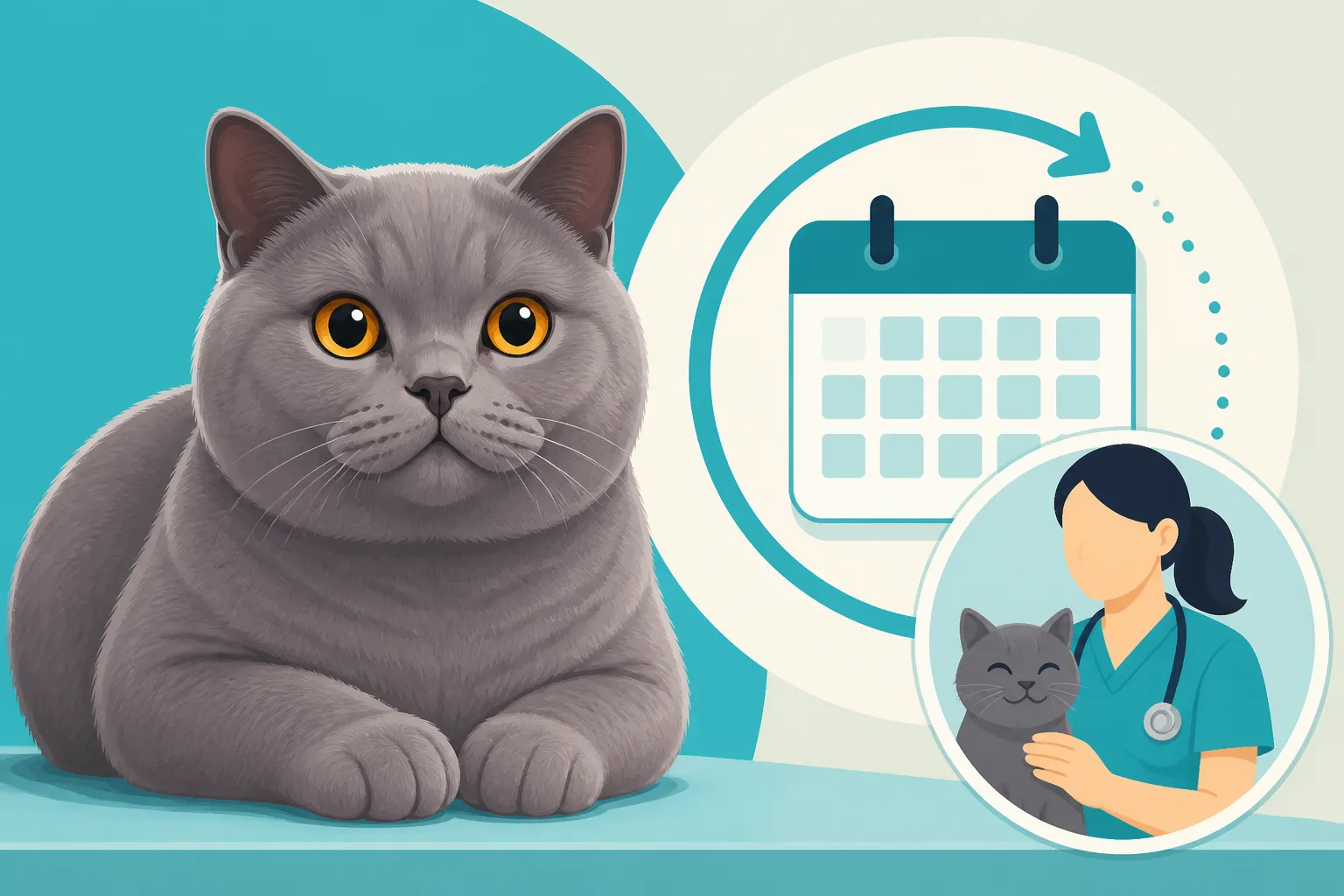
For British Shorthairs in their prime, typically from one year old up until they hit senior status around seven to ten years, an annual wellness exam is the bedrock of their preventative healthcare. While they might seem like robust, low-maintenance cats, these yearly visits are your best defense against silently developing health issues that can become much harder, and costlier, to treat later on. You might think, "My cat never goes outside, what could possibly be wrong?" But even indoor cats are susceptible to various health conditions.
What Happens During a Routine Annual Visit
When you bring your British Shorthair in for their annual check-up, your veterinarian will do a thorough head-to-tail physical examination. This isn't just a quick peek; they'll meticulously check their eyes for signs of infection or cataracts, ears for mites or inflammation, and gums and teeth for dental disease, which is incredibly common in cats. They'll palpate your cat's abdomen to feel for any abnormalities in organs, listen to their heart and lungs for murmurs or unusual breathing, and check their joints and muscle mass. Your cat's weight will be recorded, and discussing their current diet and activity level is always a part of the conversation. These physical exams often reveal subtle changes that you, as a loving owner, might not have noticed at home, especially given how good British Shorthairs are at hiding discomfort.
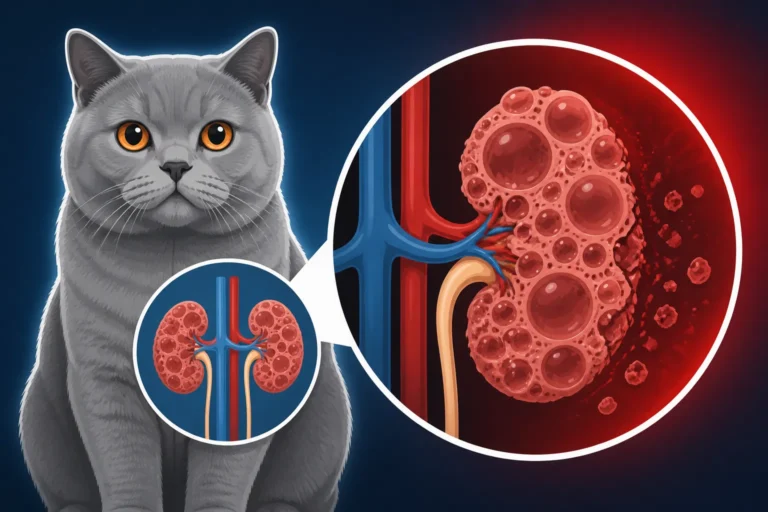
Beyond the physical exam, your vet will likely discuss routine vaccinations, parasite prevention (even for indoor cats, as fleas or worms can easily be tracked in), and potentially recommend annual bloodwork. This is a critical step, especially as your cat approaches middle age, as it provides a baseline for their internal organ function. A complete blood count (CBC) can detect anemia or infection, while a chemistry panel assesses kidney, liver, and pancreatic function, as well as electrolyte balance. Catching early signs of kidney disease or diabetes through bloodwork can make a world of difference in management and prognosis. Many owners find peace of mind knowing that they are being proactive, and having a good pet insurance plan like Healthy Paws can certainly alleviate worries about these diagnostic costs.
Why Annual Exams Are Crucial for Apparently Healthy Cats
It’s easy to fall into the trap of thinking "no news is good news" when it comes to your seemingly healthy British Shorthair. However, cats are masters of disguise when it comes to illness or pain. Their evolutionary instinct is to hide vulnerability, which means by the time you notice overt symptoms, an underlying condition might be quite advanced. This is particularly true for conditions like high blood pressure, early-stage kidney disease, or even some forms of cancer. A comprehensive annual exam, coupled with routine bloodwork, gives your vet the opportunity to spot these subtle indicators long before they become apparent to you.
Consider the potential for dental disease, for example. Many British Shorthairs will suffer from painful gingivitis in a British Shorthair or more severe periodontal disease without ever showing obvious signs like refusing to eat. Your vet can identify tartar buildup, inflamed gums, or resorptive lesions that require attention, preventing further pain and potential systemic health issues. Moreover, these annual visits are a chance for you to discuss any minor behavioral changes or concerns you might have, from changes in litter box habits to subtle shifts in appetite or sleep patterns, which could sometimes be early indicators of a health problem. This proactive approach is a key component of ensuring the twelve to seventeen years a British Shorthair gets are healthy ones.
Increased Frequency for Senior British Shorthairs
Once your British Shorthair crosses the threshold into their senior years, typically around age seven to ten, the recommendation for wellness exams often shifts from annual to twice-yearly. This isn't just an arbitrary number; it's a recognition of the accelerated rate at which health changes can occur in older cats. Just as humans need more frequent check-ups as they age, so do our feline companions, especially a breed known for its calm demeanor which can mask symptoms.
The Importance of Twice-Yearly Checks for Older Cats
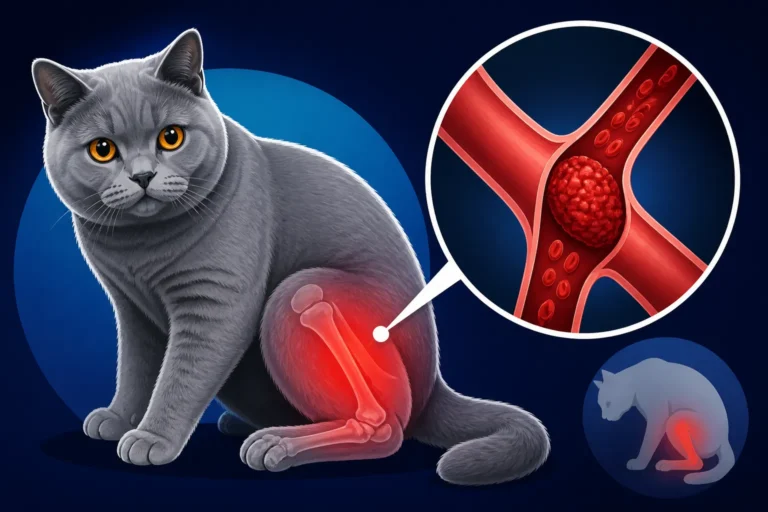
For senior British Shorthairs, every six months can feel like a significant chunk of time in their life cycle. During this period, chronic conditions can progress, and new ones can emerge with surprising speed. Conditions such as arthritis in an older British Shorthair, hyperthyroidism in an older British Shorthair, and diabetes in a British Shorthair become much more prevalent. These diseases, if caught early, are often manageable, allowing for a better quality of life for your cat for longer. A twice-yearly schedule provides a tighter window for your vet to monitor existing conditions, adjust medications, or detect new problems before they become critical.
These more frequent visits also allow for a closer watch on weight, which can be a double-edged sword for seniors. Some older British Shorthairs might start to lose weight as a warning, signaling underlying health issues like hyperthyroidism or kidney disease, while others might struggle with obesity in an older British Shorthair which exacerbates conditions like arthritis. Regular physical exams, combined with twice-yearly blood and urine tests, provide a comprehensive picture of your cat's internal health. These tests are essential for monitoring organ function and detecting subtle changes that indicate the onset of age-related illnesses. If you're wondering about the financial aspect, it's worth noting that pet insurance providers like Healthy Paws often highlight the benefits of preventative care in their plans, potentially covering some diagnostic costs.
Recognizing Subtle Signs of Aging or Illness
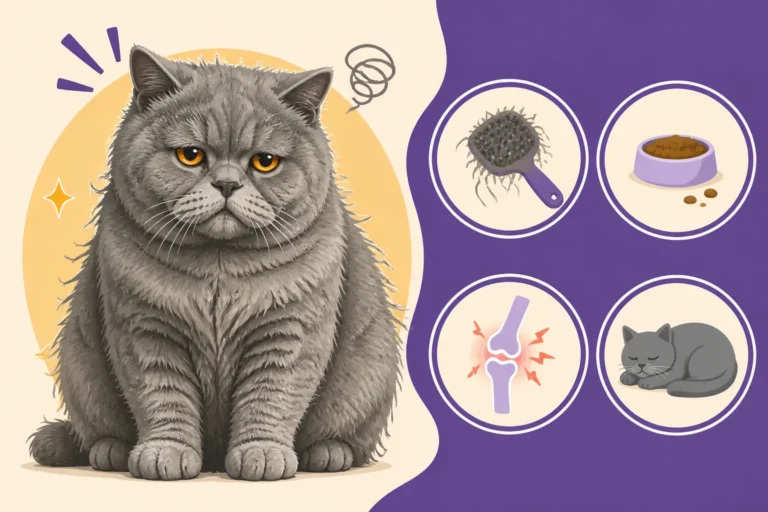
One of the biggest challenges with senior British Shorthairs is that their stoic nature often means they suffer in silence. They might not cry out in pain or show dramatic changes in behavior, preferring to simply withdraw or become less active. This is why recognizing subtle signs is paramount for caring for a British Shorthair past ten. During your twice-yearly vet visits, your veterinarian will be specifically looking for these nuanced indicators that you might overlook at home. This could include changes in coat quality (an unkempt appearance might signal they're not grooming due to pain), decreased mobility, changes in thirst or urination patterns, or subtle shifts in their normal routine.
For instance, a British Shorthair with early signs of arthritis might just be less willing to jump onto the sofa, or they might sleep more, which can easily be mistaken for "just getting old." A vet, however, might notice stiffness in their gait or pain upon palpation of their joints. Similarly, increased thirst or urination could point to kidney issues or diabetes. During these visits, your vet can also discuss pain management strategies, dietary adjustments, or supplements that can significantly improve your senior cat's comfort and health. It’s an opportunity for a professional to interpret those barely-there clues your cat might be giving, ensuring their golden years are as comfortable and healthy as possible.
Special Considerations and When to See the Vet Sooner
While annual or semi-annual wellness exams form the backbone of your British Shorthair's healthcare, there are definitely times when a trip to the vet shouldn't wait for the next scheduled appointment. British Shorthairs, like all breeds, have certain predispositions and individual needs that might necessitate more frequent or urgent veterinary attention.
Common British Shorthair Health Concerns That Warrant Extra Care
British Shorthairs are generally considered a healthy breed, but they do have a few common health concerns that owners should be aware of. One of the most significant is hypertrophic cardiomyopathy (HCM), a genetic heart condition that can affect them, though HCM in a British Shorthair has no DNA test. This makes regular cardiac screenings, often involving an echo, critically important. If your vet detects a heart murmur during a routine physical exam, or if you notice any signs a British Shorthair is breathing hard, struggles with exercise, or experiences sudden lethargy, don't wait. These could be signs of serious heart disease.
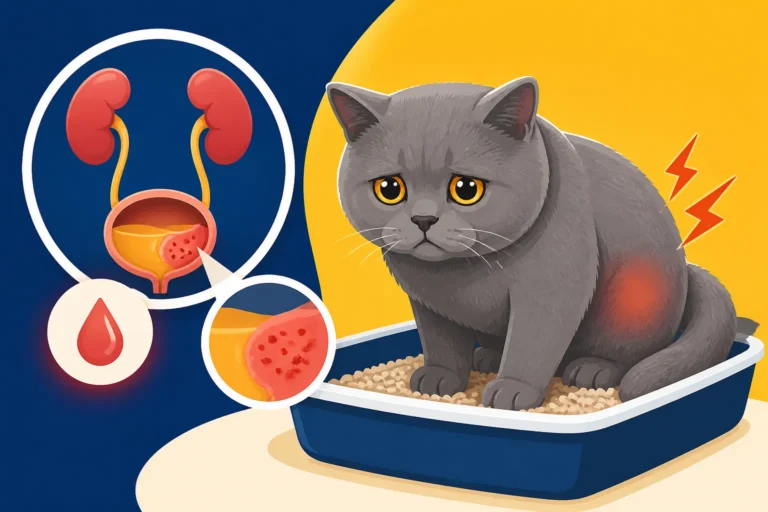
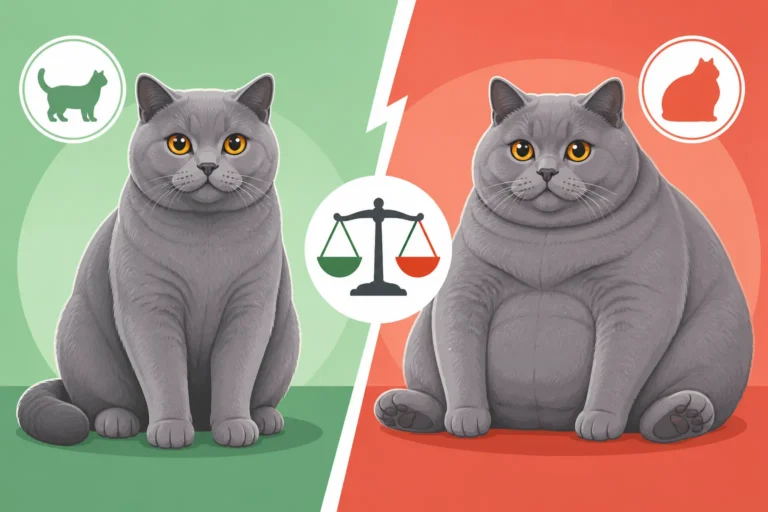
Another common issue is obesity, as a British Shorthair gains weight so easily due to their calm nature and love of food. Overweight cats are prone to diabetes, arthritis, and liver problems. If you're struggling to manage your cat's weight, more frequent weigh-ins and consultations with your vet to adjust their diet and activity plan might be necessary. Urinary problems in a British Shorthair, particularly for males, are also a concern, as they can develop painful bladder stones or blockages. If your cat strains to urinate, visits the litter box frequently without producing much, or cries in the box, these are all urgent signs requiring immediate veterinary attention. Your vet might also discuss what a British Shorthair breeder should have tested when you first got your cat, as early screening can provide valuable insights into potential predispositions.
When to Schedule an Emergency or Urgent Vet Visit
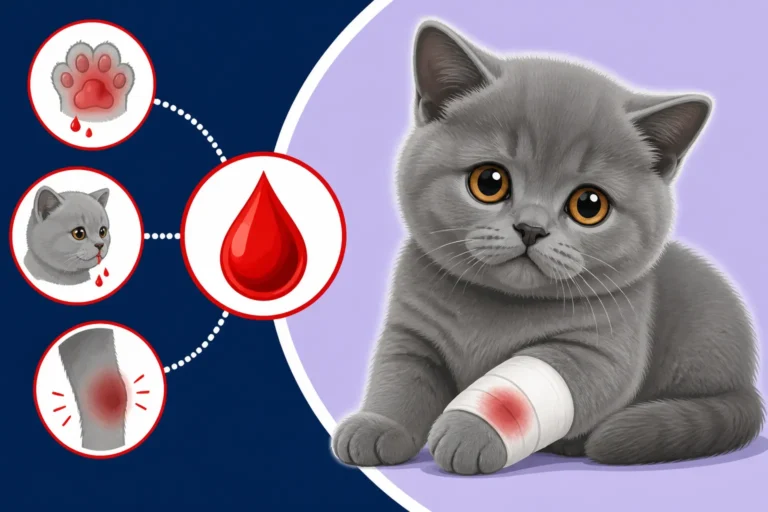
Knowing when to bypass a routine appointment and seek immediate veterinary care is crucial. Some symptoms clearly indicate an emergency, while others might suggest an urgent but not life-threatening condition. Always err on the side of caution. For instance, if your British Shorthair suddenly stops eating or drinking for more than 24 hours, experiences repeated vomiting or diarrhea, has difficulty breathing, or appears to be in severe pain, you need to call your vet right away or head to an emergency clinic.
Less dramatic but still urgent signs include persistent lethargy, hiding more than usual, sudden changes in litter box habits (especially straining to urinate or defecate), limping, excessive vocalization, or noticeable swelling anywhere on their body. Any sudden or drastic change in your cat's normal behavior or physical condition warrants a phone call to your vet. They can help you determine the severity of the situation and advise whether an immediate visit is necessary. It's helpful to have a list of local emergency veterinary clinics on hand, just in case your regular vet isn't available outside of business hours. Prompt action can often make a significant difference in the outcome for your beloved British Shorthair.
Understanding the Value and Cost of Preventative Care
Investing in regular wellness exams for your British Shorthair isn't just about adhering to veterinary guidelines; it's a profound investment in their health, happiness, and ultimately, your peace of mind. While the costs of veterinary care can certainly add up, viewing these expenses as preventative measures often makes them much more manageable than reacting to a full-blown emergency.
Breaking Down the Expenses of Preventative Care
The cost of a British Shorthair's wellness exam can vary widely depending on your location, the specific veterinary clinic, and what services are included. A basic annual exam might range from $50 to $150. However, this is usually just for the physical check-up. Once you add in vaccinations (which typically range from $20-$40 per vaccine), a yearly bloodwork panel (which could be $100-$200), and perhaps a fecal exam or deworming, the total can easily reach $200-$400 for a young, healthy adult. For senior British Shorthairs, with their twice-yearly visits and more extensive diagnostics, including more frequent bloodwork and urine tests, those costs will naturally be higher.
For instance, what a British Shorthair's yearly bloodwork should cover for an older cat often includes thyroid panels, which are crucial for detecting hyperthyroidism. An echocardiogram to check for HCM, if recommended, can be several hundred dollars. It might seem like a lot, especially if your cat seems fine, but consider the alternative: treating an advanced disease that could have been caught early. A full dental cleaning, for example, can cost $500-$1000 or more, whereas preventative dental care and early detection of issues can sometimes avoid or postpone such extensive procedures. A blocked bladder for a male British Shorthair can quickly rack up thousands in emergency care, surgery, and hospitalization. Investing in preventative care is truly about saving money and heartache in the long run.
Here's a simplified overview of typical wellness exam frequencies and associated costs:
| Age Group | Recommended Frequency | Typical Services Included | Estimated Annual Cost (Excluding Insurance) | Common Health Concerns Addressed |
|---|---|---|---|---|
| Kitten (0-1 year) | Multiple visits (vaccine series) | Physical exam, deworming, vaccinations, spay/neuter consult | $300 – $800+ (includes spay/neuter) | Parasites, congenital issues |
| Adult (1-7 years) | Annually | Physical exam, core vaccinations, annual bloodwork (optional but recommended) | $200 – $400 | Dental disease, obesity, early HCM |
| Senior (7+ years) | Every 6 months | Physical exam, full blood/urine panel, blood pressure, tailored vaccinations | $400 – $800+ | Arthritis, kidney disease, hyperthyroidism, HCM, diabetes |
| Note: These are estimates and can vary widely. |
How Pet Insurance Can Help Manage Costs
Given the potential costs, many British Shorthair owners wisely turn to pet insurance to help manage their veterinary bills. Insurance plans like those from Healthy Paws can be incredibly beneficial, especially as your British Shorthair enters their senior years and the likelihood of age-related conditions increases. While routine wellness exams and vaccinations might not always be fully covered by standard accident and illness policies, many providers offer optional wellness plans or specific add-ons that do. Even if wellness isn't fully covered, having insurance for unexpected illnesses or accidents can be a huge relief.
Imagine your British Shorthair is diagnosed with what HCM does to a British Shorthair's heart, requiring ongoing medication and regular follow-up visits, including how often a British Shorthair needs an echo. These chronic conditions can lead to substantial expenses over time. A good pet insurance policy could reimburse a significant portion of these costs, making advanced medical care financially feasible and removing the difficult choice between your cat's health and your wallet. Before committing, always read the fine print, understand what's covered (and what isn't, like pre-existing conditions), and compare deductibles and reimbursement rates to find a plan that best fits your budget and your British Shorthair's needs. Ultimately, proactive care and financial planning go hand-in-hand for a happy, healthy British Shorthair lifespan.
Disclaimer
This article is intended for informational purposes only and is not a substitute for professional veterinary advice. Always consult with a qualified veterinarian for any health concerns or before making any decisions about your British Shorthair's medical care. Individual needs and health conditions may vary.