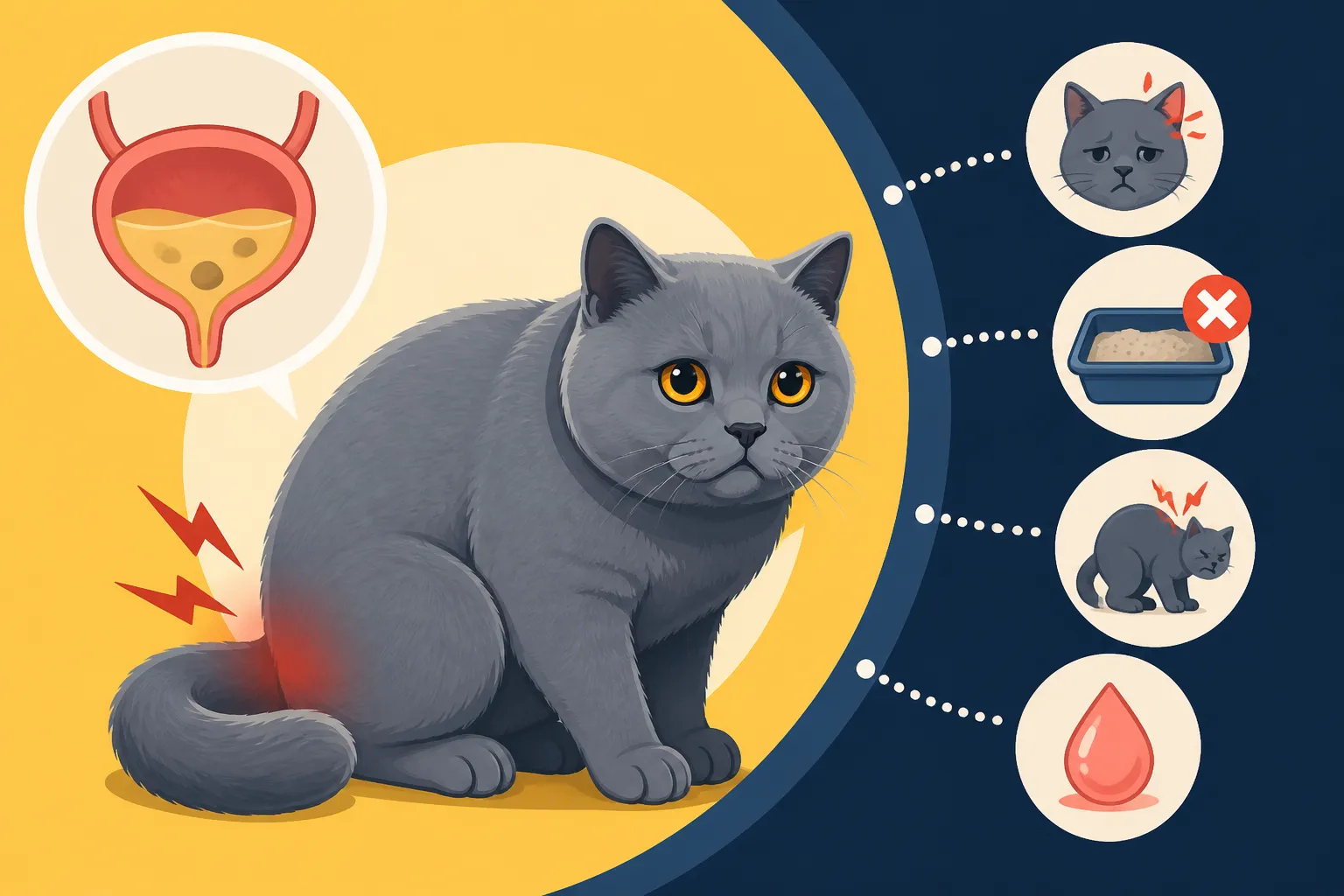
Signs a British Shorthair Cannot Urinate
There are few things that strike more fear into a cat parent's heart than seeing their beloved feline companion struggling, particularly when it comes to something as fundamental as urination. If your British Shorthair is exhibiting signs that they cannot urinate, it's not just concerning; it's a dire emergency that requires immediate veterinary attention. This guide is here to walk you through exactly what those critical signs look like, why they happen, and what urgent steps you need to take to help your precious kitty.
The Alarming Reality of Urinary Blockages in British Shorthairs
It’s truly a terrifying experience to watch your British Shorthair make repeated trips to the litter box, crouch down, strain with all their might, and then produce nothing or just a few agonizing drops. This isn't just a "wait and see" situation; it's a life-threatening medical emergency. Urinary blockages can escalate quickly, turning from a discomfort into a critical situation within hours.
Why British Shorthairs (Especially Males) Are Prone
While any cat can experience urinary issues, male cats, including our robust British Shorthairs, are particularly susceptible to complete urinary blockages. The reason? Their anatomy. Male cats have a much narrower urethra compared to females, making them more prone to blockages from tiny crystals, stones, or even mucous plugs. Think of trying to drain a sink with a very fine mesh filter – it clogs much more easily than one with a wide opening.
Furthermore, British Shorthairs are known for their calm, sometimes stoic demeanor. This wonderful trait, while making them delightful companions, can also be a double-edged sword when it comes to health issues. They are masters at hiding pain and discomfort, often to their own detriment. By the time you notice overt signs of distress, the problem might be quite advanced. It's why being vigilant about subtle changes in their litter box habits and overall demeanor is so incredibly important for British Shorthair owners. If you've been grappling with general concerns about your cat's health, it might be helpful to review articles like Signs a British Shorthair Is Unwell.
What's Actually Happening Inside Their Urinary System
When a cat's urethra becomes blocked, urine can't leave the bladder. The bladder then starts to fill up, becoming distended and incredibly painful. Imagine a balloon that just keeps getting filled with water but has no way to release it. The pressure builds, and this isn't just uncomfortable; it's actively dangerous. The kidneys, which are constantly filtering waste products from the blood to produce urine, continue to do their job, but with nowhere to go, these toxins start to back up into the bloodstream. This leads to a rapid accumulation of toxins like potassium, which can quickly become fatal if not addressed.
The most common culprits behind these blockages are tiny crystals that form in the urine, often magnesium ammonium phosphate (struvite) or calcium oxalate. These crystals can clump together to form stones, or they can combine with mucus and cells to create a "urethral plug." Other less common causes can include inflammation (often linked to Feline Idiopathic Cystitis or FIC), tumors, or even severe spasms of the urethra. Understanding Urinary Problems in a British Shorthair in general can provide a broader context, but a full blockage is a very specific, acute crisis. For more about one of the specific culprits, you might look into Bladder Stones in a British Shorthair.
Recognizing the Urgent Red Flags
Identifying a urinary blockage quickly is paramount. Because British Shorthairs can be so good at masking discomfort, you need to be extra observant. Any deviation from their normal litter box routine or behavior warrants a closer look, but these specific signs indicate a severe problem.
Straining and Frequent Litter Box Trips
This is often the first and most obvious sign. You might see your British Shorthair going to the litter box much more frequently than usual. They'll squat in the typical urination posture, sometimes for an extended period, and strain intently. The distressing part is that despite all this effort, little to no urine actually comes out. You might find tiny drops of urine, or nothing at all, which is incredibly deceptive and can make owners think their cat is simply constipated.
Pay close attention to the quantity of urine in the litter box clumps. If you usually see several good-sized clumps throughout the day and suddenly there are only small ones, or none at all, this is a massive red flag. Sometimes, cats will try to urinate in unusual places, not because they are "misbehaving," but because they associate the litter box with pain and are desperately trying to find relief elsewhere. Don't punish them for this; it's a sign of profound distress. It's a clear signal that something is critically wrong, and your cat needs immediate help. This is often the primary reason to suspect Why a Male British Shorthair Blocks.
Vocalization and Changes in Demeanor
Our British Shorthairs are typically not very vocal cats. Their quiet, placid nature is one of their charms. So, if you hear your usually silent companion vocalizing more than usual—crying, howling, or making distressed meows, especially while in or near the litter box—your alarm bells should be ringing loudly. This is their way of communicating extreme pain, and it should never be ignored.
Beyond vocalization, you might notice significant changes in their demeanor. They may become restless, unable to settle, pacing anxiously, or repeatedly getting up and lying down. Conversely, some cats might become withdrawn, hiding away in unusual spots, a common behavior for cats when they feel unwell or vulnerable. They might also appear hunched or guarded, not wanting to be touched, especially around their abdomen. Any sudden, unexplained shift in your British Shorthair's typical calm and composed personality is a serious indicator that something is amiss. It’s part of a broader pattern of How a British Shorthair Hides Pain.
Loss of Appetite, Lethargy, and Vomiting
As the toxins build up in your cat's system, the effects become systemic, meaning they impact the whole body. You'll likely notice a marked decrease in appetite, or a complete refusal to eat. A cat that normally devours its meals suddenly turning its nose up at food is a significant cause for concern. Following this, lethargy will set in. Your British Shorthair, usually a master of relaxation, will appear unusually tired, weak, and disinterested in play or interaction. They might sleep more profoundly, or simply lie in one spot, unwilling to move.
Vomiting is another very serious sign. This occurs as the toxins, particularly urea, accumulate in the bloodstream and begin to irritate the gastrointestinal tract. If you see vomiting in conjunction with straining to urinate, you are definitely looking at a full-blown emergency. In some cases, a cat's abdomen might also feel distended or painful to the touch. Gently feeling your cat's lower belly (if they allow it without showing extreme pain) might reveal a very hard, golf-ball or even grapefruit-sized bladder. This is a sign of extreme urgency. When it comes to significant shifts in energy or appetite, it reminds us how important it is to track What Changes in a British Shorthair After Ten as they age, though these acute symptoms are far more severe than typical aging changes.
Summary of Urgent Signs:
| Symptom | Description | Urgency Level |
|---|---|---|
| Straining to Urinate | Repeated attempts in litter box, squatting posture, little to no urine produced. | CRITICAL |
| Frequent Litter Box Trips | Going in and out of the box much more often, but producing little. | CRITICAL |
| Vocalization | Crying, howling, distressed meows, especially while trying to urinate. | HIGH |
| Restlessness/Hiding | Pacing, inability to settle, or conversely, withdrawing and hiding. | HIGH |
| Loss of Appetite | Refusal to eat, even favorite foods. | HIGH |
| Lethargy/Weakness | Unusually tired, weak, unresponsive, disinterest in activity. | HIGH |
| Vomiting | Bringing up food or bile, often accompanies severe toxin buildup. | CRITICAL |
| Painful Abdomen | Hissing, swatting, or flinching when touched around the lower belly. | CRITICAL |
| Licking Genital Area | Excessive licking of the penis/perineum area due to discomfort. | MEDIUM |
| Urinating Outside Box | Attempting to urinate in unusual spots, often small puddles, out of desperation. | MEDIUM |
Immediate Action: When to Rush to the Vet
I cannot stress this enough: if you observe any of these critical signs, especially straining with no urine production or vomiting, do not wait. This is not a situation where you can afford to monitor for a few hours or wait until your regular vet opens in the morning.
The Critical Time Window for Intervention
A urinary blockage is a true medical emergency, just like a human having an appendicitis burst or a severe allergic reaction. Without intervention, a complete urinary blockage can be fatal within 24 to 48 hours, sometimes even sooner. The buildup of toxins, particularly potassium, can lead to severe heart rhythm abnormalities and kidney damage. Every hour that passes increases the risk of irreversible damage and makes the prognosis for recovery significantly worse.
If you suspect a blockage, call your veterinarian or your nearest emergency veterinary clinic immediately. Describe your cat's symptoms clearly and tell them you suspect a urinary blockage. They will likely advise you to bring your British Shorthair in right away. Time is truly of the essence in these situations, and quick action can be the difference between life and death for your cat.
What to Expect at the Emergency Vet
When you arrive at the emergency clinic, the veterinary team will quickly assess your British Shorthair. They will perform a physical exam, which usually includes gently palpating the abdomen to feel the size and firmness of the bladder. If the bladder is hard and distended, it confirms the suspicion of a blockage. They'll also check their heart rate, breathing, and overall hydration.
Diagnostic tests typically include blood work to check kidney function and electrolyte levels (especially potassium), and a urinalysis to look for crystals or infection. An ultrasound may be performed to visualize the bladder and urethra for stones or other issues. The primary goal of treatment is to relieve the blockage. This usually involves sedating or anesthetizing your cat and then passing a urinary catheter into the urethra to unblock it. Once the catheter is in place, the bladder will be flushed to remove any remaining crystals or plugs. Your cat will likely need to be hospitalized for a few days with the catheter in place, receiving intravenous fluids and medications to help flush out toxins, manage pain, and prevent spasms. Be prepared for a significant financial cost, as emergency care can be expensive. Many owners find peace of mind with pet insurance providers like Healthy Paws, which can help cover the unexpected costs of such critical emergencies. It's a proactive step that can make a huge difference during a stressful time like this. For details on potential costs, you might find What a British Shorthair's Blocked Bladder Costs informative.
Post-Blockage Care and Prevention
Surviving a urinary blockage is a huge relief, but the journey doesn't end there. Proper aftercare and preventative measures are crucial to minimize the risk of recurrence.
Managing Recovery at Home
Once your British Shorthair is discharged from the hospital, they will likely come home with several medications. These typically include pain relievers, anti-inflammatory drugs, and possibly muscle relaxants to help the urethra stay open. Administering these medications exactly as prescribed by your vet is vital for their comfort and recovery. You'll also need to closely monitor their litter box habits. Make sure they are urinating freely and frequently. Keep an eye on the volume of urine and ensure there are no signs of straining.
Your vet will almost certainly recommend a prescription urinary diet, like those from Hills c/d, Royal Canin SO, or Purina Pro Plan UR. These specialized foods are formulated to promote a healthy urinary pH, dissolve certain types of crystals, and prevent their reformation. They might seem more expensive than regular food, but the cost of treating another blockage far outweighs the difference. For more details, see What a Prescription Urinary Diet Costs a British Shorthair Owner. Consistency is key here; don't mix it with other foods unless specifically instructed by your vet, as even small amounts of non-prescription food can counteract the diet's benefits.
Long-Term Prevention Strategies
Preventing future blockages involves a multi-pronged approach, focusing on diet, hydration, and stress reduction.
-
Dietary Management: Sticking to the prescription urinary diet is the cornerstone of prevention. Your vet will recommend the best one for your British Shorthair based on the type of crystals or stones found. If prescription food isn't necessary or feasible, opting for a high-quality wet food is often recommended over dry kibble. Wet food significantly increases water intake, which helps dilute the urine and makes it harder for crystals to form. Articles like Whether a British Shorthair Needs Wet Food can offer more insights into this choice.
-
Increased Water Intake: Hydration is paramount. Beyond wet food, encourage your British Shorthair to drink more water. Provide multiple water bowls in different locations, consider a pet water fountain (many cats prefer moving water), and clean them daily to keep the water fresh. Some owners even add a little extra water to their cat's wet food. You can learn more about this by reading How Much Water a British Shorthair Should Drink.
-
Stress Reduction: Stress is a known trigger for Feline Idiopathic Cystitis (FIC), which can lead to inflammation and plugs, even without crystals. British Shorthairs, despite their calm exterior, can still be sensitive to environmental changes. Minimize household stressors by providing a consistent routine, ample hiding spots, vertical spaces (cat trees), and enrichment through play. Consider using feline pheromone diffusers like Feliway to create a more calming environment. If you have multiple cats, ensure there are enough resources (litter boxes, food bowls, water stations) to prevent competition.
-
Regular Veterinary Check-ups: Regular vet visits are important for monitoring your cat's urinary health, especially after a blockage. Your vet might recommend periodic urine checks to ensure the diet is working effectively and that crystals aren't reappearing. Early detection of minor issues can prevent them from escalating into another emergency. It's truly an investment in your cat's long-term health, and having a pet insurance plan like Healthy Paws can help manage these ongoing health monitoring costs, ensuring you can provide the best care without financial strain.
A urinary blockage is a truly frightening ordeal, but by understanding the signs and acting swiftly, you can significantly improve your British Shorthair's chances of a full recovery and a long, healthy life.
Disclaimer
This article is intended for informational purposes only and is not a substitute for professional veterinary advice, diagnosis, or treatment. If you suspect your British Shorthair is experiencing a urinary blockage or any other medical emergency, please contact your veterinarian or an emergency veterinary clinic immediately. Do not delay seeking professional help based on information read online.