Whether a Diabetic British Shorthair Can Go Into Remission
Receiving a diagnosis of diabetes for your beloved British Shorthair can be incredibly unsettling. You're immediately hit with a wave of worry about daily insulin shots, dietary restrictions, and the overall impact on your cat's quality of life. Many owners wonder if this is a lifelong sentence for their furry companion, asking themselves, "Can a diabetic British Shorthair ever go into remission?" The good news is, for a significant number of cats, especially if caught early, diabetic remission is indeed a very real and achievable goal. This comprehensive guide will walk you through what feline diabetes means for your British Shorthair, the pathway to remission, and how to support your cat every step of the way.
Understanding Diabetes in British Shorthairs
Before we delve into remission, it's crucial to understand why British Shorthairs, in particular, might be susceptible to diabetes and what the condition entails. Feline diabetes mellitus, much like in humans, is a metabolic disorder where the body either doesn't produce enough insulin or can't effectively use the insulin it produces. Insulin is a vital hormone that helps glucose (sugar) from food enter cells to be used for energy. Without it, sugar builds up in the bloodstream, leading to various health complications.
Why British Shorthairs Are Prone to Diabetes
Our charming British Shorthairs are known for their calm demeanor and robust, cobby build. While these traits make them incredibly appealing companions, they also contribute to a higher risk of certain health issues, including diabetes. One of the biggest culprits is their predisposition to weight gain. It's often joked that a British Shorthair's primary hobbies are eating and sleeping, and unfortunately, this isn't far from the truth for many. Their laid-back nature means they often aren't the most active cats, preferring a cozy nap on the sofa to an energetic play session. This lower activity level, combined with a hearty appetite, can easily lead to obesity.
Obesity is widely recognized as a significant risk factor for insulin resistance, which is often the precursor to type 2 diabetes in cats. When a cat is overweight, its body's cells become less responsive to insulin, requiring the pancreas to produce more and more of the hormone. Eventually, the pancreas can become exhausted, leading to a full-blown diabetes diagnosis. This is why a British Shorthair's tendency to easily gain weight is a critical factor in their diabetic risk. It's a frustrating cycle for owners to manage, as getting a low-energy British Shorthair to move can feel like an uphill battle.
Recognizing the Signs of Diabetes
Detecting diabetes early is absolutely paramount for a British Shorthair, as early intervention significantly improves the chances of remission. The challenge is that cats are masters at hiding illness, a survival instinct that makes it tough for us owners to spot problems. However, there are some tell-tale signs that should prompt an immediate veterinary visit. You might notice your cat drinking far more water than usual – constantly at the water bowl or even seeking out unusual water sources like the sink or toilet. This increased thirst directly correlates with increased urination; you'll likely find their litter box is much wetter or needs scooping more frequently.
Another perplexing symptom is weight loss despite a seemingly normal or even increased appetite. You see your British Shorthair eating with gusto, yet they're still shedding pounds. This happens because their cells aren't getting the glucose they need for energy, so the body starts breaking down fat and muscle instead. Other signs might include a dull or unkempt coat (as they might struggle to groom themselves properly), lethargy, or even weakness in their hind legs due to nerve damage (diabetic neuropathy). If you observe any of these symptoms, don't delay. A prompt diagnosis of Diabetes in a British Shorthair is key to a positive outcome.
The Possibility of Diabetic Remission in British Shorthairs
Hearing the word "remission" after a diabetes diagnosis can feel like a ray of hope, and for good reason. Feline diabetes, particularly Type 2 (which is most common in cats), often has a strong link to diet and weight, making it potentially reversible under the right circumstances. While it's not a guarantee, many British Shorthairs can indeed achieve this state.
What Remission Means for a Diabetic Cat
When we talk about diabetic remission in cats, it doesn't necessarily mean the cat is "cured" in the sense that the underlying predisposition is gone. Instead, it means the cat no longer requires daily insulin injections to maintain normal blood glucose levels. They might still have some degree of insulin resistance or pancreatic dysfunction, but their body is able to manage blood sugar adequately through diet and lifestyle modifications alone. Think of it as putting the disease into a dormant state.
Achieving remission is truly a remarkable outcome that vastly improves a cat's quality of life and reduces the stress and cost associated with long-term insulin therapy. The main goal is to reduce the demand on the pancreas, allowing it to recover some function. This is most successfully done by strictly controlling carbohydrate intake and, for overweight cats, achieving healthy weight loss. The earlier a cat is diagnosed and treated, the better the chances of remission. Studies show that cats treated promptly within the first few months of diagnosis have a significantly higher remission rate than those treated later.
Key Factors for Achieving Remission
Successfully guiding your British Shorthair into diabetic remission is a multi-faceted process that requires commitment, consistency, and close collaboration with your veterinarian. It's not a quick fix, but a dedicated journey.
Dietary Management
This is arguably the most critical component. For cats, who are obligate carnivores, a high-carbohydrate diet is simply unnatural and puts undue strain on their systems. Diabetic cats, therefore, benefit immensely from a diet that mimics their natural prey: high in protein, moderate in fat, and very low in carbohydrates. This usually means transitioning to a canned (wet) food diet. Many commercial dry kibbles, even those marketed as "healthy," contain significant amounts of carbohydrates that can spike blood sugar.
Working with your vet or a veterinary nutritionist to select the right food is crucial. They can help you identify brands that fit these criteria. Some popular choices might include specific prescription diabetic diets, but often, many readily available commercial wet foods meet the low-carb requirements. The shift can be challenging, as British Shorthairs can be creatures of habit when it comes to food. Gradually introducing the new food over several days or weeks, mixing it with their old food, can make the transition smoother. This strict control over what How Many Calories a British Shorthair Needs and what kind of calories they get is non-negotiable for remission.
Weight Loss
Given that Obesity Is the British Shorthair's Real Disease and a major contributor to diabetes in British Shorthairs, weight loss for overweight diabetic cats is absolutely paramount for achieving remission. Shedding those extra pounds helps reduce insulin resistance, making the body's cells more responsive to insulin again. This allows the pancreas to function more effectively with less effort.
However, getting a British Shorthair to lose weight can be notoriously difficult. They are not known for their athletic prowess, and their love for food makes portion control a constant battle. Free feeding, where food is left out all day, is a definite no-go for a diabetic or overweight British Shorthair; it simply Why Free Feeding Ruins a British Shorthair. Instead, strict portion-controlled meals, often two or three times a day, are necessary. This might require calculating precise caloric intake and sticking to it rigidly. The good news is that as they lose weight, their overall mobility and energy levels often improve, which can create a positive feedback loop. Remember, slow and steady wins the race; rapid weight loss can be dangerous for cats, leading to hepatic lipidosis. Your vet will guide you on How to Put a British Shorthair on a Diet safely and effectively.
Insulin Therapy
While the goal is remission from insulin, initial insulin therapy is almost always necessary to stabilize your British Shorthair's blood glucose levels. When a cat is diagnosed with diabetes, their blood sugar is usually dangerously high, and their pancreas needs a break. Insulin injections provide the immediate relief needed, allowing the cells to start absorbing glucose and bringing blood sugar down to a safer range. This period of stabilization is vital for giving the pancreas a chance to rest and potentially recover some of its function.
Your vet will determine the type of insulin, the starting dose, and the frequency of injections (usually twice daily). It might feel daunting at first, but with a little practice and guidance, most owners become quite proficient at giving their cats injections. Consistency is key here; giving insulin at the same time each day, especially relative to meals, is crucial for effective management and setting the stage for remission.
Regular Monitoring
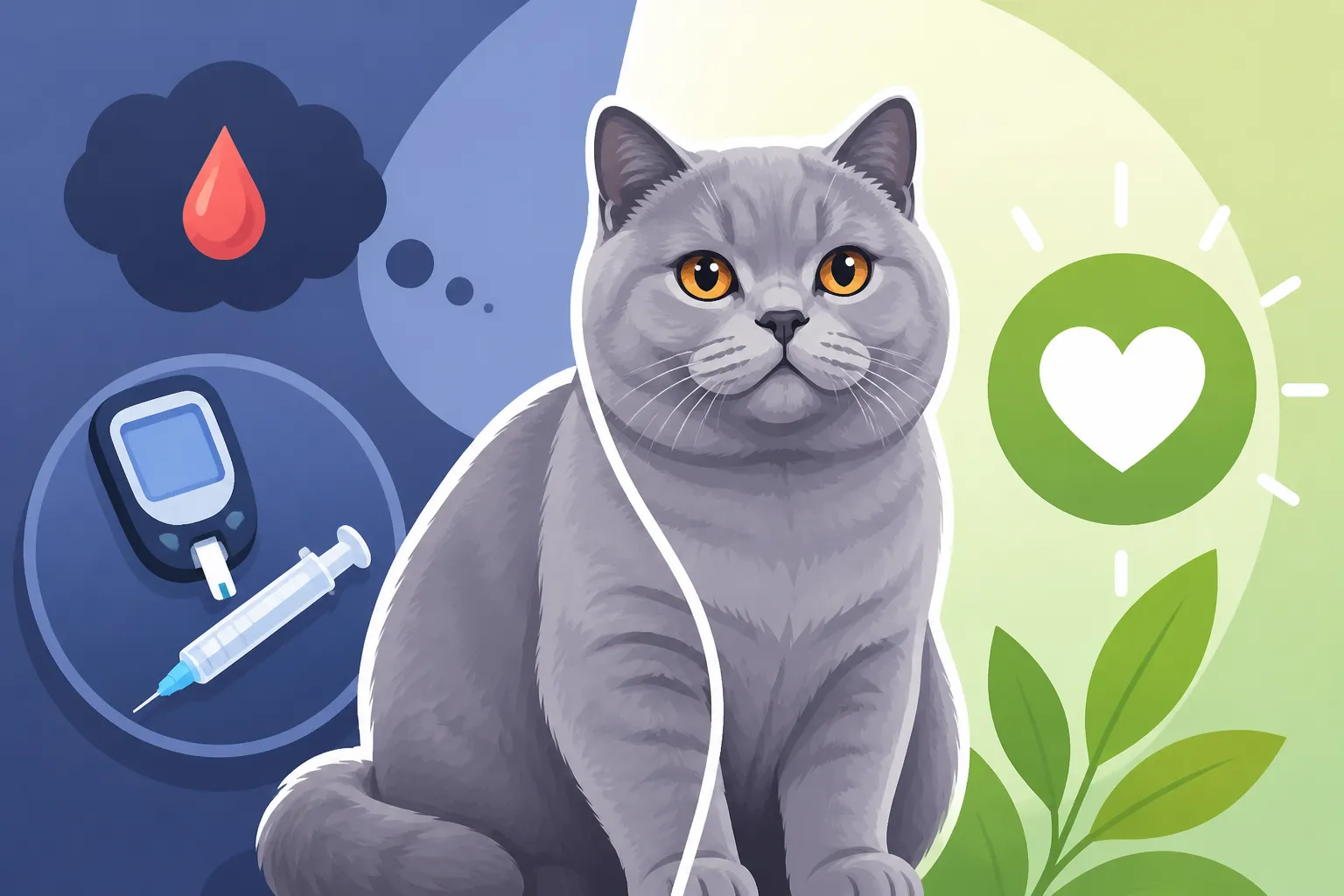
Achieving and maintaining remission requires diligent monitoring of your British Shorthair's blood glucose levels. Initially, this will involve frequent trips to the vet for blood glucose curves, which track how your cat's sugar levels change throughout the day after an insulin injection. However, home monitoring is often recommended and can be incredibly beneficial. Devices like the AlphaTrak or even human glucometers can be used to test a tiny drop of blood from your cat's ear. Some vets might even recommend continuous glucose monitors, like the Freestyle Libre, which can provide real-time data without constant needle sticks.
This regular monitoring allows you and your vet to track the effectiveness of insulin, observe how diet changes impact blood sugar, and, most importantly, identify when insulin doses can be reduced or potentially stopped altogether as your cat moves towards remission. Consistent monitoring also helps catch any signs of a relapse early, should it occur.
The Journey to Remission: What to Expect
The path to diabetic remission for your British Shorthair is not always linear, and it requires patience and dedication. It's an intensive process, particularly in the initial stages, but the potential reward of seeing your cat insulin-free is well worth the effort.
The Intensive Initial Phase
When your British Shorthair is first diagnosed, the focus is on stabilizing their blood glucose and getting them regulated on insulin. This means daily insulin injections, meticulously measured meals, and often, frequent veterinary visits. Your vet will want to perform regular blood glucose curves to fine-tune the insulin dosage. This period can be stressful for both you and your cat. You might feel overwhelmed by the new routine of injections, the constant worry about blood sugar levels, and the cost of the initial workup and insulin. Organizations like Healthy Paws can be a lifesaver during this time, helping to ease the financial burden of diagnostics and ongoing treatment.
Beyond insulin, the dietary transition is a huge part of this phase. Shifting your British Shorthair from their usual kibble to a low-carb wet food diet can sometimes be a battle of wills. Some cats take to it immediately, while others might stage a hunger strike. It's important to introduce new foods gradually and creatively, making it as palatable as possible. Your vet might suggest mixing a tiny bit of meat baby food or tuna juice with the new diet to entice a picky eater. This intensive phase sets the foundation for pancreatic recovery, and consistency during this time is paramount.
Monitoring for Remission
As your British Shorthair's blood glucose levels stabilize and their body starts responding better to insulin (and especially to dietary changes and weight loss), you'll likely notice a decrease in their insulin requirements. This is the exciting part – the first real sign that remission might be on the horizon. Your vet will guide you on how to carefully reduce insulin dosages based on blood glucose readings. This is a delicate balancing act; reducing too quickly can lead to a relapse, while not reducing enough can cause episodes of hypoglycemia (dangerously low blood sugar).
Home monitoring becomes even more critical during this phase. Daily or even twice-daily blood glucose checks will provide invaluable data. You'll be looking for consistent readings within a healthy range, especially before insulin injections, indicating that their body is handling more of the glucose on its own. Your vet might also use fructosamine tests, which give an average blood glucose level over the past 2-3 weeks, providing a broader picture than a single spot check. When your cat can consistently maintain normal blood glucose levels without any insulin for a period (often several weeks), they are considered to be in remission. This milestone is a huge relief and a testament to your hard work.
Life After Remission: Maintaining Health
Achieving remission is a monumental victory, but it's not a finish line where you can simply revert to old habits. While your British Shorthair might no longer need daily insulin, they will always have a predisposition to diabetes, making ongoing vigilance essential to prevent a relapse.
Staying Vigilant Against Relapse
The reality is that a significant percentage of cats in remission will eventually relapse, especially if strict management protocols aren't maintained. It's not a personal failure if it happens, but rather a reminder of the chronic nature of the disease. Therefore, even after your British Shorthair is insulin-free, they must continue on their low-carbohydrate, portion-controlled diet for life. Any deviation, such as sneaking high-carb treats or reverting to dry kibble, can quickly cause blood sugar levels to rise again, exhausting the recovering pancreas. It's a tough commitment, but essential for their long-term health.
Regular veterinary check-ups remain crucial. Your vet might recommend periodic blood glucose or fructosamine checks, even if your cat seems perfectly healthy, just to catch any rising trends early. Be hyper-aware of any re-emergence of the original Signs a British Shorthair Is Diabetic, such as increased thirst, urination, or unexplained weight changes. Catching a relapse quickly means treatment can be re-instituted before the condition becomes severe, often leading to a second chance at remission. Remember that even in remission, maintaining ideal weight for your British Shorthair is key, as the costs associated with What an Overweight British Shorthair Costs at the Vet can quickly add up if their health declines.
Supporting Your British Shorthair's Well-being
Beyond diet, creating an environment that supports your British Shorthair's overall health and well-being is vital for preventing relapse and ensuring a long, happy life. While they might not be as energetic as some breeds, encouraging even moderate activity can help maintain a healthy weight and improve insulin sensitivity. This might involve short, consistent play sessions with a wand toy or a laser pointer (used carefully to avoid frustration), or even puzzle feeders that make them "work" for their low-carb meals. Even for a cat that would rather not, finding ways of Getting a Low Energy British Shorthair to Move can make a difference.
Mental stimulation is also important. Provide cat trees for climbing (if their joints allow and they are still limber enough), window perches for bird watching, and a variety of toys to keep their minds engaged. A stress-free home environment contributes to overall health, as stress can sometimes impact blood sugar. Regular grooming, especially for an older British Shorthair who might struggle to reach all areas, helps maintain coat health and allows you to monitor their body condition closely. And finally, considering pet insurance like Healthy Paws, even after remission, can provide peace of mind. Should your British Shorthair relapse or develop other age-related conditions common in The Age a British Shorthair Is Considered Senior, having coverage can make difficult decisions a little easier. Regular What a British Shorthair's Yearly Bloodwork Should Cover will also help detect any subtle changes that might indicate an impending health issue.
Factors Influencing Diabetic Remission in British Shorthairs
Here's a quick look at the key factors that can either boost or hinder your British Shorthair's chances of achieving diabetic remission:
| Factor | Impact on Remission Success |
|---|---|
| Early Diagnosis | High Success: The sooner treatment begins, the less damage to the pancreas, increasing remission chances. |
| Low-Carbohydrate Diet | Crucial: Essential for reducing glucose spikes and insulin demand. |
| Weight Loss (if overweight) | Critical: Improves insulin sensitivity and reduces pancreatic strain. |
| Consistent Insulin Therapy | Necessary Initial Step: Stabilizes blood sugar, allowing the pancreas to rest and recover. |
| Diligent Monitoring | Essential: Allows for safe insulin dose adjustments and early detection of remission/relapse. |
| Owner Compliance | Paramount: Strict adherence to diet, medication, and monitoring protocols is key. |
| Long-term Dietary Adherence | Post-Remission Must: Prevents relapse by keeping blood sugar stable. |
| High-Carbohydrate Diet | Hindrance: Contributes to insulin resistance and glucose spikes. |
| Obesity | Major Hindrance: Worsens insulin resistance; difficult to achieve remission. |
| Delayed Treatment | Low Success: Pancreatic damage may be too extensive. |
| Inconsistent Management | High Risk of Relapse: Fluctuations make stabilization and remission difficult. |
| Concurrent Diseases | Complicating Factor: Other health issues (e.g., pancreatitis, hyperthyroidism) can make remission harder. |
Disclaimer
As a friendly lifestyle blogger, I aim to provide helpful and informative content. However, I am not a veterinarian or a medical professional. The information in this article is for educational purposes only and should not be considered a substitute for professional veterinary advice. Always consult with your trusted veterinarian regarding any health concerns or before making any decisions about your British Shorthair's medical care, diet, or treatment plan.