How a British Shorthair Throws a Clot
It’s every British Shorthair owner's worst nightmare: your beloved, usually calm and placid feline companion suddenly cries out in pain, dragging a limp leg, or worse, both hind legs. This terrifying scenario often points to a condition called feline arterial thromboembolism, or FATE, commonly known as "throwing a clot." This guide is here to unravel the complex and frightening reality of how a British Shorthair can throw a clot, what triggers it, and crucially, what steps you need to take when seconds count.
Understanding the Silent Threat: Hypertrophic Cardiomyopathy in British Shorthairs
The primary culprit behind blood clot formation in British Shorthairs is almost always an underlying heart condition, specifically Hypertrophic Cardiomyopathy (HCM). This disease is heartbreakingly common in the breed and often progresses silently, making it a terrifying adversary for even the most vigilant owner. Many assume their seemingly healthy, contented British Shorthair is fine, only for a catastrophic event like a clot to suddenly shatter that illusion.
What HCM Actually Means for Your Cat's Heart
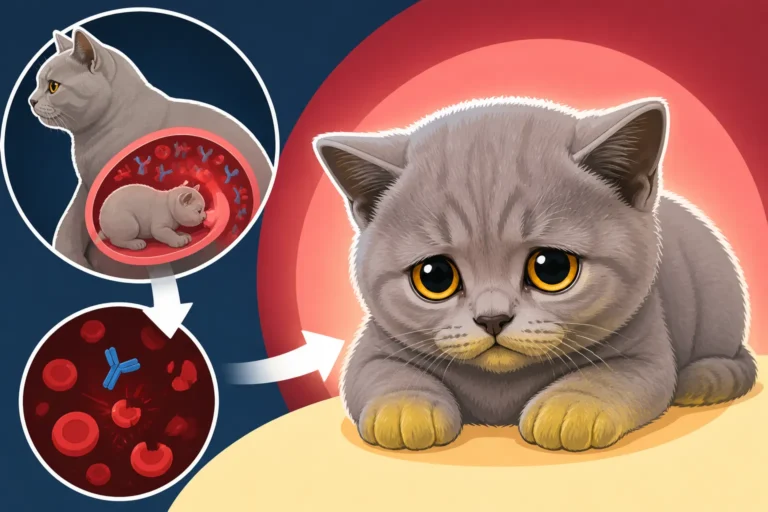
Hypertrophic Cardiomyopathy is a progressive disease where the muscular walls of the heart, particularly the left ventricle, become abnormally thickened. Imagine your heart as a powerful pump; with HCM, the muscle walls become so thick and stiff that the heart can't relax properly between beats to fill with enough blood. This means less blood is pumped out to the body with each contraction, and the heart has to work much harder. Over time, this overworking leads to a cascade of problems. The heart chambers might enlarge to compensate, and the increased pressure can cause the left atrium, in particular, to stretch and become dilated. It's in these enlarged, less efficient chambers that trouble truly begins. You might not see any overt Signs a British Shorthair Has Heart Disease until the condition is quite advanced, which is part of the challenge. Unfortunately, there's currently no simple DNA test like there is for some other breeds, meaning that HCM in a British Shorthair Has No DNA Test.
Why British Shorthairs Are Prone to This Condition
British Shorthairs have a predisposition to HCM, though the exact genetic markers are still largely unknown and under research. It’s believed to be a polygenic disease, meaning multiple genes are involved, which makes breeding out the condition incredibly difficult. The classic British Shorthair physique — that lovely, cobby body and robust build — sometimes masks early signs of cardiac stress. A British Shorthair is typically a relaxed, often sedentary cat, which means their activity levels don't usually push their hearts to extremes in daily life, allowing HCM to develop unnoticed for years. Breeders strive to produce healthy kittens, but without a definitive DNA test, they rely on regular echocardiograms (heart ultrasounds) to screen their breeding cats. The Yearly Echo That Replaces a British Shorthair Gene Test is a vital tool, but it's not foolproof, as the disease can manifest at various ages, and a cat that screens clear one year might develop signs the next. This makes responsible breeding and proactive screening challenging, but absolutely essential for the breed's health.
The Mechanics of a Clot: From Heart to Hind Legs
Once HCM has progressed to a certain point, the heart's internal environment changes, setting the stage for clot formation. This isn't just a random event; it's a direct consequence of the physiological changes occurring within the diseased heart. Understanding this progression can help you grasp the severity of the situation.
How Blood Clots Form in a Diseased Heart
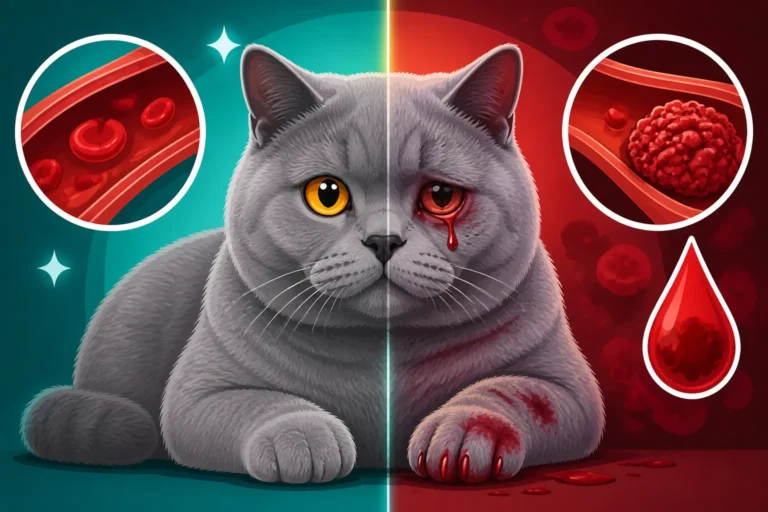
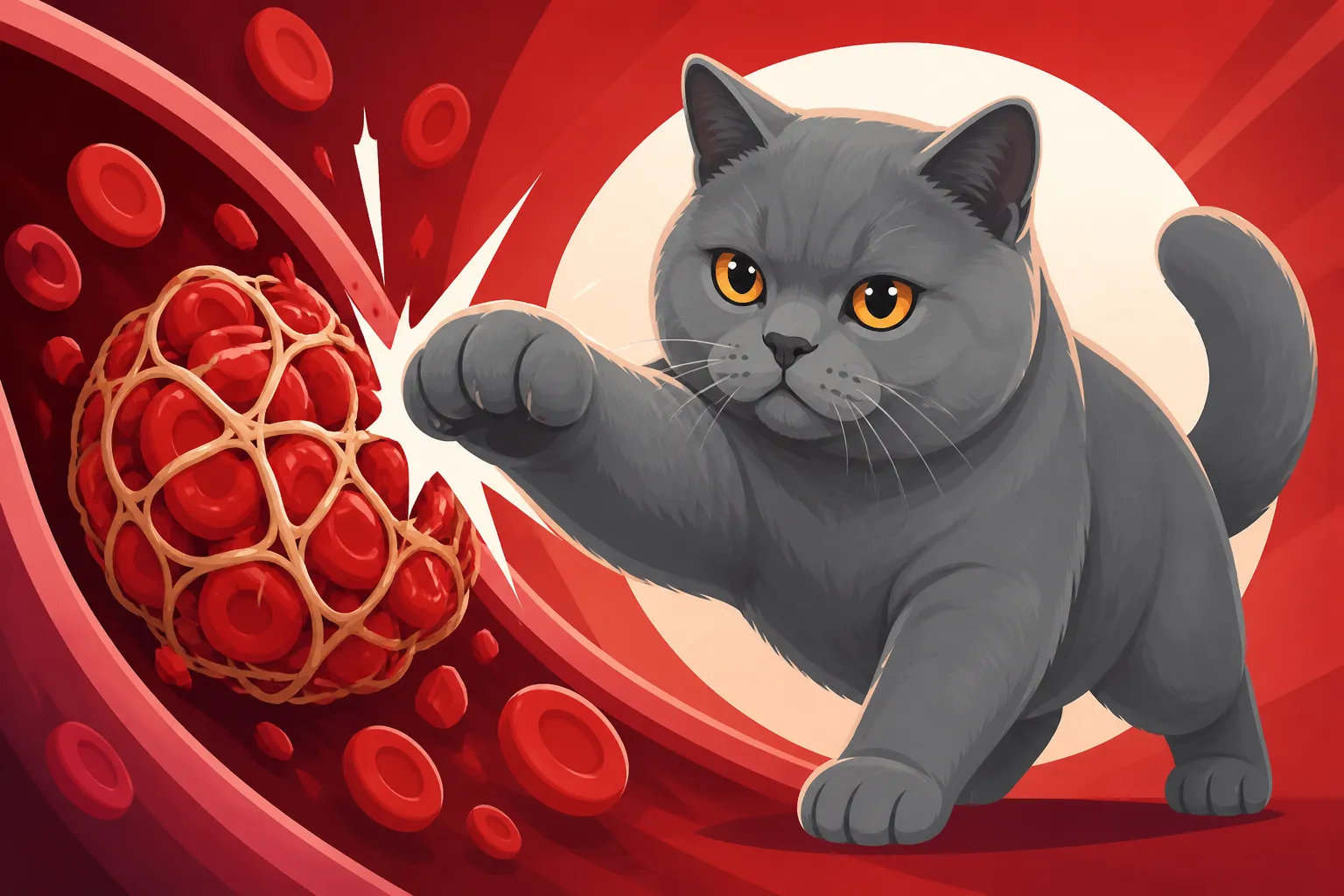
When the left atrium dilates due to HCM, the blood flow through this chamber becomes turbulent and sluggish. Think of a lazy river versus a fast-moving stream. In a slow-moving river, debris tends to settle. Similarly, in a dilated atrium, blood doesn't flow smoothly; it swirls, stagnates, and creates conditions ripe for clotting. Platelets, which are tiny blood cells responsible for clotting, can start to aggregate, forming a thrombus (blood clot) usually along the atrial wall. This clot can vary in size, from tiny specks to larger, more substantial masses. While it remains attached to the heart wall, it usually doesn't cause immediate visible problems. However, the danger lies in what happens if a piece of this thrombus breaks off. This is What HCM Does to a British Shorthair's Heart beyond just thickening.
The Journey of a Thrombus and "Saddle Thrombus" Explained
Once a piece of the clot, now called an embolus, detaches, it’s like a tiny missile launched into the arterial bloodstream. The heart continues to pump, pushing this embolus through the aorta, the main artery supplying blood to the body. Due to the anatomy of a cat's circulatory system, a common place for these emboli to lodge is at the aortic trifurcation – the point where the aorta splits into arteries supplying the hind legs. This area is often referred to as the "saddle," hence the term "saddle thrombus."
When the clot lodges here, it obstructs blood flow to one or both hind legs. This is akin to a dam blocking a river; blood can no longer reach the tissues downstream. Without oxygen and nutrients carried by the blood, the muscles and nerves in the affected leg(s) quickly begin to suffer damage, leading to intense pain, weakness, and eventually, paralysis. While a saddle thrombus is the most common presentation, clots can theoretically travel to other areas, like the front legs, kidneys, or even the brain, causing different symptoms depending on where they lodge. However, the hind leg presentation is by far the most frequent and recognizable. This catastrophic event is often the first, and sometimes only, sign of advanced HCM in many British Shorthairs. It’s a stark reminder of Why a British Shorthair Hides Heart Failure until it’s too late.
Recognizing the Emergency: Signs Your British Shorthair Has Thrown a Clot
Recognizing the signs of a thrown clot is paramount because immediate veterinary attention can make a difference in prognosis and comfort. This is not a situation where you can "wait and see." If you suspect your British Shorthair has thrown a clot, you need to act fast.
Sudden Onset of Pain and Paralysis
The most classic and alarming sign of a saddle thrombus is the sudden onset of severe pain, often accompanied by paralysis or extreme weakness in one or both hind legs. Your British Shorthair might cry out, howl, or vocalize in an uncharacteristic way. They might drag their legs, be unable to stand, or refuse to move.
- Limping or dragging: One moment they’re walking, the next they’re dragging their hindquarters or unable to use a leg at all.
- Intense pain: This is often the most striking symptom. Cats are masters at hiding pain, but a clot is so excruciating that even the most stoic British Shorthair will likely show obvious signs of distress, such as crying, hissing, growling, or attempting to bite if you touch their hind legs.
- Cold paws: Because blood flow is severely restricted, the affected paws will feel noticeably cold to the touch compared to their other paws or body temperature.
- Hard paw pads: The paw pads on the affected limb may feel very firm and unyielding, due to the lack of blood flow.
- Absent or weak femoral pulses: A veterinarian will check for femoral pulses in the inner thigh. In a cat with a saddle thrombus, these pulses will be absent or extremely weak on the affected side(s).
The suddenness of these symptoms is key. It's usually a dramatic, immediate change, not a gradual decline.
Other Critical Symptoms to Watch For
While hind leg paralysis is the hallmark, other signs might accompany a clot, or precede it, particularly if the underlying HCM is advanced. These can sometimes be subtle, which is why knowing your British Shorthair's normal behavior is so important.
- Rapid or labored breathing: If the underlying heart condition is severe, your cat might also be in congestive heart failure. This can manifest as Signs a British Shorthair Is Breathing Hard, panting, or open-mouthed breathing. This is a severe emergency on its own and often indicates fluid buildup in the lungs.
- Hiding or lethargy: While the initial pain is acute, some cats may withdraw, hide, or become extremely lethargic as they cope with the pain and shock.
- Loss of appetite: Refusal to eat or drink is another general sign of severe distress or illness.
- Weakness in other limbs: While less common, if a clot goes to a different location, you might see weakness or pain in a front leg, or other neurological signs if it travels to the brain.
It's important to differentiate a clot from other conditions. If your British Shorthair simply has What a British Shorthair's Murmur Means, it doesn't automatically mean a clot, but it signals the need for further investigation of their heart health.
The Urgency of Veterinary Intervention
If you observe any of these signs, especially the sudden pain and hind leg issues, time is of the essence. Every minute counts. You need to get your British Shorthair to an emergency veterinary clinic immediately. Do not attempt home remedies. Do not wait for your regular vet to open if it's after hours. Call ahead to the emergency clinic if possible, so they can prepare for your arrival.
The initial goal of treatment is to alleviate pain, stabilize your cat, and assess the extent of the clot. The prognosis for cats with saddle thrombus is guarded, but early and aggressive treatment can improve outcomes and offer the best chance of recovery or management.
Managing the Immediate Crisis and Long-Term Care
Dealing with a British Shorthair who has thrown a clot is emotionally draining and physically challenging. The journey involves immediate emergency care, followed by diligent long-term management to prevent recurrence and improve quality of life.
Emergency Treatment at the Veterinary Clinic
When you arrive at the emergency clinic, the veterinary team will jump into action. The first priority is pain management. Cats in this much pain are often in shock, and powerful analgesics are crucial. Opioids are typically administered to provide immediate relief. Following pain control, the focus shifts to stabilizing your cat and addressing the clot.
- Anticoagulants: Medications to break down the existing clot and prevent new ones are critical. Heparin is often given initially, followed by oral medications like clopidogrel (Plavix) for ongoing prevention.
- Fluid therapy: Intravenous fluids might be administered to maintain hydration and support kidney function, as kidney issues can sometimes arise as a complication.
- Supportive care: This includes keeping your cat warm, comfortable, and monitoring their vital signs closely.
- Addressing heart failure: If your British Shorthair is also in congestive heart failure (often indicated by labored breathing), diuretics like furosemide will be given to remove fluid from the lungs, and other heart medications to support cardiac function. This complex approach highlights How a British Shorthair With HCM Is Treated in a crisis.
- Assessment of prognosis: The veterinary team will continuously monitor the affected limbs for signs of blood flow return, sensation, and movement. Unfortunately, not all cats regain full function, and some may not survive the initial crisis due to the severity of the clot or the underlying heart disease.
Long-Term Management and Prevention Strategies
If your British Shorthair survives the acute phase, the focus shifts to long-term management to prevent another devastating event. This will involve lifelong medication and close monitoring.
- Oral anti-clotting medications: Your cat will likely go home on a daily regimen of oral anti-platelet drugs, such as clopidogrel, to minimize the risk of new clots forming.
- Heart medications: Medications to manage HCM, such as beta-blockers (e.g., atenolol) or ACE inhibitors (e.g., benazepril), might be prescribed to help the heart function more efficiently and reduce the risk of clot formation. Which Medication a British Shorthair With HCM Takes will depend on the specifics of their heart condition.
- Regular veterinary check-ups: Frequent follow-up appointments with your veterinarian and potentially a veterinary cardiologist will be necessary. This includes regular echocardiograms to monitor the progression of HCM and assess the effectiveness of medication.
- Weight management: Keeping your British Shorthair at a healthy weight is vital. Obesity puts extra strain on the heart and can exacerbate health issues, making Obesity Is the British Shorthair's Real Disease a serious concern that impacts heart health.
- Environmental enrichment: While managing a cat with heart disease, gentle play and a calm environment are important. Excessive stress can also be detrimental.
- Monitoring at home: You'll need to remain vigilant for any signs of recurrence or worsening heart disease, such as changes in breathing patterns, lethargy, or renewed pain.
It's a challenging road, but with dedicated care, some British Shorthairs can live for some time after an HCM diagnosis, though a clot significantly complicates the prognosis. How Long a British Shorthair Lives After an HCM Diagnosis can vary widely depending on the individual case and the severity of the initial event.
The Financial Burden and Insurance Considerations
The cost associated with treating a British Shorthair who has thrown a clot, combined with the ongoing management of HCM, can be substantial. Emergency veterinary care, including diagnostics, hospitalization, and initial medications, can easily run into thousands of dollars. Long-term medications, specialist consultations, and recurring echocardiograms add up over time. It's a financial reality that often blindsides owners who were unaware of their cat's silent heart disease. Many owners wish they had explored Insuring a British Shorthair earlier.
This is where pet insurance can be a lifesaver. Companies like Healthy Paws offer comprehensive pet insurance plans that can help alleviate the financial stress of such unexpected and serious health crises. While policies vary, a good insurance plan from a provider like Healthy Paws could cover a significant portion of emergency treatment costs, ongoing medications, and even specialist visits. It’s definitely something to consider for any British Shorthair owner, especially given the breed's predisposition to HCM. Having insurance coverage, particularly from a reputable company like Healthy Paws, allows you to make medical decisions based on what’s best for your cat, rather than solely on your wallet. Being prepared for What a British Shorthair Owner Should Bank for a Clot is a harsh but necessary reality.
Symptoms of Arterial Thromboembolism and Immediate Action
Here's a quick summary to help you recognize and respond to a potential clot event:
| Symptom Category | Specific Signs to Watch For | Immediate Action |
|---|---|---|
| Pain & Mobility | Sudden crying/howling, limping, dragging hind legs, inability to stand, paralysis. | Contact emergency vet immediately. Minimize handling to avoid worsening pain. |
| Limb Assessment | Affected paws feel cold, paw pads feel hard/firm, absent or very weak femoral pulses. | Note these signs for the vet. Do not attempt to warm the limb or massage. |
| Breathing | Rapid breathing, open-mouthed breathing, panting, labored breaths. | This indicates severe heart compromise; inform the vet immediately upon arrival. |
| Behavioral Changes | Hiding, extreme lethargy, sudden aggression (due to pain), refusal to eat/drink. | Observe and report to the vet. These are general signs of severe illness. |
| Overall Urgency | Symptoms appear suddenly and are severe. | DO NOT WAIT. Seek immediate emergency veterinary care. Time is critical for prognosis. |
Remember, a thrown clot is a life-threatening emergency. Rapid identification of symptoms and immediate veterinary care offer your British Shorthair the best chance for survival and recovery.
Disclaimer
The information provided in this article is for educational purposes only and is not intended to be a substitute for professional veterinary advice, diagnosis, or treatment. Always seek the advice of your veterinarian or other qualified animal health provider with any questions you may have regarding a medical condition.