Which Medication a British Shorthair With HCM Takes
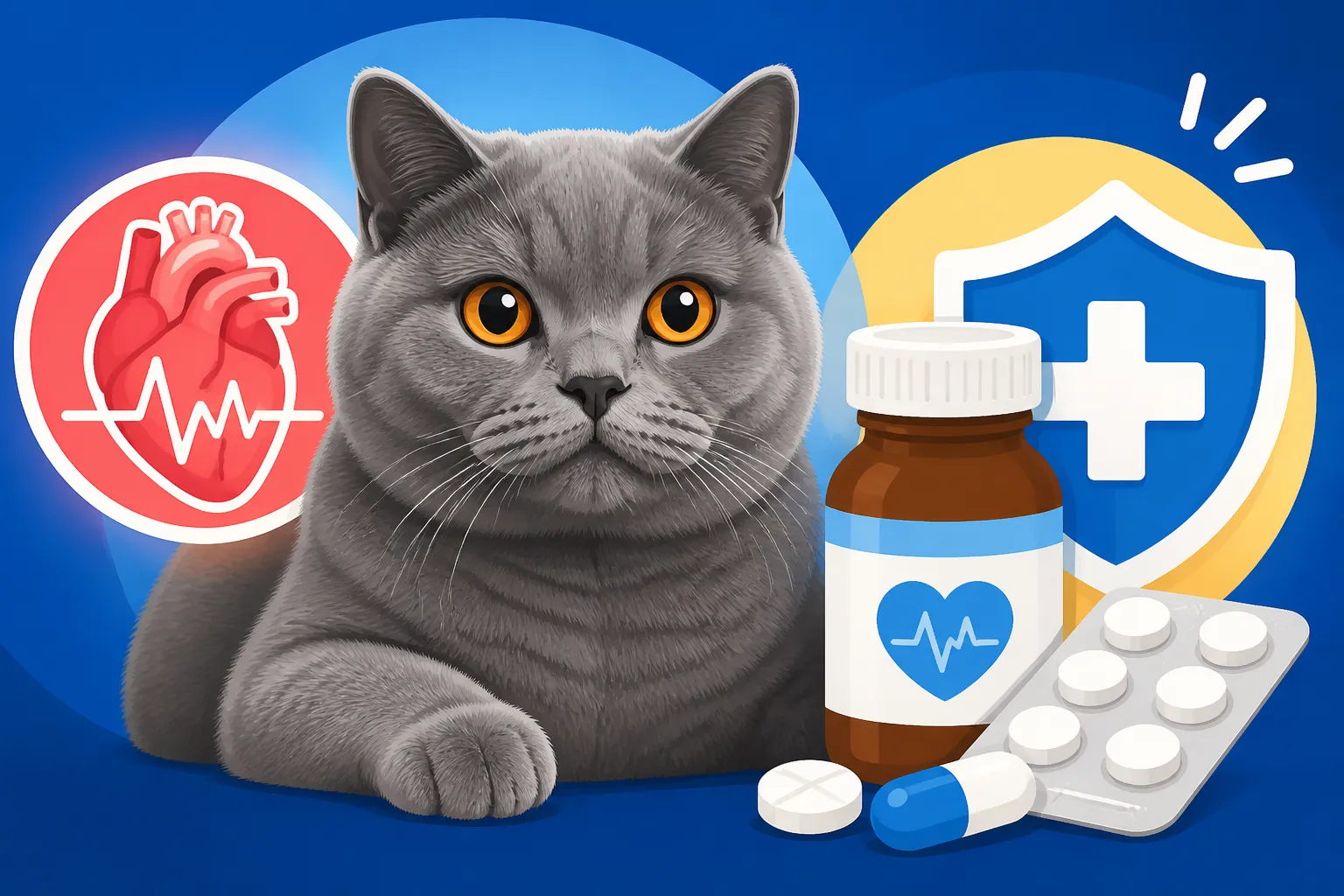
Receiving a diagnosis of Hypertrophic Cardiomyopathy (HCM) for your beloved British Shorthair can be incredibly unsettling. It's a scary moment, filled with a flood of questions and worries about your cat's future and how you'll manage their health. This guide aims to demystify the medical side of HCM, helping you understand the common medications prescribed, what they do, and what to expect in managing your British Shorthair's heart health.
Understanding Hypertrophic Cardiomyopathy (HCM) in British Shorthairs
Hypertrophic Cardiomyopathy (HCM) is the most common heart disease in cats, and unfortunately, British Shorthairs are genetically predisposed to it. It’s not something you did wrong; it's often a silent, inherited condition that quietly progresses. Many owners only discover it during a routine vet check-up or when more severe symptoms suddenly appear.
What HCM Really Means for Your Cat
In simplest terms, HCM means the muscular walls of your cat's heart, particularly the left ventricle, become abnormally thickened. This thickening makes the heart muscle stiff and less efficient at pumping blood throughout the body. Imagine a pump that's trying to push water through a hose, but the pump itself is becoming narrower and stiffer inside – it just can't work as effectively. This reduced efficiency can lead to several problems, including impaired relaxation of the heart muscle, increased pressure within the heart, and sometimes, a narrowing of the outflow tract from the left ventricle. This disease can be subtle at first, often showing no outward signs until it's quite advanced. You might not even realize anything is amiss until a routine veterinary visit uncovers a heart murmur or a veterinarian suggests a specialized screening. For a deeper dive into how this affects your cat, you can learn more about What HCM Does to a British Shorthair's Heart.
Why a British Shorthair Gets HCM
The predisposition of British Shorthairs to HCM is largely genetic. While the exact gene mutation identified in breeds like Maine Coons doesn't apply to British Shorthairs (leading to frustrations like Why There Is No British Shorthair HCM Gene Test), the breed is still known for having a higher incidence. This means that if you have a British Shorthair, even one from a reputable breeder, there's always a possibility they could develop HCM. It's a heartbreaking reality for many owners and breeders who strive to produce healthy cats, but the genetic complexity makes it a difficult challenge to breed out entirely. Regular screening via echocardiograms is currently the most reliable method to detect the disease. Understanding How Common HCM Is in British Shorthairs can help set realistic expectations for monitoring your pet's health.
The Goals of Medication for Feline HCM
When your British Shorthair is diagnosed with HCM, medication isn't about curing the disease – there's no cure for HCM in cats. Instead, the focus is entirely on management: improving your cat's quality of life, slowing the progression of the disease, alleviating symptoms, and preventing dangerous complications. It’s about giving your furry friend the best chance at a comfortable and happy life, for as long as possible.
Slowing Progression and Managing Symptoms
The primary goal of HCM medication is to improve heart function and reduce the strain on the heart. This means using drugs that can help the thickened heart muscle relax more effectively, lower the heart rate if it's too fast, and improve blood flow. For instance, some medications help reduce the dynamic outflow tract obstruction that can occur in some HCM cats, where the thickened muscle actually blocks the exit path for blood, making the heart work even harder. If your cat is showing signs of discomfort or reduced activity, these medications can often bring about a noticeable improvement, making them feel much better. A carefully chosen regimen can significantly impact how your British Shorthair feels day-to-day.
Preventing Complications
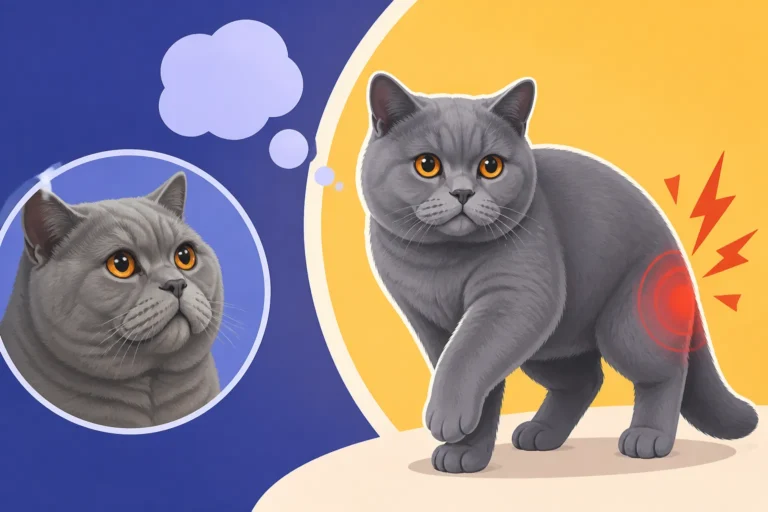
Beyond managing the direct effects of HCM on the heart, a crucial aspect of treatment is preventing severe secondary complications. The sluggish blood flow through an enlarged, stiff heart can create conditions ripe for blood clot formation within the heart chambers. These clots can then dislodge and travel, often lodging in the arteries that supply blood to the hind legs, a devastating condition known as feline aortic thromboembolism (FATE) or "saddle thrombus." This is an incredibly painful and often fatal event. Medications aimed at preventing clot formation are therefore a cornerstone of HCM treatment for many cats, particularly those deemed at higher risk. It's a proactive step that can save your cat from immense suffering. Learning about How a British Shorthair Throws a Clot can highlight the urgency of preventative measures. The consequences of such an event, like What Saddle Thrombus Does to a British Shorthair, are truly something every owner hopes to avoid.
Common Medications Prescribed for British Shorthair HCM
The specific cocktail of medications your British Shorthair will take depends entirely on the severity of their HCM, whether they are showing symptoms, and if they have developed any complications. A veterinary cardiologist will tailor a treatment plan unique to your cat, often involving a combination of different drug classes.
Beta-Blockers: Atenolol
Beta-blockers, with atenolol being a commonly prescribed option, are often among the first lines of defense for British Shorthairs with HCM. These medications work by slowing down the heart rate, allowing the heart more time to fill with blood between beats. They also help the heart muscle relax more effectively, reducing the stiffness that is characteristic of HCM. By reducing the heart’s workload and improving its relaxation, beta-blockers can alleviate symptoms and potentially slow the progression of the thickening. Your cat might become a little more sedate, but the goal is to make their heart function more efficiently and reduce stress on the organ.
Calcium Channel Blockers: Diltiazem
Another popular choice, sometimes used instead of or in conjunction with beta-blockers, is diltiazem. This is a calcium channel blocker that also helps relax the heart muscle and reduces the heart rate. Diltiazem is particularly useful in British Shorthairs where there's significant dynamic outflow tract obstruction, meaning the thickened muscle is blocking blood flow out of the heart. By relaxing the muscle, it can help ease this obstruction, allowing blood to pump more freely. Both atenolol and diltiazem can improve the heart’s ability to fill with blood, which is crucial for overall cardiac function.
ACE Inhibitors: Benazepril and Enalapril
ACE inhibitors like benazepril and enalapril play a role in managing HCM by helping to relax blood vessels, which in turn reduces the overall workload on the heart. When the heart is struggling to pump blood, the body's natural response can sometimes exacerbate the problem by constricting blood vessels, making the heart work even harder. ACE inhibitors counteract this, helping to lower blood pressure and making it easier for the heart to pump blood. While not always the primary medication for HCM, they can be a valuable addition, especially if there are signs of heart failure or hypertension.
Diuretics: Furosemide (Lasix)
Diuretics, such as furosemide (often known by the brand name Lasix), are absolutely critical if your British Shorthair's HCM has progressed to congestive heart failure. When the heart can't pump blood effectively, fluid can back up, leading to fluid accumulation in the lungs (pulmonary edema) or around the lungs (pleural effusion). This is when you might see signs like rapid breathing, open-mouth breathing, or coughing – urgent symptoms that signal a crisis. Furosemide works by helping the body excrete excess fluid, relieving pressure on the lungs and making it easier for your cat to breathe. It’s a powerful medication, but it's used with careful monitoring as it can also lead to dehydration or electrolyte imbalances. This is a crucial part of How a British Shorthair With HCM Is Treated once symptoms are evident.
Anti-Thrombotic Medications: Clopidogrel (Plavix)
Given the high risk of blood clot formation in cats with HCM, anti-thrombotic medications like clopidogrel (known as Plavix in human medicine) are often prescribed as a preventative measure. Clopidogrel works by making the platelets in the blood less sticky, thereby reducing their ability to clump together and form dangerous clots. This medication is vital for British Shorthairs considered at moderate to high risk of thromboembolism, even if they aren't showing signs of heart failure. It can be a daily medication for life, and while it doesn't come without its own potential side effects, the benefit of preventing a saddle thrombus usually far outweighs the risks. Keeping a close eye on Signs a British Shorthair Has Heart Disease can help you and your vet determine when such preventative measures are necessary.
Other Potential Medications and Supplements
In some cases, your cardiologist might also consider other medications. Spironolactone, a mild diuretic, may be used for its anti-fibrotic properties and to help reduce fluid retention. Pimobendan is a drug commonly used in dogs with heart disease; its use in cats with HCM is still being researched, but some cardiologists may prescribe it off-label in specific situations where its positive inotropic and vasodilatory effects are deemed beneficial. Additionally, certain nutraceuticals or supplements, such as L-carnitine or taurine, might be recommended, though their direct benefit in treating HCM is not as well-established as prescription medications. Always discuss any supplements with your veterinary cardiologist, as they can interact with prescribed medications.
Navigating the Long-Term Management and Costs
An HCM diagnosis isn't a one-time event; it's the start of a journey in managing a chronic condition. Long-term management requires commitment, regular veterinary care, and an understanding of the financial implications.
The Importance of Regular Vet Visits and Monitoring
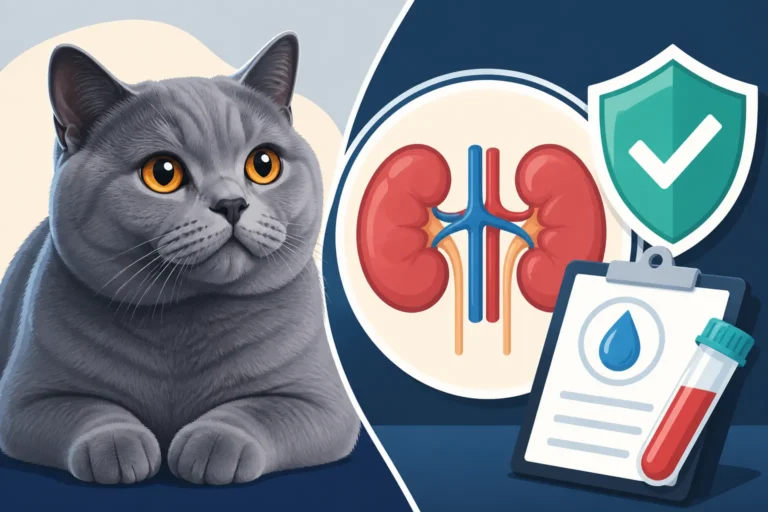
Once your British Shorthair is on HCM medication, regular follow-up appointments with your veterinary cardiologist are essential. These visits typically involve repeat echocardiograms to assess the heart's condition and how it's responding to treatment. While What a British Shorthair's Echo Costs can seem daunting, these screenings are invaluable for monitoring the disease. They'll also perform blood tests to check kidney function, electrolytes, and other parameters, especially since many heart medications can impact these organs. For example, diuretics can affect electrolyte balance, and ACE inhibitors require monitoring of kidney values. These regular checks allow your vet to adjust medication dosages as needed, ensuring your cat receives optimal care. It's an ongoing partnership between you, your primary vet, and the cardiologist. Beyond specific heart tests, understanding What a British Shorthair's Yearly Bloodwork Should Cover can help you prepare for these comprehensive check-ups.
Understanding Medication Schedules and Administration
Administering medication to a cat, especially long-term, can be a challenge. You might be giving pills once or twice a day, possibly more, and often with food or disguised in treats. Consistency is key. Missing doses can lead to fluctuations in drug levels and less effective disease management. It's often helpful to establish a routine, perhaps at specific mealtimes, and to use techniques like pill pockets, liquid formulations (if available), or even learning how to quickly and gently administer a pill directly. Don't hesitate to ask your veterinary team for demonstrations and tips; they have seen it all! This consistent care is crucial for prolonging a good quality of life and understanding How Long a British Shorthair Lives After an HCM Diagnosis often comes down to diligent management.
Financial Considerations and Pet Insurance
Let's be realistic: managing HCM in a British Shorthair can be expensive. The initial diagnosis, repeat echocardiograms, consultations with specialists, and the ongoing cost of multiple daily medications add up quickly. This is where pet insurance can be a literal lifesaver. Companies like Healthy Paws offer comprehensive plans that, depending on your coverage, can reimburse a significant portion of these veterinary expenses. It's absolutely something to consider, especially for a breed known for certain health predispositions like British Shorthairs. While insurance often won't cover pre-existing conditions, if you enroll your British Shorthair young, before any signs of HCM appear, it could provide immense financial relief down the line. Always read the fine print to understand what's covered, but having support for these costs can truly ease the burden. Without insurance, the bills for medication, specialist visits, and emergency care (like for a saddle thrombus) can become overwhelming. Investing in a good pet insurance plan, such as one from Healthy Paws, early in your cat's life is a proactive step that many owners regret not taking sooner. You can explore options for Insuring a British Shorthair to understand the benefits, and specifically look into Whether Insurance Covers a British Shorthair's HCM to ensure you have the best protection.
Summary of Common HCM Medications for British Shorthairs
Here's a quick overview of the main types of medications your British Shorthair might be prescribed for HCM:
| Medication Type | Common Example | Primary Purpose | Key Benefits | Potential Considerations |
|---|---|---|---|---|
| Beta-Blocker | Atenolol | Slows heart rate, improves heart muscle relaxation. | Reduces myocardial oxygen demand, improves diastolic filling. | Can cause lethargy, low blood pressure. |
| Calcium Channel Blocker | Diltiazem | Improves heart muscle relaxation, slows heart rate. | Reduces dynamic outflow tract obstruction, lowers blood pressure. | Can cause lethargy, low blood pressure, gastrointestinal upset. |
| ACE Inhibitor | Benazepril, Enalapril | Relaxes blood vessels, reduces heart's workload. | Lowers blood pressure, helps manage heart failure. | Requires kidney function monitoring, can cause dehydration. |
| Diuretic | Furosemide (Lasix) | Removes excess fluid from the body. | Relieves pulmonary edema/pleural effusion (fluid in lungs). | Requires close monitoring for dehydration, electrolyte imbalance. |
| Anti-Thrombotic | Clopidogrel (Plavix) | Prevents blood clot formation. | Reduces risk of painful and life-threatening thromboembolism. | Can increase risk of bleeding. |
This table is a general guide; your cat's specific medication plan will be determined by your veterinary cardiologist.
Disclaimer
This article is intended for informational purposes only and does not constitute medical advice. Always consult with a qualified veterinary professional, ideally a board-certified veterinary cardiologist, for any health concerns or before making any decisions about your British Shorthair's medical care or treatment plan.