What a British Shorthair’s Murmur Means
Discovering that your beloved British Shorthair has a heart murmur can be an incredibly unsettling experience. That strange whooshing sound your vet mentions can immediately send your mind racing, conjuring up all sorts of scary scenarios about your cat's health. This guide is here to walk you through what a British Shorthair's murmur actually means, what steps you and your vet might take, and how to best care for your furry family member.
Understanding Heart Murmurs in Cats
When your veterinarian listens to your cat's chest with a stethoscope and mentions a "heart murmur," it's completely natural to feel a pang of worry. It sounds serious, doesn't it? But before jumping to the worst conclusions, it's important to understand what a heart murmur truly is and isn't.
What Exactly Is a Heart Murmur?
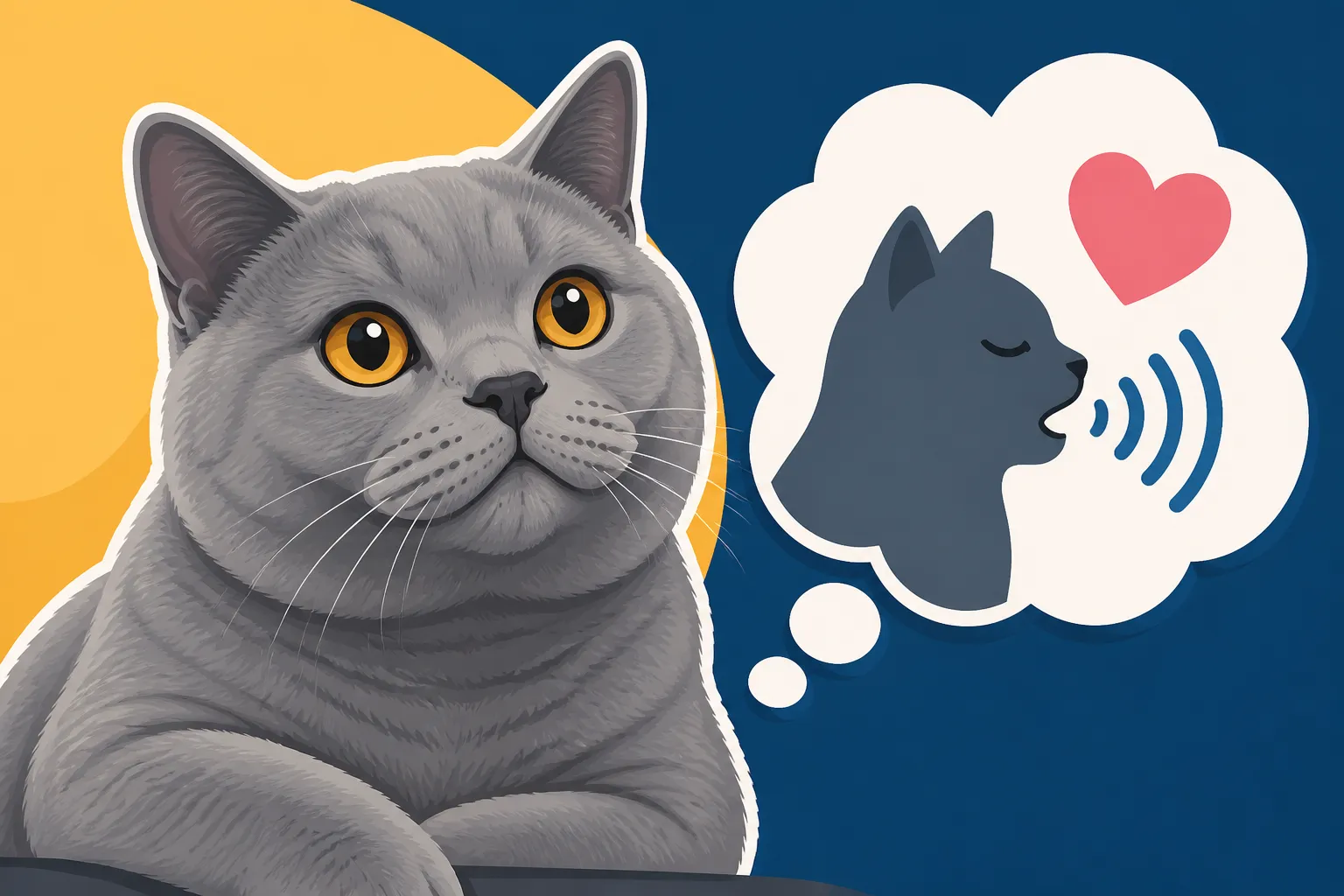
At its core, a heart murmur isn't a disease in itself. Instead, it's an abnormal sound heard during the heartbeat, which is typically a simple "lub-dub" sound. Think of it like a ripple or a turbulence in the normal, smooth flow of blood through your cat's heart. Instead of the blood moving silently, it might be pushing through a narrowed valve, leaking through a faulty one, or simply rushing faster than usual, creating a whooshing or swishing noise. These sounds are categorized by their intensity, or "grade," from a very faint Grade I to a very loud Grade VI, which can often be felt through the chest wall.
It's a bit like listening to a river. A healthy river flows smoothly. But if there are rocks or narrow passages, the water will churn and make a louder, more turbulent sound. The murmur is that turbulent sound. The vet is listening for where it's loudest, what it sounds like, and when it occurs in the heartbeat cycle, all of which provide valuable clues about its potential origin.
Types of Murmurs and Their Significance
Not all murmurs are created equal, and understanding the different types can help you grasp the diagnostic process better. Generally, murmurs fall into two broad categories: physiological (or "innocent") and pathological.
Physiological murmurs are often transient or benign. They might be caused by temporary conditions like anemia, fever, stress, or even rapid growth in kittens. For instance, a kitten might have a low-grade murmur that disappears as it matures. An adult cat might develop one during a high fever or if they're particularly stressed during a vet visit, which can temporarily increase heart rate and blood flow turbulence. These murmurs often don't indicate underlying heart disease and typically don't require specific treatment for the heart itself, though the underlying cause (like anemia) would need addressing.
Pathological murmurs, on the other hand, are the ones that raise a flag. These indicate an underlying structural problem with the heart or major blood vessels. For British Shorthairs, the most common culprit behind a pathological murmur is hypertrophic cardiomyopathy (HCM). This condition causes the muscular walls of the heart, particularly the left ventricle, to thicken. As the muscle thickens, the heart chamber becomes smaller, making it harder for the heart to pump blood effectively. This turbulent flow often creates a murmur. Other less common causes include congenital heart defects (present from birth) like a patent ductus arteriosus (PDA) or ventricular septal defects (VSDs), or acquired valvular diseases. The grade and location of the murmur can give your vet an initial idea of what they might be dealing with. A very loud murmur, especially if it's persistent, is usually more concerning than a faint, intermittent one.
Why British Shorthairs and Murmurs Often Go Hand-in-Hand
The British Shorthair breed, with its charmingly placid demeanor and robust build, unfortunately has a genetic predisposition to certain health conditions, and heart disease is one of the most prominent concerns. This means that when a British Shorthair presents with a murmur, it's often taken more seriously than if it were found in a breed with no known genetic predisposition.
The primary concern for British Shorthairs is Hypertrophic Cardiomyopathy (HCM). It's a condition that can affect any cat breed, but it's significantly more prevalent in breeds like the British Shorthair and Maine Coon. While you might wonder How Common HCM Is in British Shorthairs, studies have shown it to be a leading cause of heart-related issues in this breed. This genetic link means that even a low-grade murmur in a British Shorthair needs careful investigation to rule out early signs of HCM. The presence of a murmur can be the very first clue that something is amiss with your cat's heart, even before any outward symptoms appear.
Investigating the Cause of a British Shorthair's Murmur
Finding a murmur is just the first step. The real work begins with figuring out what's causing it. This process can feel a bit daunting, but it's crucial for understanding your cat's health and determining the best course of action.
The Importance of a Veterinary Examination
When your vet first detects a murmur, they won't immediately jump to a severe diagnosis. Their initial examination will be thorough, encompassing much more than just listening to the heart. They'll perform a full physical check-up, looking for other subtle signs that might indicate heart disease. This includes checking your British Shorthair's gum color, feeling their pulses, listening to their lungs for any fluid accumulation that could signal congestive heart failure, and assessing their overall energy levels and body condition.
They'll ask you about your cat's behavior at home. Have you noticed any changes in their appetite? Are they breathing harder or faster than usual? Are they less active, or perhaps hiding more? These questions are vital because cats are masters at Why a British Shorthair Hides Heart Failure symptoms, often masking serious issues until they are quite advanced. A comprehensive physical exam helps paint a clearer picture alongside the murmur.
Diagnostic Tools: Beyond the Stethoscope
Once a murmur is detected, especially in a breed like the British Shorthair, your vet will likely recommend further diagnostic tests. These tests move beyond simple auscultation and delve into the heart's structure and function.
- Chest X-rays: These can provide information about the size and shape of the heart and lungs. They can help identify if the heart is enlarged or if there's fluid build-up in or around the lungs, which is a sign of congestive heart failure.
- Electrocardiogram (ECG): An ECG measures the electrical activity of the heart. It's helpful for detecting arrhythmias (irregular heartbeats) and can sometimes provide clues about heart enlargement, though it doesn't give a full picture of the heart's structure.
- Bloodwork: A general blood panel, part of What a British Shorthair's Yearly Bloodwork Should Cover, can rule out other systemic issues that might cause a physiological murmur, such as anemia or hyperthyroidism, which can impact heart function.
- Echocardiogram (Cardiac Ultrasound): This is the gold standard for diagnosing the cause of a heart murmur. An echocardiogram uses sound waves to create a real-time image of your cat's heart. It allows a veterinary cardiologist to visualize the heart's chambers, measure the thickness of the heart walls, assess valve function, and observe blood flow. For a British Shorthair, an echo is critical for definitively diagnosing HCM and determining its severity. You can read more about How a British Shorthair's Echo Is Performed and why it's so important to have Why a Cardiologist Should Scan a British Shorthair for accurate results.
Common Causes: From Innocent to Concerning
Understanding the potential causes behind the murmur helps in managing expectations and preparing for what might come next.
- Physiological (Innocent) Murmurs: As mentioned, these are benign and don't stem from structural heart disease. They are often faint, may come and go, and are more common in young, rapidly growing kittens or in situations of stress, excitement, or mild anemia. If all other diagnostic tests come back normal, your vet might classify it as an innocent murmur.
- Hypertrophic Cardiomyopathy (HCM): This is by far the most significant concern for British Shorthairs. HCM involves a thickening of the heart muscle, particularly the left ventricle, leading to impaired heart function. A murmur is a very common sign of HCM, as the thickened muscle can cause turbulent blood flow. What HCM Does to a British Shorthair's Heart can range from mild changes to severe heart failure. The age at which The Age HCM Usually Appears in a British Shorthair can vary widely, from young adults to senior cats, making regular screening important.
- Congenital Heart Defects: Less common but still possible, these are structural abnormalities present from birth. Examples include Ventricular Septal Defects (VSD), where there's a hole between the heart's lower chambers, or Patent Ductus Arteriosus (PDA), a vessel that fails to close after birth. These defects often cause distinct murmurs.
- Anemia: Severe anemia reduces the blood's viscosity, making it flow faster and more turbulently through the heart, leading to a murmur. Treating the anemia often resolves the murmur.
- Hyperthyroidism: An overactive thyroid gland (more common in older cats) can cause the heart to work harder and faster, sometimes leading to a murmur. Treating the hyperthyroidism usually resolves the heart issues.
It's clear that while a murmur can be benign, for a British Shorthair, it's often a call to action for further investigation due to their genetic predisposition.
Living with a British Shorthair Diagnosed with a Murmur
Once a murmur has been detected and, ideally, its cause identified, your life with your British Shorthair will likely involve a new level of awareness and care. The implications vary greatly depending on the diagnosis.
Managing Different Murmur Diagnoses
The management plan for your British Shorthair will be entirely dictated by the underlying cause of the murmur.
- Innocent Murmur: If your vet and a cardiac ultrasound confirm that the murmur is physiological and there's no underlying heart disease, then usually no specific cardiac medication or intervention is needed. The primary focus would be on maintaining your cat's overall health, reducing stress, and addressing any other non-cardiac conditions that might have contributed to the murmur (like anemia). Regular wellness check-ups would still be important to ensure no pathological murmur develops later.
- Hypertrophic Cardiomyopathy (HCM): This is where things become more involved. If HCM is diagnosed, management aims to slow the progression of the disease and prevent complications. This often involves medication to relax the heart muscle, improve blood flow, and prevent clot formation (a severe complication of HCM where How a British Shorthair Throws a Clot can lead to paralysis). Dietary changes, particularly avoiding sodium-rich foods, might also be recommended. While HCM cannot be cured, proper management can significantly improve your cat's quality of life and potentially extend their lifespan. You might be wondering How Long a British Shorthair Lives After an HCM Diagnosis, and while it varies greatly, early diagnosis and consistent care are key.
- Other Heart Conditions (Congenital Defects, etc.): Management for other congenital heart defects can vary from surgical intervention (for conditions like PDA) to medication and supportive care, depending on the specific defect and its severity. Acquired conditions like hyperthyroidism or severe anemia would involve treating the primary disease, which often resolves the murmur and associated cardiac stress.
Monitoring and Ongoing Care
Regardless of the diagnosis, ongoing monitoring is essential. For an innocent murmur, this might mean annual vet checks. For HCM or other significant heart conditions, it will involve more frequent visits to the vet or a veterinary cardiologist.
Your vet will likely recommend regular echocardiograms, often annually, to monitor the progression of any heart disease. This is why The Yearly Echo That Replaces a British Shorthair Gene Test is so vital for the breed. You'll also need to be vigilant at home for any Signs a British Shorthair Has Heart Disease, such as changes in breathing rate, lethargy, decreased appetite, or hiding behaviors. Keeping a log of your cat's resting respiratory rate (breaths per minute while sleeping) can be incredibly useful data for your vet, as an increase can be an early indicator of fluid in the lungs. Adhering strictly to medication schedules and any dietary recommendations is paramount.
Financial Considerations and Pet Insurance
Let's be realistic: diagnosing and managing a heart condition can be expensive. A full cardiac workup, including an echocardiogram by a board-certified cardiologist, can run into hundreds of dollars, and that's just for the diagnosis. Ongoing medications, follow-up appointments, and repeat echos can quickly add up over the years. Understanding What a British Shorthair's Yearly Echo Costs can help you budget.
This is where pet insurance can become a true lifesaver. Companies like Healthy Paws offer plans that can cover a significant portion of veterinary costs for illnesses and accidents. While pre-existing conditions are typically excluded, getting pet insurance before any diagnosis of a heart murmur or disease can provide immense peace of mind and financial support. Exploring options for Insuring a British Shorthair is a responsible step for any owner, especially with a breed prone to specific health issues. Having a policy from Healthy Paws can mean you're able to pursue the best possible diagnostics and treatments without financial constraints being the deciding factor. It's an investment in your cat's future.
Addressing British Shorthair-Specific Concerns
The British Shorthair's unique genetic background means that certain health considerations are more prevalent and require specific attention, particularly when a heart murmur enters the picture.
Hypertrophic Cardiomyopathy (HCM) and the British Shorthair
As we've discussed, HCM is the elephant in the room when a British Shorthair develops a heart murmur. This condition is characterized by the thickening of the heart muscle, primarily the left ventricle. This thickening makes the heart less efficient at pumping blood, leading to problems like fluid in the lungs (congestive heart failure), blood clots (which can cause paralysis), and even sudden death.
The link between British Shorthairs and HCM is so strong that responsible breeders will routinely screen their breeding cats with echocardiograms to try and minimize its prevalence in their lines. However, since there isn't a definitive DNA test for HCM in British Shorthairs, like there is for some other breeds, regular scanning remains the most important tool for early detection. A murmur, even a subtle one, in a British Shorthair, should always prompt an echocardiogram to rule out or confirm HCM. Knowing What HCM Does to a British Shorthair's Heart helps underscore the seriousness of this potential diagnosis.
When to Worry: Signs Beyond the Murmur
While a murmur itself can be a worrying discovery, it's the development of clinical signs that often indicate a more advanced or serious underlying heart condition. Be acutely aware of these symptoms in your British Shorthair:
- Increased Respiratory Rate or Effort: This is perhaps the most critical sign. If your cat is breathing faster than normal (more than 30 breaths per minute while resting or sleeping) or if you notice exaggerated chest or abdominal movements with each breath, seek immediate veterinary attention. This can indicate fluid in the lungs, a sign of congestive heart failure.
- Lethargy and Weakness: A noticeable decrease in activity, reluctance to play, or general weakness can be a symptom of a heart struggling to pump enough blood to the body.
- Decreased Appetite or Weight Loss: While sometimes subtle, a sustained reduction in food intake can be a warning sign.
- Hiding or Changes in Behavior: Cats often hide when they don't feel well. If your typically social British Shorthair becomes reclusive, it's a red flag.
- Coughing: While less common in cats with heart disease than in dogs, coughing can occur if the enlarged heart presses on the airways or if there's significant fluid buildup.
- Open-mouth Breathing: This is a severe sign of respiratory distress and requires immediate emergency veterinary care.
- Rear Leg Weakness or Paralysis: This is a terrifying symptom of a saddle thrombus, a blood clot that travels from the heart and blocks blood flow to the hind legs. It's incredibly painful and a life-threatening emergency.
If you observe any of these signs, don't wait. Contact your vet immediately. Early intervention can make a significant difference in outcomes.
The Role of Responsible Breeding
For future British Shorthair owners or those with breeding aspirations, the discussion around heart murmurs also extends to responsible breeding practices. Reputable British Shorthair breeders prioritize the health of their cats and perform routine cardiac screenings on all breeding animals. They should be transparent about their cats' health testing results, including echocardiogram reports. Asking a breeder about their screening protocols for HCM, especially given the breed's predisposition, is a crucial step in ensuring you're bringing home a healthy kitten. This helps reduce the incidence of conditions like HCM being passed down through generations.
| Murmur Grade | Description | Potential Significance (General) | Common British Shorthair Context |
|---|---|---|---|
| Grade I | Very faint, audible only in a quiet room | Often physiological (innocent) or very early/mild pathological | Can be innocent, but warrants investigation in BSH due to HCM risk |
| Grade II | Faint, but consistently audible | Can be physiological, but more likely to indicate mild underlying disease | Often warrants further diagnostics (echo) to rule out early HCM |
| Grade III | Moderately loud, easily audible | Suggests structural heart disease is likely | Strong indicator for HCM, needs immediate cardiac workup |
| Grade IV | Loud, audible with stethoscope barely touching | Definitely indicates significant structural heart disease | Highly indicative of HCM or other significant cardiac defect |
| Grade V | Very loud, audible with stethoscope lifted | Severe structural heart disease, thrill (vibration) may be felt | Advanced HCM or severe congenital defect, requires urgent cardiology care |
| Grade VI | Extremely loud, audible without stethoscope | Most severe structural heart disease, thrill easily felt | Very advanced HCM or severe defect, often with clinical signs |
Please remember that this table provides general information. Only a qualified veterinary professional, ideally a veterinary cardiologist, can accurately diagnose the cause and significance of your British Shorthair's murmur.
Disclaimer
The information provided in this article is for general informational purposes only and is not intended as a substitute for professional veterinary advice, diagnosis, or treatment. Always seek the advice of your veterinarian or other qualified animal health provider with any questions you may have regarding a medical condition or the health and welfare of your pet. Never disregard professional veterinary advice or delay in seeking it because of something you have read in this article.