How to Save a British Shorthair Kitten From Isoerythrolysis
It's absolutely heartbreaking to welcome a new litter of British Shorthair kittens, full of hope and excitement, only to see some of them start to fade away in those crucial first hours or days. This isn't just "failure to thrive"; often, it's a specific, preventable, and sometimes treatable condition called Neonatal Isoerythrolysis, or NI, which can be utterly devastating for both the kittens and their human caretakers. This guide is here to walk you through understanding this silent killer, how to prevent it, and critically, how to intervene if it does strike, offering practical, empathetic advice for navigating this challenging situation.
Understanding Neonatal Isoerythrolysis NI in British Shorthairs
Neonatal Isoerythrolysis, or NI, is one of those terms that sounds incredibly complex, but at its heart, it's an immune system reaction that specifically targets newborn kittens. For anyone dedicated to the British Shorthair breed, understanding NI is paramount because certain blood types prevalent in our beloved "Brits" make them particularly susceptible.
What Exactly Is NI and Why Is It So Dangerous?
Imagine a kitten being born perfectly healthy, full of life, and eager to nurse. Within a few hours of its first meal, however, it starts to become weak, lethargic, and refuses to nurse. This rapid decline is often the cruel reality of NI. What's happening is that the mother (queen) has a specific blood type (Type B) and produces antibodies against the blood type of her kittens (Type A or Type AB). These antibodies are concentrated in her colostrum, the rich "first milk" that kittens absolutely need for passive immunity against diseases.
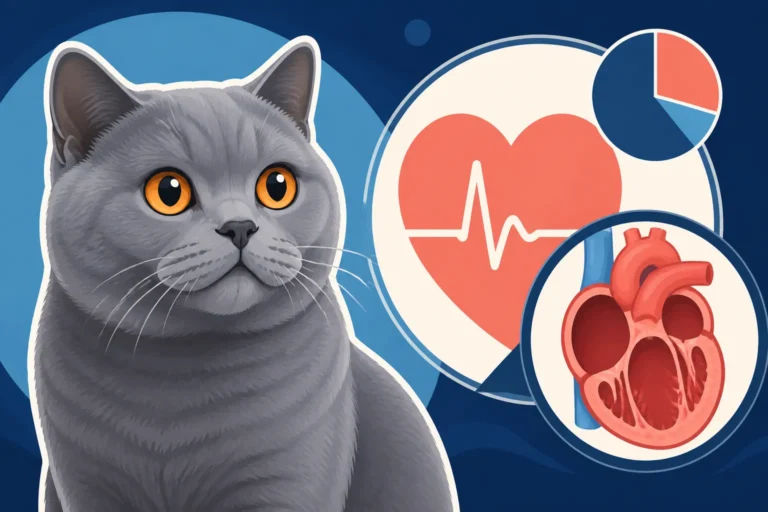
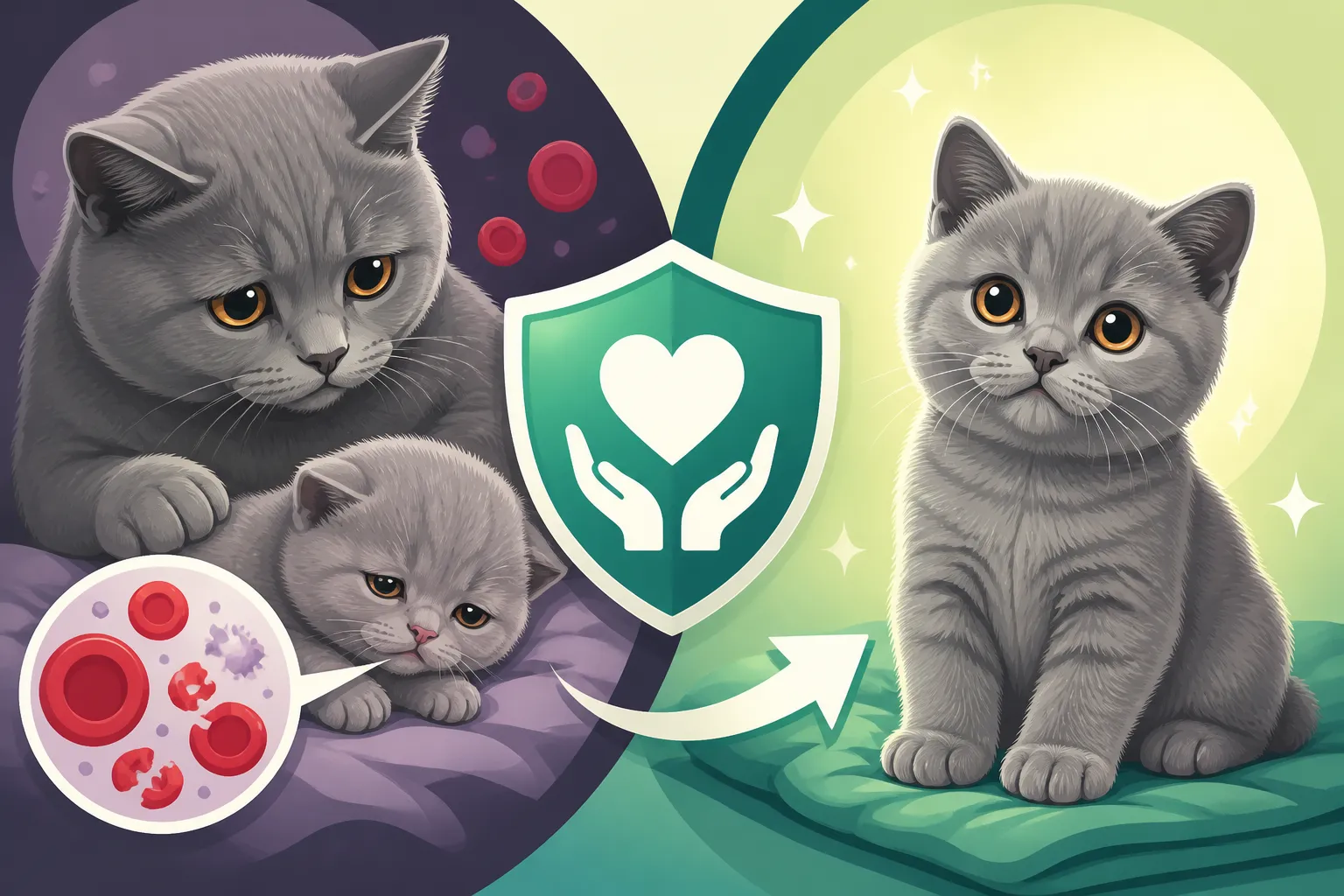
When a Type A or Type AB kitten nurses from a Type B queen and ingests this antibody-rich colostrum, those antibodies enter its bloodstream. There, they recognize the kitten's red blood cells as foreign invaders and begin to attack them. This leads to the destruction of red blood cells, a condition known as hemolytic anemia. The danger lies in how quickly this can happen. Kittens, especially newborns, have very little reserve. Losing red blood cells means less oxygen transport, leading to organ damage, jaundice, and often, death. It's a truly devastating and swift process, leaving owners feeling helpless as healthy kittens suddenly waste away. The grief of watching a seemingly vibrant kitten succumb in its first day of life is profound, and it's a frustration shared by many in the breeding community.
The Crucial Role of Blood Types in British Shorthairs
The key to understanding NI, and ultimately preventing it, lies squarely with feline blood types. Unlike humans, cats have a simpler A, B, AB system, but the implications for breeding are significant.
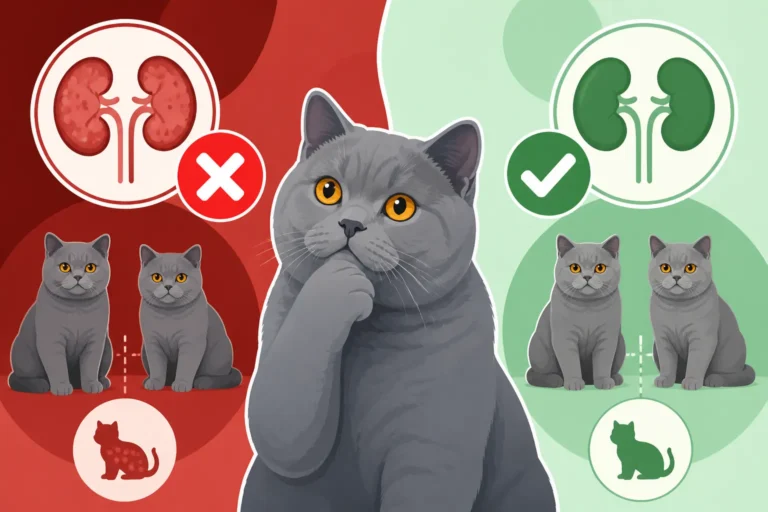
Most cats fall into Type A, but a notable percentage of British Shorthairs carry and express Type B blood. In fact, British Shorthairs have one of the highest frequencies of Type B blood among pedigreed breeds, making them particularly vulnerable to NI if proper precautions aren't taken. Type B blood is characterized by naturally occurring high levels of anti-A antibodies. This means a Type B queen inherently has antibodies ready to attack Type A red blood cells, even without prior exposure. Type A cats, on the other hand, usually have low levels of anti-B antibodies, while Type AB cats have neither, making them universal recipients in transfusions but posing a unique challenge in breeding scenarios with Type B queens.
The dangerous scenario arises when a Type B queen is bred to a tomcat that carries or expresses Type A blood. If the resulting kittens inherit the Type A gene, they will have Type A or Type AB blood. When these kittens consume their Type B mother's colostrum, they ingest the potent anti-A antibodies, triggering the isoerythrolysis. This critical interaction, particularly for What Blood Type B Means in a British Shorthair, is the fulcrum upon which the entire risk of NI balances.
Preventing Isoerythrolysis: Breeder's Essential Steps
Preventing Neonatal Isoerythrolysis is not just possible; it's a fundamental responsibility for any ethical British Shorthair breeder. The good news is that with forethought and readily available testing, this heartbreaking condition can almost always be avoided entirely.
Mandatory Blood Typing for All Breeding British Shorthairs
The single most crucial step in preventing NI is knowing the blood type of every single British Shorthair you intend to breed. This isn't a "nice to have"; it's a mandatory, non-negotiable part of responsible breeding. You cannot simply guess or assume; accurate testing is essential.
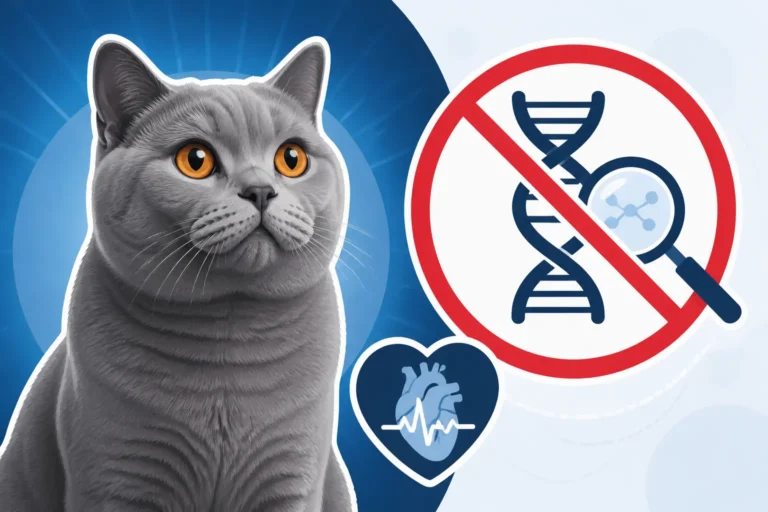
There are two primary methods for determining a cat's blood type: card tests and DNA tests. Card tests are usually done in a veterinary clinic, providing results fairly quickly, sometimes even within minutes. They involve mixing a small blood sample with reagents on a card to observe agglutination (clumping). While generally reliable, they do have a small margin of error and reflect the current phenotype (what the blood expresses). DNA tests, on the other hand, are typically performed by specialized laboratories from a buccal swab (cheek swab) or blood sample. These tests reveal the genetic markers for blood type (genotype), including whether a cat carries the B allele but expresses Type A blood (A/b carrier). This genetic information is incredibly valuable because it can predict the blood type of offspring. For a comprehensive understanding, many breeders opt for DNA testing as it provides a clearer picture of potential genetic contributions. When considering Whether a British Shorthair Blood Type Test Uses DNA or a Card, understanding that DNA testing can identify carriers is a significant advantage for long-term breeding planning. It removes the guesswork and provides peace of mind.
The cost of blood typing is minimal when compared to the emotional and financial toll of losing an entire litter or the potential for serious health issues in surviving kittens. It's an investment in the health and well-being of future generations of British Shorthairs.
Strategic Breeding Pairings to Avoid Risk
Once you know the blood types of your breeding British Shorthairs, you can make informed decisions about pairings to completely eliminate the risk of NI. This proactive approach is the cornerstone of responsible breeding practices.
Here’s a breakdown of safe and unsafe pairings:
-
Safe Pairings (No NI Risk):
- Type A Queen x Type A Tom: All kittens will be Type A, so no anti-A antibodies from the queen will affect them.
- Type A Queen x Type B Tom: Kittens can be Type A or Type AB. The Type A queen has low or no anti-B antibodies, so even if kittens are Type B (which isn't the primary concern for NI anyway), there's no strong reaction.
- Type B Queen x Type B Tom: All kittens will be Type B. Since the queen is Type B and the kittens are Type B, there are no anti-A antibodies to harm them. This is the only safe pairing for a Type B queen.
- Type AB Queen x Any Tom: Type AB queens typically have no anti-A or anti-B antibodies, so they are safe to breed with any blood type.
-
Unsafe Pairing (High NI Risk):
- Type B Queen x Type A or Type AB Tom: This is the high-risk combination. If the kittens inherit the Type A gene from the tom, they will be Type A or Type AB. When they nurse from their Type B mother, they will ingest her strong anti-A antibodies, leading to NI. This is the pairing that responsible breeders must absolutely avoid if they want to let the kittens nurse naturally.
Knowing Which British Shorthair Pairing Causes Neonatal Isoerythrolysis is your shield against this tragedy. If you have a beautiful Type B British Shorthair queen, her breeding options are somewhat limited if you want to allow her to nurse her kittens safely. She must only be bred to a Type B tom. If you do breed a Type B queen to a Type A tom (perhaps an accidental breeding, or if you're attempting to introduce new lines and haven't fully understood the risks), then you must be prepared to intervene immediately at birth, which brings us to the next critical steps.
Recognizing the Signs of Neonatal Isoerythrolysis
Even with the best preventative measures, sometimes accidents happen, or a rescue situation means you're dealing with unknown blood types. In such cases, being able to quickly identify the signs of Neonatal Isoerythrolysis is literally a matter of life or death for the affected kittens. The window for intervention is incredibly narrow, so vigilance is paramount.
Early Warning Signs in Newborn Kittens
The signs of NI can appear very quickly, usually within hours of a kitten ingesting the mother's colostrum. It's not always obvious, especially to an inexperienced eye, because some kittens may appear robust at birth. However, watch for these subtle, yet critical, red flags:
- Lethargy and Weakness: Kittens that should be actively nursing and squirming will become unusually quiet and still. They might struggle to lift their heads or move purposefully. They simply don't have the energy to compete for nipples or maintain their body temperature.
- Failure to Thrive/Fading: This is a general term, but in the context of NI, it means kittens are not gaining weight, might even be losing it, and generally appear to be "fading" away. They won't have the plump, full belly of a well-fed kitten.
- Pale Mucous Membranes: Check their gums. Healthy kittens have pink gums. In NI, the destruction of red blood cells leads to anemia, causing the gums to appear pale or even whitish.
- Jaundice: As red blood cells are destroyed, bilirubin is released, which can build up in the system. This leads to a yellowish tint to the skin, gums, or whites of the eyes. This can be harder to spot in very young kittens but is a strong indicator of red blood cell destruction.
- Dark Urine: Hemoglobin from the broken-down red blood cells can be excreted in the urine, making it appear dark red or brown. This is a very serious sign.
- Reluctance to Nurse: Affected kittens quickly become too weak or uncomfortable to nurse. They might try briefly but then give up, or not even attempt to latch.
- Swelling or Bruising (Rare but possible): In some severe cases, internal bleeding or widespread red blood cell damage can lead to subtle signs of bruising, though this is less common than the other symptoms.
It's agonizing to see a tiny life slipping away, and these subtle Signs a Newborn British Shorthair Kitten Is Fading are your earliest clues that something is terribly wrong. Immediate action is critical.
The Rapid Progression and Urgency of Action
One of the most terrifying aspects of NI is how incredibly fast it progresses. We're not talking about days; we're talking hours. A kitten that seems fine at dawn can be in critical condition by lunchtime, and gone by evening. This rapid onset is because the colostrum, ingested during those vital first 12-24 hours of life, contains a concentrated dose of the harmful antibodies. Once these antibodies are absorbed, they immediately begin their destructive work.
The first 24-48 hours after birth are the most dangerous. During this period, the kitten's gut is still "open," meaning it can absorb large, intact antibody molecules directly into its bloodstream. After approximately 48 hours, the gut "closes," and while antibodies can still be ingested, they are broken down by digestive enzymes and are no longer absorbed in a way that causes NI. However, by that point, if a kitten has been nursing from an incompatible mother, irreversible damage may already be done.
This incredibly narrow window means there's no time to "wait and see." If you suspect NI, you must act immediately. Every minute counts. Waiting even a few hours can mean the difference between a kitten that might be saved with intensive care and one that is beyond help. The urgency is immense, and it’s why understanding How Fast Isoerythrolysis Kills a British Shorthair Kitten is so vital for anyone involved in breeding or rescuing these precious felines.
Immediate Intervention: Saving Affected Kittens
If you suspect Neonatal Isoerythrolysis, or if you've had an unexpected Type B queen x Type A tom pairing, immediate and decisive action is the only hope for the kittens. This isn't a situation where you can delay; every minute truly matters.
The Critical First Hours: Separating Kittens and Alternative Feeding
The absolute cornerstone of intervention is preventing the kittens from ingesting any more of the harmful colostrum. This means immediate removal from the queen. Do not let them nurse, even for a moment, if you suspect an incompatible pairing or see early signs of NI.
Once separated, these kittens cannot receive any colostrum from their biological mother. They need an alternative source of nutrition and, ideally, passive immunity. Here are your options:
- Cross-fostering with a Compatible Queen: If you have another nursing queen with a compatible blood type (Type A) who has recently given birth and has plenty of colostrum, this is often the best option. The foster queen’s colostrum will provide the necessary antibodies for general immunity without causing NI. However, finding a readily available, compatible foster queen is often challenging.
- Hand-rearing with Kitten Formula: This is the most common and often only immediate option. You will need to hand-feed the kittens with a high-quality commercial kitten milk replacer (KMR). Brands like Royal Canin, PetAg KMR, or Breeder's Edge offer excellent formulas. It's crucial to follow the mixing instructions precisely and feed at appropriate intervals (typically every 2-3 hours for newborns, gradually increasing the interval as they grow). The challenge here is not just nutrition, but also the lack of passive immunity from colostrum. These kittens will be more susceptible to common kitten diseases, so strict hygiene and warmth are paramount.
- Blood-typed Colostrum/Plasma: In ideal scenarios, some breeders or veterinary clinics may have frozen colostrum or plasma from a Type A queen available. This can be administered to the kittens in their first 24 hours to provide crucial antibodies without triggering NI. However, this is a rare resource and requires careful planning.
The trick is that the dangerous antibodies are only present in the colostrum. After about 24-48 hours, the queen's milk changes composition, and the concentration of antibodies drops significantly. More importantly, the kitten's gut begins to "close," making it less permeable to large antibody molecules. So, if you can keep the kittens off the incompatible queen for the first 24-48 hours, they can often be safely returned to her for regular nursing afterward. This period of separation and alternative feeding is critical for How British Shorthair Kittens Are Hand Reared to Survive during this vulnerable phase.
Providing Supportive Care and Veterinary Consultation
Beyond just feeding, supportive care is vital for these fragile newborns. Kittens, especially those suffering from NI, cannot regulate their body temperature effectively.
- Warmth: Provide a consistent heat source, such as a heating pad set on low (with a towel barrier to prevent burns) or an incubator. The ambient temperature should be around 85-90°F (29-32°C) for the first week, gradually decreasing.
- Hydration: Dehydration can quickly become a problem for weak kittens. In addition to formula, your vet might recommend subcutaneous fluids if they are dehydrated.
- Hygiene: Keep the kittens and their environment meticulously clean to prevent infections, as their immune systems will be compromised without maternal colostrum. Stimulate urination and defecation after each feeding, as the queen would normally do.
Veterinary Consultation: As soon as you suspect NI, contact your veterinarian immediately. They can confirm the diagnosis through blood tests on the kittens (looking for anemia, bilirubin levels) and advise on the best course of action. While rare and extremely difficult in such tiny patients, in severe cases, a veterinarian might discuss a micro-transfusion from a compatible Type A cat. This is a highly specialized procedure and not widely available or always successful in newborns.
It's important to be prepared for the financial implications of such intensive care. Vet visits, formula, and potentially advanced treatments can add up quickly. This is where pet insurance, such as Healthy Paws, can be an invaluable asset, potentially helping to cover the unexpected costs of emergency veterinary care for your precious British Shorthair kittens. Even if an individual kitten isn't directly covered, being prepared for unexpected vet bills is always wise.
Long-Term Management and Future Breeding Considerations
Successfully navigating an NI incident with British Shorthair kittens is incredibly stressful, but it also provides invaluable lessons for future breeding practices. The decisions you make afterward can ensure the health and safety of subsequent litters.
How Long Kittens Need to Be Separated from the Queen
The critical period for NI risk is tied directly to the ingestion of colostrum and the "closure" of the kitten's gut. As discussed, a newborn kitten's intestines are permeable for roughly the first 24-48 hours of life, allowing large antibody molecules from the colostrum to pass directly into the bloodstream. After this period, the gut becomes less permeable, and ingested antibodies are typically broken down by digestive enzymes before they can cause harm.
Therefore, if you have identified a high-risk pairing (Type B queen x Type A/AB tom) and need to intervene, the kittens must be kept completely separated from the queen for at least 24 to 48 hours after birth. During this time, they should be hand-fed with kitten milk replacer or cross-fostered with a safe, compatible Type A queen. After this period, once their guts have closed, it is generally safe to return the kittens to their biological mother for regular nursing. She will provide them with milk, which no longer contains the harmful antibodies in a form that can cause NI. Many breeders will continue to supervise closely, making sure the kittens are thriving and monitoring for any signs of discomfort or illness. Understanding How Long British Shorthair Kittens Stay Off a Type B Queen is a vital piece of knowledge for any breeder dealing with this situation.
It’s crucial to understand that even though the danger of NI passes after 48 hours, kittens deprived of their mother's colostrum will have a weaker immune system. They didn't get the initial passive immunity boost from the colostrum. Therefore, they might be more susceptible to infections and require even more diligent care, hygiene, and monitoring during their first weeks of life.
Responsible Breeding Decisions After an NI Incident
An NI incident, whether successfully managed or resulting in loss, should be a profound learning experience that informs future breeding choices. Your top priority should always be to prevent it from happening again.
- Re-emphasize Blood Typing: If you didn't blood type all your breeding cats before, this is your wake-up call. Ensure every British Shorthair in your breeding program has an accurate blood type documented, preferably including their genetic markers (e.g., A/A, A/b, B/B).
- Strategic Pairings: For a Type B queen who has produced NI kittens, her future breeding options are clear: she must only be bred to a Type B tom. This ensures all her kittens will be Type B and therefore compatible with her colostrum, eliminating the risk of NI. If a suitable Type B tom is not available or if the queen has other genetic issues, considering spaying her might be the most responsible decision. Similarly, any Type A tom who produced Type A kittens with a Type B queen should only be bred to Type A queens in the future. This informed approach to pairings is vital for Whether a Type B British Shorthair Queen Can Be Bred Safely.
- Genetic Counseling: If you have concerns about the prevalence of specific blood types or other genetic conditions, consulting with a veterinary geneticist can offer valuable insights.
- Openness and Education: Responsible breeders are often open about their experiences, even the difficult ones. Sharing knowledge about NI and prevention can help other British Shorthair enthusiasts avoid similar tragedies. The overall What the British Shorthair Health Screening Costs can seem daunting, but these tests are crucial to prevent situations like NI and ensure the long-term health of the breed.
Being prepared for health challenges is part and parcel of pet ownership. While the hope is you'll never face NI, having a good pet insurance plan, like one from Healthy Paws, can ease the financial burden if intensive veterinary care for your kittens or other health issues arise. It's a layer of protection that allows you to make decisions based on what's best for your British Shorthair, rather than what your wallet dictates.
Blood Type Pairing Guide for British Shorthairs
Understanding the various blood type pairings and their associated risks for Neonatal Isoerythrolysis is crucial for any British Shorthair breeder. This table summarizes the safe and high-risk combinations:
| Queen's Blood Type | Tom's Blood Type | Potential Kitten Blood Types | Risk of Neonatal Isoerythrolysis | Recommended Action |
|---|---|---|---|---|
| Type A | Type A | Type A | None | Safe to breed. |
| Type A | Type B | Type A, Type B | None | Safe to breed. |
| Type A | Type AB | Type A, Type B, Type AB | None | Safe to breed. |
| Type B | Type A | Type A, Type AB | HIGH | DO NOT breed unless prepared for hand-rearing all kittens immediately. |
| Type B | Type B | Type B | None | Safe to breed. |
| Type B | Type AB | Type A, Type AB, Type B | HIGH (for A/AB kittens) | DO NOT breed unless prepared for hand-rearing all kittens immediately. |
| Type AB | Any Type | Varies | None | Safe to breed. |
This table highlights that Type B queens are the source of the problem when bred to Type A or Type AB toms. Responsible breeders will meticulously plan their pairings to ensure that a Type B queen is only ever bred to a Type B tom.
Disclaimer
The information provided in this article is for educational and informational purposes only and does not constitute veterinary advice. Always consult with a qualified veterinarian for any health concerns or before making any decisions about your pet's health or treatment.