Whether an Odd Eyed British Shorthair Is Standard
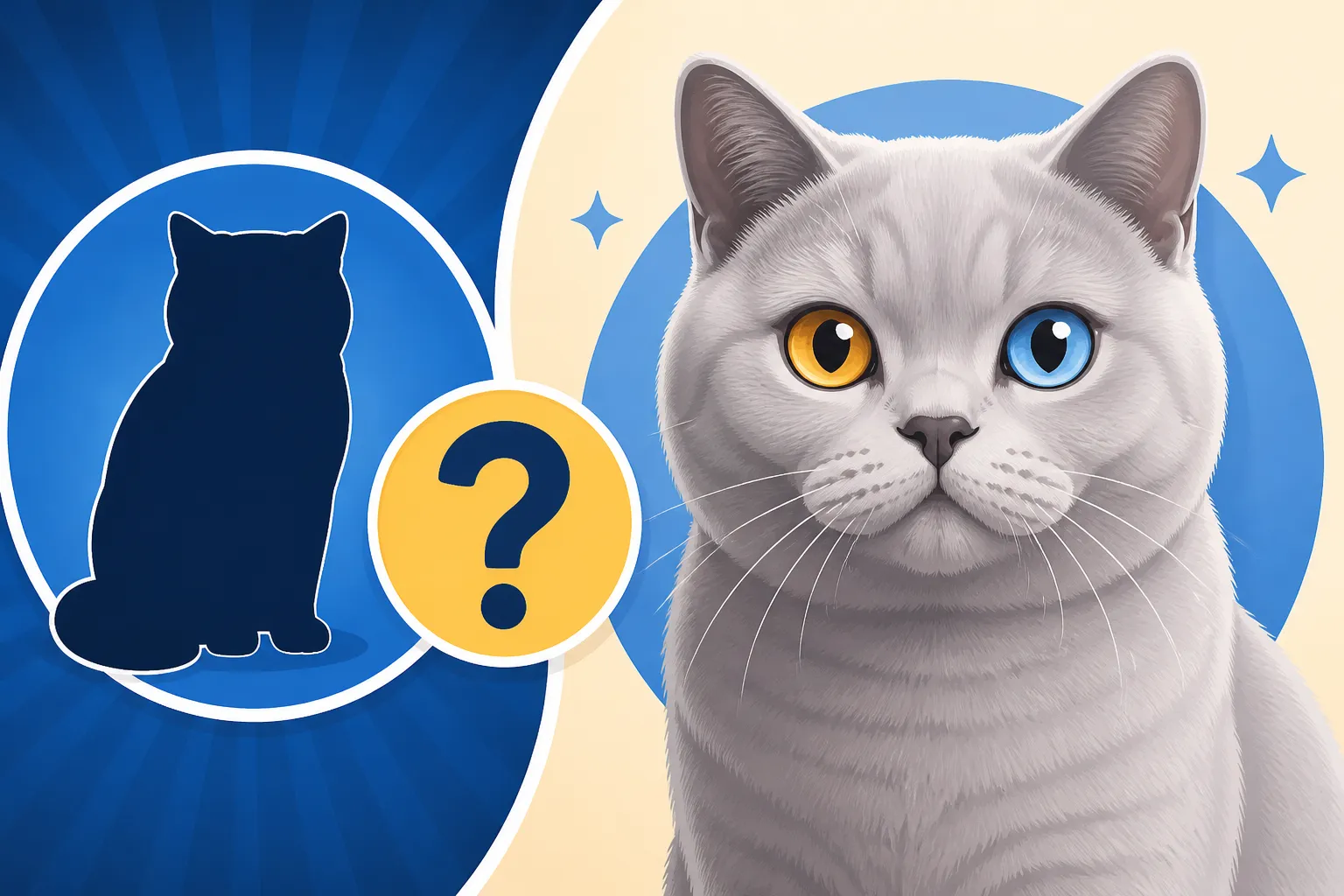
An odd-eyed British Shorthair can be standard, but it depends on the cat’s coat color and the registry’s rules. The combination most commonly accepted is a white British Shorthair with one blue eye and one copper or gold eye. If you are choosing a kitten, checking a pedigree, or wondering whether unusual eyes mean a health problem, this guide explains what matters and what does not.
When odd eyes are considered standard
“Odd-eyed” means the cat has two different-colored eyes, usually one blue and one copper, gold, or orange. It is a description of eye color, not a separate British Shorthair variety. Whether it meets the breed standard depends largely on the coat color and the rules used by the registry or show association.
For a pet cat, being outside a show standard does not make the cat less of a British Shorthair or less healthy. Standards describe the appearance expected in a particular breed variety; they are not a general health score.
White British Shorthairs and odd eyes
A white British Shorthair may be permitted to have blue eyes, copper or gold eyes, or one blue eye and one copper or gold eye. That odd-eyed combination is recognized by major breed standards, though the exact wording and judging rules can differ between registries.
If you are considering a show cat, ask which registry the breeder follows and check the current standard for white British Shorthairs. A breeder should be able to explain how the kitten’s eye color fits that standard, rather than relying on a general claim that “odd eyes are always accepted.”
The coat color matters because eye color is judged in relation to the variety. A white cat with one blue eye and one copper eye may fit the standard, while the same eye combination on a British Shorthair of another color may not. To compare the accepted eye colors across varieties, see Which Eye Colors a British Shorthair Has.
Odd eyes in other coat colors
For most non-white British Shorthair varieties, the standard calls for a particular eye color or range of colors. A mismatch may be considered a fault or may make the cat ineligible for competition in that variety. The details depend on the coat pattern and the registry.
This is why a photo alone is not enough to decide whether a cat is “standard.” A silver, shaded, tabby, or solid-colored cat may have eye-color requirements that differ from those for a white cat. The broader range of coat varieties can make the rules feel confusing; How Many Colors the British Shorthair Standard Allows offers useful background.
If a breeder is advertising an odd-eyed kitten as show quality, ask for the exact variety and registry standard they are referring to. It is also reasonable to ask whether the kitten’s registration and pedigree identify it as the color being advertised. For a companion cat, though, unusual eye color can simply be part of that individual cat’s appearance.
| British Shorthair coat variety | How odd eyes are generally viewed | What to check |
|---|---|---|
| White | One blue eye and one copper, gold, or orange eye may be accepted | The registry’s white-variety standard and any show requirements |
| Most non-white varieties | Odd eyes are generally not the specified eye color | The standard for that exact color and pattern |
| Mixed or uncertain coat color | The answer cannot be judged from eye color alone | Registration details, parentage information, and registry rules |
Why a British Shorthair can have two different eye colors
Eye color is influenced by pigment in the iris. A cat’s two irises do not always develop the same amount or distribution of pigment, so one eye can remain blue while the other becomes copper or gold. White coat color is often associated with reduced pigment in parts of the body, including the eyes, but the appearance of odd eyes is not itself a diagnosis.
A white British Shorthair with odd eyes may be perfectly healthy. The appearance is a trait to understand, not a reason to assume that the cat has an eye disorder or cannot hear.
The difference between natural odd eyes and a new change
A cat that has had different-colored eyes since kittenhood is not in the same situation as an adult whose eye changes color or appearance suddenly. The latter deserves veterinary attention, especially if there is redness, cloudiness, squinting, discharge, unequal pupils, or discomfort.
Kittens’ eyes also change as they mature. Many kittens begin life with blue-looking eyes, and their adult eye color becomes clearer as pigment develops. If you are trying to identify a kitten’s eventual color, keep in mind that an early photograph may not show the final result. Whether a British Shorthair's Color Changes With Age explains how appearance can develop over time.
For an adult cat, a stable difference between the eyes is usually just that cat’s normal appearance. A new difference, a sudden haze, or a pupil that looks different from the other should not be written off as “just odd eyes.” Contact a veterinarian for advice rather than using products meant to change or treat eye color.
Odd eyes are not the same as a blue-eyed variety
A British Shorthair with two blue eyes is different from an odd-eyed cat, which has one eye of each color. Blue eyes can occur in particular coat varieties, but that does not mean every British Shorthair can have blue eyes and still meet its variety’s show standard. Whether a Blue Eyed British Shorthair Exists looks at that question in more detail.
For a breeder or show prospect, the relevant question is not simply whether the eyes look attractive. It is whether their color matches the cat’s registered variety and the applicable standard. For a family choosing a pet, eye color can be a lovely feature, but temperament, responsible breeding, health history, and the home’s readiness for a cat matter more.
Does odd-eyed coloring affect hearing or eye health
People often connect white cats, blue eyes, and deafness. There is a real association between white coat color and congenital deafness, and the risk is higher in some white cats with blue eyes. But that does not mean every white or odd-eyed cat is deaf. Eye color alone cannot confirm whether a cat can hear.
If you are choosing a white kitten, ask the breeder what they know about the kitten’s hearing and whether testing has been performed. If a kitten does not respond to sound, seems unusually startled when approached, or relies heavily on visual cues, discuss it with a veterinarian. Whether a White British Shorthair Goes Deaf explains the connection and its limits.
What to ask a breeder about a white kitten
Ask whether the kitten has had a veterinary examination and whether the breeder has noticed any response to ordinary sounds. A casual observation is not the same as a formal hearing assessment, but a breeder should be willing to answer straightforward questions and tell you what is known.
For a more definitive assessment, a veterinarian can discuss appropriate hearing evaluation, including a BAER test where available. This test measures the response of the auditory system to sound. It is especially worth asking about if there are signs that the kitten may not hear normally, or if you need reliable information before making a breeding or placement decision.
A deaf cat can still have a fulfilling life, but the household needs to adjust how it communicates and keeps the cat safe. For example, a deaf cat should not be expected to hear an approaching person, a dog, or a warning sound. If you are bringing home a kitten, the breeder’s openness about health and documentation is more useful than a promise based only on eye color.
When to arrange a veterinary check
A stable pair of different-colored eyes, present since kittenhood, is usually not an emergency. A sudden change is different. Book a veterinary assessment if an eye becomes cloudy, painful, swollen, red, or unusually watery, or if your cat begins bumping into things or reacting differently to sound.
Avoid putting human eye drops, leftover medication, or unapproved cleaners in or near a cat’s eyes. Even products sold for pets should not be used to treat a problem without veterinary guidance. If you normally order basic supplies through Chewy, keep the distinction clear: a retailer can help with routine items, but eye symptoms need professional advice. A clean carrier and a calm trip to the clinic are more useful than trying an unprescribed remedy at home.
How to assess an odd-eyed British Shorthair
Start by separating three questions: Is the cat’s coat color correctly identified? Does the eye combination fit the relevant registry standard? Is there any sign of a health concern? These questions are related, but one answer does not settle the others.
If you are buying a kitten
Ask the breeder to identify the kitten’s registered color and explain the eye-color standard for that variety. If you are hoping to show the cat, ask whether the breeder believes the kitten is eligible under the registry they use and whether the kitten’s registration documents support that description. “Odd-eyed” may be accurate, but it does not automatically mean “show standard.”
Ask about health checks and family history as well. A beautiful eye color is not a substitute for responsible breeding practices or veterinary care. You may find What People Get Wrong About the British Shorthair helpful when weighing appearance claims against the details that matter in everyday ownership.
If the kitten is white, ask what is known about hearing. You do not need to assume a problem, but it is sensible to ask clearly and get the answer documented. If the breeder cannot answer, or dismisses hearing concerns without explanation, pause and seek guidance before committing.
If you already own an odd-eyed cat
If your British Shorthair has had the same eye colors for as long as you can remember and is behaving normally, there is usually no special eye-care routine required because of the color difference. Keep up with normal wellness visits and mention any changes you notice.
A phone photo can help you compare the eyes over time, especially if you are unsure whether one has changed. Check in good, indirect light and avoid using flash as your only reference; reflections can make an eye look a different color in a photograph. If the difference seems new or comes with discomfort, arrange a veterinary check rather than relying on photos to diagnose it.
You also do not need special food, supplements, or eye products solely because your cat is odd-eyed. For routine care, use ordinary cat-safe supplies and follow your veterinarian’s advice. Chewy and other pet retailers may be convenient for basics such as a carrier or grooming comb, but they are not a substitute for an examination if an eye looks unwell.
Choosing a cat for companionship or the show ring
A show standard is most useful when you are actively considering competition or breeding. For a companion cat, it is more helpful to focus on whether the kitten is healthy, well cared for, and a good fit for your household. Odd eyes may be accepted in a white British Shorthair, but the trait alone does not tell you whether a cat is a good match.
For a show prospect
Before reserving a kitten, identify the registry and the exact color variety. Standards are written for specific combinations of coat and eye color, so general statements can be misleading. A breeder who works with show cats should be able to discuss the variety and explain what they expect as the kitten matures.
Eye color can take time to settle in young cats, so a breeder may describe a kitten’s developing color rather than promise a final result too early. Ask what is known now, what remains uncertain, and how the breeder handles registration if the kitten’s final appearance differs from an early estimate.
You can also review Whether a British Shorthair's Eyes Should Be Copper for context on how eye color relates to coat variety. The standard is a judging guide, not a guarantee that a particular kitten will win or that a cat outside the ideal will be less affectionate or healthy.
For a companion cat
If you are adopting or buying a pet, there is no need to reject a healthy cat because its eyes do not fit a show ideal. Odd eyes do not make a British Shorthair a different breed, and they do not automatically mean poor health. Ask the same practical questions you would ask about any kitten: veterinary care, socialization, diet, and what support the breeder or rescue can provide.
If hearing is a concern, ask whether the cat responds to sounds and discuss formal assessment with a veterinarian if needed. If the eyes themselves look healthy and have been different since kittenhood, the color difference may simply be part of your cat’s appearance. For a broader view of the breed beyond its look, see Whether the British Shorthair Is Britain's Most Popular Cat.
An odd-eyed British Shorthair is not automatically outside the standard. White British Shorthairs may be accepted with one blue eye and one copper, gold, or orange eye, while other coat varieties generally have their own eye-color requirements. Check the relevant registry if show eligibility matters, and ask a veterinarian about any sudden eye changes or hearing concerns. For a pet, a cat’s welfare matters far more than a perfect match to a show description.
Disclaimer
This article is for general informational purposes only and does not constitute professional advice. Laws, prices and regulations vary by location and change over time. Consult a qualified professional for guidance on your specific situation.