What People Get Wrong About the British Shorthair
The British Shorthair’s round face and plush coat can make the breed seem easy to understand: a blue, cuddly teddy bear that naps all day. But those familiar images leave out important details about temperament, grooming, activity, and health. This guide untangles common myths so you can set realistic expectations before bringing one home—or better understand the cat already sharing your sofa.
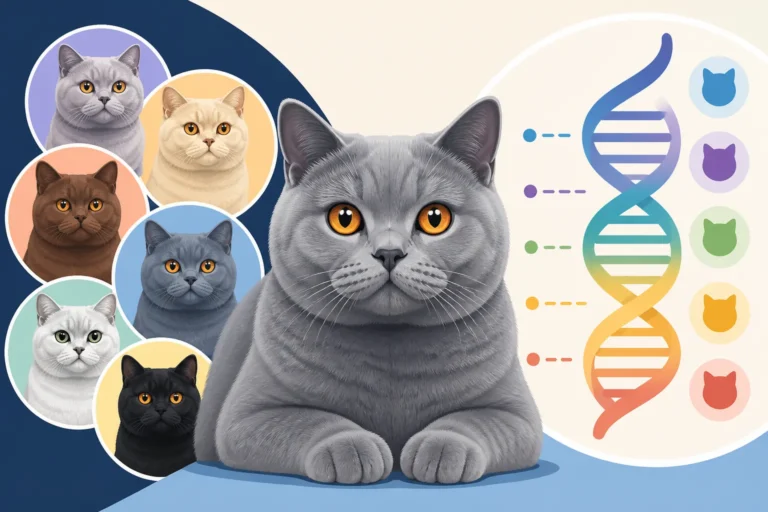
British Shorthairs are not all blue teddy bears
Blue is the best-known color, not the only one
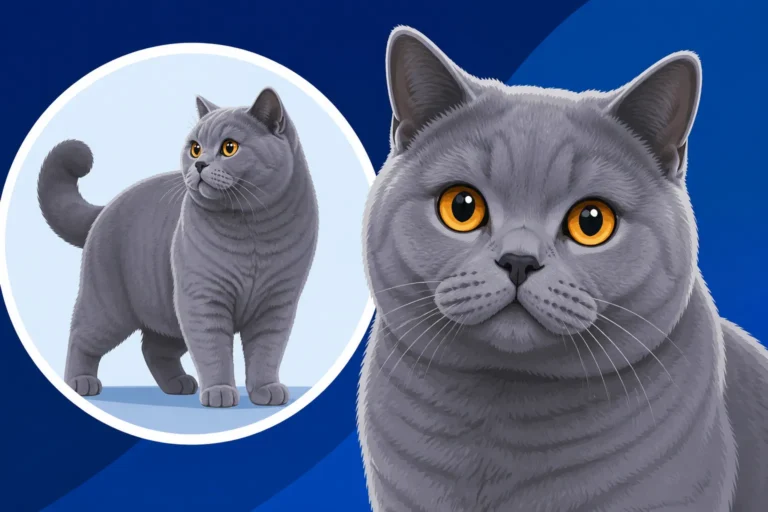
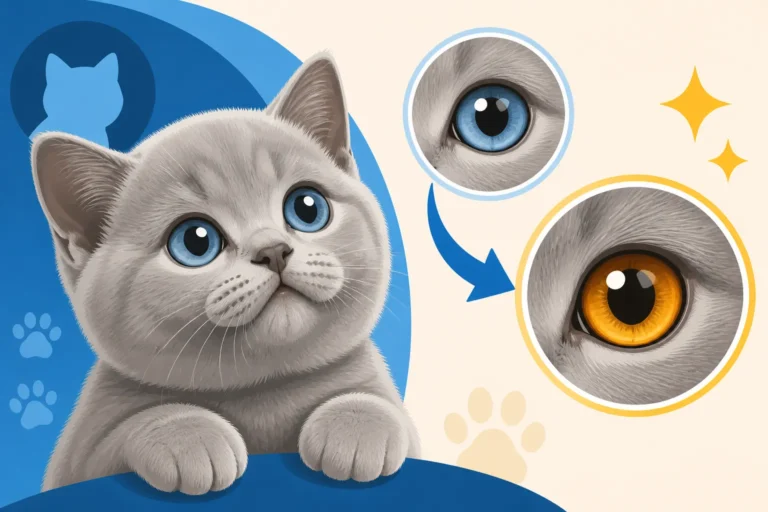
The blue British Shorthair—the solid gray cat with copper or gold eyes—is the image many people recognize. That popularity can make it seem as though “British Blue” is a separate breed or the only variety that counts. It is neither: blue is a coat color within the British Shorthair breed, which comes in many colors and patterns.
Depending on the cat’s color and pattern, its coat may look quite different from the familiar solid blue. British Shorthairs can be solid, tabby, bicolor, tortoiseshell, silver, golden, or colorpoint, among other varieties. Breed standards and accepted colors can vary by registry, so a particular appearance may be treated differently depending on the organization.
If you are comparing kittens, focus on more than the coat shade. Ask about the kitten’s parents, health screening, temperament, and registration. A striking color is not proof of good health, careful breeding, or a particular personality. For a broader look at the range, see A British Shorthair Comes in More Colors Than You Think.
The plush coat is not a sign that grooming is optional
The coat looks like a cushion, but it is dense, with an undercoat that sheds. It usually needs regular combing, especially when the cat is shedding more heavily. That does not mean a British Shorthair needs elaborate salon grooming; it does mean the coat benefits from routine care rather than being ignored until loose fur covers the furniture.
A comb is often a better fit than aggressive brushing tools. The aim is to lift loose hair without damaging the coat’s texture or irritating the skin. Start gently and keep sessions short if your cat is unsure. Many cats accept grooming more readily when it is introduced in calm, brief sessions rather than after a large tangle or stressful bath.
Owners sometimes assume that a shorthaired cat cannot mat. Mats are less common than in longhaired breeds, but they can still form, particularly in areas where friction occurs or where a cat has trouble grooming. Weight, age, illness, or discomfort can make self-grooming harder. For practical coat-care detail, Why a Comb Beats a Brush on a British Shorthair explains why tool choice matters.
Their round shape is not a reliable weight check
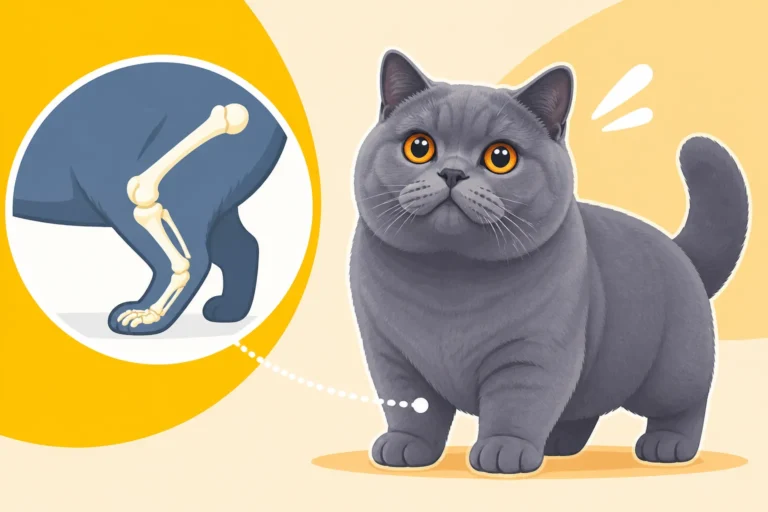
A British Shorthair’s broad build, thick coat, and rounded outline can make it hard to judge body condition by sight. Some cats look chunky even when they are in a healthy condition; others can carry excess weight beneath a coat that hides the waist. The breed’s appearance is not a substitute for checking the cat’s shape and tracking its weight over time.
Learn to feel gently along the ribs rather than relying only on photographs or the number on a scale. You should be able to feel the ribs with light pressure, although the coat can make the task less obvious. A veterinarian can help assess body condition and set a suitable target for an individual cat.
This matters because gradual weight gain is easy to miss when a cat has a naturally sturdy frame and a relaxed routine. Regular portions, measured meals, and monitoring are more useful than guessing based on appearance. How to Tell a Chunky British Shorthair From a Fat One offers more guidance on separating breed shape from excess weight.
British Shorthairs are not automatically cuddly or lazy
Affection does not always mean lap sitting
The breed is often described as affectionate, but that does not guarantee a cat that wants to be carried or held. Many British Shorthairs enjoy being near their people while keeping all four paws on the floor. Your cat may settle beside you, follow you from room to room, or watch from a favorite chair without climbing into your lap.
That preference is not a sign that the cat dislikes you. Cats express attachment in different ways, and a British Shorthair may show trust through quiet companionship, relaxed body language, or choosing to stay in the same room. Forcing a cuddle can have the opposite effect: the cat may learn that approaching you leads to being restrained.
Let the cat set the pace. Sit nearby, offer a hand for a sniff, and stop petting when the cat shifts away, flicks its tail, or becomes tense. If you are expecting a lap cat, it helps to understand this distinction before adoption. A British Shorthair Sits Near You, Not On You explores the breed’s often understated style of affection.
Calm is not the same as inactive
British Shorthairs are often less frantic than some highly energetic breeds, especially as adults. But “calm” should not be translated into “doesn’t need exercise.” Play helps provide movement and mental stimulation, and it can be particularly important for a sturdy cat that is inclined to lounge for long stretches.
A few short play sessions can work better than expecting a cat to entertain itself for an extended period. Try a wand toy, a rolling toy, or a game that lets the cat stalk and pounce. If the cat loses interest quickly, pause and try again later; a brief burst of enthusiasm still counts. Rotate toys so familiar objects do not become invisible parts of the furniture.
Movement can also be built into the day without turning your home into an obstacle course. Put a toy a little farther away, offer a safe window-watching spot, or use a puzzle feeder if your cat enjoys working for food. Some owners find enrichment items while shopping at Chewy, but the important part is choosing something appropriate for the cat and using it safely. Getting a Low Energy British Shorthair to Move has more ideas for making activity feel manageable.
Personality varies from cat to cat
Breed descriptions can offer a broad picture, but they cannot promise exactly how an individual cat will behave. Early experiences, socialization, age, health, and the home environment all matter. One British Shorthair may greet visitors from the hallway; another may prefer to observe from a quiet hiding spot until the house settles down.
Ask a breeder, rescue, or current caregiver about the specific cat’s habits rather than relying on a breed stereotype. Does the cat seek attention? How does it respond to handling? Is it comfortable with household noise? Does it play with people, toys, or other cats? Concrete examples are more useful than a label such as “easygoing.”
A reserved cat can still be a wonderful companion, but it may need time and predictable routines to feel secure. Give a new arrival a quiet room, accessible hiding places, food, water, and a litter box, then let it explore at its own pace. If you want to understand the range of personalities more fully, read What a British Shorthair's Temperament Is Really Like.
British Shorthairs are not maintenance-free or guaranteed healthy
A short coat does not remove everyday care
Even a low-fuss cat needs routine care. That includes keeping an eye on coat condition, claws, ears, teeth, litter habits, appetite, and weight. A cat may not need a bath unless there is a specific reason, but that does not mean grooming and basic checks can be skipped.
Regular handling helps you notice changes. If you briefly check your cat’s paws, coat, and face as part of a calm routine, you may spot a broken claw, a new lump, or a patch of fur that looks unkempt. If your cat resists, work gradually and do not turn every check into a wrestling match. A veterinarian or qualified groomer can advise if a particular task is difficult or unsafe to do at home.
Dental care is another area owners sometimes overlook because it is less visible than coat care. Bad breath, drooling, discomfort while eating, or a change in food preference deserves attention rather than dismissal as ordinary aging. Chewy carries pet-care supplies, but a product cannot replace an examination when a cat shows signs of pain or illness.
A sturdy build does not mean a cat is immune to health problems
The British Shorthair is not protected from illness by its solid appearance. Like any cat, an individual can develop health conditions, and some concerns may not be obvious at first. A normal-looking cat can still benefit from preventive veterinary care, age-appropriate examinations, and attention to changes in breathing, activity, appetite, drinking, or litter-box habits.
Heart disease is one reason not to rely on appearance alone. Some cats with heart conditions show few clear signs early on, while others develop changes that need prompt veterinary assessment. A normal-sounding heart on a routine exam does not always answer every question about heart health. Ask your veterinarian what screening is appropriate for your cat’s age, history, and risk.
Responsible breeders should be able to explain the health screening they use and share relevant results for breeding cats. A genetic test is not available for every condition, so a single test result should not be treated as a complete health guarantee. For more background, Whether the British Shorthair Is a Healthy Breed and What a British Shorthair Breeder Should Have Tested help clarify what “healthy breed” and responsible screening can—and cannot—mean.
Weight management is part of care, not a cosmetic concern
Because the breed can look round by nature, owners may not notice weight gain until it begins to affect movement or grooming. A cat that has trouble reaching its back, hesitates to jump, or becomes less interested in play may need an assessment. Those changes can have different causes, so avoid assuming that excess weight is the only explanation.
Measure food rather than estimating portions by eye, and include treats in the overall daily intake. If several people in the household feed the cat, agree on who gives meals and how much. Free-feeding can make it difficult to know what the cat actually eats, especially in a multi-cat home. A feeder that records meals or separates access may help some households, but it is not a substitute for a plan that fits the cat.
Avoid sudden or severe food restriction. Cats need gradual, veterinarian-guided weight loss when they are overweight; crash dieting can be dangerous. If you are unsure whether your cat needs to lose weight, ask for a body-condition assessment before changing the diet. Portion Control Is the Whole Job With a British Shorthair explains why measured feeding matters so much for this breed.
What to expect before choosing a British Shorthair
Match your expectations to the individual cat
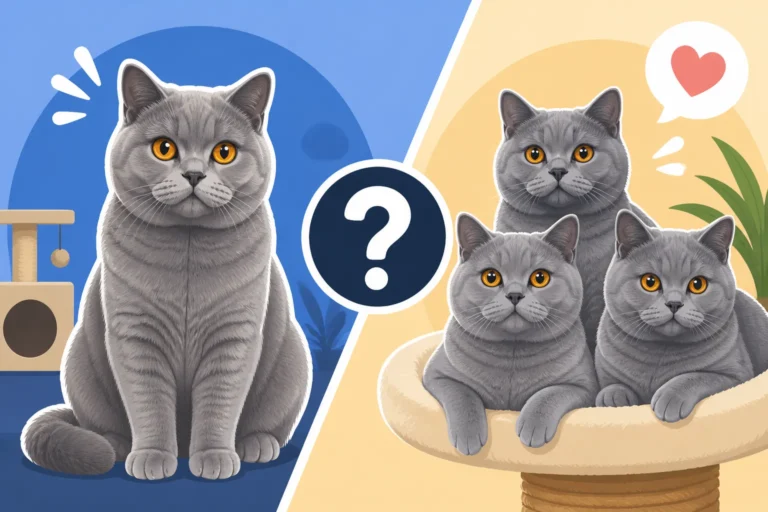
A British Shorthair can suit a home that appreciates a steady, independent companion, but the breed is not a guaranteed match for every lifestyle. If you want a cat who will happily be carried around, seek a lap on demand, or play energetically for long stretches, ask specific questions and spend time with the individual cat before deciding. Breed reputation alone cannot settle that question.
Consider the practical details too: who will handle daily feeding, grooming, litter cleaning, and veterinary visits? Is there a calm place for a new cat to retreat? Can you provide play and companionship even if the cat is not especially demonstrative? These questions are useful whether you are speaking with a breeder or considering an adult cat through a rescue.
For some households, adopting an adult can make temperament easier to assess because the cat’s established preferences are more visible. For others, a kitten may be the right fit if they have the time and patience for a young cat’s changing needs. Neither route guarantees a particular personality; careful matching and realistic expectations matter more.
Use practical questions instead of breed myths
When speaking with a breeder or caregiver, ask about the cat in ordinary situations. How does it respond to brushing? What happens when visitors arrive? Does it seek out people, and how does it react to being picked up? What foods and routines is it used to? If health screening is relevant, ask what was tested, for whom, and whether records are available.
A good conversation should make room for questions about limitations as well as strengths. A responsible source should not promise that every cat of the breed is perfectly healthy, completely low-maintenance, or guaranteed to behave a certain way. If someone relies on broad claims but cannot describe the individual cat’s habits or provide clear health information, take time to look more closely.
| Common assumption | More realistic expectation | Helpful next step |
|---|---|---|
| British Shorthairs are always blue | Blue is famous, but the breed comes in many colors and patterns | Ask about the cat’s specific color, lineage, and registration |
| A plush coat needs no care | Dense fur sheds and benefits from regular combing | Start with brief, gentle grooming sessions |
| They are natural lap cats | Many enjoy being close without wanting to be held | Let the cat choose when and how to interact |
| They are too lazy to need play | Calm adults still benefit from regular movement and enrichment | Offer short, low-pressure play sessions |
| A sturdy body means robust health | Appearance cannot rule out illness or replace veterinary care | Keep routine appointments and note changes |
| A breed label predicts personality | Individual temperament depends on more than breed | Ask about the specific cat’s behavior and history |
Look beyond the cute first impression
The round face and dense coat are part of the British Shorthair’s appeal, but they do not tell you everything about life with one. The breed can be affectionate without being clingy, calm without being inactive, and relatively easy to groom without being maintenance-free. The cat in front of you—not an online stereotype—is the best guide to what companionship will actually look like.
If you approach the decision with curiosity, ask for specific information, and plan for everyday care, you are more likely to find a good fit. And if you already live with a British Shorthair, recognizing what is normal for your cat makes it easier to spot meaningful changes and respond with care.
Disclaimer
This article is for general informational purposes only and does not constitute professional advice. Laws, prices and regulations vary by location and change over time. Consult a qualified professional for guidance on your specific situation.