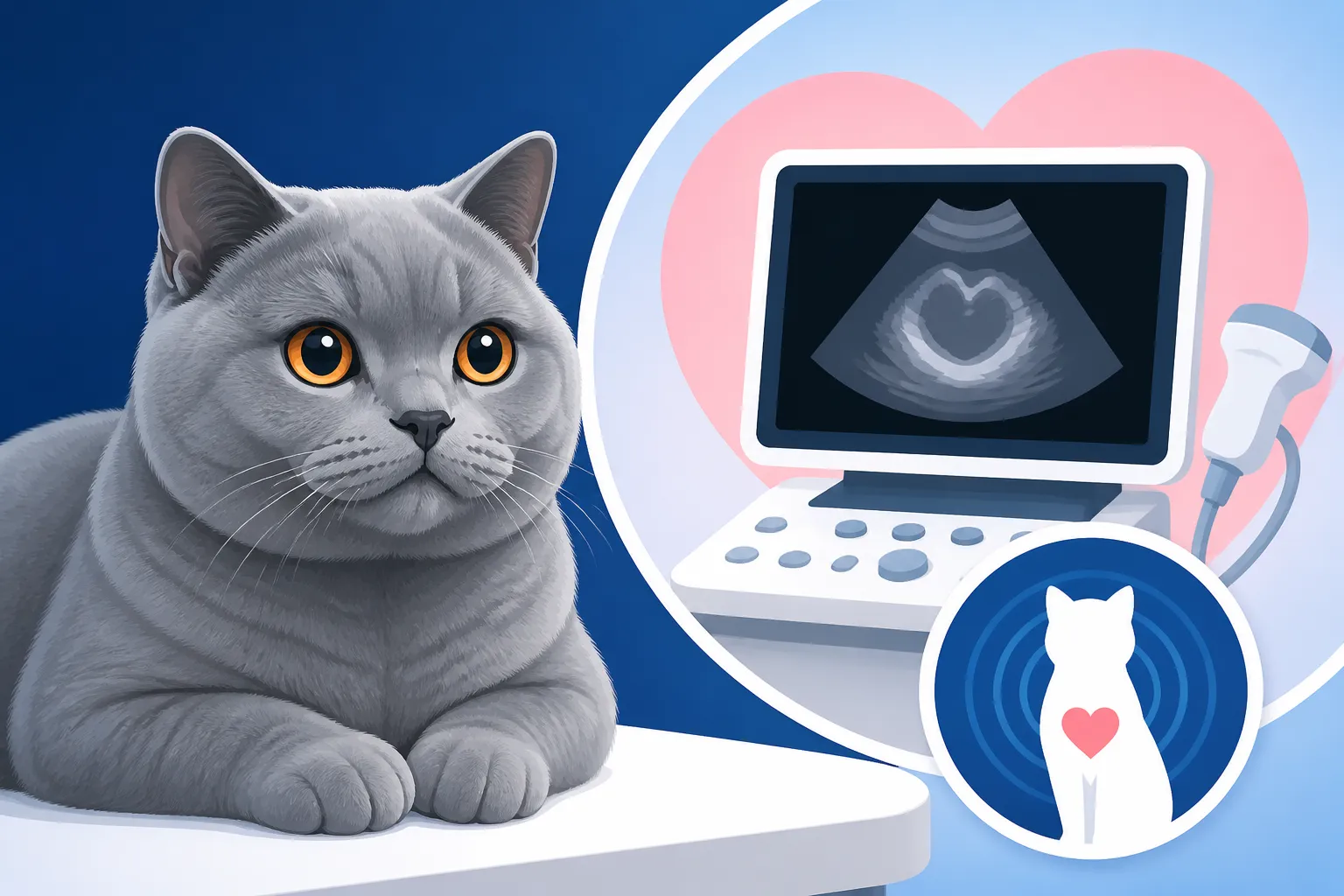
How Often a British Shorthair Needs an Echo
It's incredibly common for British Shorthair owners to feel a knot of anxiety when it comes to their beloved feline's heart health. With all the talk about Hypertrophic Cardiomyopathy (HCM) in the breed, knowing how often your British Shorthair truly needs an echocardiogram can feel like navigating a complex medical maze. This comprehensive guide will help clear up the confusion, detailing recommended echo schedules, factors that influence these recommendations, and what you can expect from the process, so you can make informed decisions for your furry family member.
Understanding British Shorthair Heart Health and HCM
The British Shorthair is a magnificent breed, known for its distinctive plush coat, round face, and calm demeanor. However, beneath that charming exterior, there's a serious health concern that responsible owners need to be aware of: Hypertrophic Cardiomyopathy (HCM). It's a condition that can often go unnoticed until it's quite advanced, making proactive screening absolutely vital.
The Silent Threat of Hypertrophic Cardiomyopathy
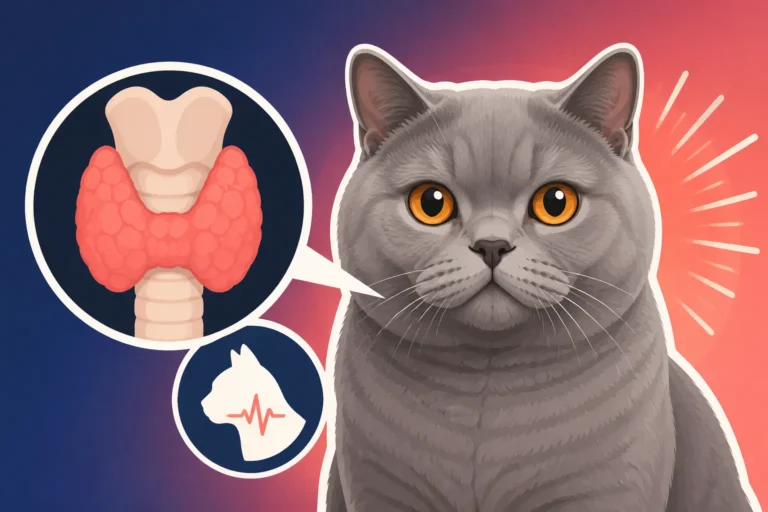
HCM is a disease that causes the muscular walls of a cat's heart to thicken abnormally. This thickening reduces the heart's ability to pump blood effectively, leading to a cascade of potential issues, including fluid in the lungs (congestive heart failure), blood clots, and even sudden death. What makes HCM such a "silent killer" is that many cats, including British Shorthairs, show no outward signs of the disease in its early stages. They might seem perfectly healthy, eating, playing (in their typically sedate British Shorthair way), and cuddling as usual, while their heart is slowly changing. This lack of obvious symptoms is precisely why regular, preventative screening is so important.
Imagine your cat, Biff, a handsome blue British Shorthair, who just turned five. He's always been a chill guy, loves his naps, and demands chin scratches on his own terms. You wouldn't think twice if he seemed a little more tired than usual after a short play session; after all, he's a British Shorthair, not a marathon runner. But sometimes, these subtle changes can be the earliest, most easily missed indicators of an underlying heart problem. By the time you notice more overt signs like labored breathing, lethargy, or a lack of appetite, the disease may have progressed significantly. You can learn more about What HCM Does to a British Shorthair's Heart to understand the full implications.
Why Regular Screening is Crucial for This Breed
Given the stealthy nature of HCM, regular echocardiogram screenings are not just a recommendation; they are a cornerstone of responsible British Shorthair ownership. Unlike some other breeds where a DNA test can identify the genetic markers for HCM (like the Maine Coon), there is no specific DNA test available for HCM in British Shorthairs. This means the only reliable way to diagnose the condition in its early stages is through an echocardiogram, which is essentially an ultrasound of the heart.
Without a genetic test, breeders and owners must rely on physical screening to monitor heart health. This means a British Shorthair breeder should have tested their breeding cats rigorously, and continue to do so throughout their breeding life. For pet owners, it translates to a commitment to regular vet visits that include these specialized cardiac scans. Think of it like getting your own annual physical; you might feel fine, but those routine checks can catch things before they become major problems. For a British Shorthair, catching HCM early can lead to treatment that significantly improves their quality of life and extends their lifespan. Ignoring these screenings is like playing a dangerous game of chance with your cat's health, hoping for the best while potentially missing critical windows for intervention.
Recommended Echocardiogram Schedules for British Shorthairs
Determining the ideal frequency for echocardiograms for your British Shorthair isn't a one-size-fits-all answer. It depends on several factors, including their age, whether they are part of a breeding program, and their individual health history. However, there are general guidelines that most veterinary cardiologists and responsible breeders adhere to.
Initial Baseline Screening for Kittens and Young Adults
For a British Shorthair, the journey of heart health screening typically begins early. It's often recommended that a British Shorthair has its first echocardiogram around the age of one year, sometimes even as early as 9-12 months. This initial scan serves as a "baseline." It establishes what your cat's heart looks like when it's still young and, hopefully, healthy. This baseline is incredibly valuable for future comparisons. If, years down the line, a subsequent echo shows changes, the cardiologist can refer back to that initial healthy scan to better understand the progression of any thickening or abnormalities.
Many breeders will conduct these first scans on their breeding cats before they even enter a breeding program, and some will even offer an initial screening for pet kittens before they go to their forever homes, though this is less common due to cost. If you acquire a kitten, especially from a breeder who has a strong emphasis on health, they might be able to tell you When a British Shorthair Should Have Its First Echo and what protocols they follow. Even if your kitten comes from parents with clear, healthy hearts, an individual baseline is still important, as HCM can manifest spontaneously. Think of it like buying a new car; you get it inspected before you drive it off the lot to ensure everything is in perfect working order before you start putting miles on it.
Routine Annual or Biennial Echos for Adults
Once your British Shorthair has their baseline echo, the recommendation for adult cats is typically an echocardiogram every 1 to 2 years. For many, an annual scan is the gold standard, especially considering the breed's predisposition to HCM and the absence of a DNA test. This consistent schedule allows for the early detection of any subtle changes in heart thickness or function before they become clinically significant.
Consider Millie, a gorgeous cream British Shorthair who just celebrated her third birthday. Her owner, Sarah, makes sure Millie gets her annual echo every spring, right around Millie's birthday. This routine means that if a tiny bit of wall thickening starts to develop, it's likely to be caught at its earliest, most manageable stage. If they waited every three or four years, that slight thickening could become a much more pronounced issue, possibly even causing symptoms by the time it's discovered. The thought is, the earlier you catch it, the more options you have for management and the better the long-term prognosis. Many vets will recommend an annual schedule, particularly for breeds at risk like the British Shorthair, while some might suggest biennial (every two years) if the previous scans have consistently been perfectly clear. For some, How Long a Clear British Shorthair Echo Is Good For might influence this decision, but generally, annual is preferred for peace of mind and proactive care.
Increased Frequency for Breeding Cats or At-Risk Individuals
When it comes to British Shorthairs involved in breeding programs, the screening frequency becomes even more stringent. Responsible breeders will typically have their breeding cats scanned annually without fail. This is critical not only for the health of the individual cat but also to prevent passing on a potentially devastating genetic predisposition to future generations. Even though there's no DNA test for British Shorthair HCM, annual screening helps breeders identify affected cats and remove them from breeding to slowly reduce the incidence of the disease in the breed pool.
Furthermore, if your British Shorthair has already been diagnosed with HCM, or if they have a heart murmur, their echo frequency will increase significantly. A cat with a known heart condition might need echocardiograms every 6-12 months, or even more frequently, depending on the severity of the condition and the progression of the disease. These more frequent scans allow the veterinary cardiologist to monitor the heart's function, assess the effectiveness of any medication, and make adjustments to the treatment plan as needed. For example, if your British Shorthair, Jasper, was diagnosed with early-stage HCM at age four, his cardiologist might recommend an echo every six months to keep a close eye on the thickening and ensure his medication is doing its job. This is a vital part of proactive management, aiming to improve How Long a British Shorthair Lives After an HCM Diagnosis.
Here's a quick overview of typical echo schedules:
| Cat's Status / Age | Recommended Echo Frequency | Purpose |
|---|---|---|
| Kitten / Young Adult (9-18 months) | Initial Baseline Scan (once) | Establishes healthy heart structure for future comparison. |
| Adult Pet British Shorthair (1.5 – 7 years) | Annually or Biennially | Regular monitoring for early detection of HCM. |
| Adult Breeding British Shorthair (1.5 – 7 years) | Annually | Essential for breed health, monitoring for HCM, and making informed breeding decisions. |
| Senior British Shorthair (8+ years) | Annually or as recommended by vet | Continued monitoring for HCM and age-related heart changes, especially with other health issues. |
| Cat with Heart Murmur | As recommended by cardiologist | To determine the cause and severity of the murmur, and monitor progression. |
| Cat with HCM Diagnosis | Every 6-12 months, or more frequently | Monitor disease progression, assess medication effectiveness, and adjust treatment plans to maintain quality of life. |
Factors Influencing Echo Frequency
While the general guidelines provide a good starting point, the specific frequency of echocardiograms for your British Shorthair can be influenced by several individual factors. It’s never a bad idea to have a detailed discussion with your veterinarian about what schedule makes the most sense for your cat’s unique circumstances.
Age and Health Status of Your British Shorthair
As your British Shorthair ages, their risk profile for various health conditions, including heart disease, can change. HCM can manifest at any age, but it's often diagnosed in middle-aged cats, typically between 3 and 8 years old, although it can appear earlier or later. Knowing The Age HCM Usually Appears in a British Shorthair can help you understand the critical periods for screening. For younger cats with consistently clear scans, a biennial schedule might be considered. However, as your British Shorthair enters their senior years, around 8-10 years old, an annual echo becomes even more advisable. Older cats can develop other age-related heart conditions or have existing HCM progress more rapidly.
Beyond age, your cat's overall health status plays a significant role. If your British Shorthair has other health issues, such as hypertension (high blood pressure) or hyperthyroidism, these conditions can also impact heart health and might warrant more frequent cardiac evaluations. Even seemingly unrelated issues could mask or exacerbate heart problems. For example, if your cat has unexplained weight loss, changes in appetite, or becomes lethargic, your vet might recommend an echo to rule out underlying heart disease, even if their last scan was clear a year ago. It’s all about looking at the complete picture of your cat’s well-being.
Breeder Screening Practices and Family History
When you first bring home a British Shorthair, understanding the breeder's screening practices and your kitten's family history is paramount. A responsible breeder will be transparent about the health screening of their breeding cats, including providing documentation of echocardiogram results for both parents, going back several generations if possible. They should be able to tell you What a British Shorthair Breeder Should Have Tested. If a breeder regularly screens their breeding stock annually and has a history of clear hearts in their lines, it can provide some reassurance. This doesn't eliminate the need for your own cat's screening, but it gives you a clearer picture of their genetic predisposition.
Conversely, if your cat's lineage is unknown (for example, if you adopted from a rescue, or the breeder didn't provide comprehensive health records), then more frequent, diligent screening on your part becomes even more crucial. You simply don't have the benefit of knowing a clear family history, which means you need to be extra vigilant. Even if your British Shorthair comes from a line with a previously affected relative, your vet might suggest a more frequent screening schedule, even if your cat's initial scans are clear. Knowledge of any history of HCM in close relatives (parents, siblings) can put your cat in a higher-risk category, prompting more conservative, frequent monitoring.
Clinical Signs and Your Vet's Recommendations
Ultimately, your veterinarian and, ideally, a board-certified veterinary cardiologist, will provide the most tailored recommendations for your British Shorthair's echo frequency. They are the experts who can assess all the factors mentioned above, perform a thorough physical examination, and listen to your cat's heart for any murmurs or abnormal rhythms. A heart murmur, for instance, is often the first clinical sign that prompts an echocardiogram, even if your cat isn't showing any other symptoms. While not all murmurs indicate HCM, they certainly warrant further investigation.
If your British Shorthair starts exhibiting any symptoms that could be related to heart disease—such as increased respiratory rate or effort (even subtle), lethargy, decreased appetite, or hiding more than usual—your vet will almost certainly recommend an immediate echocardiogram, regardless of when the last one was performed. Cats are masters at hiding illness, so any deviation from their normal behavior should be taken seriously. Your vet might also refer you to a veterinary cardiologist for specialized evaluation, as they have the advanced training and equipment to diagnose and manage complex cardiac conditions. A cardiologist can provide the most accurate assessment and detailed advice on how often a British Shorthair needs an echo, especially if there are concerns.
What Happens During a British Shorthair Echo?
Understanding the actual process of an echocardiogram can help alleviate some of the natural apprehension you might feel. It’s a non-invasive procedure, meaning it doesn't involve needles or surgery, and it’s typically well-tolerated by most cats, especially calm British Shorthairs.
The Non-Invasive Procedure and What to Expect
When you take your British Shorthair in for an echocardiogram, the procedure itself is quite straightforward. Your cat will typically be taken to a quiet room, usually with dim lighting to help them relax. They will be gently positioned on their side on a padded table, often with a small "window" cut out of the padding to allow the ultrasound probe direct contact with their chest wall. Sometimes, a tiny patch of fur on their chest might need to be shaved to ensure good contact and a clear image, but this is usually minimal and grows back quickly.
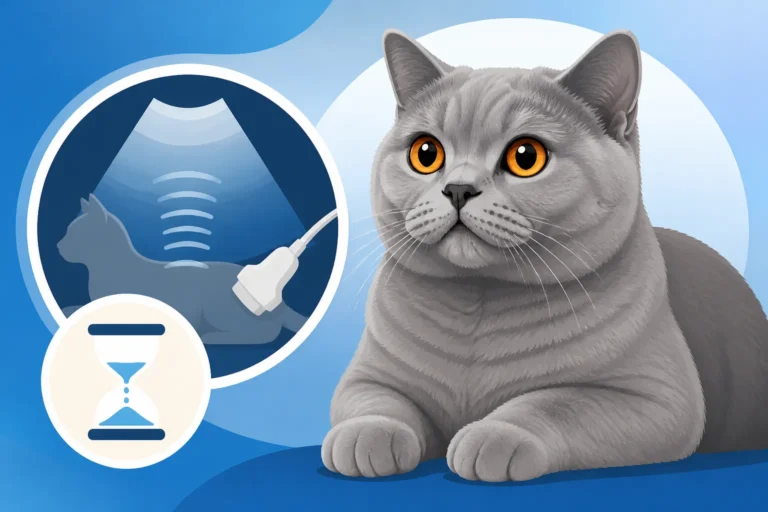
A water-soluble gel is applied to the skin (just like in human ultrasounds) to help the ultrasound probe glide smoothly and transmit sound waves effectively. The cardiologist or a trained veterinary technician will then use a handheld probe, gently pressing it against your cat's chest. This probe emits sound waves that bounce off the heart structures and are then translated into a real-time moving image on a monitor. The entire process usually takes between 20 to 45 minutes, depending on how cooperative your cat is and how complex the cardiac structures are. Most British Shorthairs, with their generally laid-back nature, do quite well. They might get a little restless, but sedation is rarely needed unless the cat is extremely anxious or aggressive, which isn't typical for this breed.
You, as the owner, might be allowed to stay with your cat during the procedure, offering comfort and reassurance, which can be immensely helpful for your British Shorthair's demeanor. How a British Shorthair's Echo Is Performed often involves the cat being awake and simply held gently, ensuring minimal stress. The specialist will examine all four chambers of the heart, measure wall thickness, assess valve function, and look for any abnormal blood flow or clots. They’re looking for those subtle signs of thickening or changes in function that signal HCM or other cardiac issues.
Interpreting the Results and Next Steps
Once the echocardiogram is complete, the cardiologist will interpret the images and measurements. This often involves comparing them against established normal ranges for the breed and for your cat's size and age, as well as against any previous scans if available. They will then discuss their findings with you.
If the results are normal, it’s a huge relief! The cardiologist will likely recommend sticking to the routine screening schedule (e.g., annual or biennial). They will also provide you with a written report of the findings, which is invaluable for your cat's medical history and for sharing with your regular veterinarian. If the results show abnormalities, such as thickening of the heart walls indicative of HCM, or other cardiac issues, the cardiologist will explain the diagnosis, its severity, and discuss the next steps. This might involve starting medication to help manage the condition, such as beta-blockers or ACE inhibitors, or anti-clotting medication like Plavix to prevent a potentially fatal event like a saddle thrombus. They will also outline a more frequent monitoring schedule for future echocardiograms and potentially other diagnostic tests like blood pressure checks or blood work. It's crucial at this stage to ask all your questions and ensure you understand the prognosis and treatment plan. Remember, an early diagnosis means you have more options for managing the disease and helping your British Shorthair live a comfortable life.
Managing the Costs and Emotional Impact of Heart Screening
Regular health screening, especially specialized procedures like echocardiograms, comes with a financial cost and can also take an emotional toll on owners. Being prepared for both aspects is an important part of responsible British Shorthair ownership.
Financial Planning for Regular Echocardiograms
The cost of a British Shorthair echocardiogram can vary significantly depending on your location, the veterinary clinic, and whether it's performed by a general practitioner with ultrasound capabilities or a board-certified veterinary cardiologist. Generally, you can expect an echo to cost anywhere from $300 to $800, sometimes more. This can feel like a substantial expense, especially when it's a recurring one. You can find more details about What a British Shorthair Echo Costs.
To mitigate this, financial planning is key. Many owners set aside a dedicated "pet emergency fund" or "health screening fund" to cover these anticipated costs. Another excellent option to consider is pet insurance. Plans from providers like Healthy Paws often cover diagnostic tests, including echocardiograms, especially if your cat has a pre-existing condition that is not excluded. It's vital to enroll your British Shorthair in pet insurance before any heart issues are suspected or diagnosed, as most policies have exclusions for pre-existing conditions. If you wait until a murmur is detected or HCM is diagnosed, it might be too late for that specific condition to be covered. Look into options for Insuring a British Shorthair to understand how this can protect your finances. Having insurance can turn a daunting $500 bill into a manageable co-pay, making those regular screenings much more accessible and reducing financial stress during an already anxious time.
Some clinics also offer "screening days" where they might have a visiting cardiologist and offer slightly reduced rates for specific breed screenings. It’s worth asking your vet if such opportunities exist in your area. Regardless of the method, proactively budgeting for these essential diagnostic tests is a testament to your commitment to your British Shorthair's long-term health.
Navigating an HCM Diagnosis and Future Care
Receiving an HCM diagnosis for your beloved British Shorthair can be absolutely heartbreaking. It's a moment filled with fear, sadness, and often a flurry of questions about what comes next. It's important to allow yourself to feel those emotions, but then to channel them into proactive care for your cat. The initial shock can make it hard to process information, so don't hesitate to ask your cardiologist to repeat explanations or provide written materials.
Living with a British Shorthair with HCM means committing to ongoing management. This will involve regular vet visits, often more frequent echocardiograms (as discussed, possibly every 6-12 months), and adhering to a strict medication schedule. The medications are crucial for supporting heart function and preventing complications like blood clots. You might need to learn how to administer pills or even liquid medications, which can be a challenge with some cats, though British Shorthairs are generally quite tolerant. It also means being acutely aware of subtle changes in your cat's behavior or breathing, as these could signal a progression of the disease or the onset of congestive heart failure.
Many owners find immense support in online communities or local breed groups where they can connect with others who are managing similar diagnoses. Sharing experiences, tips for medication, and emotional support can be incredibly helpful. While an HCM diagnosis is serious, it's not an immediate death sentence. With diligent care and monitoring, many British Shorthairs with HCM can live comfortably for years. The key is early detection and consistent management. Understanding What British Shorthair Owners Wish They Had Known about this condition often centers on the importance of those early, regular screenings.
Disclaimer
The information provided in this article is for general informational and educational purposes only and is not a substitute for professional veterinary advice. Always consult with a qualified veterinarian or veterinary cardiologist for any health concerns or before making any decisions related to your British Shorthair's medical care.