When the British Shorthair First Appeared at a Cat Show
It’s easy to look at our beloved British Shorthairs today, with their perfectly round faces and plush coats, and imagine they’ve always been celebrated, pampered members of the feline elite. But their journey to show ring stardom wasn't always a given. Many cat enthusiasts wonder precisely when these charming felines first stepped into the spotlight of a formal cat show, marking a pivotal moment in their recognition and development as a distinct breed. This guide will walk you through that fascinating history, exploring the visionary behind the first cat show and the British Shorthair's significant role in it.
The Visionary Behind the First Cat Show: Harrison Weir
Before the British Shorthair became a beloved fixture in homes and on show benches, the very concept of a "cat show" was revolutionary. In Victorian England, while dog shows were gaining popularity, cats were largely seen as utilitarian creatures – mousers, companions, but rarely subjects of formal admiration or structured breeding. This lack of recognition was a frustration for many cat lovers, but one man, in particular, decided to change it all.
Who Was Harrison Weir?
Harrison Weir was a true polymath of the Victorian era. An accomplished artist, illustrator, and journalist, he was also a passionate natural historian and a dedicated cat fancier. He loved cats deeply and felt they deserved the same respect and organized appreciation that dogs received. Weir wasn't just observing cats; he was studying them, understanding their distinct types, and advocating for their welfare. He saw beauty and unique characteristics in the common domestic cats of Britain, many of whom were the ancestors of today's British Shorthairs. His vision was to elevate these "domestic short-haired" cats, to showcase their beauty and health, and to encourage selective breeding to maintain and improve desirable traits. It truly began with his deep affection and artistic eye. You can read more about Who Harrison Weir Was to the British Shorthair.
Why a Cat Show? Elevating the Feline Status
Weir's motivation for organizing the first cat show stemmed from a desire to formalize cat breeding and appreciation, moving it beyond casual pet ownership. He believed that holding a public exhibition would highlight the diverse beauty of cats, educate the public, and inspire careful breeding practices. At a time when many cats simply roamed the streets or served practical purposes on farms, Weir's initiative was a bold statement. He wanted to demonstrate that cats, much like horses or dogs, possessed distinct breeds and types worthy of competition and selective breeding. The show wasn't just about display; it was about setting standards, promoting responsible ownership, and ultimately, ensuring the longevity and health of various feline types. It was a groundbreaking idea that cat owners today, browsing for cat supplies on a site like Chewy, might take for granted, but it required immense dedication to bring to life.
The Historic Debut: British Shorthairs at Crystal Palace in 1871
The stage was set for a momentous occasion that would forever change the world of cat fancy. Harrison Weir’s dream materialized at one of London’s most iconic venues.
Setting the Scene: Crystal Palace and the Victorian Spectacle
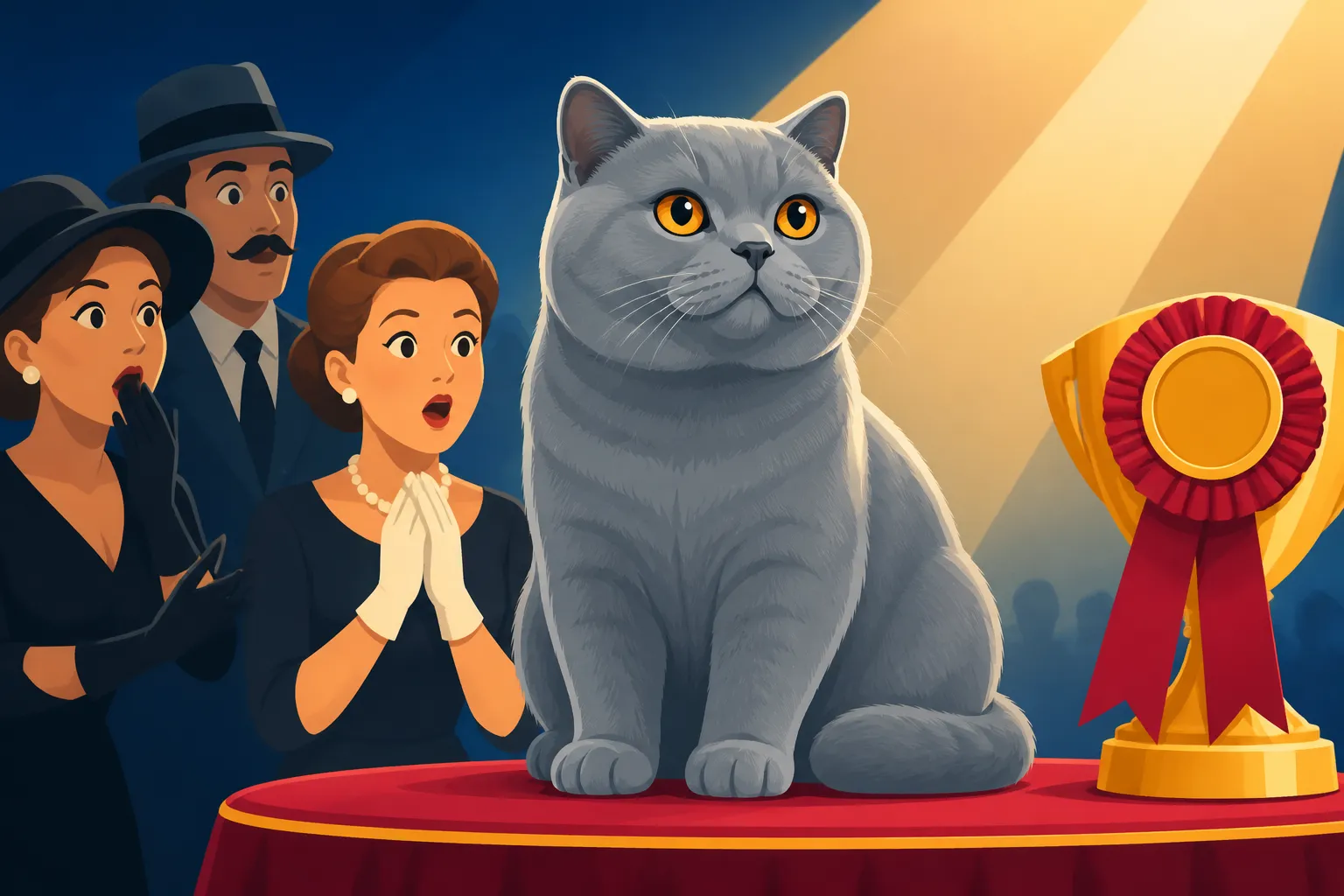
On July 13, 1871, the world’s first organized cat show opened its doors at the grand Crystal Palace in London. This magnificent glass and iron structure, originally built for the Great Exhibition of 1851, was the perfect backdrop for such an ambitious event. It was a marvel of engineering and a symbol of Victorian progress, drawing crowds eager for novelty and spectacle. Imagine the scene: hundreds of cats, brought from all corners of Britain, housed in specially designed cages. The air would have buzzed with excitement, curiosity, and perhaps a touch of apprehension from the feline participants themselves. For the public, it was an unprecedented opportunity to see such a vast collection of cats, from exotic imports to the familiar "street cats" that Weir championed. This event, What Happened to the British Shorthair at Crystal Palace, was a huge deal, captivating the public imagination and forever linking the British Shorthair with this historic venue.
The British Shorthair's Moment: What Made Them Stand Out?
Among the 170 entries, which included Siamese, Persian, and various other breeds, the domestic British cats—the direct ancestors of our modern British Shorthairs—were prominently featured. Harrison Weir himself had a deep affection for these robust, native cats, describing them as "fine, muscular, powerful fellows." He sought to establish them as a distinct and respected breed, judging them on their size, strength, and classic "cobby" build.
These early British Shorthairs, often referred to simply as "British cats" or "domestic shorthairs" at the time, were recognized for their strong, rounded features, dense coats, and calm demeanour. They represented the quintessential British feline, adapted to the local climate and conditions. Their participation wasn't just about filling a category; it was about demonstrating that these everyday cats possessed a unique charm and conformation worthy of celebration. Weir awarded his own blue tabby female the Best in Show prize, a pivotal moment that cemented the type as deserving of formal recognition. This win helped define Which British Shorthair Won the First Cat Show and set the precedent for the breed's future. It was a far cry from their humble beginnings, where a cat's primary purpose might have been to catch mice on a farm, as explored in What a British Shorthair Did on a Farm.
Here's a snapshot of the pioneering event:
| Event | Date | Location | Key Figures | Significance for British Shorthair |
|---|---|---|---|---|
| First Cat Show | July 13, 1871 | Crystal Palace | Harrison Weir | Official debut of the British domestic cat in a formal setting, laying groundwork for breed standards. |
| Harrison Weir's Role | 1871 onwards | UK | Harrison Weir | Championed the native British cat, defining its desired type and advocating for its recognition. |
| Show Categories | 1871 | Crystal Palace | Organizers | Included "British Shorthairs" (then known as "British Cats" or "Domestic Shorthairs") among other breeds. |
| Best in Show Winner | 1871 | Crystal Palace | Harrison Weir's cat | A blue tabby female, solidifying the classic British Shorthair look and leading to Why the Blue Became the British Shorthair Everyone Pictures. |
The Impact and Legacy of the First Show
The Crystal Palace Cat Show was more than just an exhibition; it was a catalyst that transformed how cats were viewed and valued, especially the emerging British Shorthair breed.
From Street Cat to Show Stopper: Shifting Perceptions
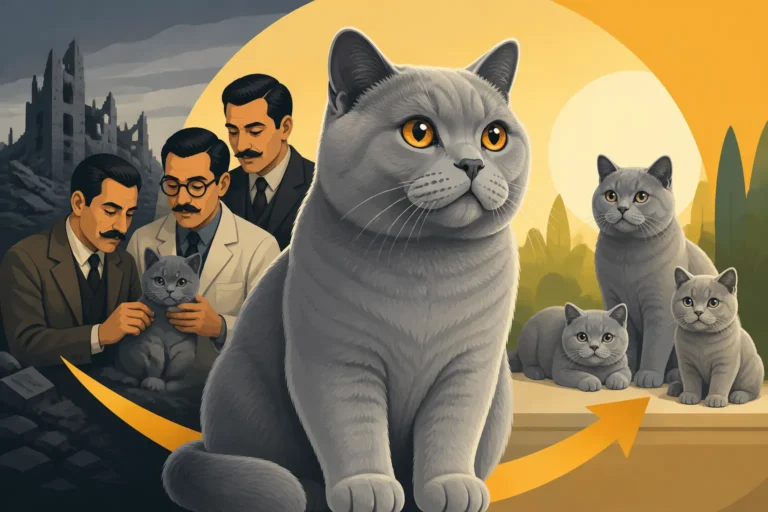
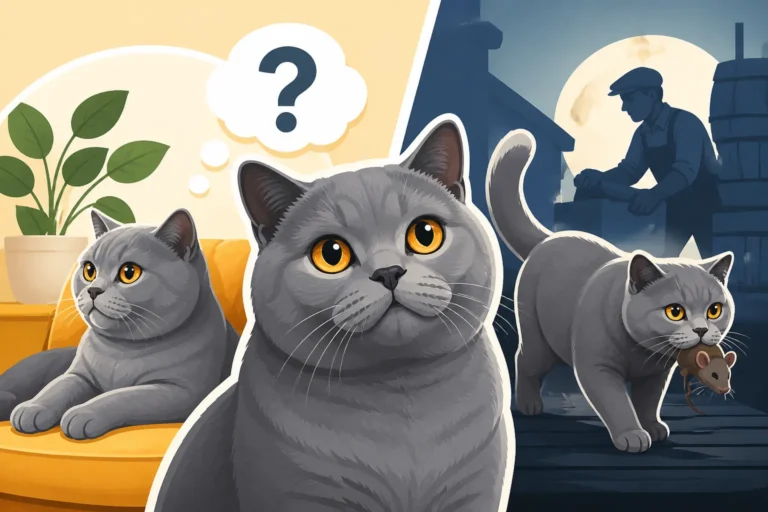
Before the 1871 show, the British domestic cat was largely appreciated for its practical skills rather than its aesthetic qualities. They were ubiquitous, hardy, and dependable mousers. Harrison Weir, however, saw beyond their utility. He envisioned a future where these cats were esteemed for their physical attributes and gentle temperaments. The show provided the perfect platform to introduce this new perspective to the public. By presenting these "common" cats in a competitive, dignified setting, Weir began to reshape public perception. No longer were they just barn cats or alley dwellers; they were now "British Cats," worthy of being admired, bred with care, and given proper names. This marked the beginning of a deliberate effort to establish what we now know as the British Shorthair breed. This shift from mere street cat to show stopper really cemented The British Shorthair Started as a British Street Cat as a recognized origin story, rather than just a historical footnote.
The Enduring Influence on the British Shorthair Standard
The criteria used by Harrison Weir and his fellow judges at that first show formed the foundational principles for the British Shorthair breed standard that we still see today. Their focus on a strong, cobby body, a broad head, rounded ears, and a dense, short coat became the blueprint. While the breed has certainly evolved over the decades, the core characteristics—such as the distinctive round head and prominent copper eyes—can be traced back to these early ideals. Even the specific prize-winning blue tabby of Harrison Weir's helped popularize the blue variant, shaping the iconic image many people have of the breed. If you look at The Round Head and Copper Eye a British Shorthair Is Judged On, you'll see just how much of Weir's early vision persists. This enduring influence underscores the profound impact of that inaugural event on the British Shorthair's identity and its journey from informal domestic pet to an internationally recognized pedigree cat.
Beyond the First Show: Early Challenges and Evolution
While the 1871 show was a triumph, it was only the beginning. The British Shorthair, like many emerging breeds, faced considerable challenges in solidifying its place in the cat fancy.
Maintaining the Breed's Identity Amidst Competition
The initial success of the British Shorthair at Crystal Palace sparked interest, but it also placed the breed in competition with other, often more exotic, felines. The long-haired Persian, in particular, gained immense popularity in the late 19th and early 20th centuries, sometimes overshadowing the native British cats. Breeders of British Shorthairs had to work diligently to maintain their distinct identity, focusing on selective breeding to refine their unique features and ensure they didn't become homogenized with other types. This period saw dedicated fanciers establishing clubs and developing more detailed breed standards to guide their efforts. It was crucial to prevent the "British Cat" from simply being a generic shorthair, but rather a cat with specific, desirable traits. This struggle to recover and maintain their specific characteristics is detailed further in How Long the British Shorthair Took to Recover after periods of decline.
The British Shorthair Today: A Nod to Its Show Ring Roots
Fast forward to today, and the British Shorthair is one of the most beloved and recognizable cat breeds globally. Its placid temperament, teddy-bear looks, and robust health (when properly cared for) make it a fantastic companion. The breed's show ring roots are evident in the strict standards breeders still adhere to, ensuring the continuation of those admired traits that Harrison Weir first championed. Modern British Shorthair breeders continue to prioritize health and conformation, often using resources like Chewy for specialized diets or comfortable carriers for show travel. They also rely on genetic testing for inherited conditions, a far cry from the guesswork of early breeders. The careful screening that goes into ensuring a healthy lineage is a testament to how far the cat fancy has come since its initial, groundbreaking show, helping ensure Whether the British Shorthair Is a Healthy Breed. The breed has truly come full circle, from an everyday working cat to a celebrated show cat, and now, a cherished family member around the world.
Disclaimer
This article is for general informational purposes only and does not constitute professional advice. Laws, prices and regulations vary by location and change over time. Consult a qualified professional for guidance on your specific situation.