Whether an Aging British Shorthair Needs Combing More
One common worry for British Shorthair owners as their beloved felines enter their golden years is how their grooming needs might change. You might be looking at your senior British Shorthair, noticing their once pristine coat seems a little less perfect, perhaps a touch duller or more prone to tangles, and wondering if your grooming routine needs an overhaul. This comprehensive guide will delve into why an aging British Shorthair often benefits from increased combing and how you can best support their evolving care needs to keep them comfortable and healthy.
The Changing Coat of an Aging British Shorthair
It’s easy to think a cat's coat remains the same throughout its life, but just like us, our feline friends experience changes as they age. A senior British Shorthair's magnificent dense coat, a hallmark of the breed, can undergo subtle yet significant transformations that directly impact its manageability and the cat's ability to maintain it. Understanding these shifts is the first step in providing tailored care.
The Luxurious Youthful Coat Versus Senior Changes
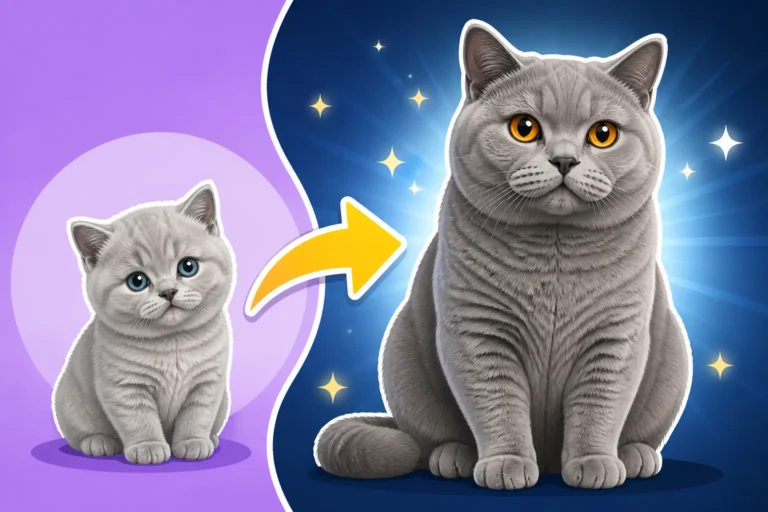
When your British Shorthair was a spry youngster, their coat was likely the epitome of plush perfection. It stood away from their body, incredibly dense, resilient, and probably felt like the softest teddy bear fur you could imagine. This thick, double coat was designed to offer excellent insulation and protection, and typically, a younger, limber British Shorthair had no trouble keeping it in top condition with their diligent self-grooming.
However, as they mature into their senior years, which generally begins around ten years old, you might notice some differences. The coat might not feel quite as dense, losing some of that characteristic "crispness" that makes it stand out. It can become finer in texture, or paradoxically, sometimes coarser and a bit drier. You might also observe that their once vibrant coat colors seem slightly muted, or perhaps they develop more grey hairs, particularly around their muzzle. These changes in texture and density can make the coat more susceptible to matting and tangling, even with their best efforts at self-grooming. The natural oils that keep the fur supple and shiny might also decrease, leading to a duller appearance and potentially drier skin underneath. It’s a natural part of What an Aging British Shorthair's Coat Looks Like, and it requires a proactive approach from you, their loving owner.
Why Self-Grooming Declines in Senior Cats
It’s a heartbreaking reality that as cats age, many of the physical capabilities we take for granted begin to wane. Self-grooming, which is not just about aesthetics but also a vital part of feline hygiene and emotional well-being, is often one of the first things to be affected. Your senior British Shorthair isn't just getting lazy; there are often very real, underlying reasons why they can't maintain their coat as effectively as they once did.
One of the most common culprits is arthritis or general stiffness. Imagine trying to twist and turn to reach every part of your back if your joints were aching or stiff. Cats are masters at hiding pain, but those acrobatic stretches needed to groom their hindquarters, the base of their tail, or even their lower back can become genuinely uncomfortable. You might notice them favoring certain positions, or simply giving up on those harder-to-reach spots. This is a common issue for many older cats, and understanding Whether an Aging British Shorthair Gets Stiff is crucial. Dental problems are another major factor. A cat with sore gums, loose teeth, or other oral pain won't want to use their mouth to pull at fur, which is a necessary part of grooming. Regular dental check-ups are paramount, as What a British Shorthair's First Dental Costs can quickly become significant if issues are left untreated. Obesity, which British Shorthairs are notoriously prone to, further exacerbates the problem. An overweight senior cat simply cannot bend and reach all areas of their body, leading to neglected patches and mats. Other health issues like kidney disease, hyperthyroidism, or even just general weakness can also reduce their energy and motivation to groom. When you see your British Shorthair struggling to keep themselves clean, it's rarely a sign of defiance, but rather a silent cry for help, indicating that their body just isn't cooperating anymore. Why an Aging British Shorthair Stops Grooming is almost always rooted in a physical limitation.
Increased Combing: The Answer to Senior Coat Challenges
Given the changes in their coat and their reduced ability to self-groom, it becomes clear that an aging British Shorthair doesn't just need more combing; they truly benefit from it. What might have been a weekly touch-up in their prime could now become a daily necessity, and it's a small investment of your time that pays huge dividends in their comfort and health.
Preventing Mats and Tangles
For a British Shorthair, that dense, plush coat is both a blessing and a potential curse as they age. While beautiful, it's highly susceptible to matting, especially when self-grooming efforts dwindle. Mats are not just unsightly; they are genuinely painful for your cat. They pull at the skin, restricting movement, and can hide skin infections, parasites, or other issues underneath. Imagine having a tight knot of hair constantly tugging at your skin – it's incredibly uncomfortable.
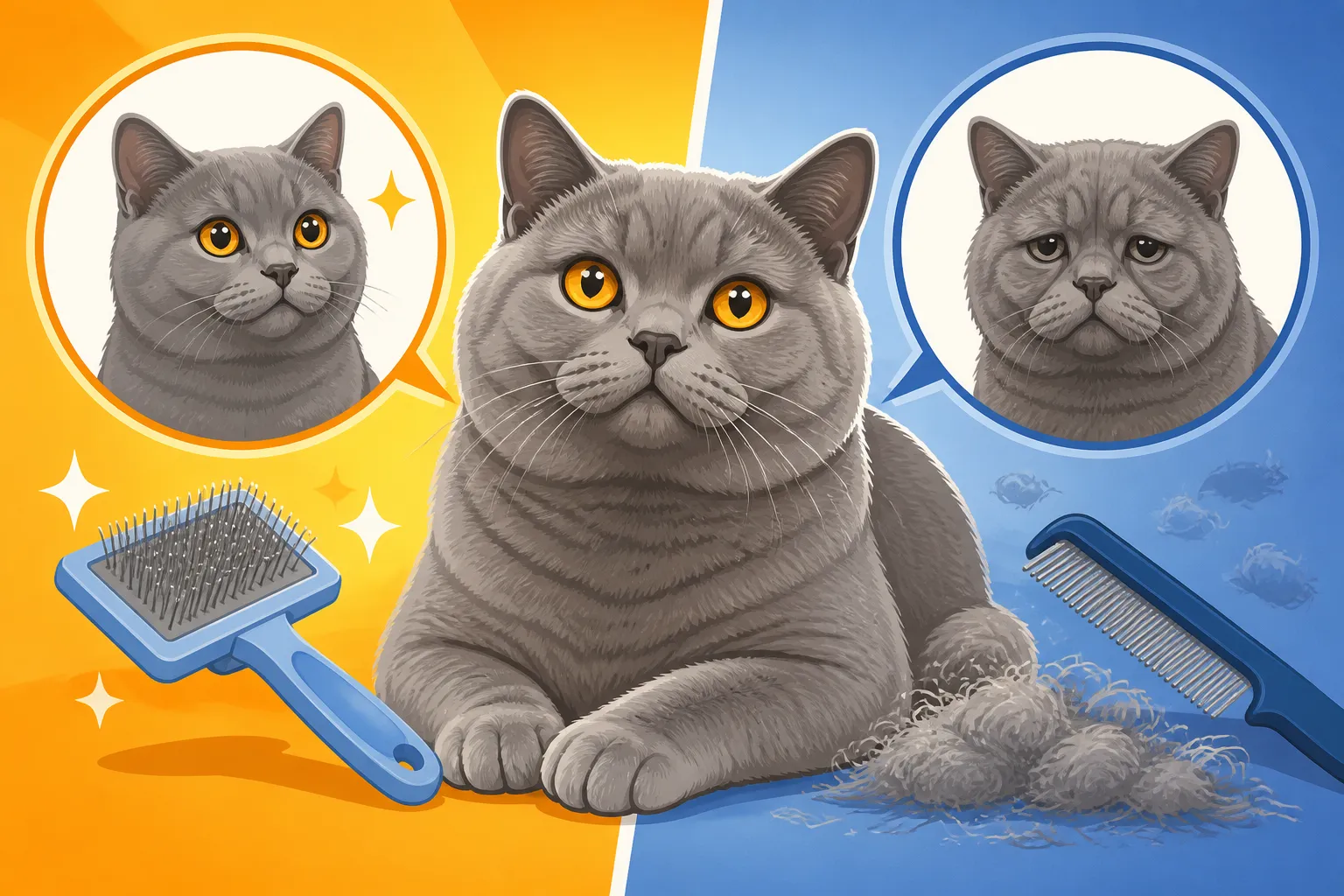
Regular, gentle combing helps prevent these troublesome mats from forming in the first place. By consistently working through their fur, you remove loose hairs before they have a chance to clump together and create tangles. This is particularly important in areas where mats commonly form, such as behind the ears, under the armpits, along the flanks, and around the hindquarters. These are often the very spots that an arthritic or overweight senior cat struggles most to reach. Establishing a routine where you systematically comb these areas means you're proactively safeguarding your British Shorthair from discomfort. Think of it as preventative care; an ounce of prevention in the form of a daily comb-out is worth a pound of cure, which might involve a stressful, expensive trip to the vet for mat removal or even sedation. Your goal is to keep their coat flowing freely, allowing their skin to breathe and preventing any undue stress caused by painful tugging.
Stimulating Skin and Circulation
Combing isn't just about detangling; it's a fantastic way to support your senior British Shorthair's overall skin health and circulation. The gentle massage of a comb across their skin helps to stimulate blood flow, which in turn promotes a healthy skin barrier and can encourage natural oil production. These oils are vital for keeping their fur soft and supple, reducing dryness and flakiness that can become more prevalent in older cats.
This increased circulation can also benefit their muscular system, providing a mild, comforting massage that can be particularly soothing for an older cat who might be experiencing stiffness or mild aches. For a cat whose activity levels have decreased, this external stimulation can be quite beneficial. Moreover, regular combing allows you to get up close and personal with your cat's skin, giving you an early warning system for any potential issues. You might notice unusual lumps, bumps, dry patches, fleas, or changes in skin color that could indicate a health problem. Catching these things early can make a significant difference in treatment outcomes. It’s a wonderful opportunity for bonding, too. Many cats, once accustomed to it, find grooming to be a deeply relaxing and pleasurable experience, strengthening the bond you share.
Hairball Reduction and Digestive Health
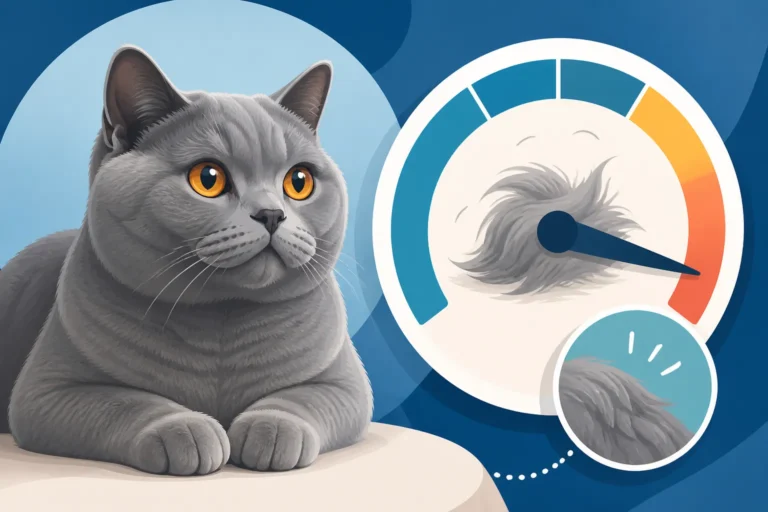
British Shorthairs, with their dense coats, are naturally prone to hairballs. They ingest a significant amount of loose fur during their self-grooming rituals, which normally passes through their digestive system without issue. However, as they age, their digestive motility can slow down, and their compromised self-grooming means that while some fur is still ingested, the overall removal of loose hair from their body might be less efficient, leading to a build-up of dead hair that has nowhere to go but down.
When an older British Shorthair struggles with hairballs, it's more than just an unpleasant mess on your carpet. Large or frequent hairballs can cause digestive upset, lead to vomiting, decrease appetite, or even, in severe cases, cause intestinal blockages, which are serious and potentially life-threatening for a senior cat. By increasing combing, you are physically removing a significant amount of that loose, dead undercoat and outer guard hairs before your cat has a chance to swallow them. This drastically reduces the amount of fur entering their digestive tract, thereby minimizing the risk and frequency of hairballs. It's a simple, non-invasive way to protect your senior cat's sensitive digestive system and ensure they remain comfortable and able to absorb nutrients from their food effectively. Less fur ingested means a healthier gut and less strain on their aging body.
Practical Tips for Combing Your Senior British Shorthair
Now that we understand why increased combing is so vital for an aging British Shorthair, let's talk about the how. Making grooming a positive, comfortable experience is key, especially for a senior cat who might already be feeling a bit fragile.
Choosing the Right Tools and Technique
The right tools can make all the difference. For a British Shorthair, you need a comb that can penetrate their dense coat without irritating their skin. Forget slicker brushes; they're often too harsh and can damage their delicate undercoat. A good quality metal comb with both wide and fine teeth is indispensable. For senior cats, you might even look for combs with rotating teeth, as these can glide through the fur more easily and reduce pulling. Brands like Safari or Chris Christensen offer excellent options that you can find easily on Amazon or Chewy.
| Tool Type | Purpose | Why it's good for Seniors |
|---|---|---|
| Fine/Medium Toothed Metal Comb | Detangling, removing loose fur from outer coat | Effective, gentle, good for all areas |
| Wide Toothed Metal Comb | Initial detangling, thicker coat areas | Reduces tugging, good for sensitive or matted spots |
| Rotating Tooth Comb | Glides through fur, prevents pulling | Extra gentle, ideal for sensitive skin or tender areas |
| Soft Bristle Brush | Surface grooming, distributing oils, shine | Soothing massage, helps with circulation |
| Damp Cloth | Wiping away dander, final polish | Gentle cleaning, especially for faces or paw pads |
When you start combing, remember gentleness is paramount. Your senior British Shorthair might be more sensitive to touch, and any rough handling could turn them off grooming permanently. Start with short sessions, just a few minutes at a time, and always in a calm, quiet environment. Support their body, especially if they have arthritis. For example, if you're combing their back, let them lie comfortably on their side. Use short, light strokes, always combing in the direction of hair growth. If you encounter a tangle, don't yank! Gently work it out with your fingers first, or use the wider teeth of your comb to slowly tease it apart, supporting the skin at the base of the mat. If a mat is too tight or close to the skin, it’s always best to consult your vet or a professional groomer, as attempting to cut it out yourself can easily result in injury. Remember, the goal is comfort and care, not a pristine show coat overnight.
Establishing a Gentle Routine
Consistency is key when it comes to grooming your senior British Shorthair. Instead of infrequent, long sessions, aim for shorter, more frequent ones. Daily combing, even for just 5-10 minutes, is far more effective than an hour-long session once a week. This regular routine helps to keep on top of shedding and tangles before they become major issues.
Choose a time of day when your cat is relaxed and receptive. Perhaps after a nap, or when they are purring contentedly by your side. Approach them calmly, speak in a soothing voice, and offer treats freely. Positive reinforcement is your best friend here. Associate combing with pleasant experiences. If they tolerate it well, give them a tasty treat or some gentle ear scratches. If they seem uncomfortable or try to move away, don't force it. End the session gently and try again later. The idea is to build trust and make them anticipate the grooming session as a positive interaction, not a dreaded ordeal. Over time, your British Shorthair will learn that this dedicated time with you is a comfortable and loving experience. This routine also allows you to check for other issues, like Why an Aging British Shorthair's Claws Overgrow and trim them as needed, preventing painful ingrown nails. Remember, the consistency of these short, positive interactions will be more beneficial than trying to do everything at once. How Often a British Shorthair Needs Combing really does increase as they get older.
Addressing Specific Senior Grooming Issues
As your British Shorthair ages, you might encounter a few specific grooming challenges that require a little extra attention. Dry, flaky skin is one such issue. The reduction in natural oil production can lead to a less vibrant coat and itchiness. While combing helps stimulate circulation, you might also consider adding a fish oil supplement to their diet (always consult your vet first) or using a pet-safe hydrating spray. For truly dry patches, a vet might recommend a specific shampoo or topical treatment.
Another common problem is difficulty reaching certain areas, leading to mats, especially around the hindquarters or under the tail. These areas are particularly prone to getting soiled, which can lead to skin irritation and infection. For these sensitive spots, a slightly damp cloth can be used to gently clean the area before combing. If the fur is constantly getting soiled, a "sanitary trim" around the rear can be incredibly helpful. This is typically done by a professional groomer or vet, as it requires specialized clippers and expertise to avoid injuring your cat. Overweight British Shorthairs will especially struggle with this. Finally, keep an eye on their claws. Older cats often don't wear down their claws as effectively as younger, more active cats, leading to overgrowth that can curl back into their paw pads, causing pain and infection. Regular, gentle nail trims become even more critical. All these small, targeted efforts contribute significantly to your senior British Shorthair's comfort and dignity.
Beyond Combing: Other Senior Care Considerations
While increased combing is undeniably important, it’s part of a larger picture of holistic senior care. To truly support your aging British Shorthair, you need to consider their diet, overall health, and environment.
Nutritional Support for Coat Health
Just like us, a healthy coat starts from the inside out. As British Shorthairs age, their nutritional needs can change. They might require a diet that's easier to digest, with specific nutrients to support their aging organs and maintain skin and coat health. High-quality protein, essential fatty acids (like Omega-3s and Omega-6s), and vitamins are all crucial. Look for senior-specific cat foods that are formulated to meet these changing demands.
Many reputable pet food brands offer excellent senior formulas. These diets often include ingredients that support joint health, which can indirectly help with grooming by making it easier for your cat to move. If your British Shorthair has specific health conditions, your vet might recommend a prescription diet. For instance, cats with kidney issues might need a low-phosphorus diet, which could also influence coat quality. Always discuss dietary changes or the introduction of supplements with your veterinarian. They can guide you on the best options for your individual cat, taking into account their unique health profile. Sometimes, simply ensuring they are hydrated can improve coat health, so encouraging water intake with a fountain or adding wet food to their diet (which is often a good idea anyway) can be beneficial. Whether an Aging British Shorthair Needs Softer Food is a common question, and often the answer is yes, particularly if dental issues are present.
Regular Vet Check-ups for Underlying Issues
Perhaps the most critical aspect of caring for an aging British Shorthair, beyond daily grooming, is maintaining a consistent schedule of veterinary check-ups. Cats are notoriously adept at hiding pain and illness, and subtle changes in grooming habits can often be the first clue that something isn't quite right. What you perceive as a struggle to groom might be an early sign of arthritis, dental disease, kidney issues, hyperthyroidism, or even cancer.
Your veterinarian can conduct a thorough physical examination, including checking their joints, teeth, and skin. They might recommend routine blood work and urinalysis to screen for common senior cat ailments. Early detection and intervention can significantly improve your cat's quality of life and potentially extend their lifespan. For example, if arthritis is diagnosed, your vet might prescribe pain management medication or recommend supplements to improve their comfort, which in turn could make self-grooming less painful. If dental disease is suspected, a professional dental cleaning might be necessary. These regular visits are also a chance to discuss any changes you've observed in your cat's behavior, appetite, or litter box habits. Don't wait for your cat to be visibly sick; proactive veterinary care is the cornerstone of senior pet ownership. It’s also important to understand Caring for an Old British Shorthair involves a different financial commitment, and understanding What an Aging British Shorthair's Bills Look Like can help you budget for their evolving health needs.
Environmental Adjustments
As your British Shorthair ages, simple environmental adjustments can make a world of difference in their comfort and ability to move, including aiding their self-grooming. If your cat is struggling with stiffness or arthritis, jumping onto high surfaces like their favorite bed on a windowsill or their litter box can become painful.
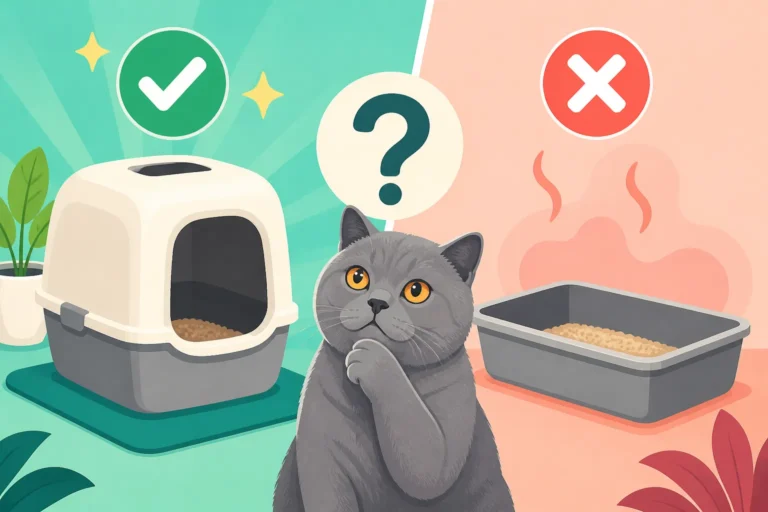
Consider providing ramps or steps to help them access elevated spots safely without straining their joints. Ensure their litter boxes have low sides, making entry and exit much easier, especially if they are stiff or overweight. Place comfortable, easily accessible beds in warm, quiet spots where they feel secure. For British Shorthairs, who often prefer floor beds anyway, ensuring these are well-padded and cozy can be a great comfort. Non-slip rugs or runners can help them navigate slippery floor surfaces more confidently, reducing the risk of falls. Keeping their favorite resting spots clean and free of debris is also important, as they might spend more time there. These small changes show your cat that you understand their limitations and are working to make their world as comfortable and stress-free as possible, allowing them to conserve energy for other activities, or at least making the effort to groom a little less daunting.
Disclaimer
This article is for general informational purposes only and does not constitute professional advice. Laws, prices and regulations vary by location and change over time. Consult a qualified professional for guidance on your specific situation.