Hemophilia B in a British Shorthair
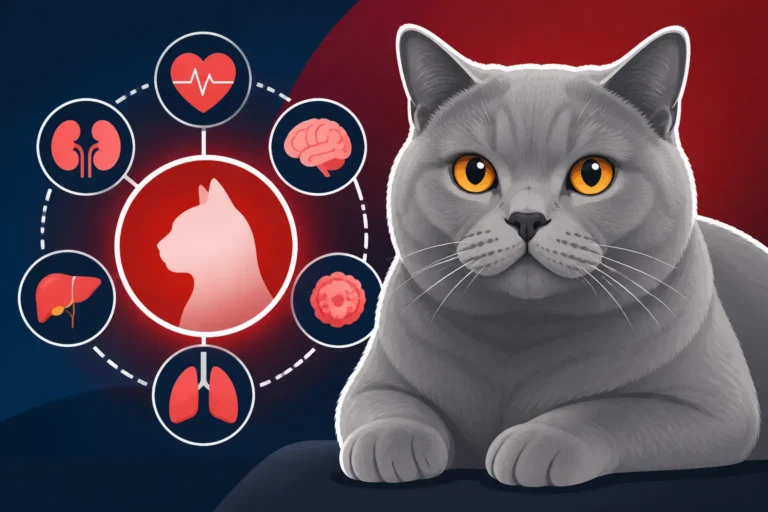
It’s a truly frightening moment when you realize something might be seriously wrong with your beloved British Shorthair. Perhaps you’ve noticed unexplained bruising, or a minor cut just won’t stop bleeding, leading to that gut-wrenching worry that every pet parent dreads: a genetic illness. This comprehensive guide is here to shed light on Hemophilia B in British Shorthairs, explaining its complexities, how it manifests, and crucially, what steps you can take to understand, manage, and prevent this challenging condition.
Understanding Hemophilia B in British Shorthairs
Bringing a British Shorthair into your home is an absolute joy. These plush, round-faced companions are known for their calm demeanor and charming personalities. However, like all purebred animals, they can be predisposed to certain genetic conditions. One such condition that can cause significant distress for owners and health challenges for the cats themselves is Hemophilia B. It’s not just a distant medical term; it’s a reality that can profoundly impact a cat’s quality of life.
What Exactly Is Hemophilia B?
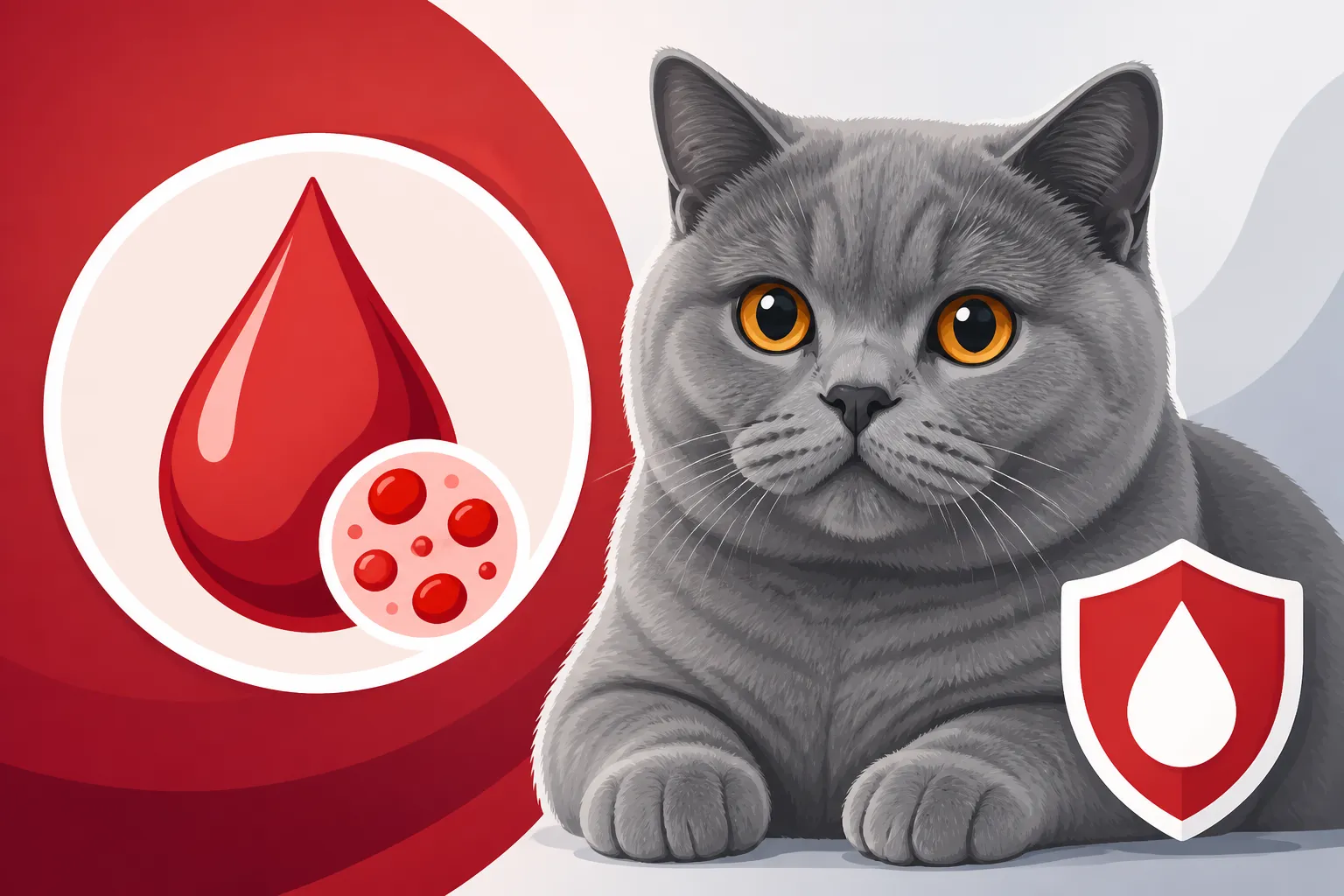
At its core, Hemophilia B is a specific type of bleeding disorder caused by a deficiency in a particular clotting protein in the blood. In healthy cats, a complex cascade of proteins, known as clotting factors, works together to form a stable blood clot whenever there's an injury. This prevents excessive bleeding. With Hemophilia B, one of these crucial proteins, Factor IX, is either missing or doesn't function correctly. Think of it like a chain: if one link, in this case, Factor IX, is weak or broken, the entire chain can't hold together properly.
This deficiency means that even minor injuries, which wouldn't cause a second thought in a normal cat, can lead to prolonged or excessive bleeding. Internally, this can be even more insidious, with spontaneous bleeding into joints, muscles, or body cavities sometimes going unnoticed until the condition becomes severe. It’s a silent threat that many owners aren’t even aware of until a crisis occurs.
Why British Shorthairs Are Particularly Susceptible
While Hemophilia B can theoretically affect any cat, it’s far more common in certain breeds due to specific genetic lines. The British Shorthair is one of the breeds that has a recognized prevalence for this X-linked recessive disorder. This isn't a reflection of the breed's overall health – indeed, British Shorthairs are generally considered a robust breed – but rather a spotlight on the importance of responsible breeding practices and thorough health screening.
The genetic bottleneck created by selective breeding, where desirable traits are concentrated, can inadvertently also concentrate undesirable ones, such as the gene responsible for Hemophilia B. This means that if breeders aren't diligently testing their breeding stock, the gene can continue to be passed down through generations, making it a persistent concern within the breed. The prevalence might vary geographically and by specific cattery lines, highlighting the need for transparent health records from breeders.
The Impact of Bleeding Disorders on a Cat's Life
Living with a bleeding disorder like Hemophilia B is a constant tightrope walk, both for the cat and its owners. Imagine the worry every time your British Shorthair jumps off a sofa, chases a toy too vigorously, or gets into a playful tussle with a housemate. What might be a harmless bump for another cat could trigger a severe internal hemorrhage for an affected British Shorthair. These internal bleeds, especially into joints, can be incredibly painful, leading to lameness, swelling, and a reluctance to move, ultimately impacting their natural feline agility and comfort.
Beyond the visible signs, chronic blood loss can lead to anemia, causing lethargy, weakness, and a general decline in well-being. The need for frequent veterinary visits, emergency treatments, and potentially lifelong management can also place a significant emotional and financial burden on families. It truly changes the dynamic of pet ownership, requiring constant vigilance and a deeper understanding of feline health. It’s a stark reminder of the hidden challenges that can arise even with the most cherished companions.
The Genetic Basis of British Shorthair Hemophilia B
Understanding how Hemophilia B is passed down is crucial for both current owners and prospective British Shorthair families. It’s not just random bad luck; it’s rooted in genetics, specifically in how sex chromosomes carry certain traits. This knowledge empowers owners to make informed decisions and helps breeders work towards eradicating the condition.
X-Linked Inheritance Explained
Hemophilia B in British Shorthairs is an X-linked recessive disorder. What does that mouthful mean for your cat? It means the gene responsible for producing Factor IX is located on the X chromosome. Cats, like humans, have sex chromosomes: females have two X chromosomes (XX), and males have one X and one Y chromosome (XY).
Because males only have one X chromosome, if they inherit the faulty gene on that X, they will develop Hemophilia B. There's no "backup" X to provide a healthy gene. Females, on the other hand, have two X chromosomes. If they inherit one faulty gene and one healthy gene, they typically won't show symptoms themselves because the healthy gene on the other X chromosome compensates. This makes them carriers – outwardly normal but capable of passing the gene on. If, by some rare chance, a female inherits two faulty X chromosomes, one from each parent, she would be affected, but this is far less common. This pattern is fundamental to understanding What Hemophilia B Does to a British Shorthair.
Carrier Females and Their Role in Transmission
This concept of a "carrier" female is absolutely vital in the context of Hemophilia B in British Shorthairs. A female British Shorthair carrying the single faulty gene on one of her X chromosomes will appear perfectly healthy. She won't bleed abnormally, won't show any signs of the disorder, and will live a normal life. This is why the condition can be so insidious in breeding programs; a beautiful, seemingly healthy queen could be unknowingly passing on a devastating genetic flaw to her offspring.
When a carrier female is bred, there's a 50% chance with each male kitten that he will inherit the faulty X chromosome and thus be affected with Hemophilia B. For female kittens, there's a 50% chance they will inherit the faulty X and become carriers themselves. This perpetuates the cycle. This is why simply looking at a cat's health history isn't enough; genetic testing is the only way to identify these silent carriers and prevent the spread of the disease. The problem isn’t with the carriers themselves, but with their potential to pass on a serious health issue without any outward indication.
Breeding Implications of the Gene
The X-linked nature of Hemophilia B has profound implications for responsible British Shorthair breeding. Imagine a scenario where an untested queen, who happens to be a carrier, is bred to a healthy, non-affected tom. Half of her male kittens could be affected, and half of her female kittens could be carriers themselves. Now imagine if one of those carrier female kittens is then bred, unknowingly, and the cycle continues. This is why Whether Two British Shorthair Hemophilia Carriers Should Be Bred is a critical ethical question for any responsible breeder. The answer is a resounding no – breeding two carriers, or a carrier queen to a normal tom, can result in affected kittens.
A responsible British Shorthair breeder must proactively test all their breeding stock for Hemophilia B. If a queen is identified as a carrier, she should ideally be removed from the breeding program to prevent the birth of affected kittens and the further spread of the gene. If she is an exceptionally valuable queen for other traits, careful consideration must be given to breeding only to a non-carrier tom and testing all offspring to ensure no affected males are produced and no carrier females are used for breeding. This rigorous approach, unfortunately, comes with its own costs, but it’s an essential part of upholding the health of the breed.
Recognizing the Signs and Symptoms of Hemophilia B
The tricky thing about bleeding disorders is that their signs can sometimes be subtle, especially in the stoic nature of a British Shorthair. Owners need to be vigilant and know what to look for, from early kittenhood right through to adulthood. Early recognition can make a world of difference in managing the condition and ensuring the best possible outcome for your feline friend.
How Hemophilia B Shows in a British Shorthair Kitten
For British Shorthair kittens affected by Hemophilia B, the signs can appear quite early and often with devastating swiftness. You might notice kittens who are generally weaker or smaller than their littermates. Sometimes, the first heartbreaking indication is a kitten that simply "fails to thrive" or starts to fade without any obvious cause. How Hemophilia B Shows in a British Shorthair Kitten can often involve more than just external bleeding. Minor traumas during play or even just the rough and tumble of nursing can lead to internal bruising or bleeding into joints, causing lameness or a reluctance to move.
More overtly, you might observe unusually prolonged bleeding after routine procedures like nail trims, or a persistent trickle of blood from the umbilical cord site that just won't clot normally. In severe cases, spontaneous hemorrhages can occur, leading to sudden weakness or collapse. It’s a truly distressing situation for breeders and new owners alike, as these tiny lives are incredibly fragile, and a severe bleeding episode can quickly become life-threatening. This emphasizes why screening breeding cats is so critical, to avoid these tragic early losses.
Subtler Signs in Older Cats
While severe cases often manifest in kittenhood, less severe forms of Hemophilia B can present more subtly and later in a British Shorthair's life. Owners might begin to notice signs like unexplained bruises appearing on their cat's body, especially after seemingly minor bumps or jumps that wouldn't normally cause such marks. A cat might develop a limp with no obvious external injury, which could indicate bleeding into a joint, causing pain and inflammation. Persistent nosebleeds (epistaxis) that are difficult to stop are another red flag.
Other signs can include blood in the urine (hematuria) or stool (melena, which appears as black, tarry stool) if there's internal bleeding in the urinary or gastrointestinal tracts. These symptoms can be easily dismissed or attributed to other common feline ailments, making diagnosis challenging. A British Shorthair might also show general lethargy or reduced appetite due to chronic blood loss leading to anemia, or from the discomfort of internal hemorrhages. It requires a keen eye and a thorough vet check-up to connect these dots, especially since cats are masters at hiding pain and illness.
Why British Shorthair Hemophilia Shows Up After Neutering
One of the most common and often first times Hemophilia B becomes evident in male British Shorthairs is after a surgical procedure, most notably neutering. For many pet owners, their male kitten undergoes neutering without any prior symptoms of a bleeding disorder. The surgery itself is routine, but for an affected British Shorthair, the lack of functional Factor IX means that the incision site can bleed excessively and persistently, long after it should have clotted.
This prolonged bleeding can be alarming and dangerous. What's normally a straightforward recovery turns into an emergency, often requiring additional veterinary intervention, such as repeat sedation for re-suturing, pressure bandages, or even blood transfusions. This scenario highlights a crucial point: even if a British Shorthair has not shown obvious signs of bleeding in daily life, the stress and trauma of surgery can push their clotting system to its limit, revealing the underlying deficiency. This is exactly Why British Shorthair Hemophilia Shows Up After Neutering and underscores why pre-surgical blood tests and knowing the genetic status of your cat, especially if from a breeder who screens, are invaluable.
Diagnosing Hemophilia B: The Importance of Testing
Facing the possibility of a genetic disease in your British Shorthair is daunting, but thankfully, modern veterinary medicine offers reliable diagnostic tools for Hemophilia B. Knowing exactly what you're dealing with, or proactively screening to prevent it, is the most powerful step an owner or breeder can take.
The Specific Tests Available for British Shorthairs
When it comes to diagnosing or screening for Hemophilia B in British Shorthairs, there are primarily two types of tests that veterinarians or breeders might use. The most definitive and widely used test for breeding animals is a DNA test. This test identifies the specific genetic mutation on the X chromosome that causes Factor IX deficiency. It's a highly accurate test, as it looks directly for the faulty gene rather than just the symptoms. A simple cheek swab or blood sample is usually all that's required.
For cats already showing signs of a bleeding disorder, or in an emergency situation, a veterinarian might perform specific blood clotting tests, such as an activated partial thromboplastin time (aPTT). This test measures how long it takes for blood to clot, and a prolonged aPTT can indicate a deficiency in Factor IX (among other clotting factors). However, the aPTT test only tells you that there's a problem with clotting; it doesn't specifically identify Hemophilia B without further, more specialized tests to measure Factor IX activity levels directly. For definitive genetic status for breeding, the DNA test is the gold standard.
Which Lab Runs the British Shorthair Hemophilia Test
Several reputable veterinary genetic testing laboratories worldwide offer the DNA test for Hemophilia B (Factor IX deficiency) in British Shorthairs. These labs are specialized and have validated tests for breed-specific genetic conditions. For instance, in Europe, laboratories like Laboklin are well-known for offering comprehensive feline genetic panels, including tests for Hemophilia B. Similarly, in North America, institutions such as the Veterinary Genetics Laboratory (VGL) at the University of California, Davis (UC Davis) are pioneers in genetic testing for companion animals and often have specific tests available for various breeds.
When selecting a lab, it's always wise to ensure they are reputable, use validated testing methods, and provide clear, understandable results. Your veterinarian or a responsible British Shorthair breeder association can often recommend the most current and reliable labs for Which Lab Runs the British Shorthair Hemophilia Test. It’s a crucial step for breeders to ensure the health of their lines and for prospective owners to confirm the genetic health of their potential new family member.
What the British Shorthair Hemophilia B Test Costs
Understanding the cost associated with genetic testing, particularly for something as critical as Hemophilia B, is a practical concern for many British Shorthair owners and breeders. The price can vary depending on the laboratory, your geographical location, and whether you're opting for a single test or a comprehensive panel that includes other genetic screenings relevant to British Shorthairs (such as PKD or blood typing). Generally, a standalone DNA test for Hemophilia B might range anywhere from £50 to £150 or $60 to $200 USD.
Some labs offer discounts if multiple tests are bundled together or if a breeder is submitting samples for an entire litter or multiple breeding cats. While this might seem like an upfront expense, it pales in comparison to the potential costs associated with emergency veterinary care, blood transfusions, or long-term management of an affected cat. For breeders, it's an indispensable investment in the health and reputation of their cattery. For pet owners, getting this information from a breeder provides immense peace of mind. For those curious about the financial aspect, it's worth noting What the British Shorthair Hemophilia B Test Costs is a small price for clarity and prevention.
| Test Type | Purpose | Sample Required | Typical Cost (Approx.) | Results Time | Key Benefit |
|---|---|---|---|---|---|
| DNA Test (Factor IX) | Breeding Screening: Identifies carriers & affected cats | Cheek Swab or Blood | $60 – $200 USD / £50 – £150 | 2-4 Weeks | Definitive genetic status; guides breeding decisions |
| aPTT Blood Test | Diagnostic: Measures clotting time; indicates a general bleeding disorder | Blood Sample | $50 – $150 USD / £40 – £120 | Hours to Days | Quick assessment of clotting function in symptomatic cats |
| Factor IX Activity Assay | Confirmatory: Measures specific Factor IX levels; confirms Hemophilia B | Specialized Blood Sample | $100 – $300 USD / £80 – £250 | Several Days | Confirms Hemophilia B diagnosis and severity |
Managing a British Shorthair with Hemophilia B
If your British Shorthair has been diagnosed with Hemophilia B, it’s natural to feel overwhelmed. However, it's important to remember that a diagnosis is the first step towards informed management. While there's no cure, there are significant steps you can take to provide the best possible quality of life for your cat.
Emergency Care for Bleeding Episodes
When a British Shorthair with Hemophilia B experiences a bleeding episode, immediate action is critical. Minor external cuts might require direct pressure with a clean cloth for at least 5-10 minutes. If the bleeding is severe, doesn't stop, or involves internal signs like sudden lameness, swelling, extreme pain, or collapse, it’s an absolute emergency. You need to get your cat to the veterinary emergency room immediately. Don't wait.
At the clinic, the veterinary team will work to stabilize your cat. This could involve administering intravenous fluids, medications to support blood pressure, and, most importantly, treatments to address the bleeding. The most effective treatment for acute, severe bleeding is often a transfusion of fresh or fresh frozen plasma, which contains the missing Factor IX. In some very specialized veterinary centers, Factor IX concentrate might be available, offering a more targeted treatment, but this is less common and significantly more expensive. Communication with your vet about your cat's specific condition and history is paramount during these stressful times.
Daily Care and Precautions for Affected Cats
Living day-to-day with a British Shorthair affected by Hemophilia B requires a proactive and cautious approach. The goal is to minimize the risk of injury and subsequent bleeding episodes. This means creating a very safe home environment. Consider removing sharp objects, cushioning hard corners, and ensuring stable, low-level access to favorite spots rather than encouraging high jumps, which could lead to joint bleeds. You might want to invest in ramps or pet stairs for beds or sofas, reducing impact on their joints.
Regular, gentle handling is important, but always be mindful of potential bruising. Avoid rough play that could result in accidental trauma. Careful attention to nail trims is also essential; using blunt-tipped clippers and not cutting too short can help prevent excessive bleeding. Some owners opt for nail caps to protect against accidental scratches. Even routine dental care, which normally involves some bleeding, needs careful planning with your veterinarian, as it poses a significant risk. The focus is always on prevention and mitigating potential dangers in their everyday lives.
Medication and Supportive Treatments
While there's no daily oral medication that "cures" Hemophilia B, supportive treatments play a vital role in managing the condition and addressing complications. During a bleeding crisis, as mentioned, fresh frozen plasma transfusions are the cornerstone of treatment to temporarily provide the missing Factor IX. This isn't a long-term solution, as the Factor IX is eventually used up or metabolized, but it can stop an active bleed and allow healing.
For cats experiencing chronic joint pain or inflammation from repeated bleeds, veterinarians might prescribe pain management medications. However, non-steroidal anti-inflammatory drugs (NSAIDs) commonly used for pain must be chosen very carefully, as some can have blood-thinning effects that are counterproductive and dangerous for a hemophiliac cat. Your vet will select safe alternatives. Iron supplements might also be necessary if chronic blood loss leads to anemia. For owners considering options for their British Shorthair, pet insurance can be a real lifeline for these unexpected, high-cost emergencies. Companies like Healthy Paws offer various plans that might cover accident and illness, which can include emergency transfusions or other treatments related to Hemophilia B, significantly easing the financial burden during a crisis. However, it's crucial to check policy details regarding pre-existing conditions, as Hemophilia B is genetic and might be considered pre-existing if diagnosed before coverage.
Prevention and Responsible Breeding
The most effective way to combat Hemophilia B in British Shorthairs is through diligent prevention, primarily driven by responsible breeding practices. While individual owners can manage an affected cat, breeders hold the key to stopping the cycle of transmission for future generations.
The Role of DNA Testing in Breeder Programs
For any reputable British Shorthair breeder, DNA testing for genetic diseases like Hemophilia B is not just an option; it's a non-negotiable standard. Every single breeding cat, male and female, should be tested for the Factor IX deficiency mutation before being included in a breeding program. This proactive screening allows breeders to identify carriers, those seemingly healthy females who unknowingly harbor the faulty gene. Knowing the genetic status of their breeding stock is fundamental to making ethical and informed decisions about pairings.
A responsible breeder won't just test once; they'll often track genetic results for generations, using pedigrees to ensure genetic diversity while carefully avoiding known carrier lines. They will also be transparent with prospective kitten buyers, providing copies of the parents' health screening results. When you're looking for a British Shorthair, always ask to see the health certifications, including Hemophilia B testing, for both parents. This due diligence is a hallmark of a breeder who genuinely cares about the long-term health and well-being of the breed. It truly is part of What a British Shorthair Breeder Should Have Tested.
Whether Two British Shorthair Hemophilia Carriers Should Be Bred
The question of whether to breed two British Shorthair Hemophilia carriers is a critical ethical dilemma, and the consensus among veterinary geneticists and responsible breeders is a firm no. Even though a single carrier female appears healthy, breeding her to another carrier male (or even a non-carrier male, given the X-linked inheritance for male offspring) significantly increases the risk of producing affected kittens.
If you breed a carrier female to a non-carrier male, there's a 50% chance male offspring will be affected and 50% of female offspring will be carriers. This is already a high risk. Breeding a carrier female to an affected male would mean all male kittens would be affected, and all female kittens would be carriers. Breeding two carriers can perpetuate and intensify the problem, creating more affected animals and spreading the gene further into the gene pool. The goal of responsible breeding is to reduce, and ideally eliminate, genetic diseases, not to risk producing more affected animals. It’s a decision that prioritizes the health of the individual kitten over any other consideration.
Ensuring Kittens from Carrier Parents Are Tested
In rare or exceptional circumstances, a highly valuable carrier queen might be bred to a non-carrier tom, usually with the express intent of producing carrier female offspring to then breed to non-carrier males after further testing. This is an advanced and highly controversial breeding strategy and one that typically isn't recommended. However, if such a decision is made, it comes with an enormous responsibility: every single kitten from that litter must be genetically tested for Hemophilia B.
This means before any kitten from such a pairing goes to a new home, its genetic status (affected, carrier, or clear) must be unequivocally known. Affected males should ideally be neutered and placed in homes fully aware of their condition and the significant care requirements. Carrier females should also be identified, spayed, and placed as pets only, to ensure they do not unknowingly pass on the gene. This rigorous testing and careful placement are essential safeguards to prevent the spread of the disease when dealing with carrier parents, emphasizing transparency and absolute commitment to the health of the breed.
Long-Term Outlook and Owner Support
A diagnosis of Hemophilia B for your British Shorthair is a life-altering event, but it's important to understand the long-term implications and where to turn for help. While it presents challenges, with dedicated care and support, affected cats can still lead fulfilling lives.
Prognosis for British Shorthairs with Hemophilia B
The long-term prognosis for a British Shorthair with Hemophilia B varies significantly depending on the severity of the Factor IX deficiency. Cats with a mild deficiency might only experience problems during surgery or significant trauma, and with careful management, can live a relatively normal lifespan. However, those with moderate to severe deficiencies face a much more challenging path. They are at higher risk for spontaneous internal hemorrhages, chronic joint pain, and life-threatening bleeding episodes, which can severely impact their quality of life and shorten their lifespan.
Unfortunately, severe cases often have a poor prognosis, especially if repeated severe bleeds lead to irreparable organ damage or if treatment is not readily available or affordable. It's a condition that requires constant vigilance, rapid access to emergency veterinary care, and an unshakeable commitment from owners. The goal is always to minimize pain, prevent bleeds, and maximize comfort. It's not about giving up, but about understanding the realities and providing the best possible care for your British Shorthair.
Financial Considerations and Pet Insurance
Managing a British Shorthair with Hemophilia B can quickly become a significant financial undertaking. Emergency veterinary visits, blood transfusions, pain medication, specialized diagnostics, and potentially long-term physical therapy can rack up substantial bills. A single severe bleeding episode requiring hospitalization and transfusions could easily cost thousands of dollars or pounds. This financial strain is a real concern for many owners, adding another layer of stress to an already difficult situation.
This is where pet insurance can truly make a difference. Policies designed to cover accidents and illnesses could provide crucial support for the ongoing medical needs of a British Shorthair with Hemophilia B. It’s worth exploring providers like Healthy Paws, known for comprehensive coverage. However, it is absolutely vital to read the fine print regarding genetic conditions and pre-existing clauses. If your cat is diagnosed before you obtain insurance, or during the waiting period, the condition may be excluded from coverage. Therefore, getting insurance early, ideally when your kitten is young and confirmed healthy, offers the best protection. For a broader perspective on costs, considering Insuring a British Shorthair can help you prepare.
Support Networks and Resources for Owners
Navigating life with a British Shorthair with Hemophilia B can feel isolating, but you are not alone. There are numerous support networks and resources available to help owners cope with the challenges and make informed decisions. Online communities and forums dedicated to British Shorthairs or cats with special needs can connect you with other owners who understand your journey, offering invaluable emotional support, practical tips, and shared experiences.
Your veterinary team, including your primary care vet and any specialists (like internal medicine specialists or emergency vets), are your most important medical resources. Don't hesitate to ask them questions, discuss your concerns, and seek referrals. Additionally, national breed clubs, while primarily focused on showing and breeding, often have health committees or resources that can provide information on genetic conditions within the breed. Organizations like the Hemophilia Federation of America or similar international groups, though focused on human hemophilia, can sometimes provide general insights into managing bleeding disorders, and their principles of care can offer parallels. Embracing these resources can empower you to provide the best possible care for your cherished British Shorthair.
Disclaimer
Please remember that the information provided in this guide is for general educational purposes only and should not be considered a substitute for professional veterinary advice. Always consult with a qualified veterinarian for any health concerns or before making any decisions related to your pet's care, diet, or treatment. Veterinary medicine is constantly evolving, and only a professional can assess your individual pet's needs.