How to Bathe a British Shorthair That Objects
Oh, the sheer will of a British Shorthair! If you've ever tried to give your magnificent, plush-coated companion a bath, you've probably encountered a level of stubborn resistance that would make a rock seem pliable. It's a common battle, this aquatic adventure, often leaving both human and feline stressed, soaked, and utterly defeated. Many British Shorthair owners wonder if it's even possible to bathe their cat without turning their bathroom into a war zone, and I'm here to tell you that while it might not be easy, it is absolutely doable with the right preparation and approach. This guide is going to walk you through understanding your British Shorthair's deep-seated objections to water and equip you with the strategies to make bath time – if not enjoyable – at least tolerable for everyone involved.
Understanding Why Your British Shorthair Objects to Bathing
Let's face it, most cats aren't exactly lining up for a spa day involving a tub of water. But with a British Shorthair, their disapproval can feel particularly pronounced. It's not just a casual dislike; there are some very real reasons behind their strong objections, often rooted in their instincts, their unique physical traits, and even past experiences. Understanding these underlying causes is the first step toward making bath time a less traumatic event.
The British Shorthair's Natural Aversion to Water
First and foremost, cats, generally speaking, are not water creatures. Unlike dogs, who might eagerly bound into a lake, a cat's evolutionary history doesn't include frolicking in rivers or fishing for dinner in deep pools. Their ancestors were desert dwellers, adept at conserving water and keeping themselves meticulously clean through self-grooming. This means they simply haven't evolved to enjoy or even tolerate being submerged in water. For a British Shorthair, this natural aversion is compounded by their incredibly dense, plush coat. Imagine wearing a heavy wool sweater that suddenly gets soaking wet; it becomes incredibly heavy, uncomfortable, and takes forever to dry. Their beautiful, crisp coat, which gives them that iconic teddy bear look, becomes a waterlogged burden, dragging them down and making them feel exposed and vulnerable. It's a fundamental instinct to avoid such a sensation.
Beyond the physical discomfort, being wet strips away their natural scent, which is crucial to their sense of identity and security. Cats rely heavily on scent marking and their own personal aroma to navigate their world and feel safe within it. A bath essentially washes away their "self," leaving them feeling disoriented and anxious. They can't quickly re-establish their familiar scent profile, adding to their distress. This instinctual drive to remain dry and retain their natural scent is a powerful force, and it's why your British Shorthair isn't just being difficult; they're responding to deeply ingrained survival cues.
Negative Past Experiences and Lack of Early Socialization
Sometimes, a British Shorthair's vehement protest isn't just about their species-wide water aversion; it can stem from a specific, negative past experience. Perhaps their very first bath was a chaotic, scary event, or maybe they were accidentally doused with water at some point. Cats are creatures of routine and habit, and they have incredibly long memories, especially when it comes to unpleasant events. A single traumatic bath can cement a lifelong fear of water and the entire bathing process. They might associate the sight of the tub, the sound of running water, or even your approach with a towel in hand, with that terrifying memory. This is particularly true for rescue British Shorthairs, whose pasts are often unknown. You might not know if they’ve had a bad experience, but their intense reaction can certainly suggest it.
Furthermore, a lack of early, positive exposure to water can contribute significantly. Kittens, especially during their critical socialization period, are more open to new experiences. If a British Shorthair kitten isn't gently introduced to the idea of water – perhaps a damp washcloth rub or a shallow foot dip – they grow into adults with no context for it beyond their natural instincts. Breeders often focus on handling and litter training, but water exposure is less common. Without those positive foundational experiences, any attempt to bathe them as an adult can feel like a sudden, alarming ambush. Their naturally calm and docile temperament can be mistaken for an acceptance of anything, but underneath that placid exterior lies a deep well of stubbornness when something goes against their deeply held beliefs about how life should be lived. They have a quiet tenacity, and when they decide something is unacceptable, they will make their feelings known, often quite forcefully without much vocalization.
Sensory Overload and Loss of Control
Consider the bathing experience from your British Shorthair's perspective: it's a multi-sensory assault. The sound of rushing water, which to them can mimic a predator or a dangerous environment, is amplified in a small bathroom. The unfamiliar smell of shampoo, even if cat-friendly, is overwhelming to their highly sensitive noses. The feeling of slippery porcelain or plastic beneath their paws, combined with the loss of firm footing, triggers their primal fear of falling. Cats are graceful and agile, and they thrive on feeling stable and in control of their movements. Being placed in a confined, slippery space where they cannot easily escape or maintain their balance is incredibly disorienting and frightening. They might panic not just because they're wet, but because they feel trapped and unable to control their own destiny.
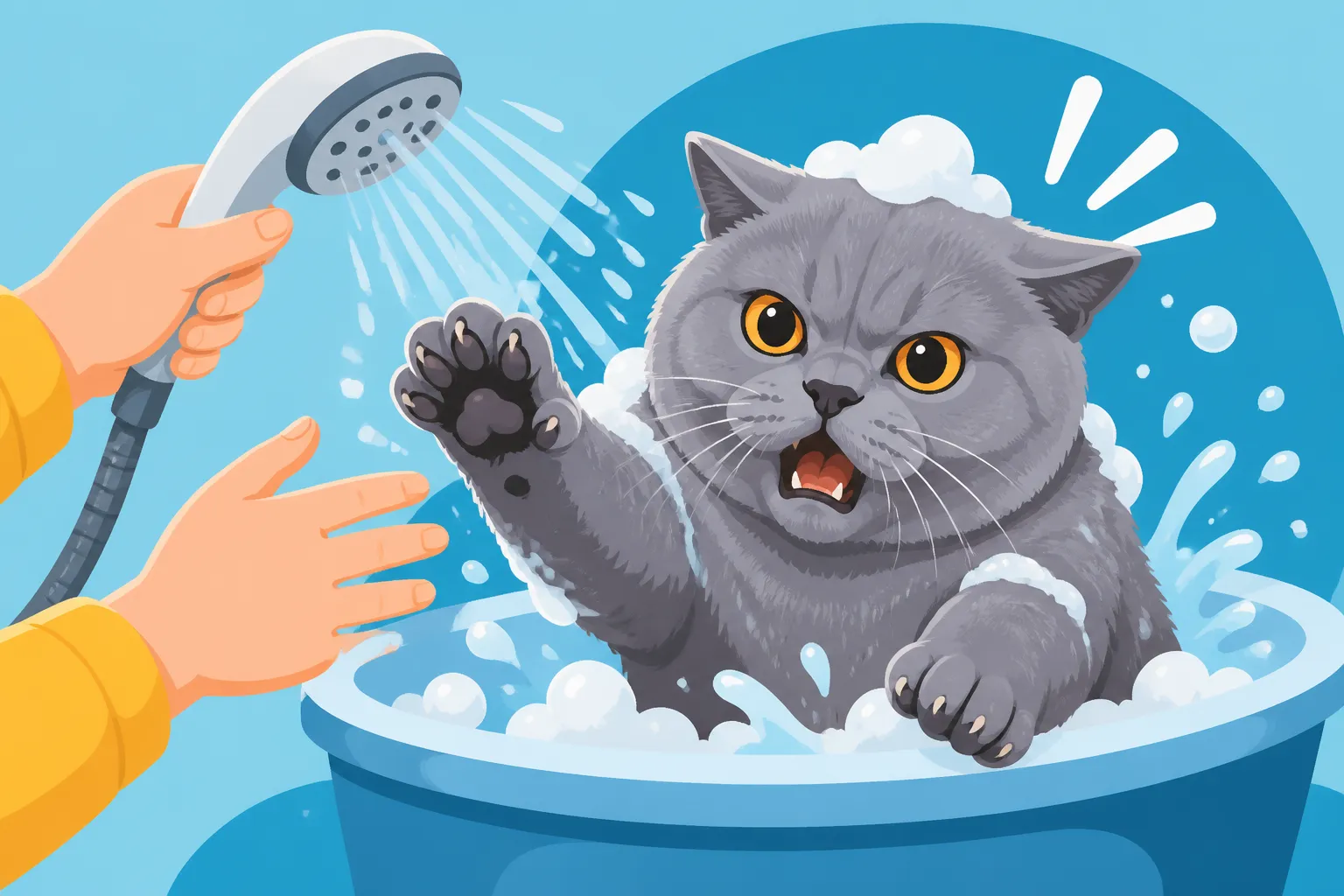
This feeling of loss of control is paramount for a British Shorthair. They are dignified, self-possessed animals who prefer to dictate their own terms. Being held down, restrained, and manipulated in a foreign environment goes against their very nature. They cannot understand why this is happening, only that it is happening and it feels awful. The combination of intense sounds, strange smells, the uncomfortable sensation of wet fur, and the feeling of being utterly powerless can quickly escalate into a full-blown panic response. Their calm demeanor can shatter, replaced by frantic struggles, attempts to escape, and even defensive aggression. Recognizing that this isn't simply "being naughty" but a genuine, fear-driven reaction is vital for approaching the situation with empathy and patience.
Essential Preparation for a Less Stressful Bathing Experience
If bathing your British Shorthair is truly necessary – perhaps they've gotten into something noxious, are experiencing a skin condition, or simply can no longer groom themselves effectively due to age or Obesity Is the British Shorthair's Real Disease – preparation is absolutely key. Trying to wing it will almost certainly lead to disaster and reinforce your cat's aversion. Think of this as preparing for a delicate surgical procedure; every tool, every step, needs to be meticulously planned.
Gathering Your Supplies Before the Cat Appears
The golden rule of bathing an objecting British Shorthair: never bring the cat into the bathroom until every single item you need is within arm's reach and ready for immediate use. A frantic search for the shampoo while your cat is already halfway through an escape attempt is a recipe for tears (yours, probably). Start by gathering all your essentials. You'll need a good quality, cat-specific shampoo – ideally a mild, tearless formula that won't irritate their eyes or skin. Avoid human shampoos or dog shampoos, as their pH levels are different and can cause problems for a feline's delicate skin. Look for brands specifically formulated for sensitive skin or those that are hypoallergenic.
Next, have plenty of towels ready. I mean plenty. A minimum of two large, absorbent towels for the initial drying, plus a few smaller ones for specific tasks like gently wiping their face. Cotton balls are invaluable for gently plugging your cat's ears to prevent water from entering the ear canal, which can lead to infections. A small washcloth is excellent for carefully wiping around their face and under their chin, areas that often get dirty but are highly sensitive. A non-slip mat at the bottom of the tub or sink is non-negotiable; it provides crucial traction and security, reducing panic. Finally, and perhaps most importantly, have a generous supply of their absolute favorite, high-value treats. These aren't just bribes; they're positive reinforcement and a much-needed distraction. You can find a wide variety of these supplies easily on sites like Chewy or Amazon. Having everything staged means you can focus entirely on your cat once they enter the bathing zone, minimizing any unnecessary delays or movements that could spook them.
Creating a Calm Environment and Minimizing Triggers
The environment plays a huge role in how well your British Shorthair tolerates a bath. Start by choosing the right space. A small bathroom, a utility sink, or even a large laundry tub can work, but the key is containment. Close the bathroom door and ensure any toilet lids are down. The room should be comfortably warm, as chilling will add to your cat's discomfort. Turn off any noisy fans, silence your phone, and ask other household members to keep quiet. Loud noises are a major stressor for cats and can instantly escalate their anxiety. Some owners find that playing soft, calming music (classical or specifically designed feline calming music) at a low volume can help create a more soothing atmosphere.
Consider using a feline pheromone spray or diffuser in the bathroom for about 15-30 minutes before the bath. These products release synthetic pheromones that mimic the natural calming signals cats produce, helping to reduce stress and anxiety. Spraying a towel or the carrier they might arrive in can also be beneficial. If possible, enlist the help of a calm, trusted second person. One person can gently hold and reassure the cat while the other focuses on the washing. This can be a game-changer, as it allows for quicker, more efficient movements and provides continuous comfort to your stressed feline. The goal is to make the space feel as safe and predictable as possible, reducing any sudden surprises that might trigger a panic response.
Pre-Bath Grooming: The Importance of a Good Comb
Before any water even touches your British Shorthair, a thorough pre-bath grooming session is absolutely critical. Their dense undercoat, combined with their propensity for being less active than some breeds, means they can accumulate a lot of loose fur and develop tangles or mats. A British Shorthair's Coat Stands Away From Its Body, giving it a crisp feel, and this density can easily hide nascent mats. When this loose fur and any existing mats get wet, they tighten up dramatically, becoming incredibly difficult, painful, and almost impossible to remove. Imagine trying to untangle wet yarn; it’s a nightmare. What might be a small knot when dry can become a large, painful mat when soaked, leading to skin irritation and discomfort for your cat long after the bath is over.
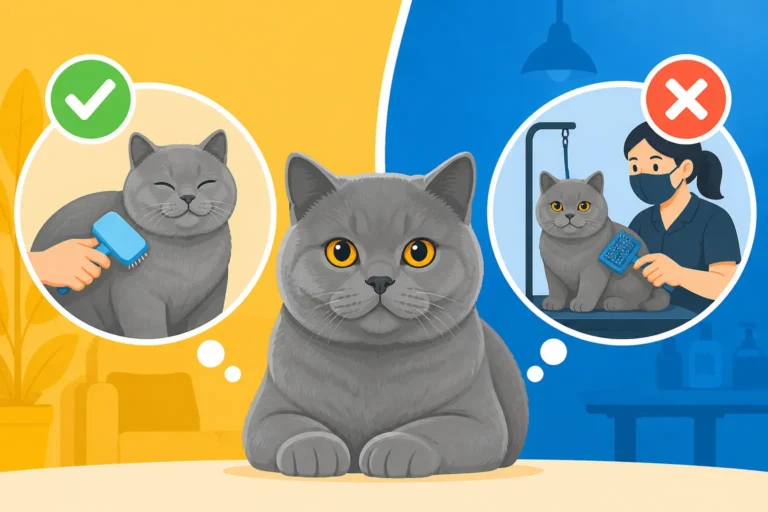
Take the time to use a good quality, wide-toothed metal comb to work through their entire coat, paying special attention to areas prone to matting like behind the ears, armpits, and under the tail. Which Comb a British Shorthair Needs is often a sturdy steel comb, not a slicker brush, to effectively reach the undercoat without damaging the guard hairs. This pre-bath grooming not only prevents mats from worsening but also removes loose hair that would otherwise shed into the bathwater and cling to your cat, making rinsing much more difficult. It's a vital step that can significantly reduce the overall stress and physical discomfort of the bath, making the washing process quicker and more efficient. Plus, it's another opportunity for positive interaction and treats before the main event.
The Step-by-Step Guide to Bathing an Unwilling British Shorthair
You've prepared your supplies, created a calm environment, and thoroughly groomed your cat. Now comes the moment of truth. Remember, patience, gentleness, and efficiency are your best friends here. Your British Shorthair might still object, but with the right technique, you can minimize their distress and get the job done.
Gentle Introduction to the Water and Controlled Wetting
The initial introduction to water is often the most critical moment. Avoid simply dunking your British Shorthair into a tub full of water. This will almost certainly trigger immediate panic. Instead, start with a shallow amount of lukewarm water in the tub or sink – just enough to cover their paws. Place the non-slip mat down first, then gently place your cat onto it. Talk to them in a soothing voice, offering calm reassurance and immediate treats. The goal is to keep them feeling as secure and in control as possible, even though they're definitely not thrilled about the situation.
Instead of a harsh shower spray, which can be terrifying, use a small, unbreakable pitcher or a hand-held shower sprayer set to a very low pressure. Begin wetting them from the neck down, avoiding their head, face, and ears entirely for as long as possible. Wet their back, sides, and legs gradually. If you have those cotton balls in their ears, they're providing some protection. For their face, use a damp washcloth to gently wipe it clean, rather than pouring water directly. Continuously offer praise and treats throughout this process. The idea is to make each step as incremental and non-threatening as possible, breaking down the overwhelming act of "bathing" into smaller, more manageable parts. The more gently you introduce the water, the less likely they are to thrash violently, which not only stresses them but can also lead to injury for both of you.
Applying Shampoo and the Art of the Quick Wash
Once your British Shorthair is thoroughly wet (or as wet as you can get them without too much protest), it's time for the shampoo. Apply a small amount of the cat-specific shampoo, starting from their back and working your way down. Lather gently but quickly, focusing on areas that are particularly dirty or oily. Remember, their dense coat means you'll need to work the shampoo through thoroughly, but also efficiently. Speed is your friend here – the less time they spend covered in suds, the better. Avoid getting shampoo in their eyes, nose, or mouth at all costs. The pre-inserted cotton balls should protect their ears, but always be mindful.
As you wash, keep talking to your cat in a calm, soothing voice. If they start to struggle, a gentle but firm grip (without squeezing) can help keep them secure on the non-slip mat. This is where a second person can be invaluable, one to provide comforting contact and hold them steady, the other to apply and lather the shampoo. Work quickly to massage the shampoo into their coat, ensuring you reach the skin, especially if you're dealing with a skin condition or significant grime. Don't aim for a luxurious, drawn-out scrub; aim for a fast, effective cleaning. The less time they're in this uncomfortable state, the better for their overall experience and your future attempts.
Rinsing Thoroughly and the Post-Bath Wrap-Up
Rinsing is arguably the most important part of the entire bathing process. Any shampoo residue left on your British Shorthair's skin or coat can cause irritation, itching, and dryness, potentially leading to further skin problems or making them even more reluctant to be bathed in the future. Use the pitcher or low-pressure sprayer to rinse their coat meticulously. Start from the top of their back and work your way down, ensuring the water runs clear. Lift their legs and tail to ensure every single bit of suds is gone. This might feel like it's taking forever, but it's crucial for their skin health and comfort.
Once you're confident all the shampoo is gone, it's time to get them out of the water. Gently lift them from the tub and immediately wrap them in one of your prepared towels. Gently blot and squeeze excess water from their fur. Do not rub vigorously, as this can tangle their wet fur and cause discomfort. British Shorthairs have such thick coats that they can take a surprisingly long time to dry. While some cats tolerate a very low, cool setting on a hair dryer from a distance, most will find the noise and sensation terrifying. It's usually best to use multiple dry towels, wrapping them in a fresh one once the first becomes saturated. Keep them in a warm, draft-free room until they are mostly dry to prevent them from getting chilled. Once they are towel-dried, offer them their favorite treats and lots of praise. Allow them to self-groom and calm down in a quiet, undisturbed area. The immediate positive reinforcement after the ordeal can help create a slightly less negative association with the entire event.
Alternative Solutions and When to Seek Professional Help
Even with the most meticulous preparation and gentle approach, some British Shorthairs will simply never tolerate a full bath. It's a fact of life for many cat owners. Thankfully, there are alternative methods to help keep your feline friend clean and comfortable, and knowing when to call in the professionals can save both you and your cat a lot of stress.
Waterless Shampoos and Grooming Wipes
For minor messes, routine freshening up, or cats that absolutely cannot be bathed in water, waterless shampoos and grooming wipes are fantastic alternatives. Waterless shampoos typically come in a foam or spray form and are applied directly to the coat, then brushed through. They help absorb oils, dirt, and odors without the need for rinsing. Grooming wipes are pre-moistened cloths designed to clean and deodorize your cat's fur. Both options are great for spot cleaning dirty paws, wiping away dust, or freshening up a coat between more intensive grooming sessions. You can find these readily available on online pet supply stores like Chewy or Amazon.
However, it's important to understand their limitations. While effective for surface grime and odor, they won't penetrate the dense A British Shorthair's Coat Stands Away From Its Body in the same way a full water bath can. They are generally not sufficient for heavily soiled coats, matted fur, or specific medical conditions that require a medicated wash. Think of them as a quick shower or dry shampoo for humans – great for maintenance, but not a replacement for a deep clean when truly needed. Using these alternatives regularly can help extend the time between full baths, making the occasional necessary bath less frequent and therefore, hopefully, less stressful for your British Shorthair. They also provide a way to keep your cat feeling fresh without ever having to involve the dreaded water, which for many British Shorthairs, is the ultimate goal. For more on when a bath is truly necessary, you might find Whether a British Shorthair Needs a Bath helpful.
Professional Grooming Services for Stubborn Cases
There comes a point for some owners where the stress and potential for injury – to themselves or their cat – outweigh the benefits of attempting a home bath. If your British Shorthair's objections escalate to severe aggression, sustained panic, or if you simply cannot manage to get them clean without turning your home into a disaster zone, it's time to consider a professional cat groomer. These individuals specialize in handling stressed or uncooperative felines and have specialized tools, techniques, and often, facilities designed to make the experience as calm and safe as possible. They might use calming aids, specific restraints, or even techniques like "purrito" wraps (swaddling a cat in a towel) to keep them secure and minimize movement.
Professional groomers are also adept at recognizing when a cat needs a break, how to read their body language, and how to work quickly and efficiently. They can also address other grooming needs like nail trims and ear cleaning in the same session, further reducing multiple stressful events for your cat. While professional grooming comes with a cost, many owners find it a worthwhile investment for the peace of mind and the reduced trauma for both themselves and their beloved British Shorthair. It's a practical solution when your cat simply won't cooperate with a home bath, especially if they are older or have mobility issues. For more details on this, see Whether a British Shorthair Needs a Groomer.
Addressing Underlying Issues and Long-Term Acclimation
Sometimes, persistent and extreme aversion to bathing might indicate an underlying issue beyond simple dislike. If your British Shorthair shows severe fear or aggression, it might be worth consulting with your veterinarian to rule out any pain, skin sensitivities, or anxiety disorders that could be exacerbating their reaction. A vet can also discuss behavioral modification techniques or, in extreme cases, prescribe temporary calming medications to help reduce anxiety during necessary grooming procedures. This isn't a quick fix but a long-term strategy for managing extreme reactions.
For long-term acclimation, it's a gradual process of positive reinforcement. You can try to desensitize your British Shorthair to water by making the bathroom a positive place, offering treats and playtime there without any water involved. Gradually introduce the sound of running water while they are enjoying a treat, then perhaps a damp towel rub, slowly building up their tolerance. Consistency and patience are key. Never force the issue if they are truly terrified, as this will only set you back. Remember that British Shorthairs are particularly susceptible to weight gain, and an overweight cat can struggle immensely with self-grooming, making bathing more likely to be necessary. Why an Overweight British Shorthair Stops Grooming Its Back is a common issue that necessitates owner intervention. By addressing their overall health and well-being, you can reduce the frequency of needing full baths and make any necessary grooming much easier for everyone involved.
Comparing Bathing Approaches for British Shorthairs
| Method | Pros | Cons | Best Use Case |
|---|---|---|---|
| Full Water Bath | Most thorough clean, effective for medical shampoos, removing heavy grime, or dense mats. | Most stressful for cats, requires significant preparation, time-consuming, potential for injury to cat/owner. | Heavily soiled coats, oily fur, medicated baths for skin conditions, severe matting (after professional assessment). |
| Waterless Shampoo | Quick, no water needed, good for light freshening, spot cleaning, less stressful. | Not as thorough as water bath, can leave residue, not effective for heavy soiling or medical issues. | Minor dirt, odor control, freshening between full baths, cats with extreme water aversion. |
| Grooming Wipes | Easiest, fastest, good for specific areas (paws, face, sanitary), travel-friendly. | Least thorough, very limited cleaning power, not for full body cleaning or serious grime. | Daily quick clean-ups, sanitary area maintenance, wiping tear stains, quick freshening. |
| Professional Grooming | Experts handle difficult cats, specialized tools, thorough, less stress for owner. | Can be costly, requires transport, might still be stressful for the cat in an unfamiliar environment. | Very resistant cats, extreme matting, medical conditions requiring specific handling, owners unable to manage at home. |
Disclaimer
This article is for general informational purposes only and does not constitute professional advice. Laws, prices and regulations vary by location and change over time. Consult a qualified professional for guidance on your specific situation.