How Much a British Shorthair Sets Off Allergies
For many hopeful cat parents, the dream of a cuddly British Shorthair is often shadowed by a worrying question: will this beautiful, plush companion trigger my allergies? It's a valid and deeply frustrating concern, feeling torn between the desire for a specific breed and the fear of constant sneezing, itching, and watery eyes. This guide aims to clear up the confusion surrounding British Shorthairs and allergies, delving into the science behind cat allergies, exploring the unique characteristics of this breed, and offering practical, real-world strategies to help you manage allergens and live comfortably with your beloved feline friend.
Understanding Cat Allergies and the British Shorthair Myth
It's a common misconception that cat allergies are solely caused by a cat's fur. Many people gravitate towards breeds with shorter hair, or even "hairless" cats, believing they'll be immune to sniffles and sneezes. Unfortunately, the reality is a bit more complex, and understanding this is the first step in addressing any concerns about a British Shorthair.
The Truth About "Hypoallergenic" Cats
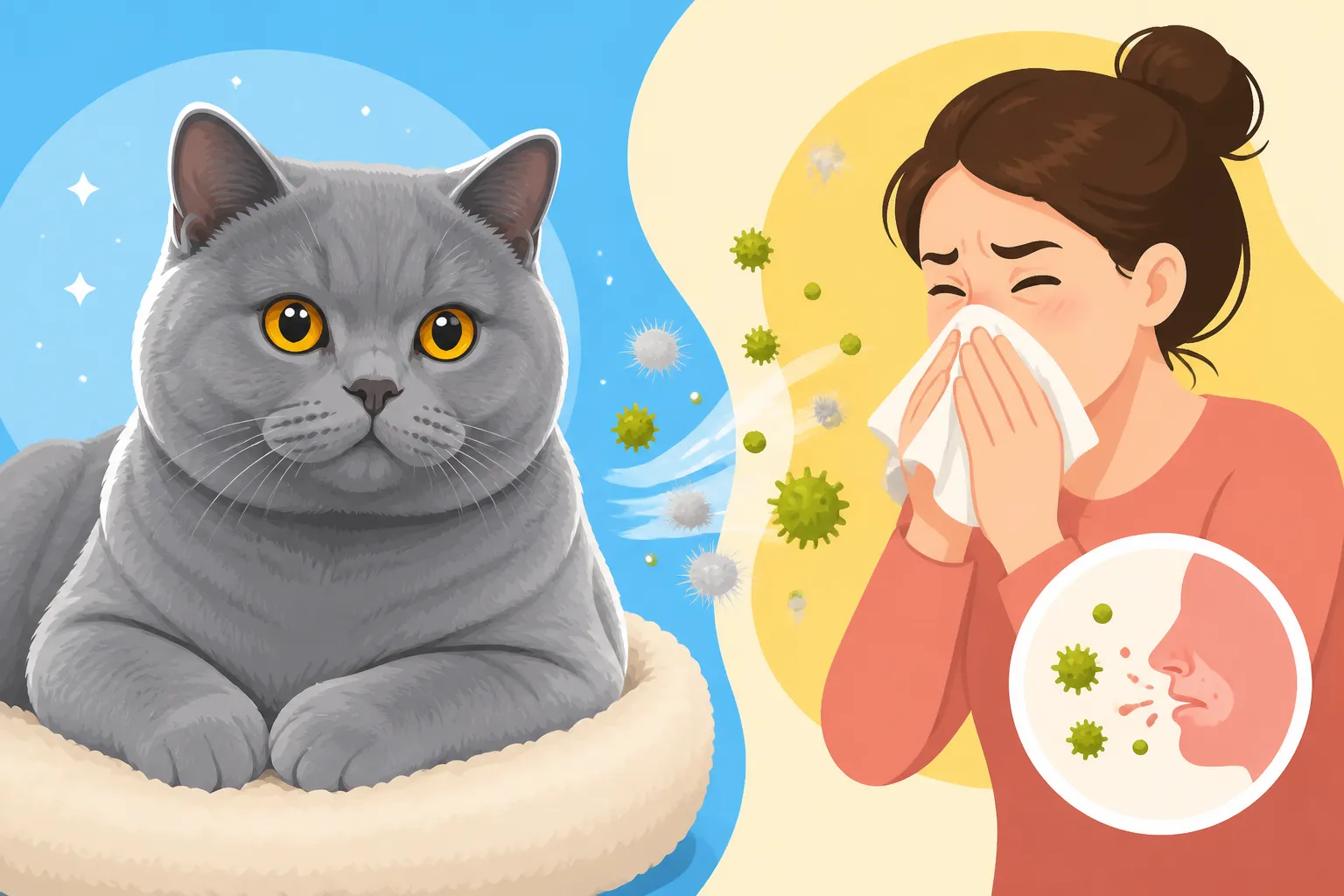
Let's get one thing straight: there's no such thing as a truly 100% hypoallergenic cat, including the British Shorthair. The primary culprit behind most cat allergies isn't the fur itself, but a protein called Fel d 1, which is found in a cat's saliva, urine, and dander (tiny flakes of skin). When a cat grooms itself, this protein-laden saliva dries on their fur, becoming airborne as dander flakes off, or it's simply shed with their hair. This microscopic protein is incredibly potent, and it’s what triggers allergic reactions in sensitive individuals.
While some breeds are marketed as hypoallergenic, they typically just produce less Fel d 1, or they shed less, meaning fewer allergens are dispersed into the environment. However, every cat produces some level of Fel d 1, and individual human sensitivity varies wildly. What one person tolerates, another might react severely to. So, if you're holding out for a British Shorthair because you heard their dense coat means less shedding and therefore fewer allergies, you might need to adjust your expectations slightly.
British Shorthair Coat and Dander Production
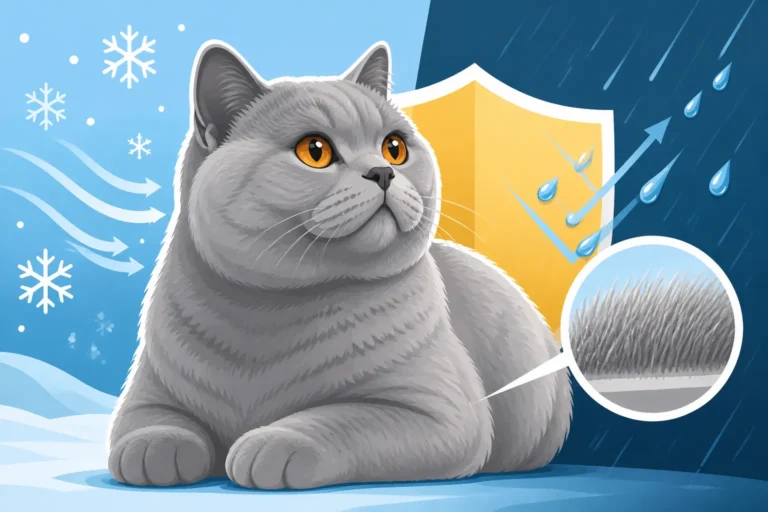
The British Shorthair is renowned for its incredibly dense, plush coat that truly feels like a velvety blanket. This distinctive coat stands away from the body, giving them their characteristic "teddy bear" look. Many assume that because the coat is so thick and short, they won't shed much, or that the allergens will be trapped within the fur. While their shedding isn't usually as profuse as some long-haired breeds, they absolutely do shed, and they have a distinct undercoat. You might be surprised to learn more about Whether a British Shorthair Has an Undercoat. This undercoat, combined with their dense outer layer, can indeed hold onto dander.
However, the British Shorthair's relatively low-maintenance grooming habits compared to some other breeds can sometimes be mistaken for lower allergen production. They are generally clean cats, but they still groom themselves regularly, which means they are constantly applying Fel d 1-rich saliva to their fur. When this dries, the dander becomes part of the airborne mix in your home. It’s not about how much fur they have, but what’s on that fur. The crisp texture of their coat, which you can learn more about in Why a British Shorthair's Coat Feels Crisp, doesn't inherently make it more or less allergenic, but its density can impact how easily allergens are dispersed.
Grooming Habits and Allergen Spread
British Shorthairs are generally quite fastidious about their personal hygiene. They spend a good portion of their day meticulously cleaning their magnificent coats. This self-grooming is entirely natural and healthy for the cat, but it has implications for allergy sufferers. Each lick deposits more Fel d 1 protein onto their fur. As the fur dries and sheds, or as they brush against furniture, clothing, or even your leg, those tiny, allergen-coated dander flakes become dislodged and float into the air.
Moreover, if your British Shorthair is particularly fond of sleeping on your bed, curling up on your favorite armchair, or even just rubbing against your clothes, they are directly transferring these allergens to those surfaces. Even their litter box can be a source of allergens, as Fel d 1 is present in urine. So, while their calm and independent nature might mean they aren't constantly in your face, their presence still contributes to the overall allergen load in the home.
Factors Influencing Allergic Reactions
It’s easy to feel overwhelmed by the idea that these adorable fluff balls are tiny allergen factories. However, understanding the specific mechanisms can empower you to take targeted action. It’s not just about the cat, but also about the environment and your own body’s response.
Fel d 1 Protein: The Main Allergen
As mentioned, Fel d 1 is the primary villain. This protein is produced by several glands in a cat’s body: sebaceous glands in the skin, salivary glands, and even anal glands. When a British Shorthair grooms its dense coat, it spreads saliva containing Fel d 1 all over its fur. As the saliva dries, the protein-laden dander flakes off. Additionally, since Fel d 1 is also in urine, the litter box can become another significant source, especially if it’s not cleaned regularly.
Some studies suggest that male cats, particularly unneutered males, tend to produce higher levels of Fel d 1 than females or neutered males. This might mean that a neutered female British Shorthair could potentially be less allergenic than an intact male, but this is a generalization and not a guarantee. The size of the cat also doesn't directly correlate with allergen production; a smaller cat can still produce ample Fel d 1. The main takeaway here is that Fel d 1 is omnipresent wherever your British Shorthair goes, and it's microscopic, making it difficult to avoid entirely without intervention.
Shedding and Dander Dispersion
While a British Shorthair's coat is undeniably thick and soft, they do shed. They may not have long, flowing hair like a Maine Coon, but their short, dense fur still comes out, especially during seasonal changes. You might wonder How Much a British Shorthair Sheds during these periods. This shedding process releases dander into the air, which can then circulate throughout your home. The dander particles are incredibly small and light, meaning they can stay airborne for hours and easily cling to clothing, upholstery, and carpets.
Even if you regularly comb your British Shorthair, which is a great practice, you won't eliminate all shedding or dander. Their grooming routine is critical here; the more they lick their fur, the more dander becomes coated with Fel d 1. This dander then gets distributed around your home, settling on every surface. It's not just the visible tumbleweeds of fur that cause issues, but the invisible particles that are the real irritants.
Environmental Impact on Allergens
The environment in which your British Shorthair lives plays a huge role in the concentration of allergens. A home with lots of carpets, fabric upholstery, heavy curtains, and numerous soft furnishings will act as a giant sponge for dander. These materials trap the microscopic particles, making them much harder to remove through simple cleaning. Every time someone sits on a sofa, walks across a carpet, or opens a curtain, settled allergens can become airborne again.
Conversely, a home with hard flooring, leather or faux-leather furniture, and minimal fabric décor will naturally have fewer places for allergens to accumulate. Good ventilation is also crucial. A tightly sealed house, while energy-efficient, can trap allergens inside, leading to higher concentrations. Humid environments can also exacerbate allergen issues by providing a damp surface for growth and making particles heavier, thus settling faster but sticking more firmly.
Practical Strategies for Allergy Management
Living with a British Shorthair when you have allergies doesn't have to be a constant battle. By implementing a combination of strategies, you can significantly reduce the allergen load in your home and enjoy a more comfortable life with your feline companion.
Regular Grooming and Bathing
This is perhaps one of the most effective ways to tackle allergens head-on. Consistent grooming of your British Shorthair can drastically reduce the amount of loose fur and dander floating around your home.
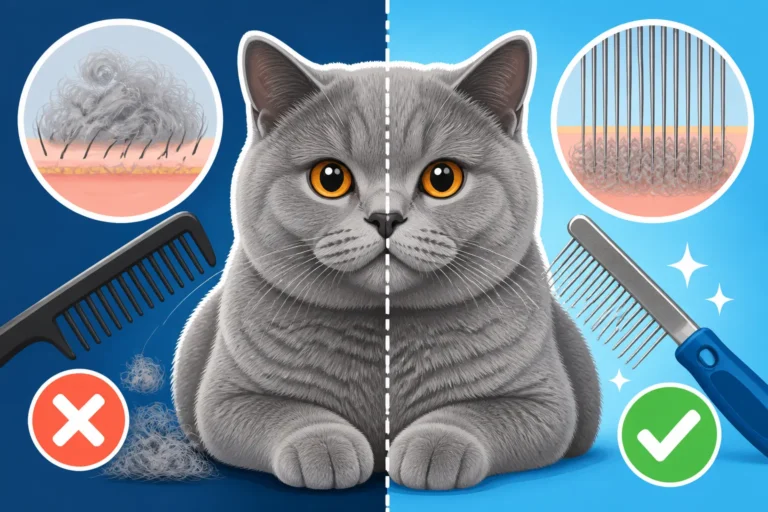
- Combing: Daily or every-other-day combing is key, especially during seasonal shedding periods. Use a fine-toothed metal comb or a good quality shedding tool designed for short-haired cats. A comb that reaches their dense undercoat effectively is paramount. You might find guidance in Which Comb a British Shorthair Needs and How Often a British Shorthair Needs Combing. Brushing your cat not only removes loose fur and dander but also helps distribute natural oils for a healthier coat. Many pet owners find a good selection of these tools on Chewy or Amazon.
- Bathing: While not all British Shorthairs appreciate baths, occasional bathing can wash away a significant amount of Fel d 1 from their fur. If your cat tolerates it, aim for a bath every 4-6 weeks using a cat-specific, allergen-reducing shampoo. Be gentle, make it a positive experience with treats, and ensure they are thoroughly dried afterward to prevent skin issues. Learning How Often a British Shorthair Needs a Bath can help you establish a routine.
- Wiping: Between baths, you can also gently wipe your cat down with a damp cloth or specialized anti-allergen wipes to remove surface dander and saliva.
Air Quality and Cleaning Regimen
Your home environment is where allergens accumulate, so a rigorous cleaning routine and improved air quality can make a world of difference.
- Air Purifiers: Invest in high-quality air purifiers with HEPA filters. Place them in rooms where your British Shorthair spends the most time, especially the bedroom if your cat is allowed in there. These devices continually filter airborne particles, including dander, significantly reducing concentrations.
- Vacuuming: Vacuum frequently, ideally daily or every other day, using a vacuum cleaner equipped with a HEPA filter. This is crucial for capturing tiny allergen particles embedded in carpets and upholstery. Pay close attention to areas where your cat sleeps or spends a lot of time.
- Washing: Wash all bedding, including pet beds, cushion covers, and throws, in hot water at least once a week. Hot water helps to denature the Fel d 1 protein. Consider What British Shorthair Fur Does to Furniture and imagine that on your bedding.
- Dusting and Wiping: Regularly dust all surfaces with a damp cloth to pick up settled allergens rather than just moving them around.
- Professional Cleaning: Periodically, consider professional carpet and upholstery cleaning to deep clean and extract allergens that daily cleaning might miss.
Diet and Coat Health
A healthy cat with healthy skin and coat tends to shed less excessively and may even produce healthier dander, though the Fel d 1 protein will still be present.
- High-Quality Food: Feed your British Shorthair a premium diet rich in omega fatty acids, which are beneficial for skin and coat health. A well-nourished coat is less likely to be dry and flaky, potentially reducing the amount of dander. Brands available on Chewy or Amazon often offer specific formulas for skin and coat health. You might find useful information in Which Food Suits a British Shorthair.
- Hydration: Ensure your cat has constant access to fresh, clean water. Good hydration contributes to overall health, including skin and coat condition. Some cats prefer running water from a fountain, which can encourage them to drink more.
- Supplements: Discuss with your vet if certain supplements, like omega-3 fatty acids, could benefit your cat's skin and coat health, potentially leading to less dry skin and flaking.
Creating Allergy-Friendly Zones
Sometimes, simply reducing exposure in critical areas can be the most effective strategy.
- Bedroom Ban: Make your bedroom a cat-free zone. This creates a sanctuary where you can sleep and breathe without a concentrated dose of allergens. Keep the door closed at all times.
- Designated Spaces: Provide comfortable, easy-to-clean cat beds or perches in other areas of the house. These can be covered with washable throws that are laundered frequently.
- Hard Surfaces: If possible, opt for hard flooring (wood, tile, laminate) over carpets, especially in shared living spaces. This makes allergen removal much easier. Choose leather or synthetic upholstery over fabric options.
| Strategy | Actionable Steps | Expected Impact on Allergens | Commitment Level |
|---|---|---|---|
| Grooming | Daily combing, occasional bathing, anti-allergen wipes | Moderate to High | High |
| Air Quality | HEPA air purifiers, good ventilation | Moderate to High | Moderate |
| Cleaning | Daily vacuuming (HEPA), weekly hot laundry, damp dusting | High | High |
| Diet & Hydration | High-quality food, fresh water, vet-approved supplements | Low to Moderate (indirect) | Moderate |
| Zone Restriction | Cat-free bedroom, easy-to-clean pet beds | High | Moderate |
Living with a British Shorthair and Allergies: Realistic Expectations
While these strategies can significantly mitigate allergic reactions, it's vital to have realistic expectations. Allergies are a personal battle, and what works for one person might not be enough for another.
Individual Sensitivity Varies Greatly
Your personal sensitivity to Fel d 1 is the biggest variable. Some people have mild allergies that are easily managed with a few adjustments, while others have severe reactions that even the most stringent cleaning and grooming routines can't fully overcome. There's no way to predict your exact reaction to a specific British Shorthair without direct exposure.
Consider spending time with British Shorthairs if you're able to. Visit a reputable breeder (even if you don't intend to buy from them, explaining your situation might allow a short visit), a cat café that hosts British Shorthairs, or a friend who owns one. See how you react. Be aware that a short visit might not trigger a full reaction, as allergens build up over time in a home.
Testing the Waters Before Committing
If you're seriously considering a British Shorthair despite your allergies, a "trial run" can be invaluable. Some breeders or rescues might offer opportunities to foster a cat temporarily or spend extended periods in a home with one. This allows you to experience the cumulative effect of allergens in a living environment over a few days or weeks.
Remember, getting a cat is a long-term commitment. A British Shorthair can live The Twelve to Seventeen Years a British Shorthair Gets, and rehoming due to uncontrollable allergies is heartbreaking for everyone involved. Taking these preliminary steps can save a lot of heartache in the long run.
Medical Interventions and Professional Advice
For some, managing allergies means a combination of environmental control and medical intervention. Over-the-counter antihistamines can provide temporary relief for mild symptoms. For more persistent or severe allergies, your doctor might recommend prescription medications, nasal sprays, or even allergy shots (immunotherapy). These shots involve a series of injections over time to desensitize your immune system to the allergen.
Always consult with your doctor or an allergist before making significant decisions about managing your allergies, especially if you plan to bring a cat into your home. They can provide personalized advice and discuss the most effective medical treatments for your specific situation. Combining professional medical guidance with diligent home management strategies offers the best chance for a harmonious life with your British Shorthair.
Disclaimer
This article is for general informational purposes only and does not constitute professional advice. Laws, prices and regulations vary by location and change over time. Consult a qualified professional for guidance on your specific situation.