Why a British Shorthair Should Never Be Shaved
It’s a common thought when you’re battling a shedding British Shorthair or worrying about them in the summer heat: "Maybe I should just shave them." We’ve all been there, staring at a fluffy furball and dreaming of a quick fix. But as tempting as it might seem to grab those clippers, shaving your British Shorthair can actually cause more problems than it solves, and this guide will walk you through exactly why it's a practice best avoided for the health and happiness of your beloved feline.
Understanding the British Shorthair's Unique Coat
Before we even consider taking clippers to that plush coat, it's absolutely crucial to understand what makes a British Shorthair's fur so special and why it's designed the way it is. It's not just a cute, cuddly blanket; it's a finely tuned piece of feline engineering.
The Double Coat Explained
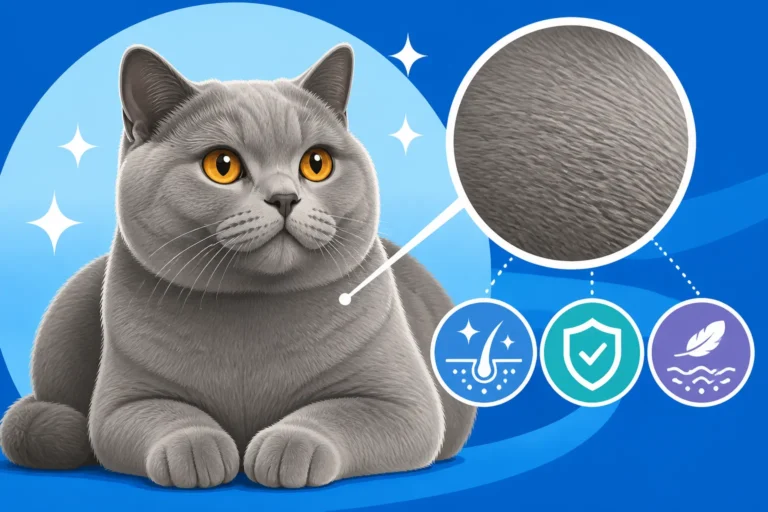
Your British Shorthair isn’t just wearing one layer of fur; they're sporting a sophisticated double coat, and each part plays a vital role. Think of it like a high-performance winter jacket with both an outer shell and a warm liner, but for all seasons. The outer layer consists of what we call "guard hairs." These are the longer, coarser hairs that give the coat its distinct texture and offer the first line of defense against the elements. They're typically straight and somewhat stiff, giving that characteristic "crisp" feel. You might have noticed how A British Shorthair's Coat Stands Away From Its Body – that's largely due to the density and structure of these guard hairs.
Beneath this protective outer shell lies a dense, soft undercoat. This is where the real insulation magic happens. This fluffy layer traps air close to the cat’s body, creating a natural barrier. In cooler weather, this trapped air warms up, keeping them snug. In warmer weather, it actually helps to keep the heat out by acting as a buffer against the external temperature. It’s a remarkable system, and one that is easily disrupted. When people ask Whether a British Shorthair Has an Undercoat, the answer is a resounding yes, and it’s a key part of their overall well-being.
How the Coat Regulates Temperature
Many owners mistakenly believe that shaving their British Shorthair will help them stay cooler in hot weather, but this couldn’t be further from the truth for a double-coated breed. That dense coat isn't just for winter; it's an all-weather climate control system. In the summer, the guard hairs and undercoat work together to prevent the sun's harsh rays from reaching their delicate skin, acting as a natural parasol. The air trapped within the undercoat also provides insulation against external heat.
Imagine wearing a thick wool sweater in winter – it keeps you warm because it traps your body heat. Now imagine that same sweater, but slightly looser and breathable, allowing for air circulation. That’s a bit how your British Shorthair’s coat functions in summer. It keeps them insulated from both cold and heat, regulating their body temperature far more effectively than a bare skin could. Removing this natural barrier leaves them vulnerable and can actually make them overheat faster as their skin directly absorbs the sun's warmth. How a British Shorthair Copes With Heat is largely thanks to this incredible natural design.
Natural Protection and Sensory Function
Beyond temperature control, the British Shorthair's coat offers crucial physical protection. It acts as a shield against minor scrapes, scratches, and even insect bites. Their skin is quite thin and delicate underneath all that fur, and it's not meant to be exposed to the elements. Without their coat, they're much more susceptible to everyday hazards, whether it’s brushing against a rough surface indoors or, if they ever sneak outside, exposure to thorns or rough terrain.
Furthermore, a cat's fur, particularly the guard hairs, plays a role in their sensory perception. While not as primary as whiskers, the coat's sensitivity to touch and air currents contributes to their awareness of their surroundings. It's an integral part of their overall tactile experience. By shaving off this protective and sensory layer, you're stripping them of a fundamental part of their natural defense mechanism and their connection to their environment. How a British Shorthair's Coat Protects It is about more than just looking good; it's about their inherent well-being.
The Risks and Negative Consequences of Shaving
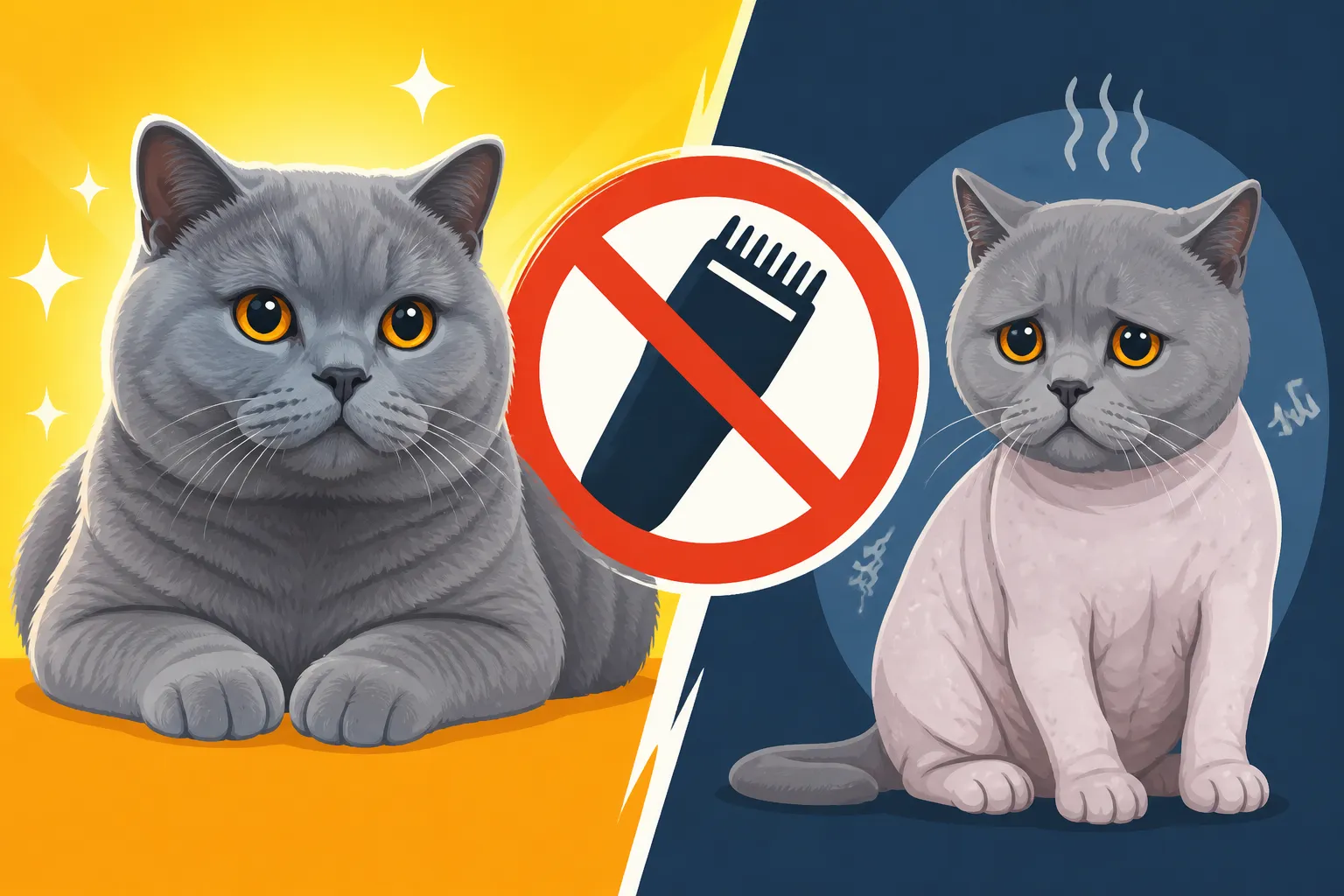
So, what actually happens when you shave that beautiful, functional British Shorthair coat? The consequences can be far-reaching, affecting not just their appearance but their physical health and even their emotional state. It's a decision that often leads to regret rather than relief.
Damage to Coat Health and Regrowth
One of the most significant concerns with shaving a British Shorthair is the potential for permanent damage to their coat. A cat’s fur growth cycle is complex, and shaving can disrupt the natural balance between the guard hairs and the undercoat. When shaved down, the softer, denser undercoat often grows back faster and thicker than the coarser guard hairs. This can lead to a condition known as "clipper alopecia" or "post-clipping alopecia," where the fur either doesn't grow back at all in certain spots or returns with an altered, often less desirable, texture.
Instead of the crisp, resilient coat you started with, you might end up with a duller, softer, or even patchy fur that is more prone to matting in the future. This isn't just an aesthetic issue; a compromised coat can affect their ability to regulate temperature, as the original functionality is lost. It can take many months, sometimes even years, for the coat to potentially return to its original state, and in some cases, it may never fully recover.
Skin Irritation, Sunburn, and Injury
Removing the natural layer of fur exposes your British Shorthair's delicate skin to a host of new risks. Their skin is simply not designed for direct exposure to the sun. Just like human skin, it can get severely sunburned, leading to pain, redness, peeling, and an increased risk of skin cancer over time, especially if they enjoy lounging in sunny spots indoors. Even under indirect light, their skin is now vulnerable.
Beyond sunburn, the shaving process itself carries risks. Clippers can easily nick or cut the skin, especially if the cat is squirmy or the person doing the shaving is inexperienced. These nicks can become infected. Moreover, once the fur is gone, their skin loses its protective barrier against allergens, irritants, and even minor physical trauma. They might develop rashes or dry, flaky skin from exposure to household chemicals or even just friction from surfaces they regularly lie on. It's a stark reminder that their coat serves a crucial protective purpose.
Behavioral and Psychological Impact
Cats are creatures of habit and comfort, and a drastic change like shaving can be incredibly stressful for them. Imagine suddenly losing a significant part of your body's covering. They might feel exposed, vulnerable, or even ashamed. Some cats react by hiding more, becoming withdrawn, or exhibiting unusual grooming behaviors, licking excessively at their now bare skin.
The sensation of their skin being exposed after a lifetime of being covered by a luxurious coat can be jarring. They might also feel colder than usual indoors, even in a warm house, due to the loss of their natural insulation. This discomfort can manifest as anxiety or changes in their normal, placid demeanor. While it might seem like a practical solution to us, from a cat's perspective, it can be a deeply unsettling experience that impacts their overall sense of security and well-being.
Impaired Temperature Regulation
This is the big one, and often the counterintuitive truth. Many owners shave their British Shorthair with the best intentions, believing it will make them cooler in the summer. However, as discussed, their double coat is a marvel of natural temperature regulation. By removing it, you actually hinder their ability to keep cool. The absence of the insulating layer means that heat can penetrate their skin more easily, and they lose the ability to trap cooler air against their body.
Without their natural sunblock, their skin rapidly absorbs solar radiation, making them feel hotter, not cooler. They might pant more, seek out colder surfaces more frequently, and generally struggle more with ambient temperatures than they would with their full coat. It's a common misconception that stripping them bare helps, but in reality, it often makes them more susceptible to overheating and less comfortable overall, especially if they spend time near windows or in direct sunlight.
Better Alternatives to Shaving for British Shorthairs
Okay, so shaving is out. But you're still left with a shedding cat, or concerns about keeping them comfortable. Don't worry, there are plenty of effective, cat-friendly strategies that work with their natural coat, rather than against it.
Effective Grooming for Shedding
The best way to manage shedding and maintain a healthy British Shorthair coat is consistent, correct grooming. This involves regular combing, not brushing. Brushes, especially slicker brushes, can actually damage their delicate undercoat and guard hairs, leading to breakage and irritation. Instead, a good quality metal comb with both wide and narrow teeth is your best friend. Look for options on Amazon or Chewy that are specifically designed for double-coated breeds.
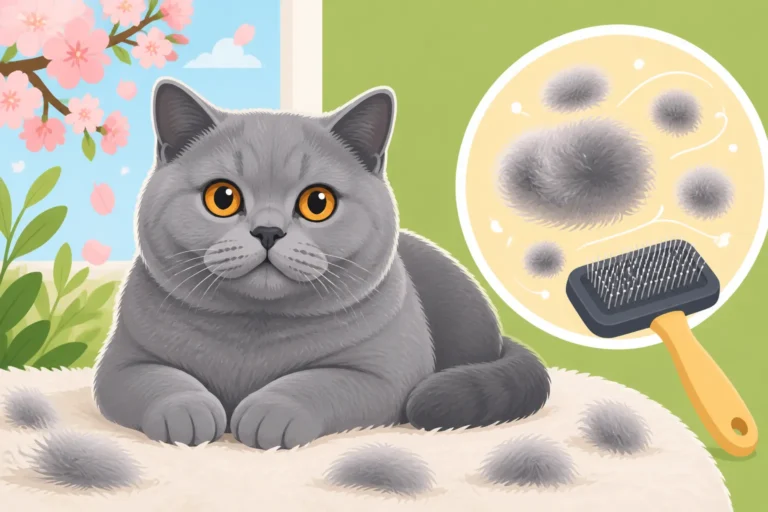
Aim to comb your British Shorthair at least 2-3 times a week, and more frequently during seasonal "blowouts" when they're shedding their undercoat. The Two Weeks a British Shorthair Drops Its Undercoat can be intense, so daily combing might be necessary then. Focus on getting down to the skin to remove loose undercoat without pulling the guard hairs. This not only reduces the amount of fur around your house but also helps prevent mats and keeps their skin healthy by stimulating blood flow and distributing natural oils. A thorough combing session can do wonders for keeping How Much a British Shorthair Sheds under control.
Here’s a quick guide to effective combing:
| Step | Description |
|---|---|
| Choose the Right Comb | Opt for a sturdy metal comb with rounded teeth. Some prefer a comb with varying tooth spacing, allowing for versatility. |
| Find a Calm Time | Approach your British Shorthair when they are relaxed, perhaps after a nap or a meal. Start with short sessions and gradually increase duration. |
| Work in Sections | Begin at the head and neck, moving down the back and sides. Pay special attention to areas prone to matting, like behind the ears, armpits, and hindquarters. |
| Comb Down to Skin | Use gentle, long strokes. The goal is to reach the undercoat and pull out loose fur, not just skim the surface. Be careful not to tug or pull, which can hurt your cat and make them averse to grooming. |
| Check for Mats | If you encounter a mat, gently try to tease it apart with your fingers or the wider teeth of the comb. Never cut a mat out with scissors unless you are trained, as it’s easy to cut skin. (More on this later). |
| Reward and Praise | End each session with praise, gentle petting, and perhaps a small treat. This helps them associate grooming with positive experiences. |
For more detailed guidance on tools, check out Which Comb a British Shorthair Needs.
Managing Heat and Comfort
Instead of shaving, focus on creating a comfortable, cool environment for your British Shorthair during warmer months. Remember, their coat is designed to help, not hinder, them in the heat, but they might need a little extra help if temperatures soar.
- Provide Cool Resting Spots: Ensure access to shaded areas indoors. Ceramic tiles or marble floors can be naturally cool. Consider a cooling mat (without gel that they could ingest if punctured) for them to lie on.
- Fresh Water Access: Always have fresh, cool water available. A ceramic bowl can keep water cooler longer than plastic. Some British Shorthairs enjoy water fountains, which can encourage them to drink more.
- Air Circulation: Use fans or air conditioning to keep the air moving and the temperature down in your home. Ensure fans aren't blowing directly on your cat continuously, but rather circulating air in the room.
- Moist Towels: On very hot days, you can gently wipe their fur with a damp (not soaking wet) cloth. This mimics the evaporative cooling they'd get from licking their fur and can offer some relief.
- Avoid Peak Heat: Keep your British Shorthair indoors during the hottest parts of the day, typically midday to late afternoon. Ensure windows with direct sunlight are shaded to prevent hot spots.
These simple adjustments work much better with their natural physiology than trying to override it with shaving.
Addressing Matting When It's Really Necessary
Sometimes, despite your best efforts, a British Shorthair can develop mats, especially if they are older, overweight, or have an illness that prevents them from grooming themselves effectively. What Changes in an Aging British Shorthair's Coat can make matting more likely. While prevention through regular combing is key, if you find severe matting, never attempt to cut it out yourself with scissors. The skin under mats is often very thin and can be pulled up into the mat, making it extremely easy to accidentally cut your cat, which can lead to serious injury and infection.
If your British Shorthair has significant matting, the safest and most humane course of action is to seek professional help. A qualified veterinarian or a professional cat groomer (one experienced with British Shorthairs and their specific coat type, not just dogs) can assess the situation. They have specialized clippers and techniques to remove mats safely and with minimal stress to your cat. In extreme cases, where the matting is extensive and tight to the skin, a vet may recommend a medical shave under sedation to ensure the cat's comfort and safety. This is a last resort and should always be performed by a professional, not at home. For serious matting, consider asking Whether a British Shorthair Needs Professional Grooming and explain the situation.
Common Misconceptions and Why They Don't Apply
Let's tackle some of those persistent myths that lead people down the shaving path, and clarify why they simply don't hold true for a British Shorthair.
"It's Just Hair, It Will Grow Back the Same"
This is a widespread misconception, particularly when it comes to double-coated breeds like the British Shorthair. As we discussed, their coat is composed of two distinct types of hair: the protective guard hairs and the insulating undercoat. These two layers have different growth cycles and textures. When you shave, you cut both types of hair to the same length.
The problem arises because the softer undercoat often grows back faster and sometimes thicker than the guard hairs. This disrupts the natural balance, leading to a coat that can be duller, more prone to matting, and less effective at temperature regulation. The beautiful, crisp texture that gives Why a British Shorthair's Coat Feels Crisp its name can be lost, potentially replaced by a cottony, uneven fur. In some cases, especially in older cats, certain areas may experience "clipper alopecia" where the hair simply doesn't grow back at all, leaving patchy bald spots. It's a risk that most owners aren't willing to take once they understand the potential for permanent change.
"My Cat Will Be Cooler"
This is perhaps the most common and dangerous myth driving the desire to shave British Shorthairs. While it seems logical that less fur equals less heat, it ignores the sophisticated design of their natural coat. Their double coat acts as a thermal barrier against both cold and heat. Think of it like the insulation in your house: it keeps the heat in during winter and the heat out during summer.
By shaving off this natural insulation, you remove their primary defense against direct sunlight and ambient heat. Their bare skin is then fully exposed to the sun's rays, causing them to absorb heat more rapidly and increasing their risk of sunburn and heatstroke. The air trapped in their undercoat actually helps to create a layer of cooler air next to their skin. Remove that, and they lose this natural air conditioning. Consequently, instead of being cooler, a shaved British Shorthair can actually become hotter and more uncomfortable in warm weather, making them more susceptible to heat-related illnesses.
"It Reduces Allergies"
Many people hope that shaving their cat will reduce allergic reactions in household members. Unfortunately, this is another misconception. Most people allergic to cats aren't actually reacting to the fur itself, but to proteins found in cat dander (tiny flakes of skin), saliva, and urine. These allergens are present regardless of how long or short the cat's fur is.
In fact, shaving a cat can sometimes make allergy symptoms worse. When the fur is shaved, more dander can be released into the air as the skin is more exposed and potentially irritated. Additionally, the act of shaving can stress the cat, leading to more licking, which then spreads more allergen-laden saliva onto their exposed skin and into the environment. While there are some breeds marketed as "hypoallergenic," no cat is truly 100% hypoallergenic, and shaving a British Shorthair offers no real benefit in reducing allergen load. Instead, frequent bathing (if your cat tolerates it), regular combing, and air purifiers are more effective strategies for managing cat allergies.
This table summarizes the core differences in approach:
| Feature/Problem | Shaving (Not Recommended) | Alternatives (Recommended) |
|---|---|---|
| Shedding | Temporarily removes surface fur, but hair will grow back, often with an altered texture; can exacerbate future shedding/matting. | Regular, thorough combing with a metal comb (2-3 times/week, more during seasonal sheds). |
| Temperature Control | Removes natural insulation, making the cat more susceptible to overheating and sunburn in summer, and feeling colder in winter. | Provide cool resting spots, ample fresh water, good air circulation, and shade from direct sun. |
| Matting | Can remove mats, but risks skin cuts, irritation, and potential coat damage; often requires professional sedation for severe mats. | Prevent with regular combing. For severe mats, consult a professional groomer or vet for safe removal; never use scissors at home. |
| Skin Protection | Removes natural barrier against UV rays, minor injuries, and environmental irritants. | The natural coat provides built-in protection. |
| Allergies | Does not effectively reduce allergens (dander, saliva proteins); may even increase airborne dander. | Regular combing/bathing, air purifiers, frequent cleaning of household surfaces. |
| Coat Health | Risks permanent changes to coat texture, density, and growth patterns (clipper alopecia). | Consistent grooming, balanced nutrition, and overall good health care. |
Ultimately, while the thought of shaving your British Shorthair might cross your mind for various reasons, it’s rarely, if ever, the right solution. Their coat is a magnificent, functional marvel designed to protect and regulate them, and working with it through proper grooming and environmental management is always the best approach for their long-term health and happiness.
Disclaimer
This article is for general informational purposes only and does not constitute professional advice. Laws, prices and regulations vary by location and change over time. Consult a qualified professional for guidance on your specific situation.