How Much PKD Is Left in the British Shorthair
Polycystic kidney disease remains a genetic concern for British Shorthairs due to historical breeding outcrosses with Persian cats.
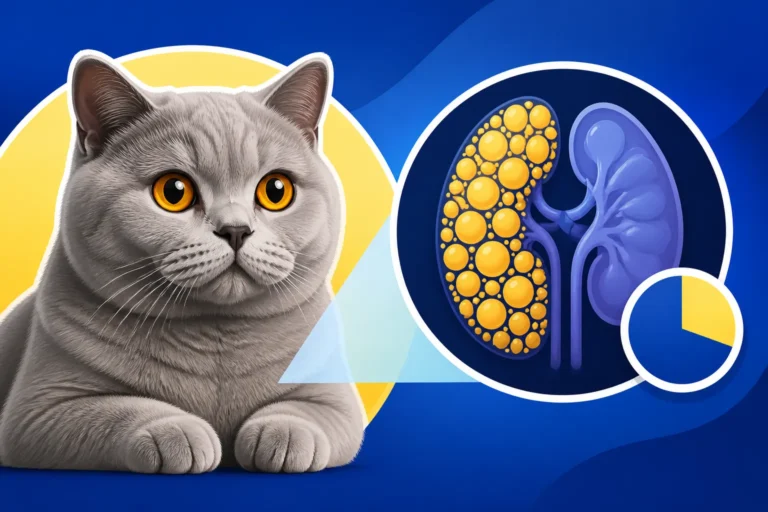
Polycystic kidney disease remains a genetic concern for British Shorthairs due to historical breeding outcrosses with Persian cats.
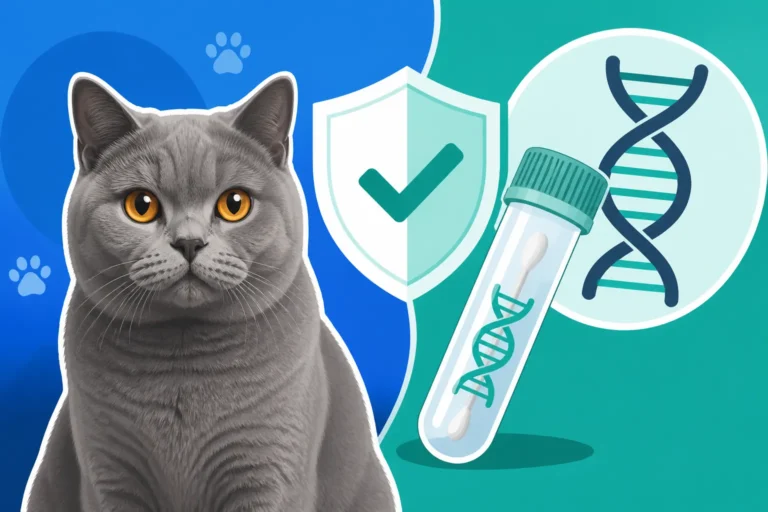
The PKD1 DNA test determines if British Shorthairs carry the autosomal dominant genetic mutation causing polycystic kidney disease.
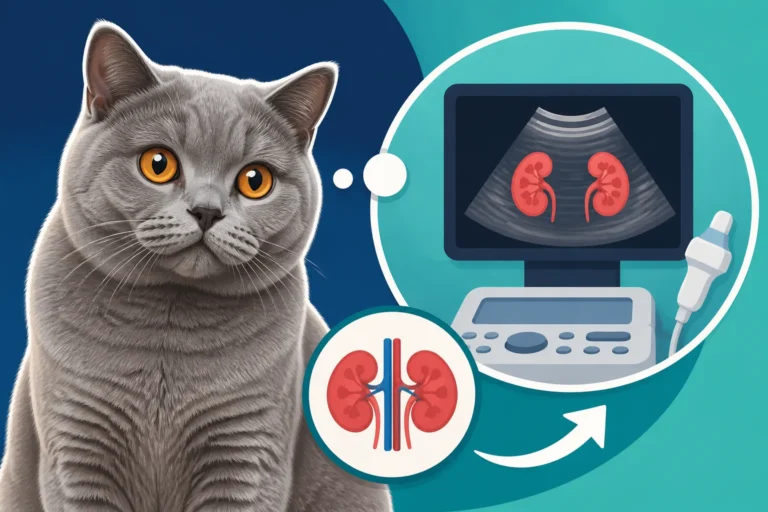
British Shorthair kidney health and polycystic kidney disease symptoms explained, including when diagnostic ultrasound testing is necessary.
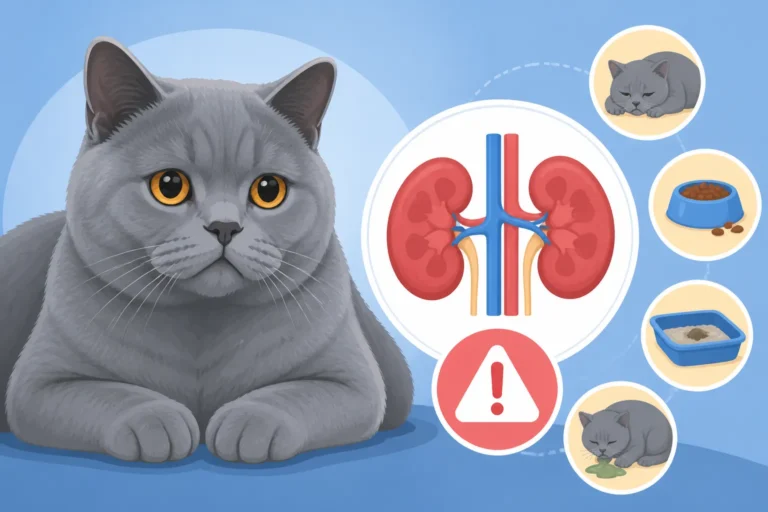
British Shorthair kidney failure signs include subtle behavioral changes, age factors, and genetic risks like Polycystic Kidney Disease.
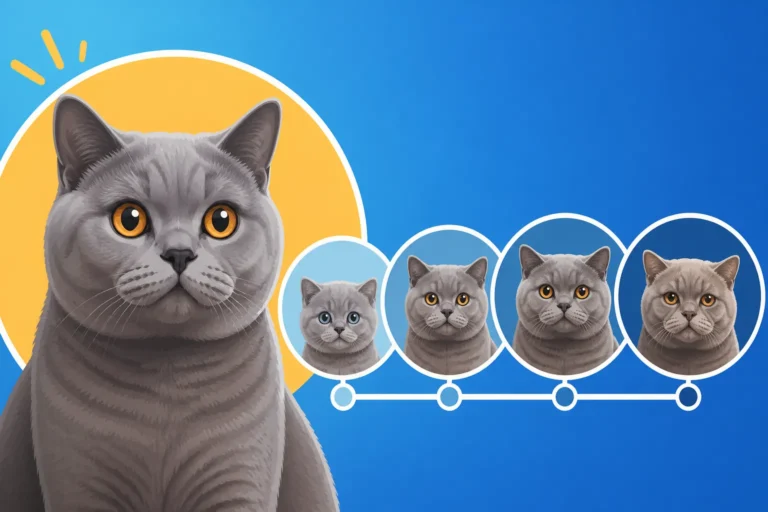
Polycystic kidney disease in British Shorthairs develops from birth, with cysts slowly growing and impairing kidney function over years.
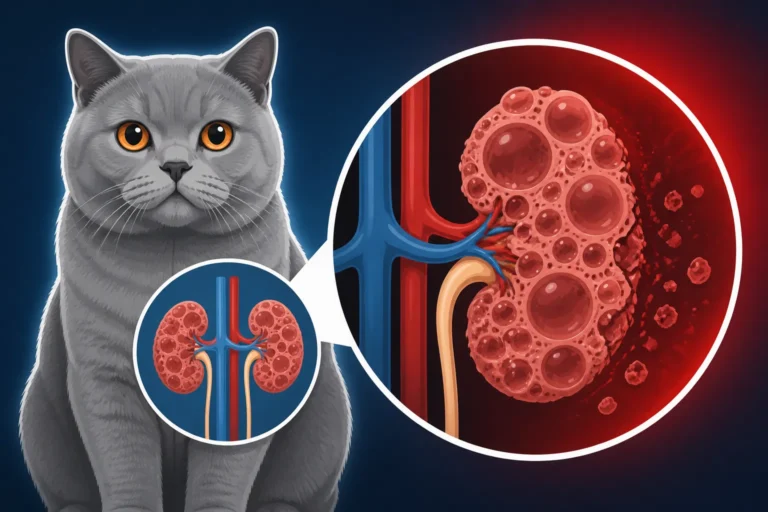
Polycystic kidney disease in British Shorthair cats causes fluid-filled cysts that slowly replace healthy kidney tissue and impair function.
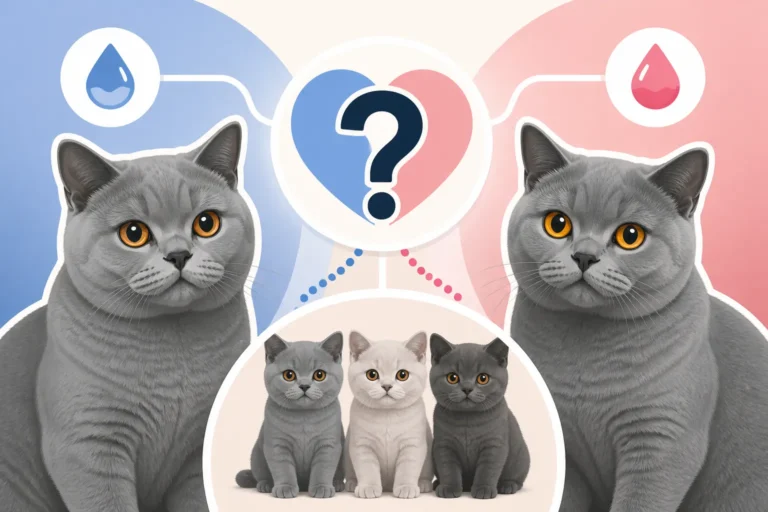
British Shorthair hemophilia carrier breeding involves X-linked recessive genetic risks, Factor IX deficiency, and hereditary bleeding disorders.
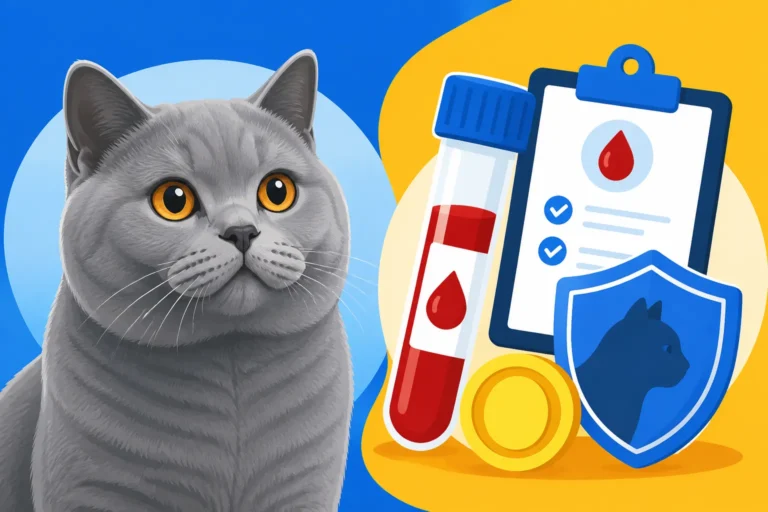
British Shorthair Hemophilia B testing costs and genetic inheritance patterns explained for cat owners and dedicated breeders.
UC Davis Veterinary Genetics Laboratory provides Hemophilia B genetic testing for British Shorthair cats to detect Factor IX deficiency.
British Shorthair hemophilia B is a genetic bleeding disorder that often remains hidden until routine neutering surgery triggers excessive bleeding.